Wendy Williams on Radio: Exploring the Broadcaster's Broadcast History and Audio Legacy
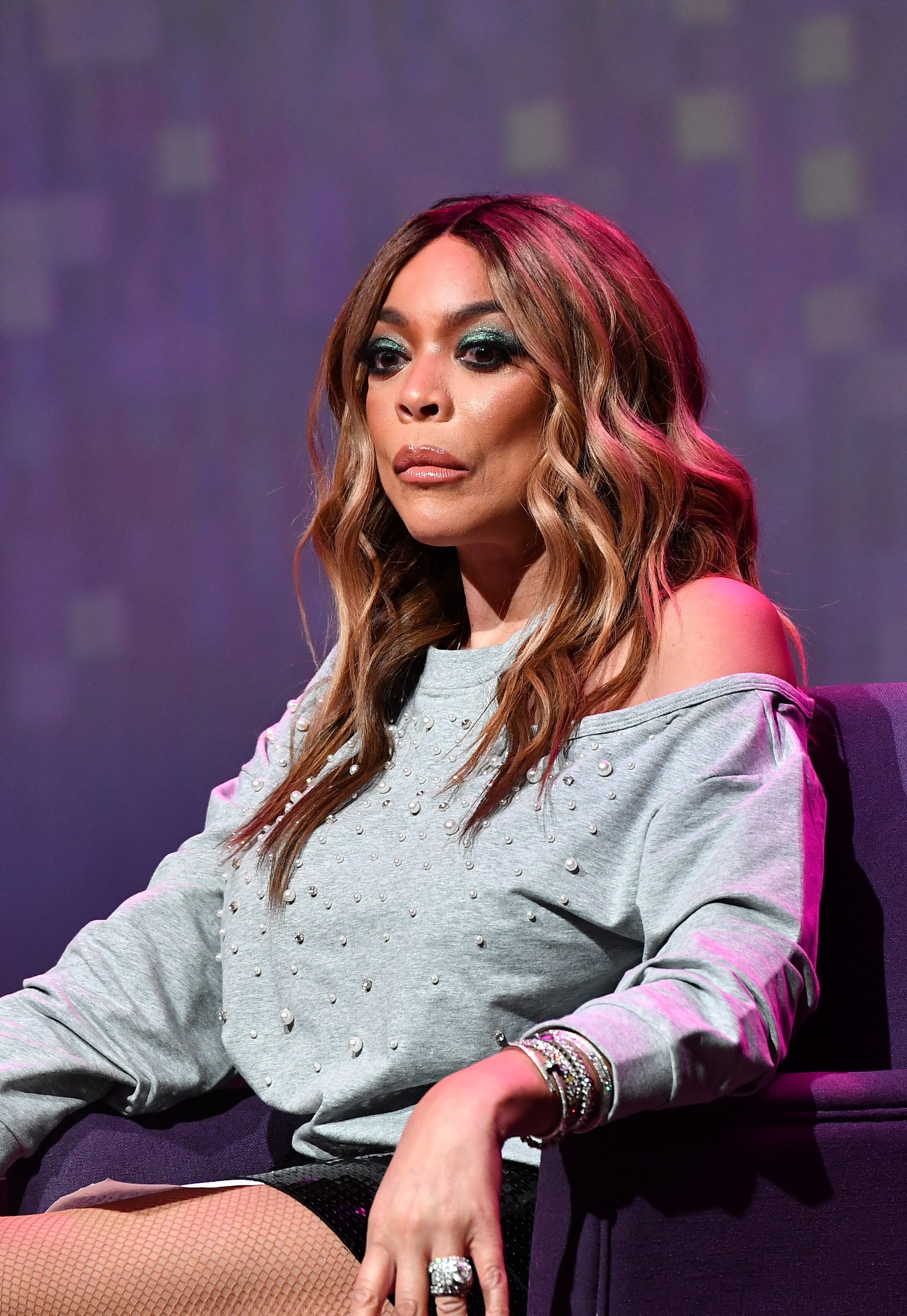
Wendy Williams built an enduring media legacy through her decades-long tenure as a shock jock and urban contemporary radio host, known for her candid interviewing style, signature catchphrases, and unfiltered pop culture commentary before transitioning to a daytime television icon.
The trajectory of Wendy Williams on radio defines an era of American urban contemporary broadcasting marked by fierce competition, high-profile format shifts, corporate consolidation, and personal reinvention. Long before her syndicated daytime television talk show cemented her status as a household name, Williams spent more than two decades behind the microphone in major urban markets, most notably New York City. Her unique blend of celebrity gossip, industry gossip, and deeply personal on-air disclosures revolutionized the afternoon and morning drive-time slots, establishing a blueprint for modern infotainment that blurred the line between broadcaster and subject.
The Foundations of a Broadcasting Career
Wendy Williams' entry into the radio industry began in the late 1980s following her graduation from Northeastern University, where she studied communications and worked on the campus radio station, WRBB. Her early professional stops included positions at small-market stations where she honed her distinct vocal delivery, sharp comedic timing, and fearless approach to confronting sensitive topics. These foundational years exposed her to the rigorous demands of commercial radio, where ratings dictated employment longevity and station executives constantly experimented with line-ups to capture fragmented urban audiences.
During this period, the urban contemporary radio format was undergoing significant evolution, shifting from traditional rhythm and blues programming to incorporate emerging hip-hop culture and lifestyle talk. Williams positioned herself at the vanguard of this cultural pivot. By embedding herself within the nascent hip-hop community, she gained early access to artists, producers, and executives, transforming routine promotional interviews into compelling, often controversial investigative segments. Her ability to command listener attention through unscripted dialogue set her apart from traditional disc jockeys who merely announced song titles and read commercial spots.
Rise to Prominence at WBLS and Hot 97
The defining chapters of Williams' radio career unfolded in the fiercely competitive New York City media market, where she secured positions at premier urban stations including WBLS and Hot 97 (WQHT). Her arrival at Hot 97 in the mid-1990s coincided with the golden era of East Coast hip-hop, placing her at the epicenter of cultural movements and high-profile industry rivalries. Operating under the banner of a high-energy personality-driven show, she introduced regular features that dissected the personal lives of musicians, actors, and athletes, earning both devoted followers and fierce detractors.
| Station | Market Position | Era | Key Characteristics |
|---|---|---|---|
| WRBB | College Radio | Mid-1980s | Foundation in broadcasting, student-run programming, early interview practice. |
| Hot 97 (WQHT) | Urban Contemporary | Mid-1990s | High-energy hip-hop coverage, intense market competition, controversial celebrity interviews. |
| WBLS | R&B / Urban Contemporary | Late 1990s – 2000s | Expanded talk segments, mature audience demographics, signature catchphrases. |
| WBLS (Syndicated) | National Syndication | 2000s | Broader geographic reach, pre-recorded and live segments, corporate management integration. |
Her on-air style was characterized by confrontational directness. Williams frequently questioned guests about legal troubles, financial difficulties, and romantic scandals, creating appointment-listening moments that dominated industry trade publications. This uncompromising approach generated substantial ratings spikes but also led to frequent friction with station management, public relations representatives, and the celebrities who were the subjects of her commentary.
The Transition to Syndication and Corporate Realities
As her popularity in New York City peaked, Williams expanded her footprint through national syndication, bringing her signature brand of radio to listeners across the United States. Syndication altered the operational mechanics of her daily broadcast, requiring compliance with corporate broadcast standards, Federal Communications Commission (FCC) regulations, and the expectations of multiple station affiliates. Despite these constraints, she maintained the core elements of her format, utilizing call-in segments, listener letters, and unfiltered commentary to sustain audience engagement.
The corporate radio landscape of the late 1990s and 2000s experienced rapid consolidation, with large media conglomerates acquiring numerous stations and implementing standardized programming strategies. Williams navigated this changing environment by leveraging her powerful personal brand, which commanded advertiser loyalty and consistent ratings. However, the tension between her provocative style and corporate risk aversion occasionally resulted in public disputes, temporary suspensions, and contract negotiations that played out across media headlines.
Signature Elements and Cultural Impact
The enduring appeal of Wendy Williams on radio rested upon several distinct methodological and stylistic innovations that influenced a generation of media personalities:
- The Unfiltered Confessional: Williams routinely shared details of her personal life—including struggles with substance use, cosmetic procedures, and marital challenges—establishing an intimate rapport with her audience that fostered deep loyalty.
- Direct Audience Interaction: Her dedicated listener base, famously referred to as "co-workers," formed a participatory community that extended beyond the broadcast through live events, merchandise, and call-in segments.
- Industry Insider Access: Leveraging her deep network of contacts within the entertainment industry, she frequently broke news regarding celebrity relationships and career developments before mainstream outlets.
- Vocal Branding: Her distinctive vocal inflection, characterized by dramatic pauses, rhythmic cadences, and iconic catchphrases, created an immediately recognizable audio signature.
These elements combined to redefine the role of the urban contemporary radio host, proving that personality-driven commentary could generate as much revenue and cultural influence as the musical playlists themselves.
From Audio Waves to Television Domination
The culmination of Williams' radio career paved the direct path for her transition into television. In 2009, The Wendy Williams Show debuted in national syndication, translating her radio format—complete with the "Hot Topics" segment, studio audience interaction, and direct-to-camera address—into a visual medium. While television provided a broader platform and mainstream visibility, the foundational techniques utilized on the program were directly forged during her decades in radio broadcasting.
Her eventual departure from terrestrial radio marked the end of an era for aggressive, personality-driven urban contemporary talk. Modern radio programming strategies increasingly favor automated playlists, syndicated morning shows originating from centralized hubs, and risk-averse content designed to appeal to broad demographic blocks, leaving few spaces for the type of localized, high-conflict shock jock persona that Williams popularized.
Frequently Asked Questions
What years did Wendy Williams work in radio?
Wendy Williams worked in commercial radio from the late 1980s through the late 2000s. Her career spanned foundational college broadcasting, prominent runs at major New York City stations like Hot 97 and WBLS, and subsequent national syndication before she permanently shifted her focus to daytime television in 2009.
Which radio stations were most closely associated with her career?
Her most notable and longest-running associations were with New York City urban contemporary stations WBLS and Hot 97 (WQHT). Her broadcasts on these stations established her reputation as a dominant force in drive-time radio and cemented her cultural influence within the hip-hop community.
How did Wendy Williams' radio style influence modern media?
Williams pioneered an unscripted, highly confessional, and confrontational interview style that blurred the boundaries between traditional journalism and tabloid commentary. This blueprint heavily influenced subsequent digital content creators, podcast hosts, and social media commentators who adopted her direct-address format and "Hot Topics" structure.
Did Wendy Williams return to radio after starting her television show?
Following the launch of her daily television talk show in 2009, Williams stepped away from regular terrestrial radio broadcasting to focus on her television commitments and subsequent media ventures, concluding her multi-decade career behind the audio microphone.
What factors led to her departure from terrestrial radio?
Her transition out of radio was primarily driven by the expanding success and rigorous daily production schedule of her nationally syndicated television talk show, alongside broader structural shifts in the commercial radio industry toward corporate syndication and standardized programming.
Conclusion and Media Legacy
The historical record of Wendy Williams on radio reflects a transformative period in American broadcasting characterized by fearless personality-driven content, intense market competition, and cultural influence. Her ability to captivate millions of listeners through raw commentary and deep industry connections established a permanent template for modern entertainment media. Aspiring broadcasters and content creators continue to study her mastery of audience engagement, vocal branding, and unscripted delivery as foundational elements of enduring media success.
Image Gallery
Select an image to open it in a new tab.



Declan O'Connor
Higher Education and Campus Culture Reporter
