Exploring the Tallest Waterslide in the US: Engineering, Record-Holders, and Safety
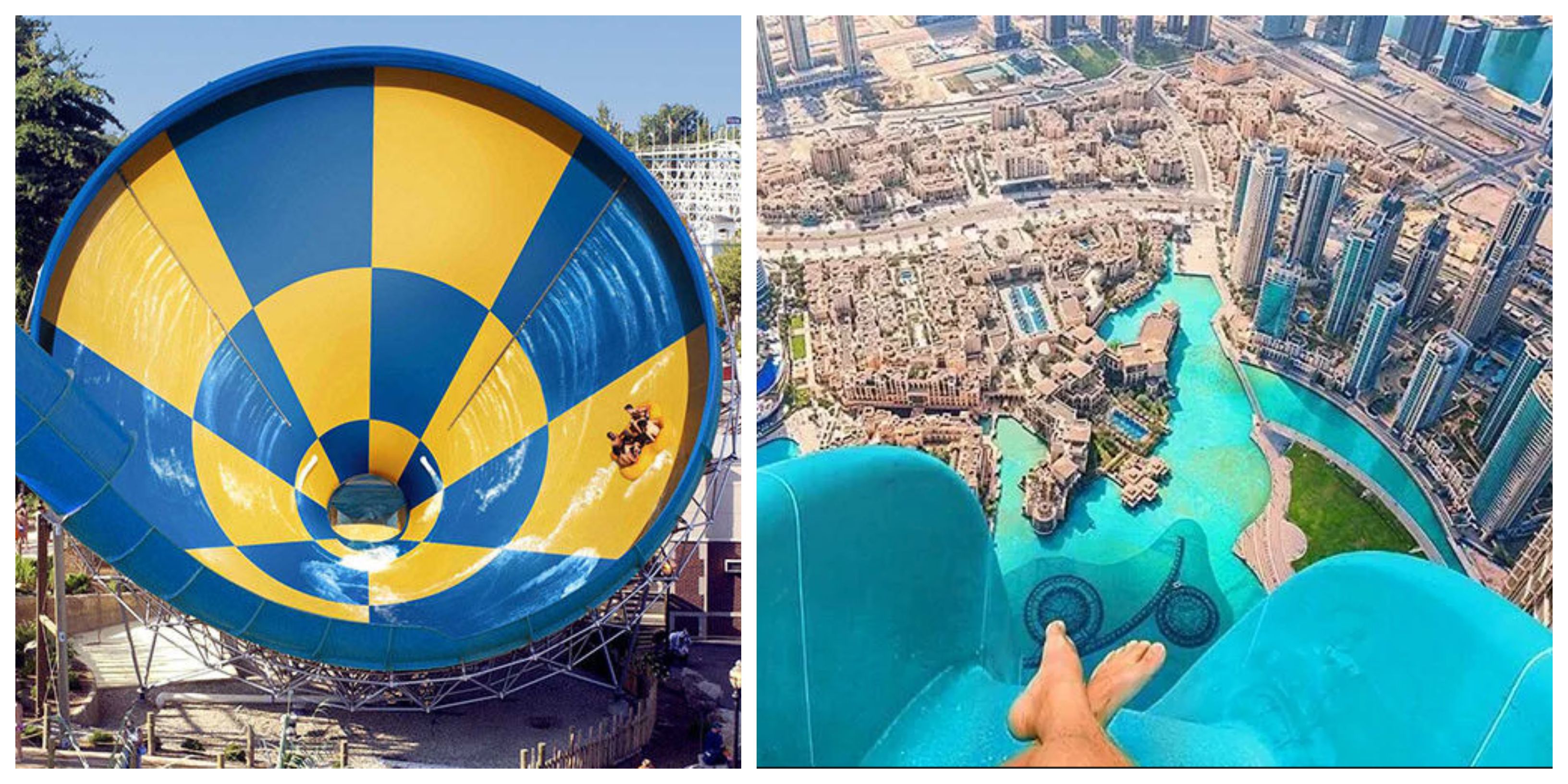
The title of the tallest waterslide in the United States currently belongs to the Daredevil Peak at Rapids Water Park in Riviera Beach, Florida, standing at 125 feet tall. Distinguishing between the tallest free-standing slides and those integrated into natural elevation remains essential, as engineering standards and safety certifications vary significantly across these aquatic structures.
The Evolution of Record-Breaking Waterslides
The quest for the tallest waterslide in the US is a story of continuous engineering innovation. Amusement parks constantly push the boundaries of height, speed, and gravitational force to attract thrill-seekers. Historically, water parks relied on existing hillside topography to minimize construction costs and structural requirements. Modern engineering, however, allows for massive, free-standing steel towers that rise hundreds of feet into the air, creating artificial elevation where none previously existed.
When discussing the "tallest" ride, it is important to understand the measurement methodology. Manufacturers and park operators typically measure from the ground level to the highest point of the structure or the starting platform. Riders should note that the height of the slide structure does not always correlate directly with the total drop distance, as some rides feature multiple dips or vertical configurations that impact the rider's journey from the top platform to the landing pool.
Understanding the Rankings: The Verification Challenge
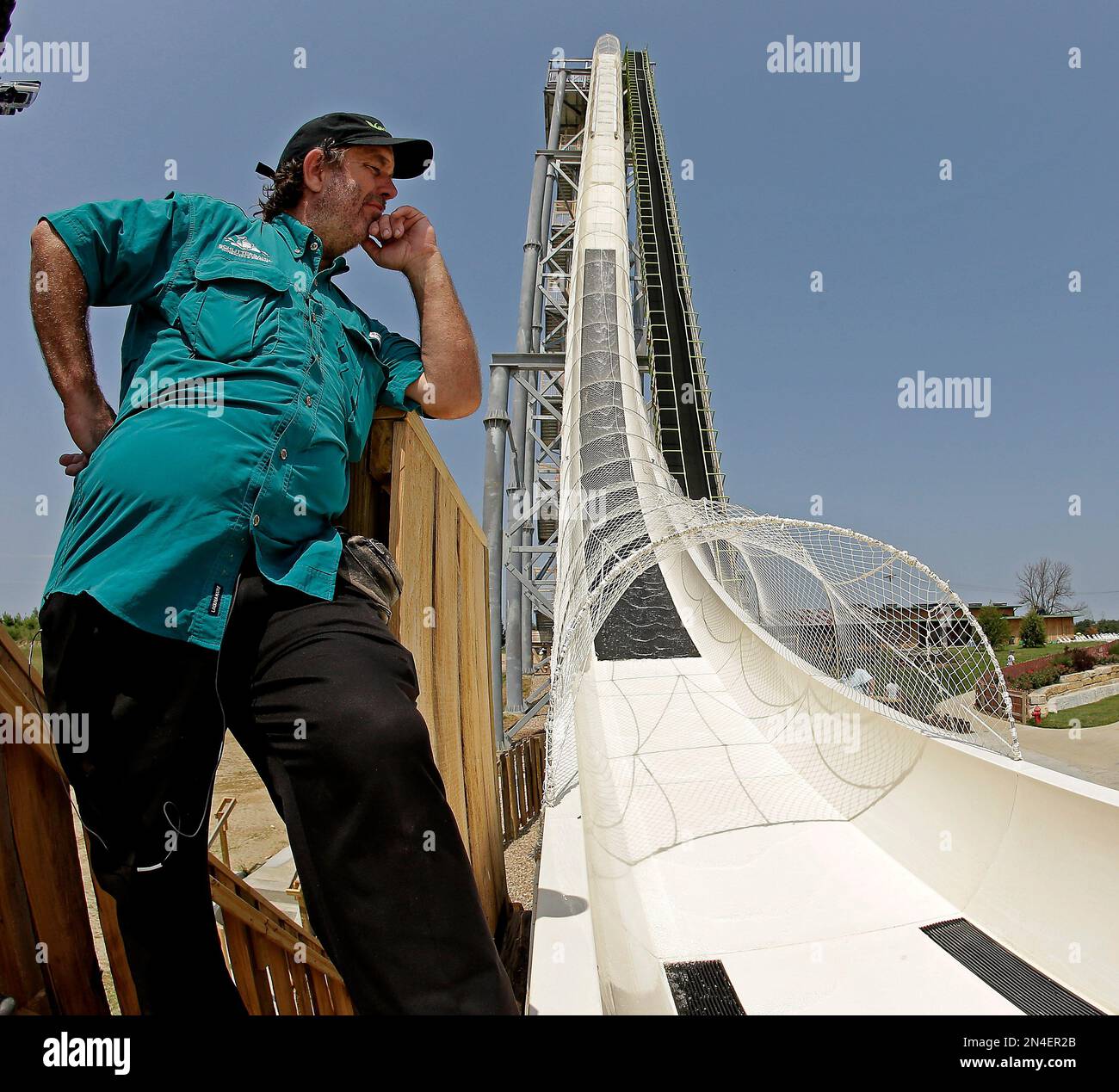
Determining the absolute tallest slide is frequently complicated by retired attractions. For instance, the infamous "Verruckt" at Schlitterbahn Kansas City held the world record at 168 feet until it was permanently closed following a fatal accident in 2016. Because of such incidents, the industry has undergone significant regulatory scrutiny, leading to stricter adherence to ASTM International standards (specifically the F24 committee on Amusement Rides and Devices).
Today, parks prioritize structural integrity and safety margins over pure, unchecked verticality. When verifying the "tallest" claims, industry experts and regulatory bodies rely on official blueprints and safety certifications provided by the manufacturers—such as ProSlide Technology or WhiteWater West—who engineer these complex steel frameworks to withstand wind loads, seismic activity, and the dynamic weight of thousands of daily riders.
Table: Comparison of Notable High-Elevation Water Attractions
| Attraction Name | Location | Height (Approx.) | Type |
|---|---|---|---|
| Daredevil Peak | Riviera Beach, FL | 125 ft | Multi-lane Mat Racer |
| Kilimanjaro | Various Parks* | ~110-125 ft | Gravity-fed Drop |
| Summit Plummet | Lake Buena Vista, FL | 120 ft | High-speed Speed Slide |
| Captain's Curse | Various Parks | ~100-110 ft | Enclosed Tube |
Note: Height measurements are provided based on standard operational tower elevation. Variations may exist due to local measurement standards or secondary support platforms.
Operational Requirements and Rider Safety
Accessing the tallest waterslides in the country is not merely a matter of admission; it involves strict safety compliance. Because these structures are subject to extreme forces, parks implement rigorous guest requirements.
Physical Prerequisites
- Height and Weight Restrictions: Almost all extreme slides require a minimum height—typically 48 inches—to ensure the rider fits correctly within the slide path. Maximum weight limits are also strictly enforced to prevent excessive velocity or structural strain.
- Health Advisories: These rides are generally contraindicated for guests with heart conditions, neck or back injuries, or those who are pregnant. The rapid acceleration and deceleration forces—often measured in G-force—can exacerbate underlying medical conditions.
- Swimming Proficiency: While most slides terminate in shallow splash pools or run-outs, basic water confidence is mandatory. Guests are often required to exit the splash zone immediately to accommodate the next rider.
The Role of Equipment
The equipment provided—typically high-friction mats or specialized tubes—is integral to the ride's safety profile. On mat-racer slides like Daredevil Peak, the mat serves as both a comfort layer and a deceleration tool. Riders are usually instructed to maintain a specific body position: hands inside the mat handles and legs crossed. Deviating from these instructions is the primary cause of minor friction burns or disorienting spills.
Managing Risk: Engineering and Oversight
The safety of a 125-foot structure relies on a combination of active and passive systems. Passive systems include the structural steel, which is calculated to distribute loads evenly across concrete foundations. Active systems include electronic sensors that prevent a new rider from being dispatched until the previous rider has cleared the splash zone.
If you are planning to visit a major water park in 2026, ensure you check the park’s official website for current maintenance schedules. Large structures require frequent structural inspections and specialized maintenance to verify that bolts, weld integrity, and water pump systems remain within manufacturer-specified tolerance ranges.
Common Misconceptions About "The Tallest"
A common error among visitors is conflating the "tallest" slide with the "fastest" slide. While height is a major factor in potential energy, the actual velocity a rider achieves depends on the slide's angle of descent, the coefficient of friction of the slide surface, and the volume of water flowing through the channel. A 100-foot slide with a steeper drop may provide a higher top speed than a 125-foot slide with a more gradual, curved descent.
Furthermore, do not rely on user-generated forum claims regarding ride height. Information in the public domain is often outdated or based on inaccurate estimates. Always refer to the official press releases or technical fact sheets released by the water park’s public relations department.
Frequently Asked Questions
1. Are there age restrictions for the tallest waterslides? Most parks define access by height rather than age. While there may be no strict "age limit," the physical requirements necessitate that a rider be tall enough to support themselves and understand safety instructions. Always check the specific signage at the base of the ride tower for the most current height requirements.
2. Is it safe to ride a 100+ foot slide? When operated according to manufacturer guidelines, these rides are statistically very safe. They are designed by professional engineers and inspected by state-certified authorities. The risk is minimized by strictly following the instructions provided by the ride attendants, who are trained to manage rider flow and verify safety compliance before every dispatch.
3. What happens if I get stuck in the slide? Modern slide design incorporates water-lubrication systems that keep the slide path frictionless. In the rare event of a stoppage, these slides are equipped with emergency exit hatches or attendant walkways. If you feel you are slowing down, never attempt to stand up; keep your body flat to maintain contact with the surface and wait for an attendant to provide instructions.
4. Do weather conditions affect operation? Yes. In 2026, lightning detection systems are standard at all major US water parks. If a lightning strike is detected within a certain radius, all tall, metallic structures—including waterslide towers—are closed immediately. High winds can also lead to temporary closures to ensure the stability and comfort of riders at the top of the tower.
5. How are the heights of these slides measured? Height is measured as the vertical distance from the pool level or the ride's lowest point to the highest elevation of the launch platform. This measurement is standardized by the ASTM F24 committee to ensure consistency across the amusement industry.
Final Recommendation
If you intend to experience the tallest waterslide in the US, prioritize preparation. Visit the park’s website at least 48 hours before your trip to confirm the ride is operational and to review the latest height and weight safety documentation. Arrive early in the day; the tallest attractions often feature the longest queues, and afternoon temperatures can increase the ambient strain of waiting in lines. When you reach the top of the structure, listen intently to the attendant—their instructions are the most important part of your experience.

Image Gallery
Select an image to open it in a new tab.
Simon Caldwell
Enterprise Technology and Systems Editor
