How to Study Nursing Online: Degrees, Accreditation, and Clinical Requirements in 2026

To study nursing online in 2026, you must enroll in a hybrid program that combines web-based didactic coursework with in-person clinical rotations. While theoretical subjects like pharmacology and ethics are delivered via digital platforms, hands-on clinical hours at approved healthcare facilities remain a mandatory requirement for licensure as a Registered Nurse (RN) or Licensed Practical Nurse (LPN).
Studying nursing online has evolved significantly by 2026, shifting from a niche alternative to a mainstream educational pathway. The integration of advanced simulation technologies and streamlined clinical placement services has made it possible for students to complete a large portion of their education remotely. However, the profession remains a high-touch field, and navigating the balance between digital convenience and physical competence is essential for success.
Understanding the Hybrid Nature of Online Nursing Education
The term "online nursing program" is slightly a misnomer for pre-licensure students. In 2026, there are no 100% online nursing degrees that lead to initial RN licensure. Because nursing involves physical interventions—such as administering injections, wound care, and patient assessment—regulatory bodies like State Boards of Nursing (BON) require a specific number of supervised clinical hours.
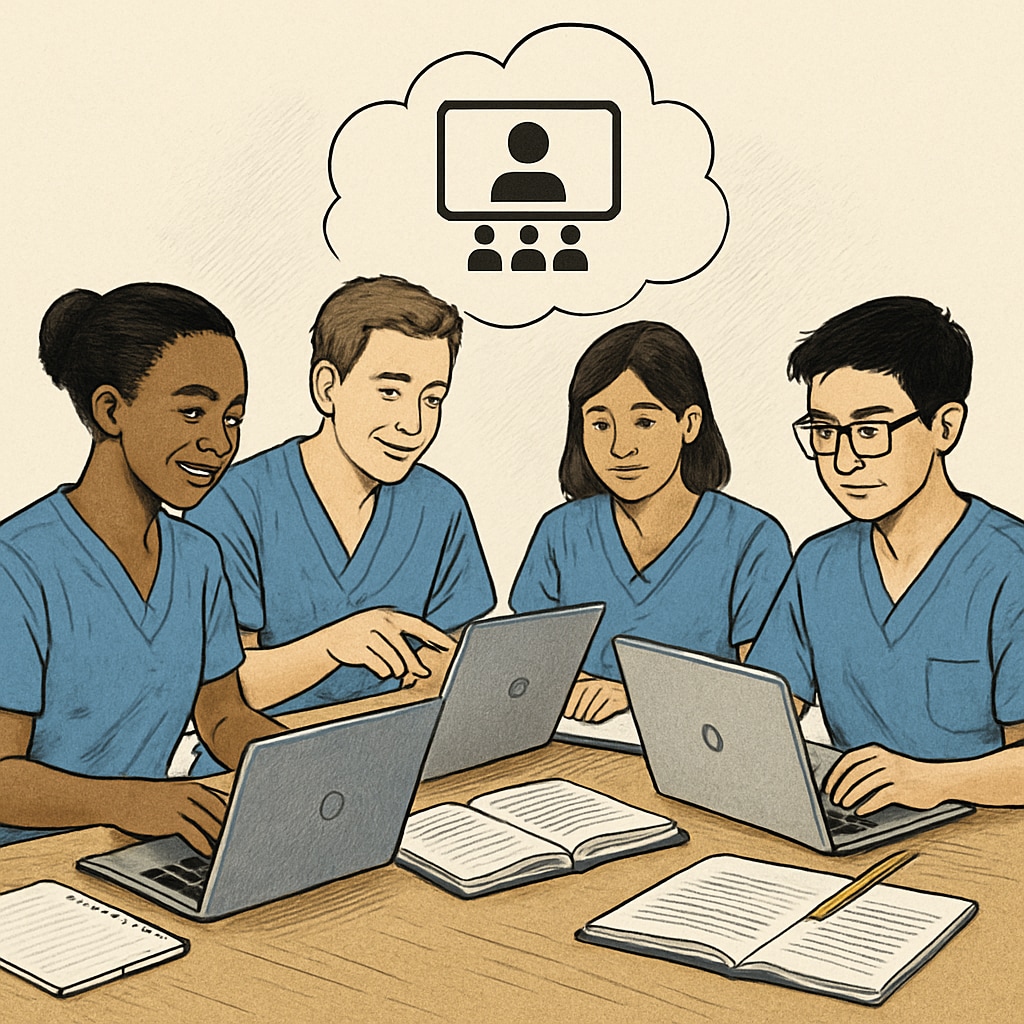
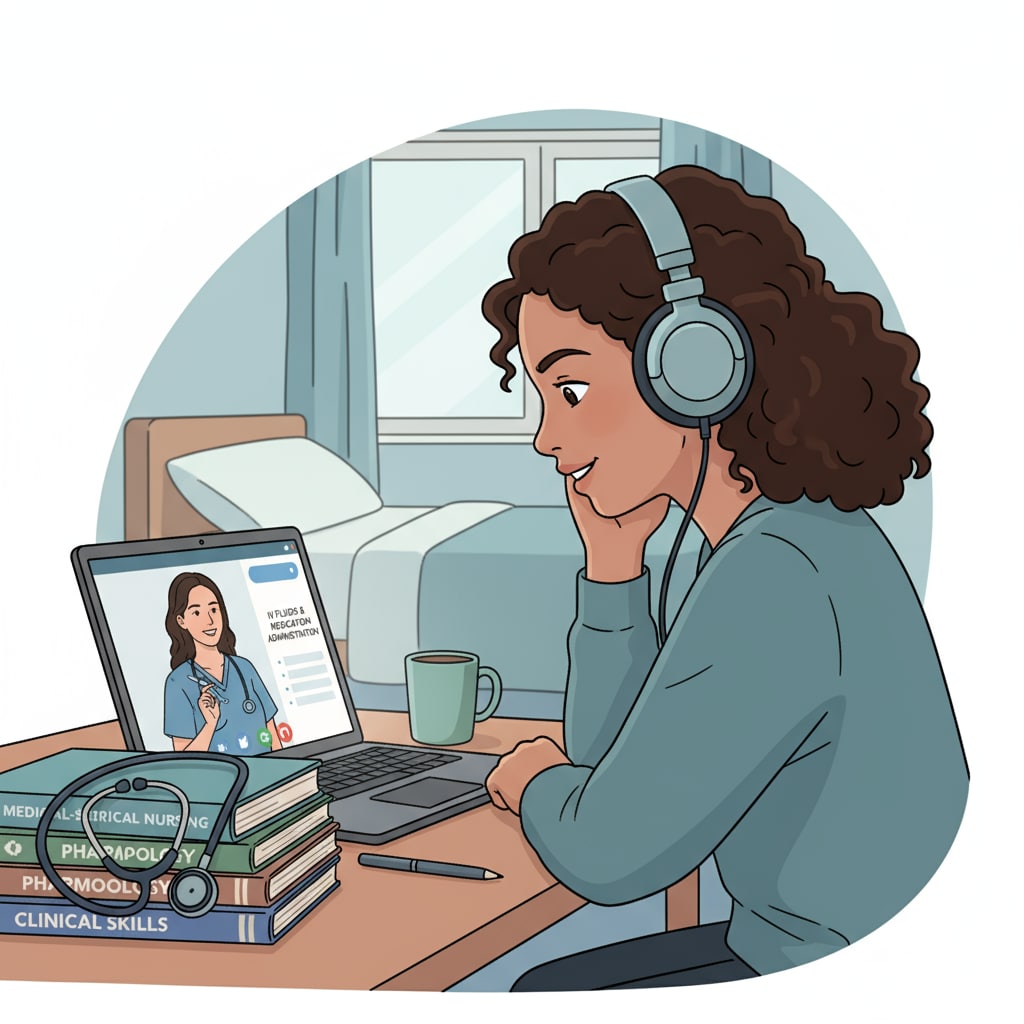
For students pursuing an Associate Degree in Nursing (ADN) or a Bachelor of Science in Nursing (BSN), the "online" component refers to the didactic curriculum. This includes lectures, readings, assignments, and exams. These are typically managed through a Learning Management System (LMS) like Canvas or Blackboard. Students participate in virtual simulations (vSims) to prepare for the "real-world" clinical rotations that take place at local hospitals, long-term care facilities, or clinics.
For those who are already nurses—such as RNs seeking a BSN (RN-to-BSN) or BSN holders seeking a Master of Science in Nursing (MSN)—the programs are often much closer to being fully online. These post-licensure programs focus on leadership, research, and specialized theory, which do not always require the same volume of bedside clinical hours as foundational programs.
Types of Online Nursing Programs Available in 2026
The appropriate online nursing program depends entirely on your current educational background and your ultimate career goals. The landscape in 2026 offers several distinct pathways.
Pre-Licensure Programs (For Non-Nurses)
If you do not currently hold a nursing license, you will look for one of two main options:
- Hybrid ADN or BSN: These are designed for students with no prior degree or nursing experience. You complete general education and nursing theory online while attending labs and clinicals in person.
- Accelerated BSN (ABSN): This is for individuals who already hold a bachelor’s degree in a non-nursing field. These programs are intensive, often taking 12 to 18 months, and many offer a hybrid format where only the clinical and lab portions require physical attendance.
Post-Licensure Programs (For Current Nurses)
- RN-to-BSN: This is the most common online nursing program. Since students are already practicing nurses, many schools allow them to complete the degree entirely online, sometimes using their current place of employment for any required project-based "clinical" hours.
- MSN and DNP: Master of Science in Nursing and Doctor of Nursing Practice programs allow for specialization in areas like Nurse Practitioner (NP), Education, or Informatics. While the theory is online, NP tracks still require extensive clinical practicums in a healthcare setting.
The Importance of Accreditation and State Board Approval
The most critical step in choosing an online nursing program is verifying its accreditation. Without proper accreditation, you may be ineligible for federal financial aid, your credits may not transfer to other institutions, and most importantly, you may not be allowed to sit for the NCLEX-RN (National Council Licensure Examination).
Primary Accrediting Bodies
In the United States, there are two main accrediting agencies for nursing education:
- Commission on Collegiate Nursing Education (CCNE): This body accredits BSN, MSN, and DNP programs. Most major universities hold CCNE accreditation.
- Accreditation Commission for Education in Nursing (ACEN): This body accredits all levels of nursing education, from certificates to doctoral degrees, and is the primary accreditor for many ADN and LPN programs.
State Board of Nursing (BON) Authorization
Because nursing is regulated at the state level, an online program based in one state must be authorized to operate in the state where you live. If you reside in California but enroll in an online program based in Florida, the Florida school must meet the requirements of the California Board of Registered Nursing. In 2026, most schools are part of the National Council of State Boards of Nursing (NCSBN) compact agreements, but you must double-check your state’s specific list of approved out-of-state programs before enrolling. For further information on state regulations, you can visit the NCSBN official site.
Technology Requirements for Online Nursing Students
To study nursing online effectively in 2026, your hardware and software must meet specific technical standards. Basic office-grade laptops are often insufficient for the high-resolution simulation software used in modern nursing curricula.
- Hardware: A modern computer with a high-speed processor (i7 or equivalent), at least 16GB of RAM, and a dedicated graphics card is recommended for running 3D anatomical models and virtual reality (VR) clinical simulations.
- Internet Stability: A reliable broadband connection is non-negotiable. Synchronous lectures and proctored online exams require low latency to prevent disconnection during high-stakes assessments.
- Peripherals: A high-definition webcam and noise-canceling microphone are necessary for participating in "Synchronous Virtual Classrooms" and telehealth role-playing exercises.
- Specialized Software: You will likely use platforms like ATI, HESI, or Shadow Health. These tools provide digital patient encounters where you can practice diagnosing and treating virtual patients in a risk-free environment.
The Clinical Placement Process
A major concern for online students is how they will complete their clinical hours. Different schools handle clinical placements in 2026 in various ways.
School-Arranged Placements
Some "online-first" universities have national partnerships with major healthcare systems (e.g., HCA Healthcare, Mayo Clinic, or Ascension). These schools will find a clinical site for you within a reasonable distance of your zip code. This is the most convenient option but often comes with higher tuition costs.
Student-Lead Placements (Preceptorships)
Other programs require the student to find their own "preceptor"—a licensed nurse who agrees to supervise their clinical hours. While this provides more flexibility, it can be extremely challenging for students who do not already have professional connections in the healthcare industry. If you choose a program that requires you to find your own placement, ensure you start this process at least six months before your clinical rotations begin.
Comparison of Online Nursing Pathways in 2026
The following table compares the most common online nursing pathways to help you determine which fits your current career stage.
| Program Type | Target Student | Duration | Clinical Requirement | Primary Focus |
|---|---|---|---|---|
| Hybrid ADN | High school grads / Career changers | 2 Years | Extensive (Local) | Foundational clinical skills and NCLEX prep |
| Hybrid ABSN | Holders of non-nursing Bachelor's | 12-18 Months | Intensive (Local) | Fast-track nursing theory and practice |
| Online RN-to-BSN | Currently licensed RNs (with ADN) | 12 Months | Minimal / Project-based | Leadership, public health, and research |
| Online MSN | BSN-prepared RNs | 2-3 Years | Extensive (Specialty-based) | Advanced practice (e.g., Nurse Practitioner) |
| Online DNP | MSN or BSN holders | 3-4 Years | Residency / Practicum | Clinical leadership and evidence-based practice |
Admissions Requirements and Prerequisites
Entering an online nursing program is competitive. In 2026, schools continue to see a high volume of applicants, leading to stringent entry requirements.
Academic Prerequisites
Before starting core nursing courses, you must complete several "Science and Humanities" prerequisites. These are often available online as well. Common requirements include:
- Anatomy & Physiology I & II (with labs)
- Microbiology (with lab)
- Chemistry (General or Organic)
- Human Growth and Development
- Statistics
- Nutrition
Entrance Exams
Most programs require a passing score on a standardized entrance exam. The two most common are the TEAS (Test of Essential Academic Skills) and the HESI A2. These exams test your proficiency in reading, math, science, and English usage. In 2026, many online programs offer these exams via remote proctoring services.
Background Checks and Compliance
Because you will eventually be working with vulnerable populations, you must pass a criminal background check, drug screening, and provide proof of immunizations. This process is usually handled by third-party compliance companies like CastleBranch or American DataBank.
Costs and Financial Aid for Online Nursing
The cost of studying nursing online varies widely based on the institution's type (public vs. private) and the degree level. As of 2026, tuition generally ranges from $300 to $1,200 per credit hour.
- Public Universities: Often offer the lowest rates, especially for in-state residents. Some have "e-tuition" rates that are the same regardless of your physical location.
- Private Non-Profit Schools: Usually more expensive but may offer more robust clinical placement support.
- For-Profit Institutions: Be cautious with these; ensure they have the necessary regional and programmatic accreditation (CCNE/ACEN) before committing.
Financial Aid Options
Nursing students have access to several unique financial aid opportunities:
- HRSA Scholarships & Loans: The Health Resources and Services Administration offers programs like the "Nurse Corps Scholarship Program" which pays tuition in exchange for a commitment to work in a high-need area. For details, visit the HRSA official site.
- FAFSA: Online students at accredited schools are eligible for federal Pell Grants and Stafford Loans.
- Employer Tuition Reimbursement: Many hospitals will pay for current employees to pursue their BSN or MSN online.
Pros and Cons of Online Nursing Education
Choosing to study nursing online involves significant trade-offs. It is not the right choice for every learner.
The Advantages
- Flexibility: You can often review lectures and complete coursework at times that fit your work or family schedule.
- Geographic Accessibility: You can attend a top-tier university located in another state without the cost of relocating.
- Self-Paced Learning: Many online programs allow you to move faster through material you understand and spend more time on difficult concepts.
The Challenges
- Isolation: You miss out on the immediate camaraderie of a physical cohort. Nursing is a team-based profession, and online students must work harder to build professional networks.
- Clinical Logistics: Traveling to clinical sites can be burdensome if you live far from the school's partner facilities.
- Self-Discipline: Nursing school is notoriously difficult. Without a set class time, it is easy to fall behind on the massive amount of required reading and practice questions.
Common Mistakes to Avoid
- Ignoring State Board Rules: Just because a school is accredited doesn't mean it satisfies your specific state's requirements for licensure. Always verify with your state BON.
- Underestimating the Workload: Online does not mean "easy." The curriculum is identical to on-campus programs, often requiring 30-40 hours of study per week.
- Waiting Too Long for Clinical Clearances: Immunizations and background checks can take weeks or months. Missing a deadline can delay your graduation by an entire semester.
- Neglecting the "Hands-on" Practice: Even if you learn the theory online, you must practice your physical skills (like blood pressure or sterile field prep) at home using kits provided by the school.
Frequently Asked Questions
Can I become a Registered Nurse (RN) entirely online?
No. While you can complete the majority of your classroom learning online, every state in the U.S. requires a significant number of in-person clinical hours in a hospital or healthcare setting to qualify for an RN license.
Are online nursing degrees respected by employers?
Yes, provided the degree is from a CCNE or ACEN accredited institution. In 2026, healthcare employers prioritize your clinical experience and your success on the NCLEX-RN over whether your anatomy class was taken online or in a physical classroom.
Is the NCLEX exam taken online?
No. The NCLEX-RN and NCLEX-PN are administered in person at authorized Pearson VUE testing centers. While you can study and take practice exams online, the actual licensure exam is strictly proctored in a physical facility to ensure security and integrity. Information on testing can be found at Pearson VUE.
How do I handle lab work in an online program?
Most hybrid programs use a combination of virtual labs (VR simulations) and "intensive" weekend sessions. In an intensive, you may travel to the campus or a regional hub for 2-3 days of concentrated, hands-on lab work to master physical skills before starting clinicals.
Can I work full-time while studying nursing online?
It is possible, particularly in RN-to-BSN or MSN programs. However, for pre-licensure BSN or ADN programs, working full-time is extremely difficult due to the rigorous study requirements and the unpredictable schedule of clinical rotations, which may require 12-hour shifts on weekdays or weekends.
Final Recommendations for Aspiring Online Students
If you are planning to study nursing online in 2026, your first action should be to contact your State Board of Nursing to confirm which out-of-state online programs they accept for licensure. Once you have a list of approved schools, prioritize those with CCNE or ACEN accreditation and a high NCLEX pass rate (ideally above 85%).
Begin your journey by completing as many prerequisites as possible at a local community college to save on tuition, and ensure your home technology meets the high standards required for modern virtual simulations. Online nursing is a demanding but rewarding path that requires a unique blend of digital literacy and physical compassion.
Image Gallery
Select an image to open it in a new tab.

Celine Dubois
Contemporary Living and Global Arts Columnist
