
Stomach cancer treatment typically involves a combination of surgery, chemotherapy, and radiation therapy, often tailored through biomarker testing for targeted or immunotherapy. The specific plan depends on the cancer stage, location, and genetic profile, ranging from endoscopic resection for early-stage cases to systemic therapies for advanced or metastatic disease.
The landscape of gastric cancer care has evolved significantly leading into 2026, moving away from a "one-size-fits-all" approach toward highly personalized medicine. Because stomach cancer (gastric cancer) often presents with vague symptoms, many patients are diagnosed at more advanced stages, requiring a multidisciplinary team of surgeons, oncologists, and gastroenterologists to coordinate complex care. Successful outcomes depend heavily on accurate staging and the identification of specific molecular markers that dictate which drugs will be most effective.
The Importance of Accurate Staging and Biomarker Testing
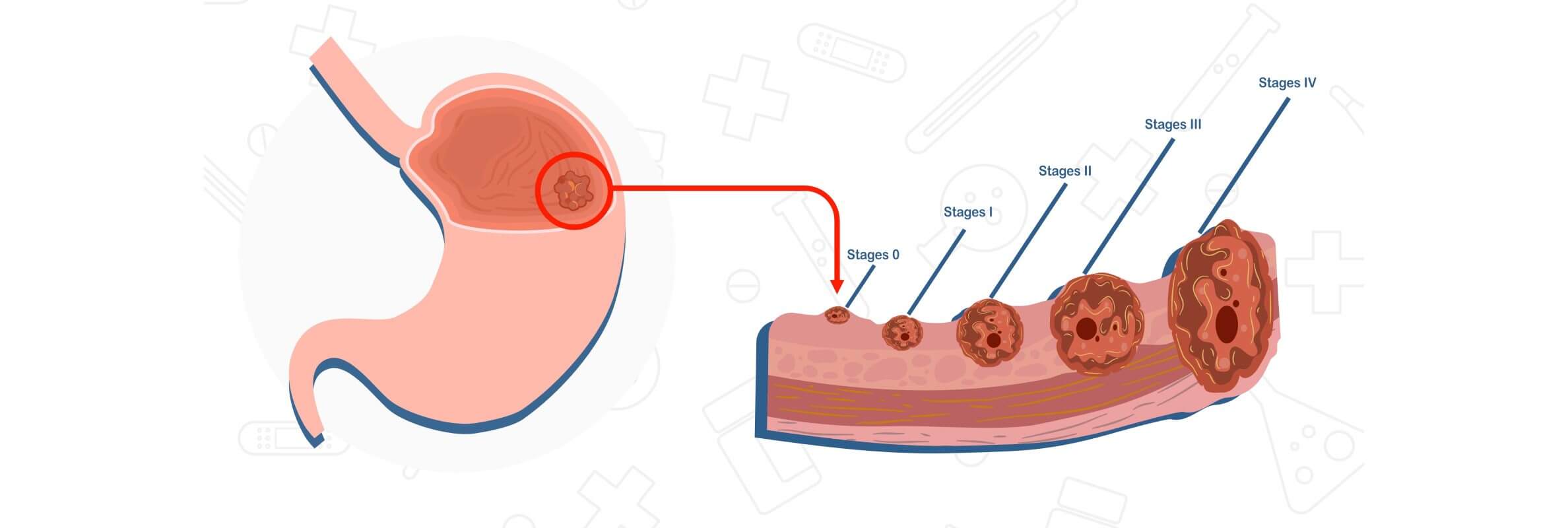
Before selecting a treatment path, a comprehensive diagnostic workup is mandatory. In 2026, the standard of care begins with a combination of endoscopic ultrasound (EUS), high-resolution CT scans, and often a PET scan to determine the extent of the disease. Staging is usually documented using the TNM system (Tumor, Node, Metastasis), which describes the depth of tumor penetration into the stomach wall and whether it has reached nearby lymph nodes or distant organs.
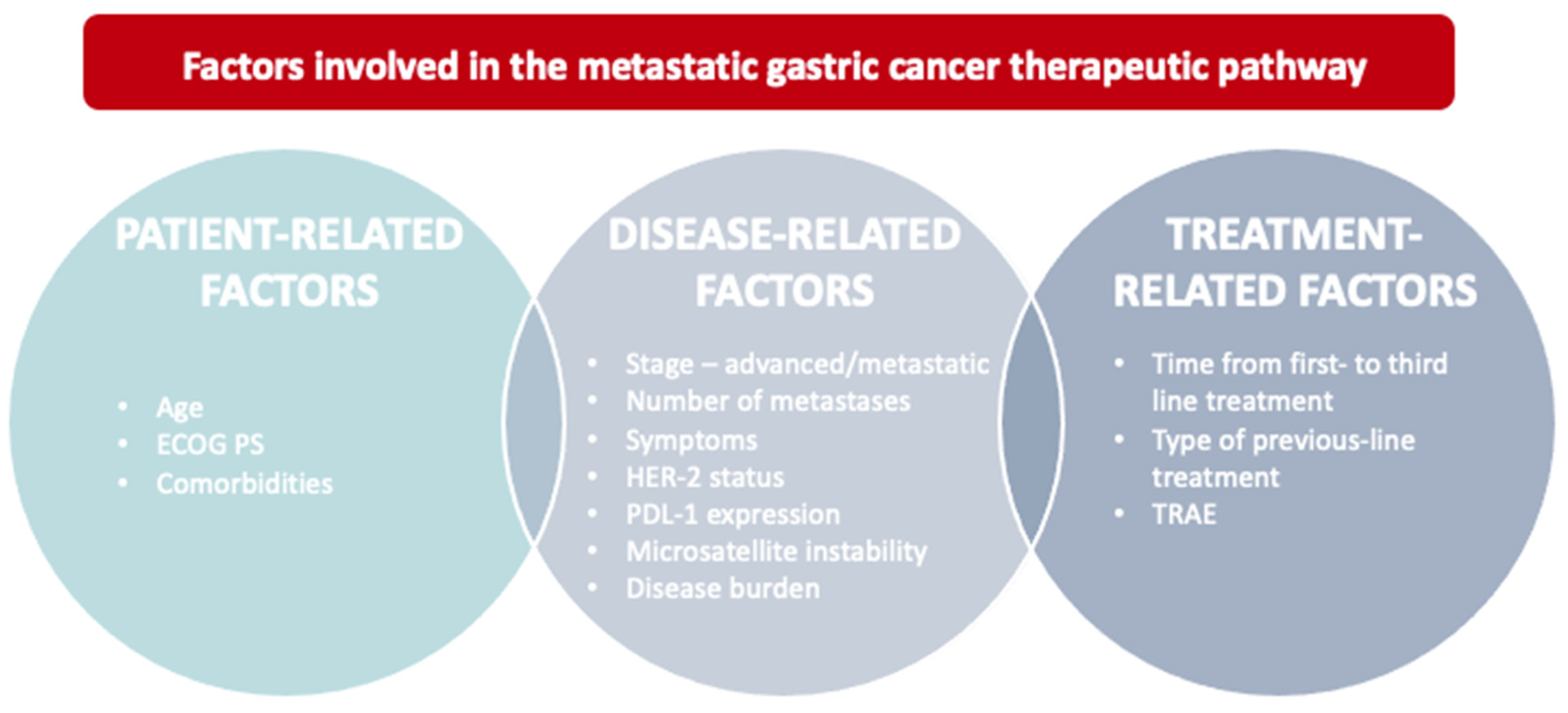
A critical shift in recent years is the mandatory role of biomarker testing at the time of diagnosis. Unlike traditional methods that relied solely on physical staging, modern oncology uses the molecular "fingerprint" of the tumor to select therapies. Key biomarkers include:
- HER2 Status: Approximately 15–20% of gastric cancers overexpress the HER2 protein.
- PD-L1 Expression: Measured via the Combined Positive Score (CPS), this determines the likely response to immunotherapy.
- MSI/dMMR: Microsatellite Instability-High or mismatch repair deficiency helps identify tumors that are highly sensitive to immune checkpoint inhibitors.
- Claudin 18.2: An emerging marker that has become a vital target for new monoclonal antibodies in 2026.
Understanding these markers allows clinicians to bypass treatments that are unlikely to work, sparing patients unnecessary side effects and focusing on the most potent options available.
Surgical Options for Stomach Cancer
Surgery remains the primary curative intent treatment for localized stomach cancer. The goal is to remove the entire tumor along with a margin of healthy tissue and nearby lymph nodes.
Endoscopic Resection
For very early-stage cancers (Stage 0 or IA) that are confined to the inner lining (mucosa) of the stomach, Endoscopic Mucosal Resection (EMR) or Endoscopic Submucosal Dissection (ESD) may be possible. These procedures are performed through an endoscope passed down the throat, requiring no external incisions. While highly effective for superficial tumors, they require extreme precision to ensure no cancerous cells are left behind in the deeper layers of the stomach wall.
Gastrectomy
If the cancer has invaded deeper layers, a gastrectomy is required. There are two main types:
- Subtotal (Partial) Gastrectomy: Used when the cancer is in the lower part of the stomach. The surgeon removes only the affected portion, along with part of the esophagus or small intestine if necessary.
- Total Gastrectomy: Necessary when the cancer is in the middle or upper part of the stomach, or if it has spread throughout the organ. The entire stomach is removed, and the esophagus is connected directly to the small intestine.
In 2026, many of these surgeries are performed using robotic-assisted laparoscopy. This minimally invasive approach typically results in less postoperative pain, shorter hospital stays, and a faster return to normal activity compared to traditional open surgery.
Lymph Node Dissection
The extent of lymph node removal is a significant factor in long-term survival. The D2 lymphadenectomy—which involves removing a wider circle of lymph nodes around the stomach—is the global standard for curative surgery. Research has consistently shown that more extensive node removal reduces the risk of local recurrence, though it requires a high level of surgical expertise to minimize complications.

Systemic Therapies: Chemotherapy and Targeted Drugs
Systemic therapy refers to medication that travels through the bloodstream to reach cancer cells throughout the body. In 2026, this is rarely limited to traditional chemotherapy alone.
Perioperative and Adjuvant Chemotherapy
For patients with resectable (operable) stomach cancer, chemotherapy is often given both before surgery (neoadjuvant) and after surgery (adjuvant). The FLOT regimen (a combination of Fluorouracil, Leucovorin, Oxaliplatin, and Docetaxel) remains a cornerstone for fit patients. Administering chemotherapy before surgery helps shrink the tumor, making it easier to remove, and begins treating microscopic disease that might have spread beyond the primary site.
Targeted Therapy
Targeted therapies focus on specific proteins or gene mutations that help cancer cells grow.
- Trastuzumab: Used specifically for HER2-positive cancers, often in combination with chemotherapy.
- Ramucirumab: An anti-angiogenesis drug that works by "starving" the tumor of the blood supply it needs to grow, typically used in the second-line setting.
- Zolbetuximab: By 2026, this has become a standard treatment for patients whose tumors express the Claudin 18.2 protein, providing a new avenue for those who previously had limited options.
Immunotherapy
Immunotherapy leverages the body’s own immune system to fight cancer. Checkpoint inhibitors like Pembrolizumab and Nivolumab have revolutionized the treatment of advanced gastric cancer. These drugs are particularly effective in patients with high PD-L1 expression or MSI-H status. In 2026, immunotherapy is frequently integrated into first-line treatment plans alongside chemotherapy to improve overall survival rates.
Radiation Therapy in Gastric Cancer
Radiation therapy uses high-energy beams to kill cancer cells and is generally used in two contexts for stomach cancer:
- Adjuvant Treatment: Used after surgery, often in combination with chemotherapy (chemoradiation), to destroy any remaining microscopic cancer cells and reduce the risk of the cancer returning in the original area.
- Palliative Treatment: In advanced cases where surgery is not possible, radiation can be used to shrink a tumor that is causing pain, bleeding, or a blockage (obstruction) in the stomach.
Modern techniques like Intensity-Modulated Radiation Therapy (IMRT) allow doctors to target the stomach more precisely while sparing nearby organs like the liver, kidneys, and spinal cord from unnecessary radiation exposure.
Summary of Treatment Approaches by Stage
The following table outlines the standard treatment pathways as of 2026 for various stages of stomach cancer.
| Cancer Stage | Primary Goal | Common Treatment Modalities |
|---|---|---|
| Stage 0 / IA | Curative | Endoscopic Resection (EMR/ESD) or limited surgery. |
| Stage IB - III | Curative | Perioperative Chemotherapy (FLOT) + Gastrectomy + Lymph node dissection. |
| Stage IV (Metastatic) | Management/Palliative | Systemic Therapy (Chemo + Immunotherapy + Targeted Therapy). |
| Recurrent | Management | Second-line chemotherapy, clinical trials, or palliative radiation. |
Supportive and Palliative Care
It is a common misconception that palliative care is only for the end of life. In 2026, early palliative involvement is a hallmark of high-quality oncology. For stomach cancer patients, this includes:
- Nutritional Support: Since the stomach's capacity is reduced or removed, patients often require specialized diets, Vitamin B12 injections, and small, frequent meals to prevent "dumping syndrome" and malnutrition.
- Stent Placement: If a tumor blocks the passage of food, a metal stent can be placed endoscopically to keep the esophagus or stomach open.
- Pain Management: Utilizing a combination of nerve blocks and medication to ensure the patient remains comfortable throughout treatment.
Common Challenges and Side Effect Management
Stomach cancer treatments are intensive and can significantly impact a patient’s quality of life. Chemotherapy often causes fatigue, nausea, and peripheral neuropathy (numbness in hands and feet). Surgery requires a permanent change in eating habits.
To manage these, 2026 protocols emphasize proactive symptom management. This includes the use of highly effective anti-nausea medications (NK1 receptor antagonists) and the integration of oncology-specific dietitians into the core treatment team. Physical therapy is also recommended to combat the muscle loss and fatigue associated with systemic treatments.
Frequently Asked Questions
Can stomach cancer be cured without surgery?
In almost all cases where the goal is a permanent cure, surgery is a necessary component. The exception is very early-stage (Stage 0) disease that can be completely removed via endoscopic resection. For more advanced stages, chemotherapy and radiation are used to support surgery, not usually to replace it.
What is the survival rate for Stage 4 stomach cancer in 2026?
While Stage 4 remains a very serious diagnosis, survival rates have improved due to the introduction of immunotherapy and targeted drugs like Claudin 18.2 inhibitors. Many patients now live significantly longer with a better quality of life than they did a decade ago, with some maintaining stable disease for several years on maintenance therapy.
How does a total gastrectomy affect eating?
After a total gastrectomy, the small intestine is connected directly to the esophagus. Initially, patients must consume liquid or pureed foods. Over time, the body adjusts, and patients can eat most solid foods but in much smaller, more frequent portions (6–8 meals a day). Because the stomach no longer produces "intrinsic factor," lifelong Vitamin B12 supplementation is required.
Is immunotherapy right for every stomach cancer patient?
No. Immunotherapy is most effective in tumors that express certain markers, such as a high PD-L1 CPS score or MSI-H status. Doctors use biomarker testing to determine if a patient is likely to benefit. For those who do not have these markers, targeted therapies or traditional chemotherapy remain the standard of care.
What are the benefits of D2 lymph node dissection?
A D2 dissection involves removing the lymph nodes along the major blood vessels supplying the stomach. It is more technically demanding than a D1 dissection but is associated with a lower rate of cancer recurrence. It is the recommended standard in 2026 for any surgery with curative intent.
Practical Next Steps for Patients
If you or a loved one has been diagnosed with stomach cancer, the first step is to ensure that a multidisciplinary tumor board reviews the case. This is a meeting where various specialists discuss the best possible combination of treatments.
Always ask your oncologist for a biomarker profile (HER2, PD-L1, MSI, and Claudin 18.2) before starting any systemic therapy. If the cancer is advanced, inquire about available clinical trials, as these provide access to the next generation of therapies that may not yet be available to the general public. Finally, request a consultation with an oncology dietitian early in the process to prepare for the nutritional changes that come with gastric surgery.
For more information on current guidelines, you can visit the National Cancer Institute (NCI) or the National Comprehensive Cancer Network (NCCN).
Image Gallery
Select an image to open it in a new tab.



Akira Tanaka
International Academic Trends Correspondent
