
Traveling from South Station in Boston to New York City offers a variety of reliable options, ranging from high-speed rail to budget-friendly bus services. For the fastest transit, the Amtrak Acela takes approximately 3 hours and 40 minutes, while the Northeast Regional and various intercity buses provide more economical alternatives with travel times between 4 and 5 hours.
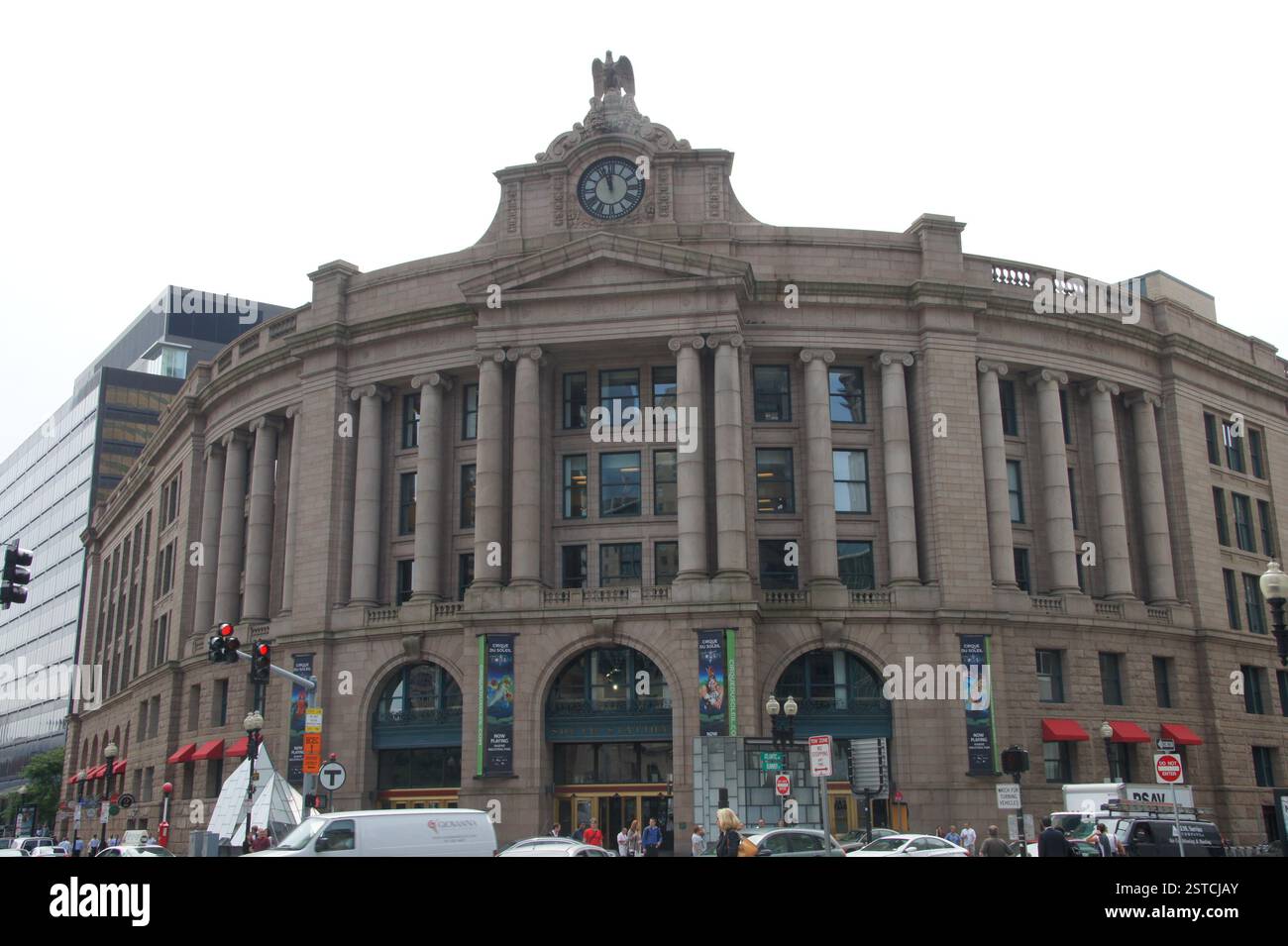
South Station serves as the primary transportation gateway for New England, acting as a massive multi-modal hub that connects the Massachusetts Bay Transportation Authority (MBTA) subway and commuter rail with national rail and bus networks. Whether you are a business professional requiring the reliability of a high-speed train or a budget-conscious traveler looking for the lowest fare, understanding the nuances of these transit modes is essential for a seamless journey to the Big Apple in 2026.
Amtrak: The Premier Rail Experience
Amtrak is the dominant rail provider operating out of South Station’s main concourse. In 2026, the rail experience remains the most comfortable and predictable way to reach Manhattan, primarily arriving at the Moynihan Train Hall at Penn Station.
The Acela: High-Speed Efficiency
The Acela represents the pinnacle of North American rail travel. By 2026, the full implementation of the newer Avelia Liberty trainsets has enhanced the passenger experience with increased capacity and smoother ride quality. The Acela is a premium-only service, offering Business Class and First Class seating.
The primary advantage of the Acela is its speed. Because it has fewer stops—typically calling only at Back Bay, Route 128, Providence, New Haven, and Stamford before reaching New York—it shaves significant time off the journey. Business travelers often prefer this option because it offers stable Wi-Fi, large tray tables, and a dedicated "Quiet Car" for those needing to focus.
The Northeast Regional: Balance of Cost and Comfort
The Northeast Regional is the workhorse of the Boston-to-NYC corridor. While it makes more frequent stops than the Acela, it remains a highly efficient way to travel. The Regional offers Coach and Business Class. Coach seats are significantly more spacious than those found on commercial airlines or intercity buses, featuring ample legroom and the ability to walk to the Cafe Car.
One of the most significant benefits of the Northeast Regional is the flexibility in pricing. While the Acela remains at a higher price point, the Regional uses a dynamic pricing model where booking several weeks in advance can yield "Value" or "Saver" fares that are competitive with bus prices.
Amenities and Onboard Life
Regardless of the train type, Amtrak provides amenities that surpass other modes of transit:
- Power Outlets: Every seat is equipped with individual 120V power outlets.
- Dining: The Cafe Car offers a selection of sandwiches, snacks, and beverages (including alcohol). First Class passengers on the Acela receive complimentary at-seat meal service.
- Luggage: Amtrak has a generous luggage policy, allowing two carry-on bags and two personal items for free. Checked baggage is generally not available on the Boston-to-NYC segment, but the overhead racks are large enough for full-sized suitcases.
The South Station Bus Terminal: Affordable Transit
Located directly adjacent to the rail tracks and connected via a pedestrian bridge on the second level, the South Station Bus Terminal is the departure point for several major carriers. This is the most cost-effective way to travel, though it is subject to the unpredictability of traffic on I-95 and I-90.
Major Carriers and Service Levels
In 2026, the landscape of bus travel continues to be defined by a few major players:
- Peter Pan Bus Lines: A regional favorite, Peter Pan offers frequent service with modern coaches equipped with Wi-Fi and power outlets. They often provide "Express" services that bypass smaller Connecticut towns to reach NYC faster.
- Greyhound: As a national carrier, Greyhound offers multiple daily departures. Since its integration with the FlixBus platform, booking and tracking have become more streamlined via a unified mobile app.
- FlixBus: Known for its bright green coaches, FlixBus provides a tech-forward experience. Their pricing is often the most aggressive, making them the top choice for students and budget travelers.
- OurBus: Operating as a tech-integrated platform, OurBus often utilizes luxury charter coaches. They are known for having slightly more legroom and a more "curated" boarding experience, though their schedules may be less frequent than Peter Pan or Greyhound.
The Realities of Bus Travel
While the bus is the most affordable option—often half the price of a Regional train—passengers must account for potential delays. The trip typically takes 4 hours and 15 minutes under ideal conditions, but heavy traffic in Fairfield County, Connecticut, or near the George Washington Bridge can easily extend the trip to 5 or 6 hours. Most buses arrive at the Port Authority Bus Terminal in Midtown Manhattan, though some "curbside" carriers may drop off near Hudson Yards or the East Side.

Driving from South Station to New York City
If you prefer the autonomy of a personal vehicle, there are car rental facilities located within a short walk of South Station, particularly in the Seaport District and near the Financial District.
The Two Primary Routes
- The Coastal Route (I-95): This is the most direct route geographically. It takes you through Providence and along the Connecticut shoreline. However, it is notorious for congestion, particularly through New Haven, Bridgeport, and Stamford.
- The Inland Route (I-90 to I-84 to I-684): Often preferred by experienced drivers, this route takes the Mass Pike west to Sturbridge, then heads south through Hartford. While it adds a few miles, it often avoids the heavy coastal traffic and can be faster during peak Friday afternoon windows.
Parking and Logistics
Driving into Manhattan remains a logistical challenge in 2026. With the continued evolution of congestion pricing in Lower Manhattan, drivers should be prepared for additional tolls upon entering the city south of 60th Street. Parking in NYC is notoriously expensive, often costing between $50 and $80 per day in secured garages. Unless you require a car for multiple stops outside the city, rail or bus is generally recommended.
Comparison of Travel Modes (2026 Data)
The following table summarizes the key metrics for the most common travel options from South Station to New York City.
| Feature | Amtrak Acela | Amtrak Northeast Regional | Intercity Bus (Peter Pan/Greyhound) | Personal Vehicle / Rental |
|---|---|---|---|---|
| Average Duration | 3h 40m | 4h 10m | 4h 30m - 5h 30m | 3h 45m - 5h 00m |
| Typical Cost (One-Way) | $160 - $320 | $55 - $160 | $25 - $65 | $40 (Gas/Tolls) + Parking |
| Primary NYC Arrival | Moynihan Train Hall | Moynihan Train Hall | Port Authority Bus Terminal | Flexible |
| Wi-Fi Availability | High-Speed (Included) | Standard (Included) | Variable (Included) | None (Mobile Data) |
| Comfort Level | Excellent (Spacious) | Good (Spacious) | Moderate (Standard Bus) | High (Private) |
| Frequency | Hourly | Every 1-2 Hours | Every 30-60 Minutes | N/A |
Navigating South Station: Tips for a Smooth Departure
South Station is a busy environment, and knowing where to go can save you from a last-minute sprint.
The Rail Concourse
The main hall is where you will find the Amtrak ticket windows, the Metropolitan Lounge (for Acela First Class and high-tier rewards members), and the departure boards. Unlike airports, Amtrak does not require you to go through a security checkpoint, but you should arrive at least 20 minutes before departure. Boarding usually begins 10 to 15 minutes before the train leaves. The tracks are clearly numbered 1 through 13.
The Bus Terminal
To reach the bus terminal from the train station, look for the elevators or stairs near Track 1. You will walk through a glass-enclosed bridge over the tracks. The bus terminal has its own waiting area, food court, and digital displays showing gate assignments. Gates are located on the third level. It is vital to check your gate number frequently, as they can change shortly before departure.
Accessibility
South Station is fully ADA-compliant. There are elevators serving all levels of the bus terminal and the train platforms. Amtrak provides "Red Cap" service—uniformed porters who can help passengers with luggage and provide early boarding assistance via motorized carts. This service is free, though tipping is customary.
Frequently Asked Questions
Which is better: Amtrak or the bus for Boston to NYC?
The choice depends on your priorities. Amtrak is significantly more comfortable, offers better Wi-Fi, and is not affected by highway traffic, making it the better choice for business or time-sensitive travel. The bus is the superior choice for budget-conscious travelers, often costing a fraction of the rail fare, especially for last-minute bookings.
How far in advance should I book my ticket from South Station?
For Amtrak, it is highly recommended to book at least 14 to 21 days in advance to secure "Value" fares. For buses, booking 3 to 7 days in advance is usually sufficient to get the best price, though holiday weekends require much earlier planning.
Is there a luggage limit on the trains and buses?
Amtrak allows two large carry-on bags plus two personal items, which is ample for most travelers. Most bus lines allow one bag under the bus and one small carry-on. If you have excessive luggage, Amtrak is generally more accommodating and easier to navigate.
What is the best way to get to South Station within Boston?
The MBTA Red Line and Silver Line both stop directly at South Station. If you are coming from the suburbs, many Commuter Rail lines terminate here. For those using ride-share services like Uber or Lyft, there is a designated drop-off area on Atlantic Avenue directly in front of the station.
Does Amtrak Acela really save that much time?
The Acela saves approximately 30 to 45 minutes compared to the Northeast Regional. While the time saving might seem modest, the real value lies in the increased frequency of departures and the premium onboard environment, which is designed for productivity.
Final Recommendation
For the most reliable and stress-free journey from South Station to New York City, Amtrak’s Northeast Regional remains the best overall value for most travelers, offering a blend of speed, comfort, and moderate pricing. However, if your schedule is flexible and your primary goal is to minimize costs, the express bus services from the South Station Bus Terminal provide a perfectly adequate alternative for a sub-$40 fare. To ensure the best experience, always download the respective carrier's app to receive real-time gate changes and delay notifications.
Image Gallery
Select an image to open it in a new tab.


Mateo Castillo
Decentralized Finance and E-Payments Strategist
