Rick Springfield on General Hospital: The Intersection of Music and Daytime Drama Explained

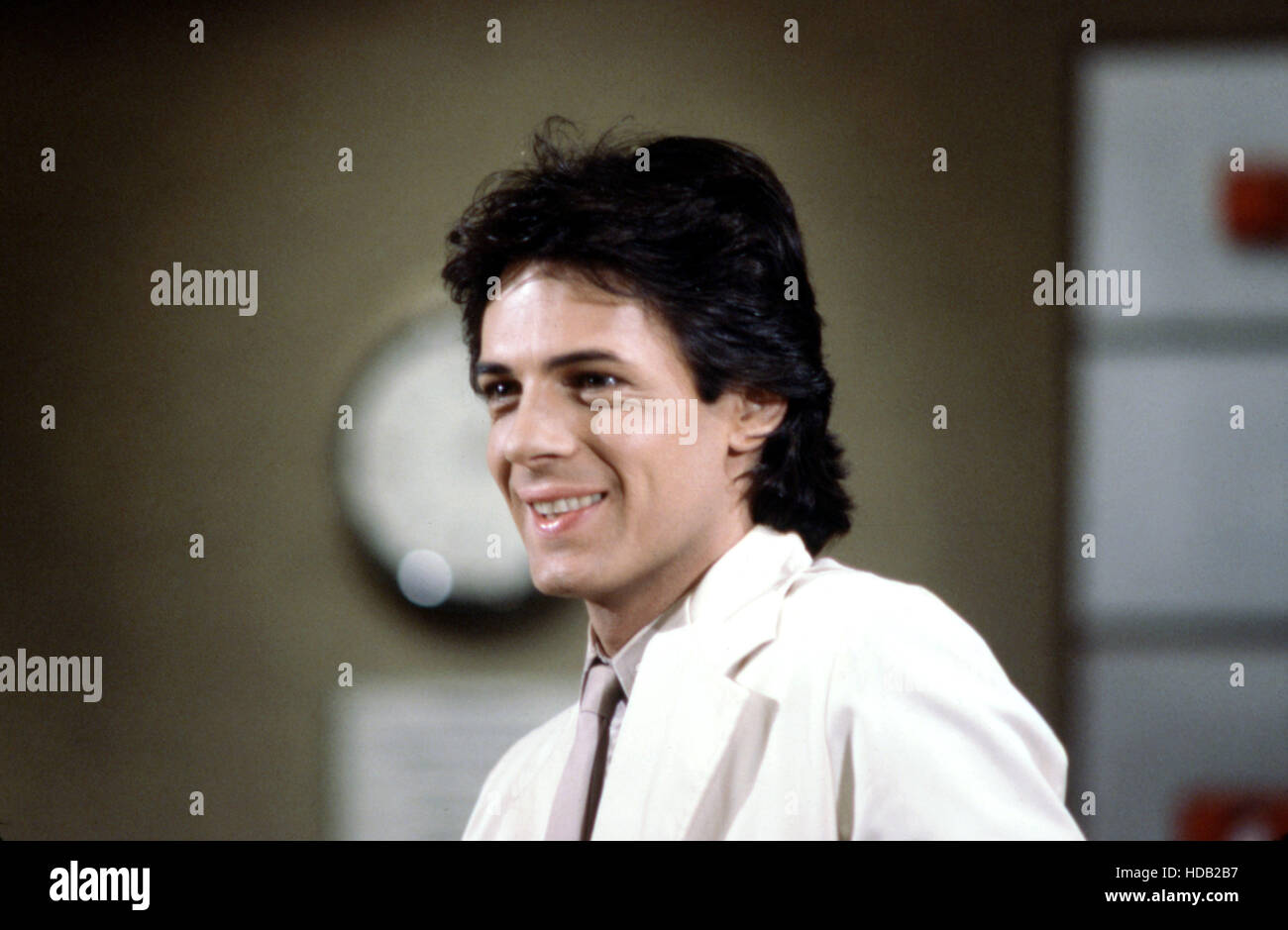
Rick Springfield’s tenure on the long-running ABC soap opera General Hospital remains one of the most successful examples of a musician transitioning into a daytime television icon. His portrayal of Dr. Noah Drake, which began in 1981 and spanned intermittently until 2013, effectively blurred the lines between his real-world music career and his fictional on-screen persona, helping to catalyze a massive surge in the show's popularity during the early 1980s.
The Genesis of a Soap Opera Phenomenon
In the late 1970s, Rick Springfield was a struggling musician with a history of television appearances, having spent time on shows like The Hardy Boys and Battlestar Galactica. However, his breakthrough into mainstream American consciousness did not come through a chart-topping hit initially, but through his casting as Dr. Noah Drake on General Hospital (GH).
When Springfield joined the cast in 1981, General Hospital was already undergoing a transformative period. Producers were looking to capture a younger demographic, and the "handsome doctor" archetype was a staple of the genre. Springfield brought a unique energy to the role; he was not merely an actor playing a physician, but a burgeoning rock star whose actual career trajectory mirrored the excitement surrounding his character.
The casting proved to be a masterful stroke of synergy. As Noah Drake became a romantic heartthrob in Port Charles, Rick Springfield the musician was simultaneously releasing his breakthrough album, Working Class Dog, which featured the hit single "Jessie’s Girl." The visibility provided by his daily presence in millions of American living rooms acted as an unprecedented promotional platform for his music. This dual-exposure created a feedback loop where GH viewers became record buyers, and music fans tuned in to see their favorite rock star play a neurosurgeon.
The Character Arc of Dr. Noah Drake
Dr. Noah Drake was introduced as a talented but somewhat emotionally guarded surgeon. His character arc was designed to appeal to the romantic sensibilities of the daytime audience, involving complex love triangles, professional crises at General Hospital, and the struggle to balance his personal life with his career.
Unlike many other actors who treated their soap opera roles as stepping stones to primetime or film, Springfield brought a palpable intensity to Noah Drake. His performance was characterized by a sense of world-weariness mixed with undeniable charm. The writers capitalized on this by scripting storylines that often put Noah in the position of the "unattainable man" or the "tortured romantic hero."
Key aspects of his character development included:
- Medical Competence: Despite his personal entanglements, Drake was consistently portrayed as a brilliant surgeon, anchoring his character in the professional reality of the hospital setting.
- Romantic Entanglements: The primary driver of his popularity was his intense relationship with Bobbie Spencer (played by Jacklyn Zeman). This pairing became one of the central pillars of the show throughout the early 1980s.
- The Rockstar Integration: Over time, the show began to lean into the reality of Springfield's musical career, sometimes incorporating his musical identity into the show's fabric, which allowed for a meta-commentary that was relatively rare for soap operas at the time.
Why the Timing Mattered: The 1980s Soap Explosion
To understand the impact of Rick Springfield on General Hospital, one must understand the cultural landscape of the early 1980s. Daytime television was at the peak of its influence, and General Hospital was the undisputed king of the ratings. The show had mastered the "super-couple" dynamic, and the arrival of Noah Drake added a layer of celebrity power that no other soap opera could claim.
The synergy was not accidental; it was a result of aggressive cross-promotional strategies. The producers allowed Springfield to tour and perform, understanding that his fame outside the show only served to increase the prestige of General Hospital. When he was on screen, the audience wasn't just watching a character; they were watching a musician who had recently hit number one on the Billboard charts. This made him a "crossover star" before the term had fully permeated pop culture discourse.
Comparing Celebrity Transitions to Daytime Television
The transition from musician to soap actor is notoriously difficult, yet Springfield navigated it with a level of success that few have replicated. The following table highlights the unique positioning of Springfield compared to other musician-to-soap transitions during that era.
| Entity | Primary Discipline | Success in Daytime | Key Strategy |
|---|---|---|---|
| Rick Springfield | Rock/Pop Music | Extremely High | Parallel branding of artist and character |
| John Stamos | Acting/Music | High | Used GH to pivot to primetime stardom |
| Ricky Martin | Music | Moderate | Leveraged soap exposure for global pop launch |
| Drake (Aubrey Graham) | Acting/Music | High (Teen Drama) | Transitioned from established actor to rap star |
Returning to Port Charles: The 2005-2008 and 2013 Stints
While Springfield left the show in the mid-1980s to focus fully on his music career, his connection to the franchise remained strong. His return in 2005 was highly anticipated, as it marked the return of a legacy character who had been missing from the canvas for over two decades.
By the mid-2000s, the landscape of daytime television had changed drastically. Streaming was not yet a factor, but the decline in ratings and the shift in audience demographics were becoming apparent. His return served as a nostalgic anchor for long-term fans. During this period, the writing for Dr. Noah Drake evolved to reflect an older, more cynical version of the character, acknowledging the years that had passed since his original run.
The final major arc in 2013 was particularly poignant. It allowed the writers to wrap up lingering questions about the character's legacy. Throughout these later returns, Springfield displayed a veteran's comfort with the medium, proving that his time on the show was not just a historical anomaly but a permanent part of his professional identity.
Common Misconceptions Regarding the Casting
There are often questions surrounding why a successful musician would return to a soap opera at the height of his career. It is important to disambiguate the myth from the reality.
- The "Failure" Myth: Many fans assume he went back to General Hospital because his music career slowed down. In reality, Springfield has consistently maintained a touring schedule and a recording career. His returns were often driven by a genuine affection for the cast, the producers, and the history of the character he created.
- The Professional Conflict: It is frequently asked whether the network forced him to choose between music and acting. History indicates the opposite; the relationship between Springfield and the network was collaborative. They recognized that the cross-pollination of fanbases was mutually beneficial.
- The "Noah Drake" vs. "Rick Springfield" Barrier: Viewers sometimes struggle with the distinction between the two, but within the context of the show, the writers frequently acknowledged the crossover, occasionally referencing his music in ways that played into the audience's knowledge of the real-world celebrity.
The Legacy of the "Rock Star Doctor"
The impact of Rick Springfield on General Hospital extends beyond his screen time. He set the gold standard for how to handle celebrity within the confines of a daytime drama. By staying grounded in the character of Noah Drake while embracing his fame as a musician, he helped legitimize daytime television as a space where "real" celebrities could thrive without losing their integrity.
For aspiring actors and musicians, the "Springfield Model" serves as a case study in brand management. He proved that you do not have to compartmentalize your career into rigid boxes. Instead, you can use the massive, loyal audience of a daily series to support and expand your secondary interests, provided you maintain the quality of the primary performance.
Frequently Asked Questions
1. Was Rick Springfield actually a doctor in real life? No, Rick Springfield is a professional musician and actor. He played the role of Dr. Noah Drake on General Hospital. His expertise in the show was purely scripted and performed through acting.
2. How did Rick Springfield’s music career affect his role on General Hospital? His music career brought significant attention to the show. The writers often leaned into the "rock star" image, and his fame contributed to the show's massive ratings in the 1980s, creating a symbiotic relationship where both the actor and the show benefited from the publicity.
3. Did Rick Springfield play his own music on the show? On several occasions, the show integrated his musical talents into the plot. While he primarily acted as the character Noah Drake, the show would occasionally utilize his songs or acknowledge his concert career to heighten the drama or cater to fan interest.
4. Why did Rick Springfield leave General Hospital the first time? He left the show in the early 1980s because his music career exploded globally following the success of his album Working Class Dog. The demands of touring and recording a multi-platinum album became incompatible with the rigorous daily filming schedule of a soap opera.
5. Is there a difference between the 1981 Noah Drake and the 2005 Noah Drake? Yes. The 1981 version was a young, rising surgeon building his reputation. The 2005 version was portrayed with more life experience, reflecting the passage of time and the character's long history outside of Port Charles, fitting for the older, more mature actor Springfield had become.
6. Where can I watch episodes featuring Rick Springfield today? While original airings are long over, many classic clips are available through authorized archival services. Certain streaming platforms that host retro television content may carry the 1980s episodes of General Hospital, though availability varies by region and licensing agreements.
Recommendation for Further Exploration
For those interested in the cultural impact of this era, the best next step is to examine the "Golden Age" of General Hospital episodes from 1981 to 1983. Watching these episodes provides a clear view of how Springfield interacted with his co-stars and how the production team of that era prioritized the chemistry between established dramatic actors and the new, celebrity-focused casting choices. Additionally, reviewing the Working Class Dog album credits and the contemporaneous press coverage from 1981 will provide a deeper understanding of the marketing machine that supported his rise to dual-stardom.
Image Gallery
Select an image to open it in a new tab.


Akira Tanaka
International Academic Trends Correspondent
