Hillary Clinton Explained: A Comprehensive Overview of Her Political Legacy and Impact

Hillary Rodham Clinton is one of the most influential figures in modern American history, having served as First Lady, U.S. Senator, Secretary of State, and the first female presidential nominee of a major party. Her career is defined by advocacy for healthcare, women’s rights, and a "smart power" approach to international diplomacy.
The Foundation of a Political Career: Early Life and Education
Understanding the trajectory of Hillary Clinton requires looking back at her formative years, which transitioned from a conservative upbringing to a life of progressive advocacy. Born in Chicago in 1947 and raised in Park Ridge, Illinois, she was initially active in young Republican circles. However, the social upheavals of the 1960s, particularly the Civil Rights Movement and the Vietnam War, fundamentally altered her political trajectory.
During her time at Wellesley College, she became the first student ever to deliver a commencement address, a speech that garnered national media attention for its critique of the status quo and its call for social justice. This academic excellence continued at Yale Law School, where she met Bill Clinton. It was at Yale that she began her lifelong commitment to children’s rights, working with the Yale Child Study Center and the Children’s Defense Fund. These early experiences established the core of her political identity: a pragmatic approach to law and policy aimed at protecting vulnerable populations.
From Arkansas to the National Stage
Hillary Clinton’s move to Arkansas in the 1970s marked the beginning of her dual role as a high-profile attorney and a political partner. As the First Lady of Arkansas, she did not merely occupy a ceremonial role. She chaired the Arkansas Education Standards Committee, which successfully overhauled the state's public school system, and she became the first female partner at the prestigious Rose Law Firm.
Her work in Arkansas served as a laboratory for the policy initiatives she would later pursue on a national level. She balanced the demands of a traditional political spouse with a rigorous professional career, a feat that was revolutionary for the time and often met with both admiration and scrutiny. This period was crucial in developing her resilience and her ability to navigate complex legislative environments.

The White House Years: Redefining the Role of First Lady
When Bill Clinton was elected President in 1992, Hillary Clinton transformed the office of the First Lady. Breaking with tradition, she took an office in the West Wing and was appointed to lead the President's Task Force on National Health Care Reform in 1993. Although the "Clinton Health Care Plan" ultimately failed to pass in Congress, it laid the groundwork for future reforms, including the creation of the State Children's Health Insurance Program (SCHIP) in 1997.
Beyond domestic policy, her 1995 speech at the United Nations Fourth World Conference on Women in Beijing is regarded as a landmark moment in international relations. Her declaration that "human rights are women’s rights and women’s rights are human rights" became a global rallying cry. This period demonstrated her capacity to operate on the global stage, blending soft power with hard-nosed policy objectives.
Key Milestones in the Career of Hillary Clinton
The following table outlines the pivotal roles and achievements that define her public service through 2026.
| Period | Role | Primary Achievement / Impact |
|---|---|---|
| 1979–1981, 1983–1992 | First Lady of Arkansas | Lead education reform; first female partner at Rose Law Firm. |
| 1993–2001 | First Lady of the U.S. | Advocated for SCHIP and the Adoption and Safe Families Act. |
| 2001–2009 | U.S. Senator (New York) | Secured $21 billion for 9/11 recovery; served on Armed Services Committee. |
| 2009–2013 | U.S. Secretary of State | Implemented "Smart Power" doctrine; expanded diplomatic reach. |
| 2016 | Presidential Nominee | First woman to win a major party nomination and the popular vote. |
| 2023–Present | Professor/Public Figure | Professor of Practice at Columbia University SIPA; focused on global policy. |
The Senate Years: Legislative Transition
Following her time in the White House, Hillary Clinton sought to establish an independent political identity. In 2000, she was elected as the U.S. Senator from New York, becoming the first First Lady ever elected to public office. Her tenure in the Senate was marked by a reputation for "doing her homework"—working across the aisle and focusing on the specific needs of her constituents.
Following the terrorist attacks of September 11, 2001, she was instrumental in securing federal funding for the recovery of New York City and for the long-term healthcare of first responders. Her service on the Senate Armed Services Committee allowed her to delve into military and national security issues, further building her credentials for future roles. Her re-election in 2006 with a significant majority solidified her status as a powerhouse within the Democratic Party.
U.S. Secretary of State: "Smart Power" in Action
In 2009, President Barack Obama appointed Hillary Clinton as the 67th U.S. Secretary of State. In this role, she championed the concept of "Smart Power"—the strategic combination of military strength with diplomacy and the promotion of American values like democracy and human rights.
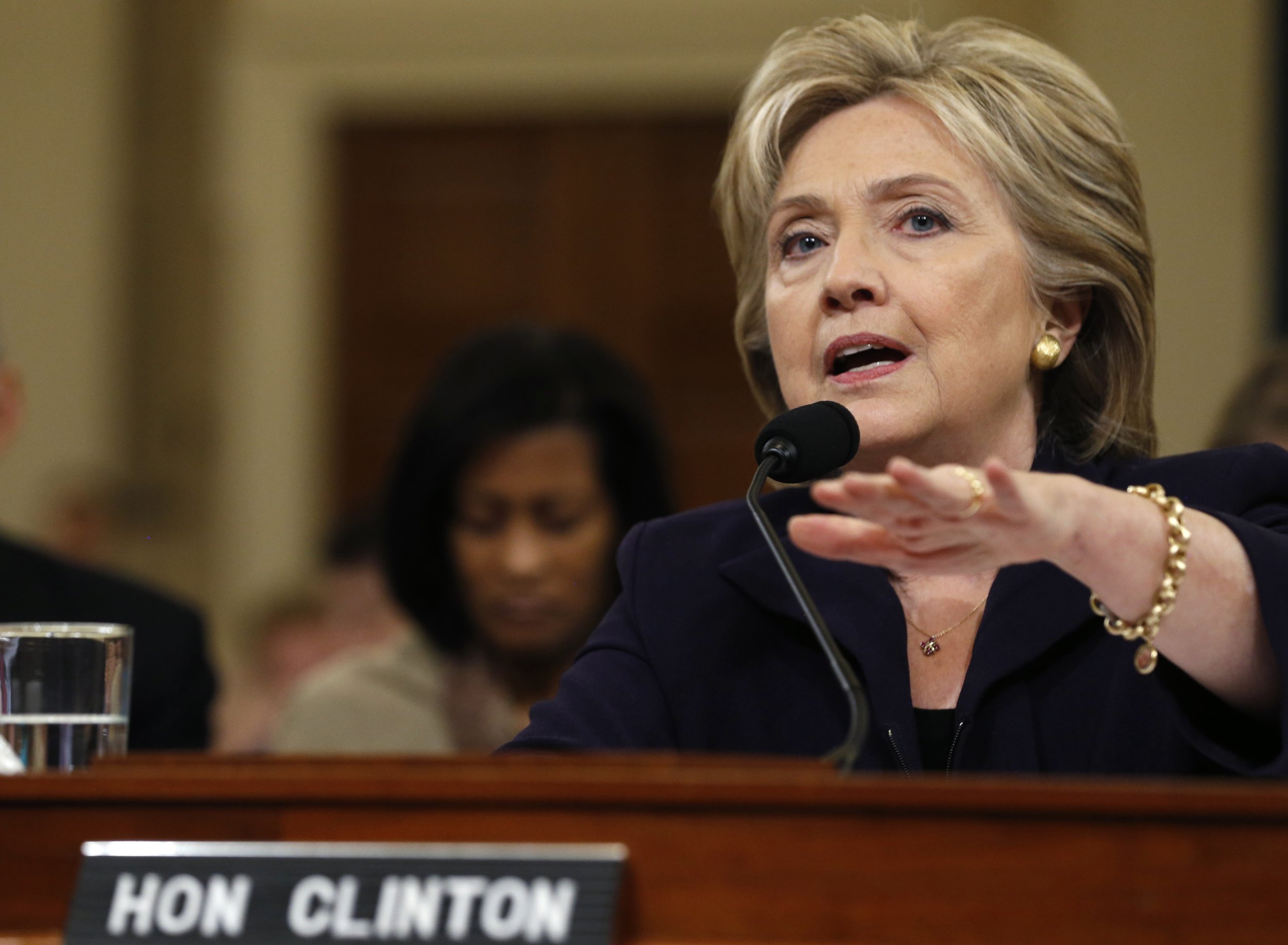
Her tenure was characterized by a grueling travel schedule, as she visited 112 countries to repair international relationships strained during the previous decade. She focused on the "Pivot to Asia," aimed at balancing China’s growing influence, and used social media and technology as tools of "21st-century statecraft." While her time at the State Department was later scrutinized regarding the Benghazi attack and her use of a private email server, her supporters point to her success in building the international coalition that led to the Iran nuclear deal negotiations and her efforts to elevate the status of women and girls in U.S. foreign policy.
The 2016 Presidential Election and Its Aftermath
Hillary Clinton’s 2016 campaign for the presidency was a historic milestone. As the first woman to lead a major party ticket, she centered her platform on "stronger together," emphasizing economic stability, healthcare expansion, and social justice. Despite winning nearly 2.9 million more individual votes than Donald Trump, she lost the election in the Electoral College.
The aftermath of 2016 saw her transition into a role as a prominent critic and an elder statesman. She founded Onward Together, a political organization dedicated to encouraging people to get involved in the political process and supporting grassroots organizations. Her 2026 status as a Professor at Columbia University’s School of International and Public Affairs (SIPA) allows her to mentor the next generation of global leaders, sharing her extensive experience in diplomacy and policy-making.
Analysis of Policy Priorities and Global Impact
Throughout her career, three primary themes have remained consistent:
- Universal Healthcare Access: From the 1993 task force to her support for the Affordable Care Act (ACA), Clinton has consistently argued that healthcare is a right, not a privilege.
- Women’s Economic Participation: She has frequently highlighted that the participation of women in the global workforce is a matter of both justice and economic necessity.
- Multilateral Diplomacy: Her approach to foreign policy has always favored building strong alliances and international institutions rather than unilateral action.
Her impact is visible in the increased representation of women in U.S. politics. The "Clinton Effect" is often cited as a factor in the surge of female candidates for local, state, and national office in the years following 2016.
Common Criticisms and Controversies
No explanation of Hillary Clinton is complete without addressing the controversies that have shadowed her career. These often stem from the high level of scrutiny she faced as a pioneering woman in a male-dominated field, as well as specific political choices.
- Policy Shifts: Critics have pointed to her changing positions on trade (specifically the Trans-Pacific Partnership) and criminal justice (the 1994 Crime Bill) as evidence of political expediency.
- The Private Email Server: During her 2016 campaign, the FBI investigation into her use of a private email server while Secretary of State became a central point of contention, impacting public perception of her trustworthiness.
- Institutional Ties: Her connections to Wall Street and the fundraising activities of the Clinton Foundation were frequently used by political opponents to suggest she was part of an entrenched political establishment.
Despite these challenges, Clinton’s ability to maintain a central role in the national conversation for decades is a testament to her political acumen and her extensive network of supporters.
Frequently Asked Questions
What is Hillary Clinton doing now in 2026?
As of 2026, Hillary Clinton serves as a Professor of Practice at Columbia University's School of International and Public Affairs (SIPA) and is a fellow at Columbia World Projects. She remains active in public life through her nonprofit, Onward Together, and continues to author books and contribute to global policy discussions.
Was Hillary Clinton the first woman to run for President?
While she was not the first woman to run for President (Victoria Woodhull ran in 1872 and Margaret Chase Smith in 1964), Hillary Clinton was the first woman in American history to win the presidential nomination of a major political party (the Democratic Party) in 2016.
What were Hillary Clinton's main achievements as Secretary of State?
Her major achievements include the implementation of the "Smart Power" doctrine, strengthening the U.S. presence in the Asia-Pacific region, and advocating for the "Hillary Doctrine," which posits that the status of women is a matter of national security. She also helped lay the groundwork for the sanctions that brought Iran to the negotiating table.
How did Hillary Clinton change the role of the First Lady?
She moved the role from a purely ceremonial one to a policy-oriented one. By leading the healthcare task force, she set a precedent for First Spouses to take on formal, high-level administrative responsibilities within the executive branch.
What is the "Smart Power" approach?
Smart Power is a strategic framework developed by Clinton and her team that advocates for using a combination of "hard power" (military and economic coercion) and "soft power" (diplomacy, culture, and values) to achieve foreign policy goals.
Strategic Recommendation for Researchers
For those studying modern American political history, Hillary Clinton serves as a vital case study in the evolution of the Democratic Party and the changing role of women in governance. To fully understand her impact, researchers should look beyond the headlines of 2016 and examine her legislative record in the Senate and her diplomatic cables from the State Department. Her career provides deep insights into the mechanics of institutional power and the persistent challenges of political polarization in the 21st century.
Image Gallery
Select an image to open it in a new tab.



Celine Dubois
Contemporary Living and Global Arts Columnist
