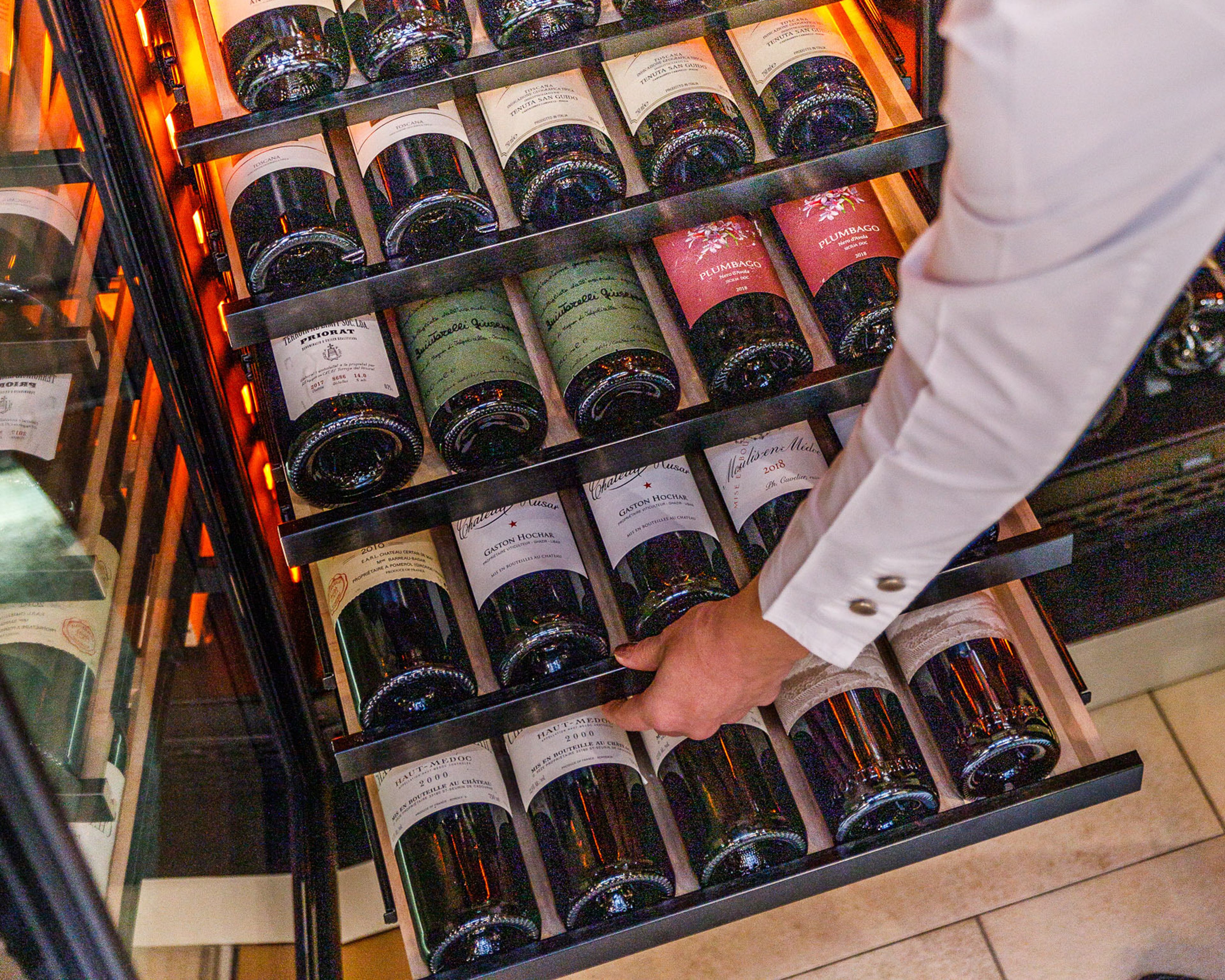
Finding wine with free shipping requires understanding retailer thresholds and subscription models. Most online wine shops offer complimentary delivery when you purchase a minimum amount—typically 6 or 12 bottles—or join a dedicated membership program. These services streamline the logistics of heavy glass bottles, ensuring safe, temperature-controlled transit directly to your door.
The Economics of Online Wine Shipping
To understand how to get "free" shipping, it is essential to recognize the logistical hurdles retailers face. A standard 750ml bottle of wine weighs approximately 2.6 to 3 pounds. A full case of 12 bottles, including packaging, weighs between 35 and 40 pounds. Shipping such a heavy, fragile, and glass-contained liquid across state lines involves significant carrier fees, specialized packaging to prevent breakage, and mandatory Adult Signature Required (ASR) fees, which typically add $5 to $9 per package in 2026.
Retailers generally do not "eat" these costs; they manage them through one of three primary business models:
- Threshold-Based Shipping: The retailer provides free shipping once the profit margin on the total order covers the shipping overhead (e.g., "Free shipping on orders over $150").
- Membership Models: You pay an annual fee (similar to Amazon Prime) that covers all shipping costs for the year.
- Built-In Pricing: The cost of shipping is amortized across the price of the bottles, which is common in "introductory offer" wine clubs.
Primary Methods to Secure Free Shipping
1. High-Volume Thresholds
The most common way to avoid shipping fees is to buy in bulk. In 2026, the standard industry threshold for free shipping often fluctuates between 6 and 12 bottles. Large online marketplaces like Vivino or Wine.com frequently offer "Free Shipping on 6+ Bottles" for specific labels or during holiday promotions. By consolidating your purchases into a single quarterly order rather than buying two bottles every two weeks, you can save upwards of $40 in delivery fees per case.
2. Annual Shipping Memberships
If you order wine more than four times a year, an annual membership is almost always the most cost-effective route. The most prominent example is Wine.com’s Stewardship program. For a flat annual fee, members receive unlimited free shipping on every order with no minimum purchase requirement.
Other large-scale retailers have adopted similar models, often bundling shipping with other perks like early access to rare vintages or invitations to virtual tastings. When evaluating these memberships, calculate your "break-even" point. If the membership costs $59 and standard shipping is $20 per order, the service pays for itself by your third purchase.
3. Wine Club Subscriptions
Subscription services like Naked Wines, Firstleaf, and Winc are designed around the concept of "included" shipping. These companies work directly with winemakers to reduce wholesale costs, allowing them to offer free shipping on most recurring shipments.
- Naked Wines: Operates on a "crowdfunding" model where your monthly contribution goes toward your wine credit, and shipping is typically waived on orders over a certain dollar amount or bottle count.
- Firstleaf: Uses an algorithm to match wines to your palate and generally offers free shipping on all club shipments containing six or more bottles.
4. Direct-to-Consumer (DTC) Winery Clubs
Purchasing directly from a specific vineyard often results in the highest shipping costs because small wineries lack the logistics scale of massive retailers. However, joining a winery’s "Estate Club" usually unlocks complimentary or deeply discounted shipping. If you have a favorite Napa or Willamette Valley producer, joining their club is the most reliable way to get their specific bottles delivered without the $30-$50 per-case shipping penalty.

Comparative Overview of Free Shipping Options (2026)
| Retailer / Service | Shipping Policy (Standard) | Membership Option | Best For |
|---|---|---|---|
| Wine.com | Based on weight/distance | Stewardship ($50-$60/yr) | Variety and specific labels |
| Naked Wines | Free on orders over $100+ | Angel Membership | Independent winemakers |
| Firstleaf | Free on 6+ bottle orders | Subscription-based | Personalized curation |
| Total Wine | Varies by state/local store | No flat annual ship-fee | Local pickup / limited delivery |
| Vivino | Varies by merchant | Vivino Plus (Select regions) | Price comparisons and ratings |
| Winc | Free on 4+ bottles | Monthly subscription | Modern branding / easy drinking |
Legal and Regulatory Constraints
Even if a retailer offers free shipping, your location might prevent you from receiving it. As of 2026, US wine shipping laws remain a patchwork of state-level regulations.
Shipping to "Control States"
States such as Utah and Mississippi have historically strict regulations regarding the direct shipment of alcohol to consumers. In these areas, "free shipping" offers may be void, or the wine may be required to ship to a state-run liquor store for pickup rather than your residence.
The Adult Signature Requirement
Regardless of whether the shipping is "free," federal law and carrier policies (FedEx and UPS) require an adult (21+) to sign for the delivery. You cannot request that the driver "leave it on the porch." If you are not home during the day, consider shipping your wine to a business address or a local carrier pickup point (like a FedEx Office or UPS Store) to avoid the wine being returned to the sender, which usually incurs a "restocking fee" that wipes out any shipping savings.
Strategic Tips for Maximizing Value
To ensure you are actually getting a deal when selecting "free shipping" wines, consider these professional tactics:
- Check the "Bottle Price Inflation": Compare the price of a bottle on a "free shipping" site versus a site that charges for shipping. If the bottle is $5 more expensive on the free-shipping site, and you are buying 12 bottles, you are effectively paying $60 for shipping anyway.
- Use "Click and Collect": Many large retailers like Total Wine & More allow you to buy online and pick up in-store for free. While not "shipping" in the traditional sense, it is the most reliable way to avoid delivery fees and signature hassles.
- Seasonal Shipping Holds: During the peak of summer or the dead of winter, reputable wine retailers will offer "weather holds." They will store your wine in a temperature-controlled warehouse for free until temperatures are safe for transit. Always opt for this; "free shipping" is no bargain if the wine arrives cooked or frozen.
- Stacking Coupons: Many retailers allow you to use a "First Order" discount code in conjunction with a free shipping threshold. In 2026, look for codes like
FREESHIP26orWELCOME20on aggregator sites to maximize the initial savings.
Logistics and Packaging Standards
When you receive free shipping, you should still expect high-quality packaging. In 2026, the industry has largely shifted toward molded pulp inserts or recyclable cardboard "ships" rather than polystyrene (Styrofoam). These materials are specifically engineered to pass "drop tests" from heights of three feet.
If a retailer offers free shipping but uses substandard, thin-walled boxes, the risk of breakage increases. Always verify that the company provides tracking numbers. Reliable shipping includes automated notifications when the wine leaves the warehouse, when it is out for delivery, and, most importantly, when a delivery attempt was unsuccessful.
Frequently Asked Questions
Why do some sites charge for shipping even if I spend a lot?
Some rare or "allocated" wines have very thin profit margins for the retailer. Because shipping a case can cost the retailer $40 or more, they cannot afford to cover that cost on bottles that are already priced at a discount. Additionally, some "Marketplace" sites like Vivino feature different vendors; you might have $300 in your cart, but if it is split between three different wineries, you haven't hit the free shipping threshold for any single one of them.
Can I get free shipping on a single bottle of wine?
It is very rare to find free shipping on a single bottle unless you have a premium membership like Wine.com Stewardship. Because the Adult Signature fee and the base carrier charge are so high (often $20+ for one bottle), retailers lose money on single-bottle shipments. The most efficient way to get a single bottle is local pickup.
Is it safe to ship wine during the summer months?
Wine is highly sensitive to heat. Temperatures inside a delivery truck can exceed 120°F (49°C), which can "cook" the wine, causing the cork to push out or the liquid to oxidize. Most professional wine shippers in 2026 use thermal liners or ice packs, but the safest method is to use a "Summer Hold" or "Cold Chain" shipping, where the wine stays in refrigerated trucks until it reaches the final local hub.
What should I do if my wine arrives damaged?
If you see visible leaks or broken glass upon delivery, refuse the shipment if possible. If the damage is discovered after opening, take photos immediately and contact the retailer. Most major online wine shops have a "100% Satisfaction Guarantee" and will either refund you or send a replacement bottle at no additional cost.
How do I know if a wine shipping site is legitimate?
Legitimate wine retailers will always require your date of birth at checkout and will clearly state their licensing and permit information. Check for a physical address and a customer service phone number. Avoid sites that offer "unbelievable" prices on high-end Bordeaux or Napa Cabernets without a clear provenance or physical business presence.
Final Recommendation
For most casual wine drinkers in 2026, the most effective way to secure free shipping is to utilize a 6-bottle threshold at a major marketplace or to subscribe to a curated wine club that covers shipping costs as part of the membership. If you find yourself ordering frequently, the $50-$60 annual investment in a shipping "Stewardship" program will pay for itself within three orders and offer the greatest flexibility in bottle selection.
Image Gallery
Select an image to open it in a new tab.


Lars Thomsen
Global Labor Markets and Economic Strategy Editor
