Understanding the Flagstaff, Arizona Climate: Seasons, Weather Patterns, and High-Altitude Living
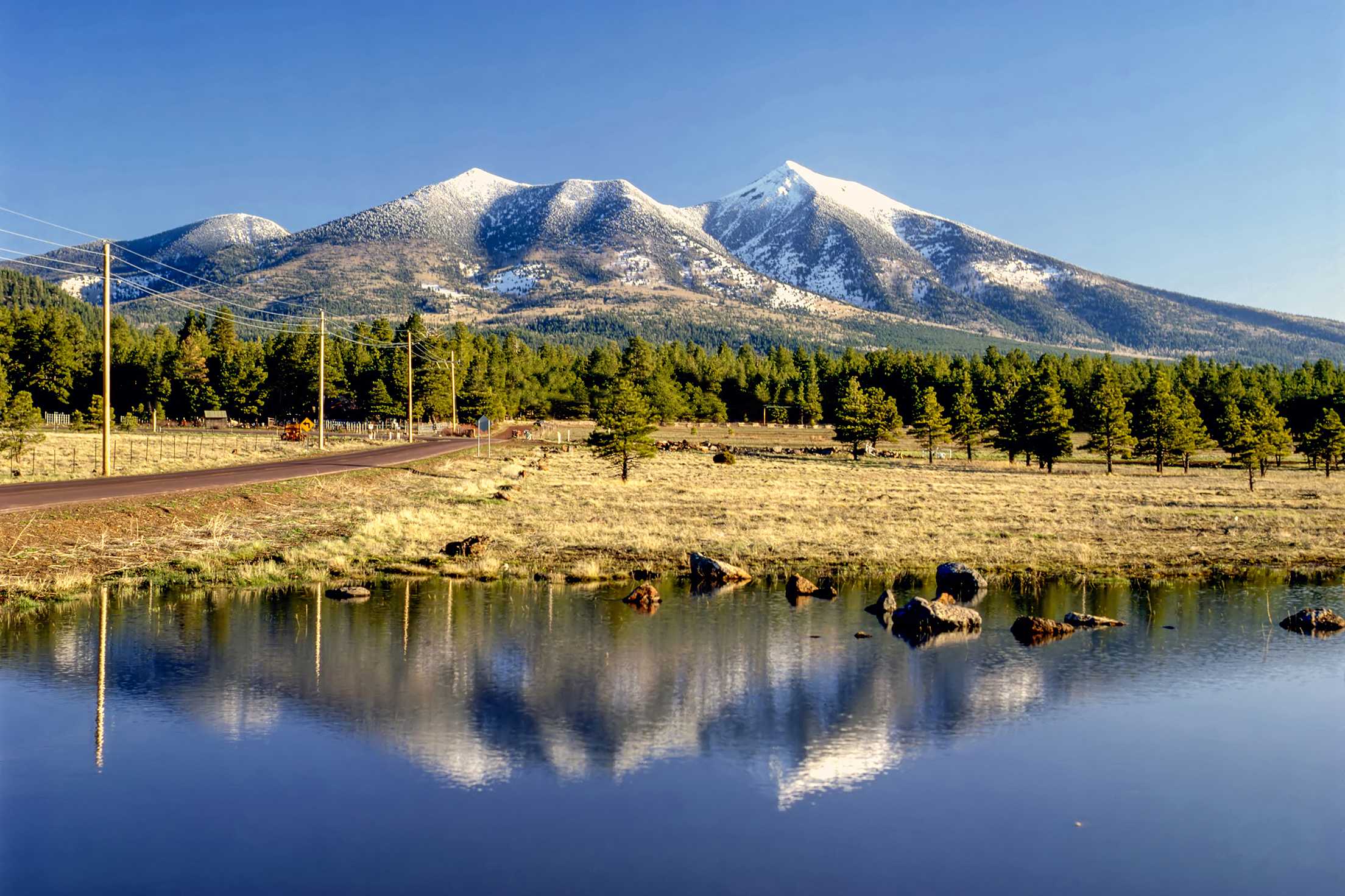
Nestled in the pine-covered mountains of northern Arizona, Flagstaff features a unique alpine climate defined by heavy winter snowfall, mild summers, and dramatic diurnal temperature swings that contrast sharply with the desert lowlands found further south in the state.
Introduction to Flagstaff’s High-Altitude Environment
When most people think of Arizona, they picture sun-drenched saguaro cacti, blistering desert heat, and endless arid expanses. However, Flagstaff completely shatters this geographical stereotype. Situated at an elevation of approximately 7,000 feet (2,134 meters) on the southern edge of the Colorado Plateau, the city experiences a humid continental climate, closely bordering a subarctic regime. This high altitude is the primary driver behind all local weather patterns, dictating everything from seasonal temperature ranges to annual precipitation totals.
Understanding the Flagstaff, Arizona climate requires looking past standard state averages and focusing on mountain meteorology. Because the atmosphere thins significantly at 7,000 feet, solar radiation is intense during the day, yet heat escapes rapidly into space once the sun sets. Consequently, residents and visitors experience sharp temperature drops after dark, even during the peak of summer. For travelers planning a mountain getaway, homeowners preparing for winter weather, or prospective residents evaluating relocation options, mastering these environmental rhythms is essential for comfort and safety.
Geographical Factors Influencing Local Weather
The climate of Flagstaff is shaped by several distinct geographic and topographical features. The most influential factor is the city's position at the foot of the San Francisco Peaks—the highest mountain range in Arizona, featuring Humphreys Peak at 12,633 feet. These massive mountain barriers force moisture-laden air masses rising from the Pacific Ocean and the Gulf of California to ascend rapidly. As the air rises, it cools and condenses, releasing heavy rain and snow over the region through a process known as orographic precipitation.
Furthermore, Flagstaff's inland position places it far from large stabilizing bodies of water, intensifying continental temperature extremes. The surrounding Coconino National Forest, which consists largely of dense ponderosa pine forests, also plays a role in microclimate regulation, keeping surface temperatures slightly moderated compared to barren, rocky terrain. Yet, the dominant force remains elevation, which lowers ambient temperatures by roughly 3 to 5 degrees Fahrenheit for every 1,000 feet of ascent compared to sea level.
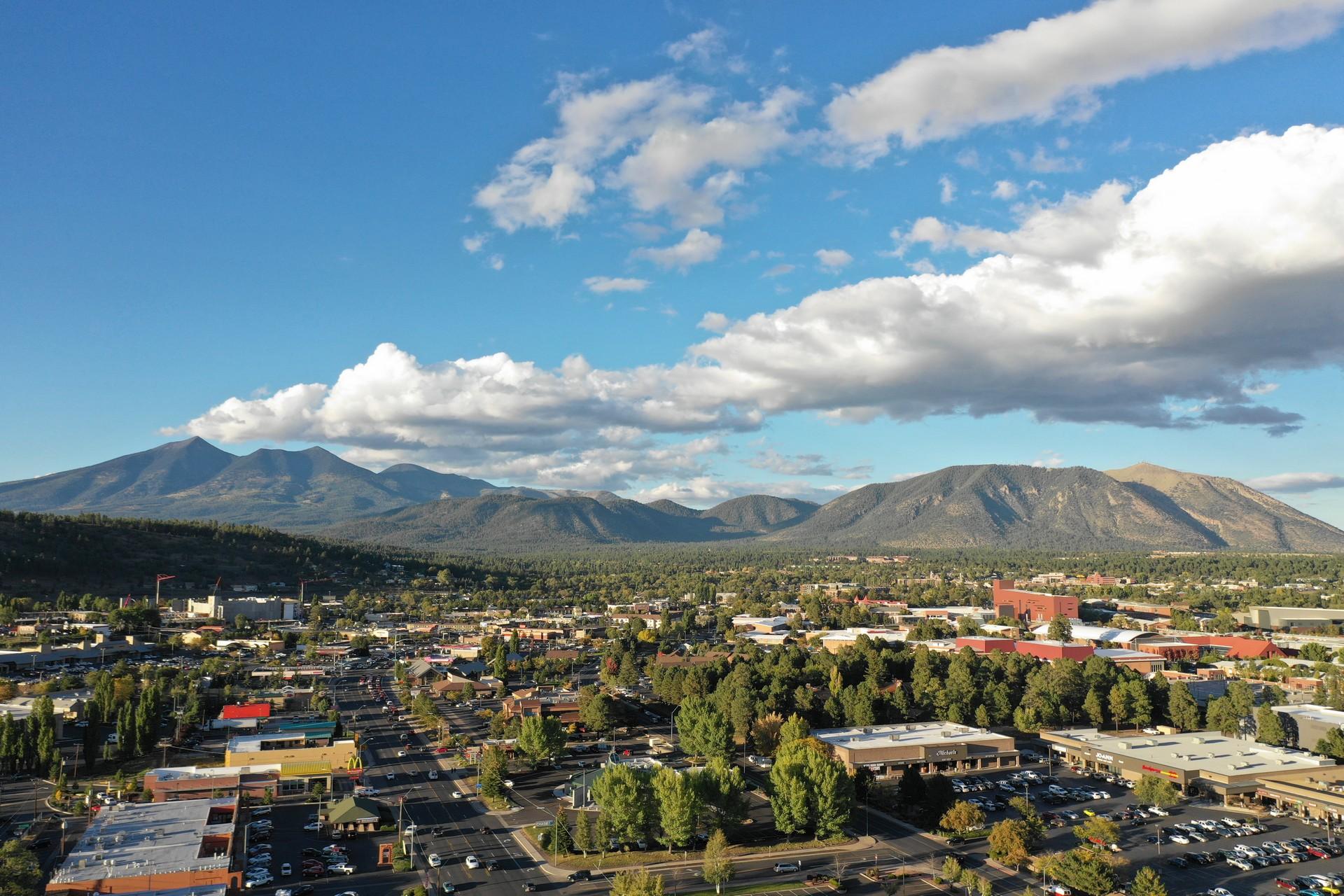
Seasonal Breakdown of the Flagstaff Climate
To truly grasp what it feels like to live in or visit this northern Arizona hub, one must examine the year broken down into its four distinct meteorological seasons.
Winter: Snow, Sub-Zero Nights, and Alpine Storms
Winter in Flagstaff runs from roughly November through March, bringing true alpine conditions that rival towns in the Rocky Mountains. Flagstaff is widely recognized as one of the snowiest incorporated cities in the United States, receiving an average annual snowfall exceeding 100 inches. Pacific winter storms routinely sweep across the region, dropping heavy powder and transforming the landscape into a popular winter recreation destination.
Temperatures during these months regularly drop below freezing. Average daytime highs in January hover around 42°F (6°C), while overnight lows frequently plunge into the teens or single digits. During severe cold snaps, sub-zero readings are not uncommon. Road conditions can deteriorate rapidly during and after storms, requiring four-wheel-drive vehicles, snow tires, and occasionally chains for travel along Interstate 40 and Interstate 17.
Spring: Wind, Transition, and Late-Season Snow
Spring is arguably the most volatile and windy season in Flagstaff. Spanning April and May, this period acts as a high-speed transition from winter freeze to summer warmth. High-pressure systems frequently clash with lingering cold fronts, generating sustained high winds that can make outdoor activities challenging.
Precipitation drops significantly during the spring, making it one of the driest times of the year, though late-season snowstorms can still occur unexpectedly into May. Daytime temperatures begin to recover rapidly, climbing from the 50s into the low 60s and 70s, but overnight freezes remain common well into May.
Summer: The Monsoon Season and Mild Afternoons
While Phoenix and Tucson swelter in triple-digit heat, Flagstaff enjoys some of the most pleasant summer weather in the American Southwest. Spanning June through August, summer daytime highs typically peak in the comfortable 78°F to 82°F (26°C to 28°C) range. Heatwaves pushing past 90°F are exceptionally rare.
By early July, the North American Monsoon pattern takes hold. Moist tropical air surges northward from the Gulf of California and the Gulf of Mexico, generating dramatic afternoon thunderstorms. These storms often bring brief, heavy downpours, frequent lightning, and sudden drops in temperature, providing a vital source of seasonal moisture before clearing by late afternoon.
Fall: Golden Foliage and Crisp Air
Autumn in Flagstaff—September and October—is marked by crisp, clear air and vibrant displays of changing foliage, particularly the golden quaking aspens along the Kachina Peaks Wilderness trails. Precipitation levels drop temporarily between the end of the monsoon and the arrival of winter storms.
Daytime temperatures are exceptionally comfortable, averaging in the upper 60s and low 70s in September, before cooling down into the 50s by late October. Overnight lows begin dipping below freezing again by mid-to-late October, signaling the approaching return of winter weather.
Climate Statistics at a Glance
The following data summarizes the core climatological averages for Flagstaff, Arizona, providing a clear numerical picture of what to expect throughout the calendar year.
| Month | Average High (°F) | Average Low (°F) | Average Precipitation (Inches) | Average Snowfall (Inches) |
|---|---|---|---|---|
| January | 42 | 15 | 2.1 | 24.5 |
| February | 44 | 17 | 2.1 | 21.0 |
| March | 50 | 22 | 2.3 | 18.2 |
| April | 58 | 28 | 1.1 | 6.5 |
| May | 68 | 35 | 0.7 | 1.1 |
| June | 78 | 44 | 0.4 | 0.0 |
| July | 82 | 52 | 2.7 | 0.0 |
| August | 79 | 50 | 3.1 | 0.0 |
| September | 73 | 42 | 1.9 | 0.0 |
| October | 62 | 31 | 1.6 | 1.2 |
| November | 50 | 22 | 1.8 | 9.8 |
| December | 42 | 16 | 2.2 | 22.4 |
Precipitation and Water Resources
Water management and precipitation monitoring are critical subjects in northern Arizona. Flagstaff receives an average annual precipitation (combined rain and melted snow) of roughly 21 to 23 inches. This is significantly higher than the surrounding desert basins, largely due to the elevation-induced orographic effect.
Precipitation arrives in two primary peaks: the winter snowpack from frontal systems and the summer rainfall from the North American Monsoon. The winter snowpack acts as a natural reservoir, slowly melting in the spring to recharge local aquifers, feed perennial streams like the Rio de Flag, and supply water to regional ecosystems. However, multi-year droughts can strain these reserves, making water conservation a standard practice for the city and its residents.
Health, Safety, and High-Altitude Living Considerations
Living in or visiting a high-altitude alpine climate like Flagstaff requires specific precautions. Failing to account for environmental factors can lead to health complications or property damage.
Altitude Sickness and UV Radiation
At 7,000 feet, the air contains approximately 25% fewer oxygen molecules per breath than at sea level. Visitors arriving from lower elevations frequently experience acute mountain sickness, characterized by headaches, fatigue, dizziness, and shortness of breath. Staying well-hydrated and allowing a day or two of acclimatization before engaging in strenuous physical activity, such as hiking Humphreys Peak, is vital.
Additionally, because the atmosphere is thinner, it filters out less ultraviolet (UV) radiation. Sunburns occur much faster in Flagstaff than at sea level. Broad-spectrum sunscreen, UV-blocking sunglasses, and protective clothing are necessary year-round.
Freeze-Thaw Cycles and Home Maintenance
Property owners must contend with aggressive freeze-thaw cycles. Water expands when it freezes, meaning moisture trapped in concrete, asphalt, or exterior plumbing lines can cause severe cracking and structural damage. Insulating outdoor pipes, winterizing irrigation systems, and properly sealing driveways are standard seasonal maintenance tasks for local homeowners.
Frequently Asked Questions About the Flagstaff Climate
Does it really snow in Arizona?
Yes, despite its reputation for desert heat, northern Arizona features high-elevation mountain ranges that receive substantial snowfall. Flagstaff averages over 100 inches of snow annually and is home to the Arizona Snowbowl ski resort on the San Francisco Peaks.
What is the best time of year to visit Flagstaff?
The ideal time to visit depends entirely on your preferred activities. Summer (June through August) offers mild, comfortable weather ideal for hiking and escaping the desert heat. Autumn (September and October) showcases vibrant fall foliage, while winter (December through February) is perfect for snow sports and holiday scenery.
How cold does it get in Flagstaff during the winter?
Winter temperatures are reliably cold. Daytime highs typically reach the low 40s (°F), while nighttime lows regularly drop into the teens and single digits. Arctic air masses can push temperatures below zero during severe winter storms.
Do I need air conditioning in Flagstaff homes?
Many older homes and cabins in Flagstaff do not have central air conditioning because summer temperatures rarely reach uncomfortable levels during the day and drop sharply at night. However, an increasing number of modern residences and apartments install air conditioning to cope with occasional warm spells and increased summer humidity during the monsoon season.
Summary and Practical Next Steps
Flagstaff, Arizona offers a refreshing alpine escape characterized by four distinct seasons, heavy winter snows, comfortable summer days, and crisp high-altitude air. Whether you are planning a winter ski trip, a summer hiking excursion, or considering a permanent relocation to the mountains, respecting the power of elevation and preparing for rapid weather shifts is essential.
Before traveling or moving, always check current local weather forecasts and road conditions via the Arizona Department of Transportation (ADOT) website, especially during winter storm warnings or the peak of the summer monsoon season. Proper preparation ensures a safe and enjoyable experience in Arizona’s high-country jewel.
Image Gallery
Select an image to open it in a new tab.

Mateo Castillo
Decentralized Finance and E-Payments Strategist
