Distinct Cremation Alternatives: A Comprehensive Guide to Modern End-of-Life Choices
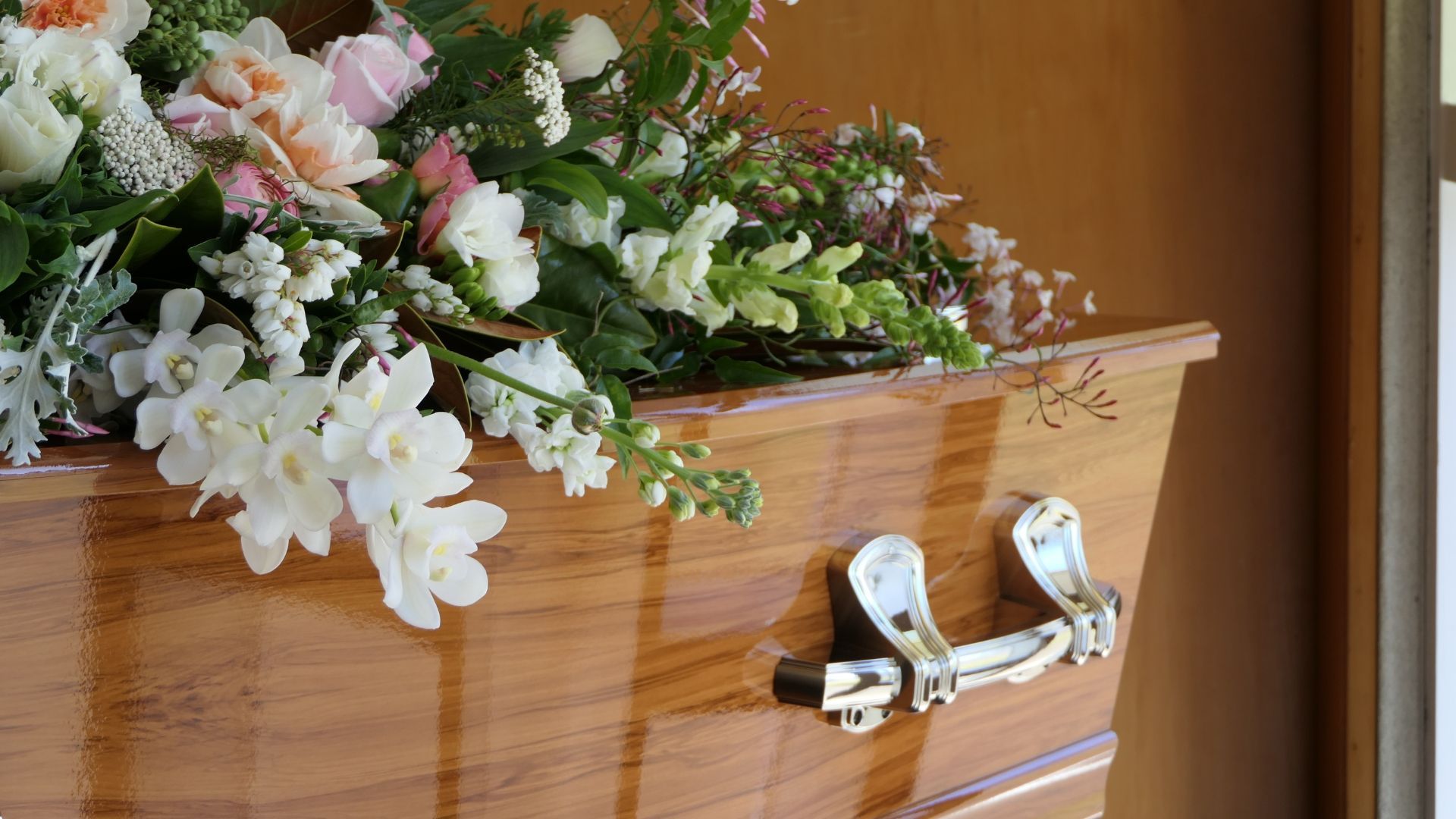
For individuals seeking a final farewell that aligns with environmental values or personal beliefs, a distinct cremation alternative offers a way to move beyond traditional fire-based processes. As of 2026, the most prominent alternatives include alkaline hydrolysis (aquamation), natural organic reduction (human composting), and conservation-focused green burials, each providing a unique biological or ecological path for returning to the earth.
The landscape of the funeral industry has shifted significantly over the last decade. While traditional flame cremation was once the primary "alternative" to expensive casket burials, it has come under scrutiny for its carbon footprint and energy consumption. In response, a suite of distinct cremation alternatives has emerged, focusing on "gentle" transitions, carbon sequestration, and the preservation of natural habitats. This guide explores the technical processes, legal standing, and practical considerations of these modern choices.
Alkaline Hydrolysis: The Water-Based Alternative
Often referred to as aquamation, flameless cremation, or resomation, alkaline hydrolysis is perhaps the most direct "distinct cremation alternative" to traditional fire. Instead of using combustion to reduce the body to bone fragments, this process utilizes water, alkaline chemicals, and heat to accelerate natural decomposition.
The Technical Process
The procedure takes place in a pressurized stainless steel chamber. The body is placed inside, and a solution of approximately 95% water and 5% alkali (typically potassium hydroxide) is introduced. The chamber is heated to approximately 300°F (150°C), though the pressure prevents boiling. Over a period of four to sixteen hours—depending on the equipment and the individual’s physiology—the solution breaks down the chemical bonds of the soft tissues.
What remains at the end of the process are the "bone shadows"—the mineral calcium phosphate of the skeleton—and a sterile liquid effluent. The bones are dried and processed into a fine white powder, similar to traditional "ashes," though often smoother and more voluminous than those produced by fire.
Environmental Impact and Benefits
The primary draw of alkaline hydrolysis is its significantly lower environmental impact. Research indicates that aquamation uses approximately 90% less energy than flame cremation. Furthermore, it eliminates the emission of carbon dioxide and toxic gases, such as mercury from dental amalgams, which are typically released into the atmosphere during traditional cremation. The liquid byproduct, once neutralized, is a sterile solution of amino acids, sugars, and salts that can be safely returned to the ecosystem or used as a high-quality fertilizer.
Natural Organic Reduction: Human Composting
Natural Organic Reduction (NOR), colloquially known as human composting, has gained rapid legal acceptance across the United States and parts of Europe by 2026. This process represents a distinct shift from "reducing" remains to "transforming" them into nutrient-rich soil.
How the Transformation Occurs
The process is rooted in organic chemistry and microbiology. The body is placed in a modular vessel atop a bed of organic materials, such as wood chips, alfalfa, and straw. This mixture creates the ideal carbon-to-nitrogen ratio for thermophilic (heat-loving) microbes to thrive.
Over a period of 30 to 60 days, the vessel is monitored for oxygen, moisture, and temperature levels. The microbes break down everything, including bones and teeth, at a molecular level. The internal temperature of the vessel naturally reaches over 130°F, which effectively destroys pathogens and pharmaceuticals.
The Resulting Soil
Once the process is complete, the family receives approximately one cubic yard of soil—roughly the amount that would fill the bed of a small pickup truck. Families can choose to take this soil home for use in private gardens or donate it to conservation projects, such as reforestation efforts on protected lands. This method is viewed as the ultimate "cradle-to-grave" cycle, where the body directly contributes to new life.

Green Burial: The Traditional Natural Path
While not a technological "alternative" in the same sense as aquamation, green burial (or natural burial) serves as a distinct alternative for those who reject the industrial nature of cremation entirely.
Requirements for a Natural Burial
A true green burial prohibits several standard modern funeral practices:
- No Embalming: Chemical preservatives like formaldehyde are strictly forbidden, as they are toxic to soil microbes.
- Biodegradable Containers: The body must be shrouded in natural fibers (silk, linen, cotton) or placed in a biodegradable casket made of wicker, seagrass, or sustainably harvested wood.
- No Vaults: Traditional burials often use concrete or metal liners to prevent the ground from settling. Green burials omit these to allow the body to interact directly with the earth.
Conservation Burial Grounds
A subset of this movement is the conservation burial. In these instances, the cemetery functions as a protected nature preserve. The fees paid for the burial go directly toward land acquisition and habitat restoration. As of 2026, many families choose this option because it ensures that the land where their loved one is buried will never be developed for commercial or residential use.
Comparing Distinct Cremation Alternatives
Choosing between these options involves weighing costs, environmental goals, and the desired form of the final remains. The following table provides a comparison based on 2026 industry standards.
| Feature | Flame Cremation | Alkaline Hydrolysis | Human Composting | Green Burial |
|---|---|---|---|---|
| Primary Medium | Fire/Heat | Water/Alkali | Microbes/Organic Matter | Soil/Nature |
| Duration | 2–4 Hours | 4–16 Hours | 30–60 Days | Years (Natural) |
| Final Form | Gray Ash (Charred) | White Powder | Nutrient-Rich Soil | Decomposition |
| Carbon Footprint | High (CO2 & Gas) | Very Low | Net Negative (Sequesters) | Lowest |
| Average Cost | $1,500 – $4,000 | $2,000 – $4,500 | $5,000 – $7,500 | $3,000 – $6,000 |
| Land Usage | None (Post-Process) | None (Post-Process) | Minimal | Moderate (Preserves Land) |
Legal and Regulatory Landscape in 2026
The legality of these distinct cremation alternatives depends heavily on regional jurisdiction. In the United States, the National Funeral Directors Association (NFDA) tracks the state-by-state adoption of these technologies.
Aquamation Legal Status
By 2026, alkaline hydrolysis is legal for human use in over 30 U.S. states and most Canadian provinces. In the United Kingdom, it has seen widespread adoption following the success of pilot programs in the early 2020s. However, some regions still classify it under "cremation" statutes, while others have created entirely new regulatory frameworks to address the liquid byproduct handling.
Human Composting Legal Status
Natural Organic Reduction has seen the fastest growth in the 2020s. Initially legalized in Washington State in 2019, it has since been adopted by California, New York, Colorado, Nevada, and Arizona, among others. The primary hurdle for NOR in more conservative jurisdictions remains the "dignity of remains" clauses in local laws, though public demand for eco-friendly options continues to drive legislative change.
Emergent and Niche Options
Beyond the three primary alternatives, several niche options cater to specific interests, such as marine conservation or space exploration.
Memorial Reefs
For those with a deep connection to the ocean, companies like Eternal Reefs offer a way to incorporate cremated remains (from either fire or water-based processes) into a "reef ball." This pH-neutral concrete structure is placed on the ocean floor to provide a habitat for coral and fish. This turns a memorial into a functional part of an underwater ecosystem.
Promession: Cryogenic Decomposition
A more experimental distinct cremation alternative is promession. Developed in Sweden, this process involves "freeze-drying" the body using liquid nitrogen. Once frozen, the body is vibrated until it disintegrates into a powder. While technically fascinating, promession has faced significant hurdles in commercial scalability and regulatory approval compared to aquamation and NOR.
Factors to Consider When Choosing
When deciding on a distinct cremation alternative, consider the following three factors:
- Desired Interaction with the Remains: Do you want something you can keep in an urn (Aquamation), something you can plant a tree in (Composting), or a specific place you can visit (Green Burial)?
- Geographic Availability: While these options are expanding, you may need to transport a body across state lines if your local funeral home does not yet offer the technology. This can add to the overall cost.
- Religious and Philosophical Alignment: Some faiths have specific views on how the body should be treated. For example, the Catholic Church has historically preferred burial, though it permits flame cremation. Views on newer technologies like aquamation are still evolving within various theological circles.
Frequently Asked Questions
Is alkaline hydrolysis the same as "acid" disposal?
No. Alkaline hydrolysis uses a base (alkali), which is the chemical opposite of an acid. The process is a highly accelerated version of what happens naturally in soil burial. The resulting liquid is a sterile, organic solution that contains no DNA and is completely safe for the environment.
Can I have a funeral service with these alternatives?
Yes. Most families choose to have a traditional viewing or memorial service prior to the process of aquamation or human composting. Some specialized funeral homes offer "witnessing" rooms where families can be present when the process begins, similar to witnessing a cremation.
How much soil do you actually get from human composting?
A single human body, combined with the necessary organic bedding (straw and wood chips), yields approximately one cubic yard of soil. This is a significant volume—enough to fill several large garden beds. If families do not want the entire amount, most providers have partnerships with land trusts to use the remaining soil for conservation.
Is human composting legal in every state?
As of 2026, it is not legal in every state. While momentum is high, some states still require traditional burial or cremation. It is essential to check with the Cremation Association of North America (CANA) or a local funeral professional to verify the current statutes in your specific jurisdiction.
Does insurance cover these alternative methods?
Most standard life insurance policies and "final expense" plans pay out a lump sum that can be used for any end-of-life process. However, if you are pre-planning with a specific funeral home, ensure their contracts specify the technology you desire, as prices and availability may change over time.
Final Recommendation
If your primary goal is to minimize your environmental footprint while maintaining the ability to keep remains in a traditional urn, alkaline hydrolysis is the most effective choice. It offers the familiarity of "ashes" without the heavy carbon emissions of fire. However, if you wish for your physical body to contribute directly to the restoration of the earth, natural organic reduction (human composting) provides the most profound ecological connection.
Before making a final decision, contact a licensed funeral director who specializes in "green" or "eco" services. They can provide a breakdown of the logistical requirements and help you navigate the specific legal requirements of your region in 2026.
Image Gallery
Select an image to open it in a new tab.


