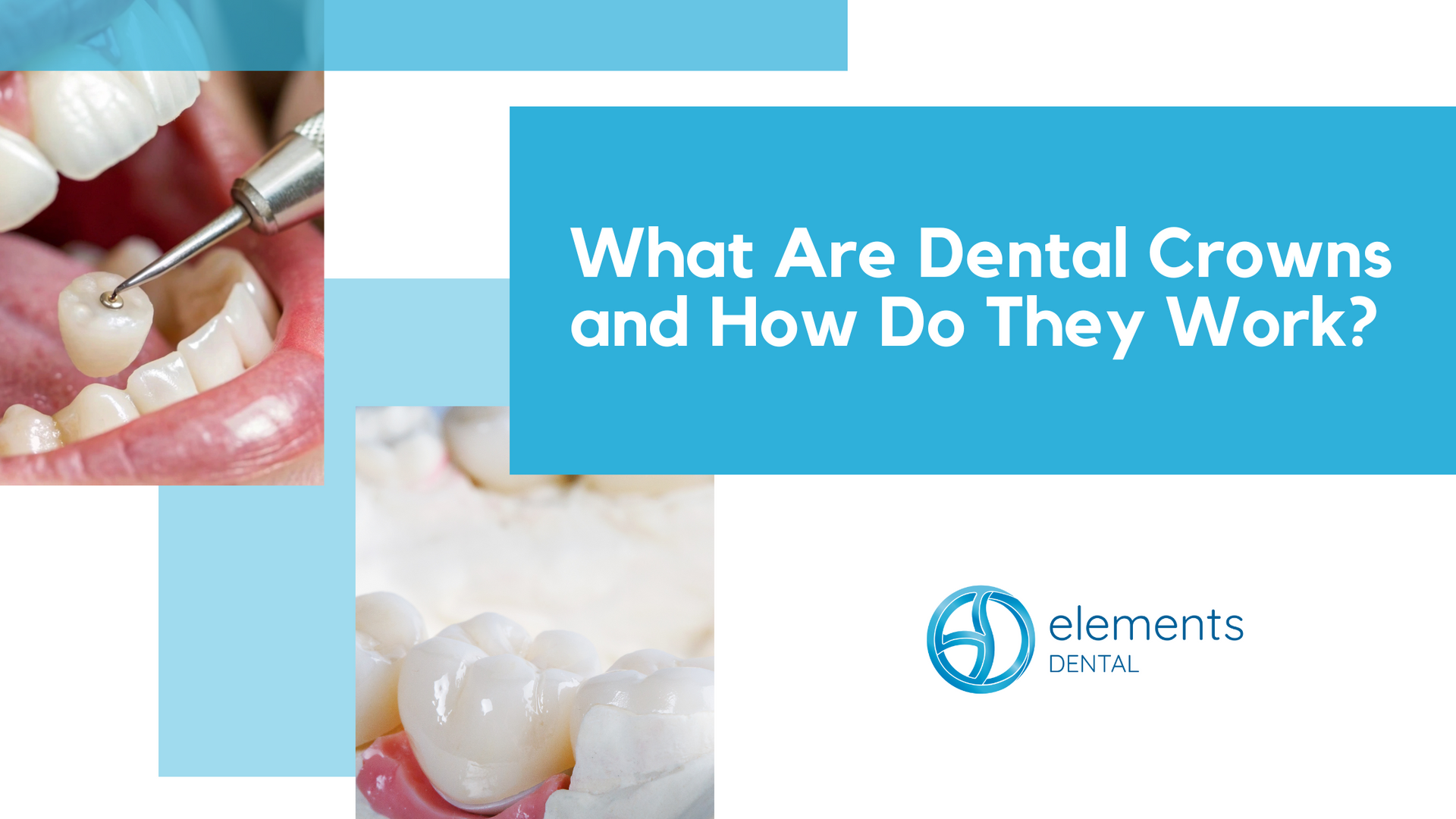
A dental crown works by encasing a compromised, weakened, or aesthetically damaged tooth entirely from the gum line upward, restoring its structural integrity, shape, size, and function while shielding it from further decay or fracture.
When a tooth suffers from extensive structural compromise—whether due to severe decay, a large and failing filling, a root canal procedure, or traumatic physical injury—standard conservative restorations like fillings or bonding are often insufficient. In these scenarios, dental professionals turn to a fixed prosthetic known as a dental crown. Often referred to colloquially as a "cap," a crown is a custom-engineered medical device designed to replicate the exact anatomy of a natural tooth. Understanding the mechanics of how crowns work requires looking at both the structural engineering of the restoration itself and the clinical process required to design, fabricate, and cement it into the oral cavity.
The Anatomical and Structural Purpose of a Dental Crown
To understand how a crown functions, it is necessary to examine what happens to a tooth before a crown is ever placed. A healthy natural tooth consists of a visible crown portion above the gum line and roots anchored securely within the jawbone. The visible portion is composed of hard, mineralized layers: the outer enamel and the underlying dentin, which protects the inner living pulp containing nerves and blood vessels.
When decay or physical trauma breaches a significant portion of this outer shell, the remaining tooth structure lacks the mechanical strength to withstand the immense forces generated during mastication (chewing). Everyday biting forces can exert hundreds of pounds of pressure per square inch. Without reinforcement, a structurally compromised tooth will often crack, split, or fracture down to the root, frequently resulting in tooth loss.
A dental crown acts as a rigid, protective exoskeleton. By completely encasing the remaining natural tooth structure, the crown distributes biting forces evenly across the entire root system rather than concentrating stress on weakened internal areas. This hoop stress distribution prevents the walls of the tooth from flexing outward and fracturing under pressure.
Furthermore, crowns serve several distinct clinical purposes beyond simple structural reinforcement:
- Post-Endodontic Protection: Teeth that have undergone root canal therapy are deprived of their internal blood supply, causing the dentin to become brittle and prone to fracture over time. A crown shields these vulnerable teeth.
- Anchoring Dental Bridges: A crown can be placed on the teeth adjacent to an empty space (known as abutment teeth) to anchor a pontic (artificial replacement tooth) in a fixed bridge.
- Implant Restoration: When a titanium or zirconia dental implant is surgically placed into the jawbone, a customized crown is screwed or cemented onto an abutment to serve as the visible, functional tooth.
- Cosmetic Enhancement: Crowns can radically alter the shape, alignment, shade, and contour of severely disformed or discolored teeth that do not respond to traditional whitening procedures.
The Clinical Workflow: From Preparation to Cementation
The process of getting a dental crown is a precise surgical and restorative undertaking. It typically requires two or more clinical appointments, though modern advancements in computer-aided design and computer-aided manufacturing (CAD/CAM) have made single-visit restorations increasingly common in select dental practices.
1. Diagnosis, Treatment Planning, and Foundation Build-Up
Before any physical alteration of the tooth occurs, the dentist conducts a thorough clinical examination, often supplemented by digital periapical or panoramic radiographs (X-rays). The imaging allows the clinician to evaluate the health of the tooth root, check for underlying periapical infection, and measure the proximity of the decay to the dental pulp. If the pulp is infected, a root canal must be performed prior to crown preparation.
If a large portion of the natural tooth structure is missing due to decay, the dentist must first build a solid foundation. This is accomplished using a core buildup procedure, where composite resin or glass ionomer material is bonded to the remaining tooth to create a stable, block-like core that the future crown can grip.
2. Tooth Reduction and Preparation
To accommodate the thickness of a crown—which typically requires between 1.0 and 2.0 millimeters of clearance to ensure structural durability and natural esthetics—the dentist must reduce the outer dimensions of the natural tooth. Using specialized high-speed dental burs, the clinician shapes the tooth into a tapered cylinder or a gently rounded cone.
The exact shape of the preparation depends on the chosen restorative material. For example, all-ceramic and porcelain-fused-to-metal (PFM) crowns often require a distinct margin or "shoulder" at the gum line to provide a stable seat for the edge of the crown, preventing micro-leakage and bacterial infiltration.
3. Impression Taking or Digital Scanning
Once the tooth is prepared, an exact physical replica of the arch is required so the dental laboratory can fabricate a crown that fits with microscopic precision. Traditionally, this is achieved using elastomeric impression materials (such as polyvinyl siloxane or polyether) placed in a tray and seated over the teeth.
In contemporary workflows, digital intraoral scanners project a light source into the mouth, capturing thousands of high-resolution 3D images per second to generate a highly accurate digital impression. This digital file eliminates the discomfort of traditional impression trays and can be transmitted instantly to an off-site laboratory or an in-office milling machine.
4. Temporary Crown Placement
Because permanent crowns take days or weeks to fabricate in a laboratory, the dentist fabricates and places a temporary crown during the initial visit. Constructed from acrylic or bis-acryl composite materials, the temporary crown is secured with a weak, temporary cement.
While rudimentary in appearance compared to the final product, the temporary crown is critical. It protects the sensitive dentin and exposed nerve endings from thermal shock (hot and cold), prevents the prepared tooth from shifting or drifting into adjacent spaces, and restores basic chewing function and esthetics.
5. Laboratory Fabrication and Final Cementation
At the dental laboratory, a dental technician uses the physical impression or digital file to design and manufacture the permanent crown. Depending on the material prescribed, the technician may layer porcelain by hand, press ceramic ingots in a kiln, or mill blocks of zirconia using high-precision 5-axis CNC milling equipment.
During the final delivery appointment, the dentist removes the temporary crown, cleans any residual temporary cement from the preparation, and tries the permanent crown on the tooth. The clinician meticulously checks the marginal fit (ensuring there is no gap between the crown and the tooth where bacteria could enter), verifies the proximal contacts (ensuring food will not pack between the teeth), and evaluates the patient's bite (occlusion). Once adjustments are made, the crown is permanently bonded or cemented using resin cement, glass ionomer cement, or resin-modified glass ionomer cement, creating a permanent seal.
| Crown Material Type | Primary Esthetic Appeal | Tensile/Compressive Strength | Typical Clinical Indication |
|---|---|---|---|
| Monolithic Zirconia | Moderate to High (improving) | Extremely High | Posterior molars, bruxers (teeth grinders) |
| Lithium Disilicate (E-max) | Exceptional (High Translucency) | High | Anterior teeth, premolars, single crowns |
| Porcelain-Fused-to-Metal (PFM) | Good | High (metal substructure) | Long-span bridges, varied posterior/anterior use |
| Full Gold / Metal Alloy | Poor (Metallic appearance) | Exceptional | Out-of-sight posterior molars, heavy bite forces |
Material Science: What Crowns Are Made Of and How They Perform
The choice of dental material dictates how a crown functions under stress, how it interacts with opposing teeth, and how natural it appears in the smile. Dental materials have evolved significantly away from purely metallic options toward advanced ceramics that offer a balance of biomechanical resilience and lifelike translucency.
All-Ceramic and Zirconia Restorations
Modern dentistry relies heavily on ceramic materials, particularly lithium disilicate and zirconium dioxide (zirconia). Lithium disilicate is a glass-ceramic known for its superior optical properties, mimicking the natural opalescence and light reflection of human enamel. It is exceptionally well-suited for anterior (front) teeth where esthetics are paramount.
Zirconia, often called "ceramic steel," possesses remarkable flexural strength, often exceeding 1,000 megapascals. While early generations of zirconia were opaque and chalky, modern translucent monolithic zirconia formulations allow dentists to place tooth-colored, highly durable crowns on posterior molars that endure the heaviest grinding forces without chipping or fracturing.
Porcelain-Fused-to-Metal (PFM)
For decades, PFM crowns were the gold standard of restorative dentistry. These crowns feature a cast metal inner coping or cap that fits directly over the tooth preparation, onto which layers of dental porcelain are fused in a high-temperature furnace. The metal core provides high structural strength and fracture resistance, while the porcelain exterior masks the dark metal and provides an acceptable esthetic match. However, over time or with gum recession, a dark grey metallic line may become visible at the gum margin.
Cast Gold and Metal Alloys
Though less common today due to cosmetic preferences, noble metal alloys (containing gold, platinum, or palladium) and base-metal alloys remain the most durable restorative options available. Gold crowns require the least amount of natural tooth reduction because metal can be cast very thinly while retaining its structural integrity. Furthermore, gold exhibits a wear rate that closely matches natural human enamel, causing minimal abrasion to opposing teeth.
Long-Term Maintenance, Lifespan, and Potential Complications
A dental crown is a durable restoration, but it is not indestructible. Clinical data indicates that the average lifespan of a well-maintained dental crown ranges from 10 to 15 years, with many lasting 20 years or longer when supported by meticulous oral hygiene practices.
However, the margin where the edge of the crown meets the natural tooth remains vulnerable to secondary caries (recurrent tooth decay). While the ceramic or metal of the crown itself cannot decay, the natural tooth structure underneath remains susceptible to bacterial acids if plaque is allowed to accumulate along the gum line. Patients with crowns must maintain rigorous daily brushing and flossing routines, utilizing interdental brushes or floss threaded beneath fixed bridges to clear bacterial biofilm.
Common Complications and Failure Modes
- Cement Washout and Microleakage: Over years of exposure to oral fluids and masticatory forces, the luting cement binding the crown to the tooth can degrade, creating microscopic gaps where bacteria migrate inward, leading to internal decay and eventual crown loosening.
- Chipping and Delamination: While rare in solid metal or monolithic zirconia, layered ceramic crowns can experience chipping of the outer porcelain veneer if subjected to trauma or severe parafunctional habits like bruxism.
- Endodontic Failure: In some cases, the physical trauma of tooth preparation or the deep spread of original decay can cause inflammation of the dental pulp (irreversible pulpitis) months or years after crown placement, necessitating a root canal treatment performed through the top of the existing crown.
Frequently Asked Questions
Does getting a dental crown hurt?
The tooth preparation procedure is performed under local anesthesia, meaning the tooth and surrounding gum tissues are completely numbed. Patients typically feel no pain during the reduction and impression phases. Some minor, temporary sensitivity to temperature or mild gum soreness may occur for a few days after the local anesthetic wears off and the temporary crown is placed.
Can a crowned tooth get a cavity?
Yes. While the crown material itself is impervious to decay, the underlying natural tooth structure beneath and around the margins of the crown can still develop cavities if plaque and bacteria are not removed through consistent brushing and interdental cleaning.
How do dentists match the color of a crown to my natural teeth?
Dentists use a standardized dental shade guide—a physical or digital card featuring porcelain tabs of various hues, chromes, and values—to match the exact color of the patient's surrounding teeth. In aesthetic zones, digital spectrophotometers or clinical photographs are often sent to the laboratory to guide custom staining and layering.
What is the difference between a crown and a veneer?
A dental crown encases the entire visible surface of the tooth, providing 360-degree structural reinforcement. In contrast, a porcelain veneer is a thin shell of ceramic that covers only the front-facing and biting edge surfaces of a tooth, primarily used for cosmetic corrections on anterior teeth with minimal structural damage.
Can a loose crown be re-cemented?
If a crown falls off entirely or becomes loose, it must be evaluated by a dentist immediately. If the underlying tooth structure remains intact and free of new decay, the dentist can clean the interior of the crown and re-cement it permanently. Patients should never attempt to glue a crown back on with household adhesives, which can be toxic and permanently damage the tooth.
Conclusion and Next Actions
Understanding how dental crowns work empowers patients to make informed decisions about their oral health and restorative treatment options. If you are experiencing persistent tooth pain, have a fractured or heavily decayed tooth, or have been advised that a compromised restoration requires replacement, schedule an evaluation with a licensed dental professional. Prompt intervention preserves vital tooth structure, prevents extensive complications, and ensures long-term functional stability.
Image Gallery
Select an image to open it in a new tab.
Mateo Castillo
Decentralized Finance and E-Payments Strategist
