How Credit Card Owners Can Protect Their Homes: A Comprehensive Financial and Security Guide
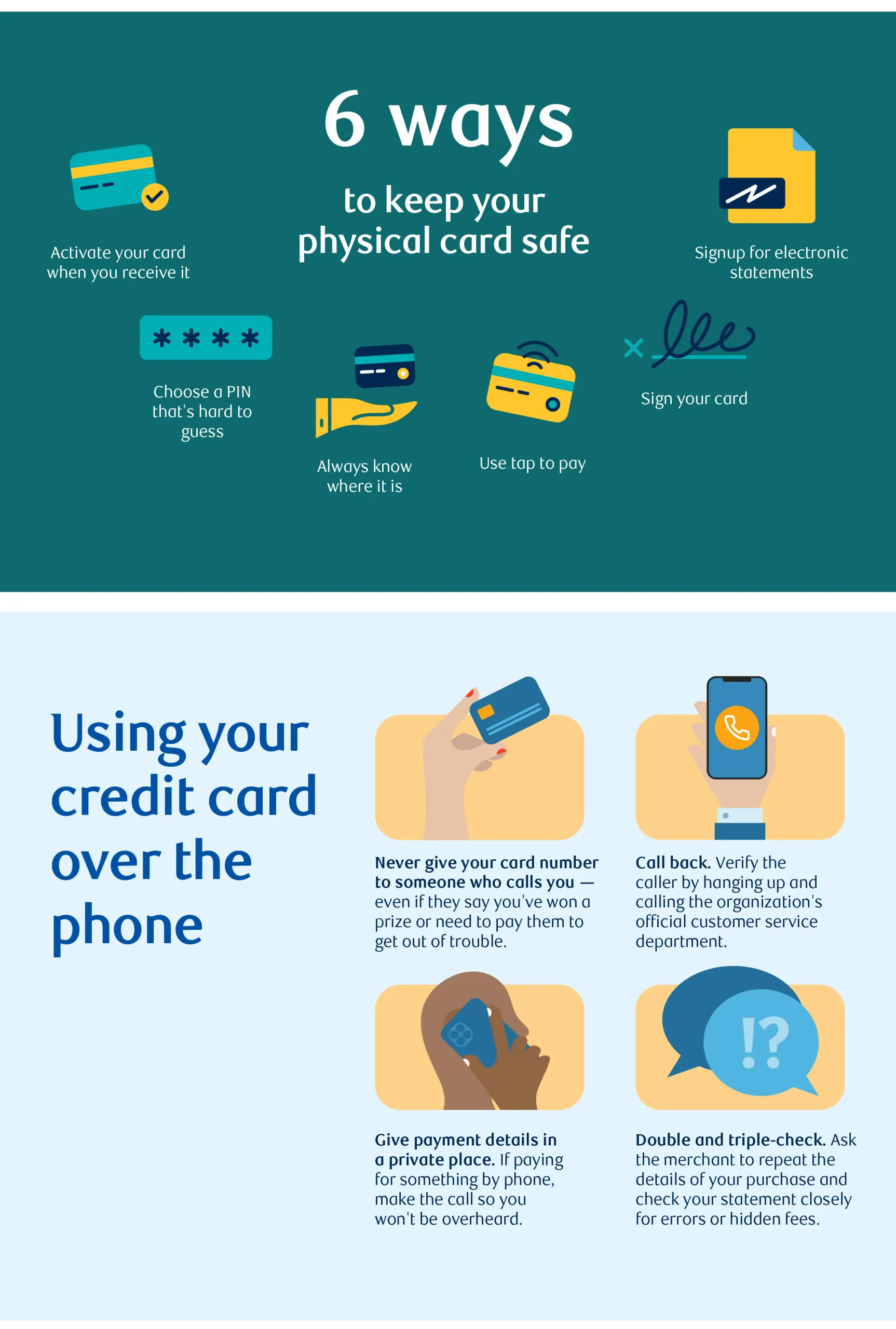
Credit card owners can protect their homes by utilizing built-in purchase protection and extended warranties for home assets, maintaining a low debt-to-income ratio to avoid judgment liens, and using credit monitoring services to detect identity theft that could lead to fraudulent home equity claims or title fraud.
Managing a credit card is often viewed purely as a lifestyle or cash-flow tool, but for homeowners, these revolving accounts are inextricably linked to the security of their primary asset. In 2026, the intersection of consumer credit and real estate law has become more complex, requiring homeowners to be proactive in how they manage their "unsecured" debt to ensure it never threatens their "secured" property. Protection takes two primary forms: financial safeguarding against legal claims and physical protection via credit-enhanced insurance benefits.
Understanding the Financial Risk: How Credit Card Debt Can Affect Home Ownership
While credit card debt is technically "unsecured"—meaning the creditor does not have an immediate right to seize your property if you miss a payment—it does not mean your home is immune. In the current 2026 legal landscape, creditors have streamlined the process of converting unsecured debt into secured liabilities through the judicial system.
The Mechanism of a Judgment Lien
If a credit card owner falls significantly behind on payments, the issuing bank or a third-party debt buyer may file a lawsuit. If they win a judgment in court, they become a judgment creditor. In many jurisdictions, this judgment can be recorded in the county land records, creating a judgment lien against any real estate the debtor owns in that county.
A judgment lien is a serious threat to home security. While the creditor might not immediately force a sale of the home (foreclosure), the lien remains attached to the property. This prevents the owner from selling or refinancing the home without first paying off the credit card debt from the proceeds. Furthermore, if the equity in the home exceeds certain legal thresholds, some states allow creditors to force a judicial sale to satisfy the debt.
Navigating Homestead Exemptions
To protect their homes, credit card owners must understand the Homestead Exemption laws in their specific state. As of 2026, these laws vary wildly. Some states, like Florida and Texas, offer robust protections that can shield the entire value of a primary residence from most judgment creditors. Other states offer only a nominal exemption, such as $5,000 or $25,000, which provides little protection in a high-value real estate market.
Protecting a home requires credit card owners to keep their total balances well below the point where a creditor would find it cost-effective to pursue a lawsuit. If a cardholder finds themselves in financial distress, seeking a "workout" or a debt management plan before a lawsuit is filed is the most effective way to prevent a lien from ever touching the home's title. Information on managing these situations can be found through the Consumer Financial Protection Bureau (CFPB).
Leveraging Credit Card Insurance for Physical Home Protection
Beyond the legal risks, credit cards offer a suite of benefits that can physically protect the contents and systems of a home. Many high-tier cards (and an increasing number of mid-tier cards in 2026) include embedded insurance products that homeowners often overlook.
Purchase Protection for Home Assets
Most premium credit cards offer Purchase Protection, which covers new items against theft or accidental damage for a set period—usually 90 to 120 days from the date of purchase. For a homeowner, this is invaluable when purchasing high-end electronics, smart home hubs, or expensive power tools. If a newly purchased security camera is stolen from the porch or a new smart refrigerator is damaged during a power surge shortly after installation, the credit card issuer may reimburse the cardholder, effectively acting as a secondary insurance policy that bypasses the homeowner's insurance deductible.
Extended Warranty Protection
The Extended Warranty benefit is perhaps the most significant way credit card owners protect their homes' functionality. Many cards add an additional year to a manufacturer's warranty on products with warranties of three years or less. In 2026, as home appliances become increasingly digitized and expensive to repair, this benefit can save homeowners thousands of dollars. Using the right card for the purchase of a HVAC unit, dishwasher, or oven ensures that the "protection" of the home's infrastructure lasts longer without the need for expensive third-party home warranties.
Cell Phone Protection as a Home Security Tool
While it seems unrelated, the Cell Phone Protection offered by many credit cards is a vital link in the home security chain. Most modern home security systems—including Ring, Nest, and Arlo—rely entirely on a smartphone app for monitoring and alerts. If a homeowner's phone is stolen or damaged, their ability to monitor their home is compromised. By paying their monthly cellular bill with a card that offers protection, owners ensure they can quickly replace their mobile "command center" and maintain home surveillance.
Guarding Against Identity Theft and Home Title Fraud
In 2026, the most sophisticated threat to a homeowner's security is not a physical break-in, but the digital takeover of their financial identity. Credit card owners are uniquely positioned to detect these threats early.
Monitoring for Fraudulent HELOCs
Identity thieves often target the equity in a victim's home. By stealing a homeowner’s identity, a criminal may attempt to open a new credit card or, more dangerously, a Home Equity Line of Credit (HELOC) in the victim's name. Because credit card issuers report to the three major credit bureaus (Equifax, Experian, and TransUnion), monitoring your credit card statements and your credit report is the first line of defense.
If an unknown inquiry or a new account appears on your credit profile, it could be a precursor to an attempt on your home's title. Credit card owners should utilize the free monitoring services often provided by issuers like Capital One (CreditWise) or Chase (Credit Journey). For a more robust defense, homeowners are encouraged to place a credit freeze on their files, which prevents new creditors from accessing their reports and essentially locks down the ability for anyone to open a mortgage or HELOC in their name. Detailed steps on this process are maintained by the Federal Trade Commission (FTC).
Home Title Monitoring vs. Credit Monitoring
There is a distinction between credit monitoring and home title monitoring. While credit cards help catch the financial side of identity theft, they do not track changes at the county recorder’s office. Homeowners should complement their credit card habits with a title monitoring service or by periodically checking their local "Official Records" online to ensure no unauthorized deeds or liens have been filed against their property.
Strategic Use of Credit for Home Maintenance and Security
Protecting a home also involves physical upkeep and the installation of security hardware. Credit card owners can use their accounts strategically to fund these improvements while maintaining a safety net.
Financing Home Security Systems
High-quality home security systems, including professional monitoring and 4k camera arrays, can cost several thousand dollars. Many credit cards offer 0% Introductory APR periods of 12 to 21 months. For a homeowner in 2026, using such a card to purchase a security system allows them to spread the cost over a year or more without paying interest. This preserves their cash for emergency home repairs, further protecting the home's integrity.
Reward Optimization for Maintenance
Smart homeowners align their credit card spending with their home protection needs. Using cards that offer high "cash back" or points at home improvement stores (like Lowe's or Home Depot) allows an owner to "earn" a discount on essential maintenance items like roof sealants, weatherstripping, and smoke detectors. This virtuous cycle ensures the home remains in good repair, which is the most basic form of protection against the elements and devaluation.
Summary of Credit Card Protection Features for Homeowners
The following table summarizes common credit card features and how they directly or indirectly protect a home or its contents.
| Feature | Primary Protection Target | Practical Application in 2026 |
|---|---|---|
| Purchase Protection | New Home Assets | Reimburses for theft/damage of new appliances or tools within 90-120 days. |
| Extended Warranty | Home Infrastructure | Adds 1 year to the manufacturer's warranty on HVAC, kitchen appliances, etc. |
| Credit Monitoring | Home Equity/Title | Alerts the owner to fraudulent HELOC or mortgage applications. |
| 0% Intro APR | Home Security Hardware | Allows interest-free financing for cameras, alarms, and reinforced locks. |
| Judgment Lien Avoidance | Legal Ownership | Maintaining low balances prevents creditors from placing a lien on the home. |
| Cell Phone Protection | Home Monitoring Access | Ensures the smartphone used for security alerts can be replaced if broken. |
Common Pitfalls: When Credit Cards Risk the Home
While credit cards can be tools for protection, they can also become liabilities if used incorrectly. Homeowners must avoid specific behaviors that could jeopardize their property.
- Using Home Equity to Pay Off Credit Cards: This is a common trap. It converts "unsecured" credit card debt into "secured" mortgage debt. If you cannot pay your credit card, you might get a lower credit score; if you cannot pay your HELOC, you lose your house. In the 2026 economy, with fluctuating property values, this "equity stripping" can lead to being underwater on a mortgage.
- Ignoring the Fine Print on Insurance Claims: Credit card insurance is secondary. You must usually file a claim with your primary homeowner's insurance first, or prove that the loss is below your deductible. Cardholders often lose out on protection because they fail to keep original receipts or wait too long to report the incident.
- Co-Signing for Others: Co-signing a credit card for a family member makes the homeowner "jointly and severally liable." If the co-signer defaults, the homeowner’s assets—including their home equity—are potentially at risk from the resulting legal judgments.
Frequently Asked Questions
Can a credit card company take my house if I don't pay?
Not directly or immediately. Because a credit card is unsecured debt, the company cannot simply seize your home like a mortgage lender can. However, they can sue you in court, obtain a judgment, and then place a lien on your property. Depending on your state's homestead laws, they might eventually be able to force a sale, or more likely, they will collect their money when you try to sell or refinance the home.
Does my credit card's purchase protection cover home burglaries?
Yes, in many cases. If an item was purchased entirely with the credit card and the theft occurs within the protection window (usually 90 days), the card issuer may cover the loss. You will typically need to provide a police report. This is especially useful for items that fall below your homeowner's insurance deductible, such as a $600 laptop or a $400 power tool.
How does a credit freeze protect my home?
A credit freeze prevents new lenders from pulling your credit report. Since almost any mortgage or Home Equity Line of Credit (HELOC) requires a credit check, a freeze makes it nearly impossible for an identity thief to take out a loan against your home's equity. It is one of the most effective, free tools for protecting your primary asset.
Are home security system monthly fees covered by any credit card insurance?
Generally, no. Credit card insurance typically covers hardware (the cameras, the sensors) rather than ongoing service contracts. However, paying these fees with a card that offers high rewards for "utilities" or "streaming and services" (a common category in 2026) can help offset the cost.
Should I use a credit card to pay for emergency home repairs?
If you have a 0% APR offer, it can be a smart move to protect your home from further damage (like a leaking roof) without depleting your emergency fund. However, you must have a clear plan to pay it off before the interest rate spikes, as high-interest credit card debt is the primary cause of the legal judgments that lead to home liens.
Final Recommendation for Credit Card Owners
To maximize the protection of your home, perform a "benefits audit" of your current credit cards. Identify which card offers the longest Extended Warranty and use that exclusively for all home appliance and system purchases. Simultaneously, activate the Credit Monitoring features provided by your bank and consider a Credit Freeze to lock down your home equity. Most importantly, never prioritize unsecured credit card payments over your mortgage, but remain vigilant about balances to ensure no creditor ever has the standing to file a lien against your property. For those facing immediate legal threats regarding debt, consulting a qualified consumer rights attorney in your jurisdiction is the best next step to safeguard your deed.
Image Gallery
Select an image to open it in a new tab.



Declan O'Connor
Higher Education and Campus Culture Reporter
