A Comprehensive Guide to Choosing OT Liability Insurance for Your Facility in 2026

Choosing the right occupational therapy (OT) liability insurance for your facility involves evaluating professional liability, general liability, and specialized riders like cyber and HIPAA coverage. To protect your business in 2026, ensure the policy offers adequate "per occurrence" limits—typically $1 million—and verify whether it uses an occurrence-based or claims-made trigger.
Occupational therapy facilities operate in a high-touch, high-responsibility environment. Whether you manage a pediatric sensory gym, a geriatric rehabilitation center, or a multi-disciplinary outpatient clinic, the risk profile of your facility is distinct from that of an individual practitioner. In 2026, the complexity of healthcare litigation and the integration of digital health records have made liability insurance not just a regulatory requirement, but a foundational element of enterprise risk management.
As a facility owner or administrator, you are not just insuring your own actions; you are insuring the collective actions of your staff, the safety of your physical premises, and the integrity of your data. This guide provides a technical deep dive into selecting the most robust coverage for your OT facility.
Understanding the Two Pillars of Facility Coverage
When choosing insurance, you must distinguish between the two primary types of protection: Professional Liability and General Liability. While often bundled together in a "Business Owner’s Policy" (BOP), they serve very different purposes.
Professional Liability Insurance (Malpractice)
Professional liability insurance (PLI) is the core of any OT facility’s risk strategy. It covers "errors and omissions" occurring during the delivery of clinical services. In an OT context, this might include:
- Treatment Injuries: A patient sustains a fracture during a range-of-motion exercise or a burn from a thermal modality.
- Failure to Supervise: A claim alleging that a supervising OTR (Occupational Therapist Registered) failed to properly oversee a COTA (Certified Occupational Therapy Assistant) or an aide.
- Improper Documentation: Legal issues arising from incomplete or inaccurate clinical notes that lead to poor patient outcomes.
General Liability Insurance
General liability (GL) covers "slip and trip" accidents that are not related to clinical treatment. If a caregiver trips over a rug in your waiting room or a delivery person falls on a wet floor in the hallway, GL covers the medical expenses and legal defense. For facilities with physical locations, GL is usually a mandatory requirement of commercial leases.
Occurrence vs. Claims-Made: The Policy Trigger
One of the most critical decisions you will make in 2026 is choosing the "trigger" of your policy. This determines when a policy is obligated to respond to a claim.
Occurrence-Based Policies
An occurrence policy covers any incident that happens during the policy period, regardless of when the claim is filed. If an injury occurs in 2026, but the lawsuit isn't filed until 2029, the 2026 policy will still cover it.
- Pros: No "tail" coverage is needed if you switch carriers or close the facility. It provides the most long-term certainty.
- Cons: Often more expensive in the initial years compared to claims-made policies.
Claims-Made Policies
A claims-made policy only covers incidents that occur and are reported while the policy is active. If a claim is filed after the policy has expired, there is no coverage unless you have purchased "Tail Coverage" (Extended Reporting Period).
- Pros: Lower initial premiums; useful for new facilities managing cash flow.
- Cons: Can become complicated and expensive when retiring, selling the business, or changing insurance providers.
Determining Adequate Coverage Limits for 2026
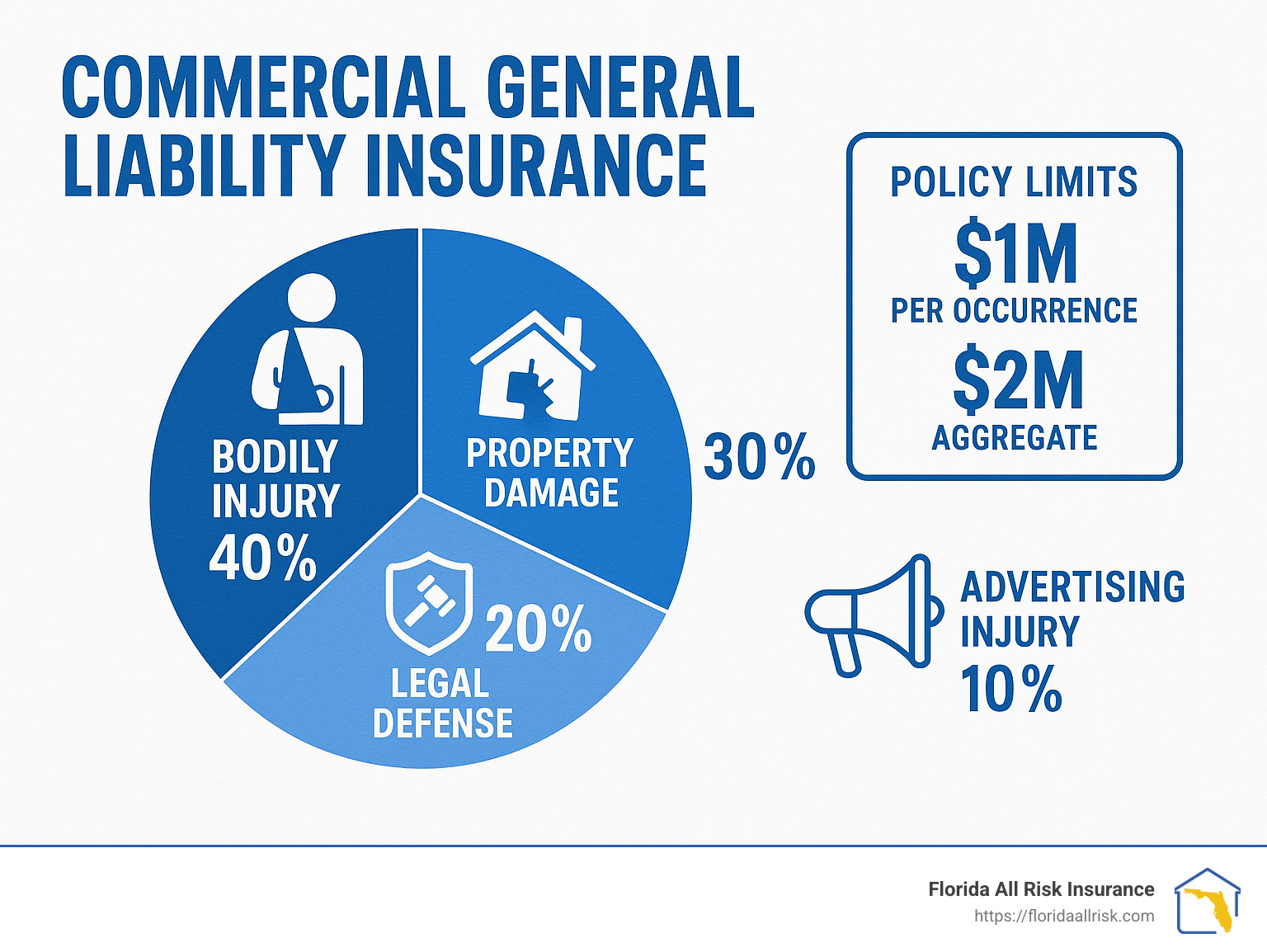
In the current 2026 legal landscape, "standard" limits are shifting. For many years, the industry standard was $1 million per occurrence and $3 million aggregate. However, as medical costs and legal settlements increase, many facilities are opting for higher tiers.
- Per Occurrence Limit: The maximum the insurer will pay for a single claim.
- Aggregate Limit: The maximum the insurer will pay during the entire policy year for all claims combined.
For a facility employing multiple therapists, the aggregate limit is particularly important. A $3 million aggregate can be exhausted quickly if multiple practitioners are involved in a single systemic issue (such as a faulty piece of equipment used by many patients).
| Feature | Basic Facility Plan | Enhanced Facility Plan | Premium Enterprise Plan |
|---|---|---|---|
| Professional Liability | $1M / $3M | $2M / $4M | $5M+ Custom |
| General Liability | $1M / $3M | $1M / $3M | $2M / $4M |
| Cyber Liability | Limited ($50k) | Standard ($250k) | Comprehensive ($1M+) |
| HIPAA Defense | $25,000 | $50,000 | $100,000+ |
| Sexual Misconduct | Sub-limited | Full Policy Limit | Full Policy Limit |
Essential Specialized Riders and Endorsements
A standard liability policy may have gaps that leave an OT facility vulnerable to modern risks. When evaluating providers like HPSO (Healthcare Providers Service Organization) or CM&F Group, look for these essential endorsements.
Cyber Liability and Data Breach
In 2026, OT facilities rely heavily on Electronic Health Records (EHR) and telehealth platforms. A ransomware attack or a data breach involving sensitive patient information can be financially devastating. Cyber insurance covers the cost of forensic investigations, patient notification, credit monitoring services, and regulatory fines.
HIPAA Privacy Coverage
While related to cyber liability, HIPAA-specific coverage focuses on the legal defense and fines associated with violations of the Health Insurance Portability and Accountability Act. This includes accidental disclosures of Protected Health Information (PHI), whether digital or physical.
Sexual Misconduct and Physical Abuse Defense
This is a sensitive but necessary component for any facility. It provides a legal defense for the facility if an employee is accused of misconduct. Note that most policies will defend the facility against claims of "negligent supervision," but they will not provide indemnity (payouts) for the actual perpetrator of a criminal act.
Workplace Violence and Medical Director Coverage
If your facility has a Medical Director or uses specialized equipment like high-end robotic rehabilitation tools, ensure your policy reflects these specific roles and assets. Workplace violence endorsements provide for counseling and security upgrades following a traumatic incident on-site.
Evaluating the Insurance Carrier’s Strength
The "cheapest" policy is often the most expensive in the long run if the carrier lacks the financial stability to pay out claims years down the line. Use the following criteria to vet your 2026 provider:
- AM Best Rating: Look for a rating of "A" (Excellent) or better. This indicates the insurer’s financial ability to meet its ongoing insurance obligations.
- Defense Costs Outside Limits: This is a technical but vital detail. You want a policy where legal defense costs do not "eat into" your coverage limits. If you have a $1 million limit and legal fees cost $200,000, "Outside Limits" coverage ensures you still have the full $1 million available for a settlement.
- Consent to Settle: Some policies allow the insurer to settle a claim without your approval to save money. For a healthcare professional, a settlement can affect your reputation and license status. Look for a "true" consent-to-settle clause that gives you a voice in the decision.
Step-by-Step Selection Process for Facility Owners
Choosing the right policy should follow a logical progression to ensure no gaps in coverage exist.
Step 1: Risk Assessment
Identify the specific types of therapy provided. A facility focusing on "Hippotherapy" (horse therapy) or aquatic therapy has vastly different risks than a facility providing hand therapy in an office. List all employees, their licensure levels, and any independent contractors (1099s).
Step 2: Decide on Individual vs. Shared Limits
As a facility owner, you can choose to provide each therapist with their own individual limits under your master policy, or have everyone share the facility’s aggregate limit. Individual limits are more expensive but offer better protection for both the employee and the business owner.
Step 3: Review Contractual Requirements
If your facility provides services for a school district, a hospital system, or through a government contract, check their insurance requirements. They often mandate specific minimum limits (e.g., $2M/$4M) and require you to name them as an "Additional Insured."
Step 4: Compare Quotes and "Apples-to-Apples" Coverage
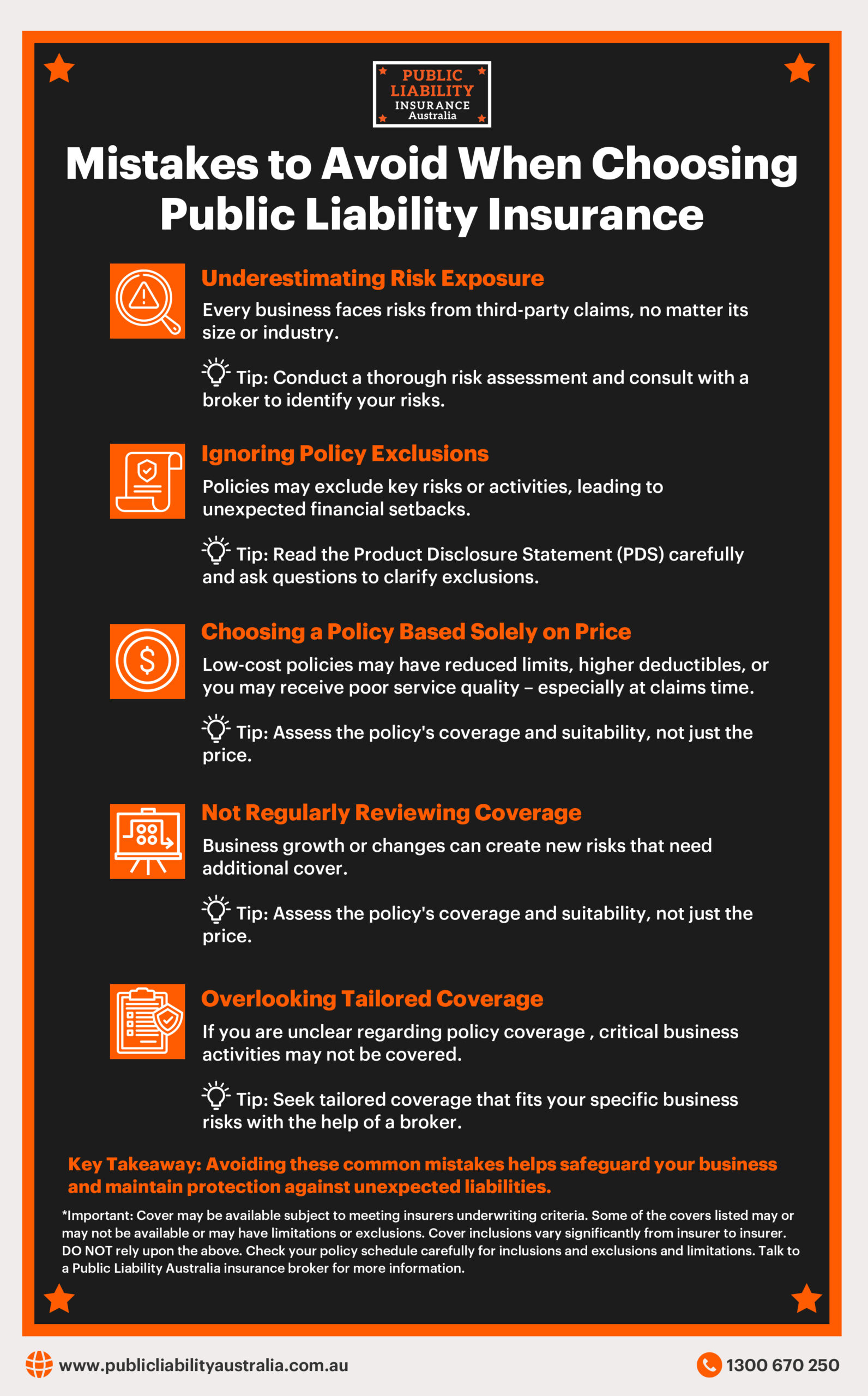
Do not just look at the premium. Compare the exclusions—what the policy won't cover. Common exclusions include experimental treatments not recognized by the American Occupational Therapy Association (AOTA) or criminal acts.
Common Mistakes to Avoid
- Assuming Employees' Individual Policies Cover the Facility: Many therapists carry their own personal liability insurance. While good for them, these policies rarely protect the entity (the facility) if the business is named in a lawsuit. The facility must have its own separate policy.
- Underestimating Cyber Risk: Many small clinic owners believe they are "too small to be hacked." In 2026, automated bots target any vulnerable IP address, making small healthcare providers prime targets for "smash and grab" data theft.
- Lapses in Tail Coverage: When switching from a claims-made policy to another provider, failing to purchase tail coverage creates a "gap" where no insurance exists for past treatments.
Frequently Asked Questions
Does my facility need separate insurance for independent contractors?
Most facility policies cover W-2 employees automatically. However, 1099 independent contractors often need to carry their own insurance and name your facility as an "Additional Insured." Some facility policies allow you to "add" contractors for an extra fee, which can be a great way to ensure uniform coverage.
What is the average cost of OT facility insurance in 2026?
Costs vary wildly based on the number of therapists, location (state laws impact premiums), and previous claims history. A small private practice might pay between $1,500 and $3,500 annually for a comprehensive package, while large multi-site facilities can reach tens of thousands of dollars.
If I provide telehealth, am I covered in other states?
Professional liability is usually tied to your license. If you are practicing OT across state lines via telehealth, you must ensure you are licensed in the patient's state and that your insurance policy covers "multi-jurisdictional practice." In 2026, most major carriers include telehealth as standard, but it is vital to verify.
What is "Vicarious Liability" in an OT facility context?
Vicarious liability is a legal doctrine that holds the facility owner responsible for the actions of their employees. Even if you, as the owner, did nothing wrong, you can be held liable for a therapist's mistake. Choosing a "Facility" policy specifically addresses this risk.
Does liability insurance cover board complaints?
Many professional liability policies include a specific "License Protection" or "Administrative Defense" benefit. This pays for legal representation if a therapist at your facility is called before a state licensing board, which is a separate process from a civil lawsuit.
Final Recommendation
When choosing OT liability insurance for your facility in 2026, prioritize occurrence-based coverage with defense costs outside the limits. Ensure the policy is issued by an A-rated carrier and explicitly includes cyber and HIPAA protection. Before signing, conduct a final audit to confirm that all staff members—including assistants and aides—are recognized under the policy definitions. Protecting your facility's financial future requires a policy that evolves as quickly as the clinical and technological landscape of occupational therapy.
Image Gallery
Select an image to open it in a new tab.

Omar Farooq
EdTech Innovation and Virtual Pedagogy Journalist
