Eliminating mold in a household with cats requires a multi-faceted approach that prioritizes the cat’s respiratory safety and the structural integrity of the home. Successful remediation involves identifying moisture sources, using pet-safe cleaning agents, preventing fungal regrowth through ventilation, and consulting a veterinarian if your cat shows signs of mold-induced respiratory distress or skin irritation.
Understanding the Risks of Mold for Cats
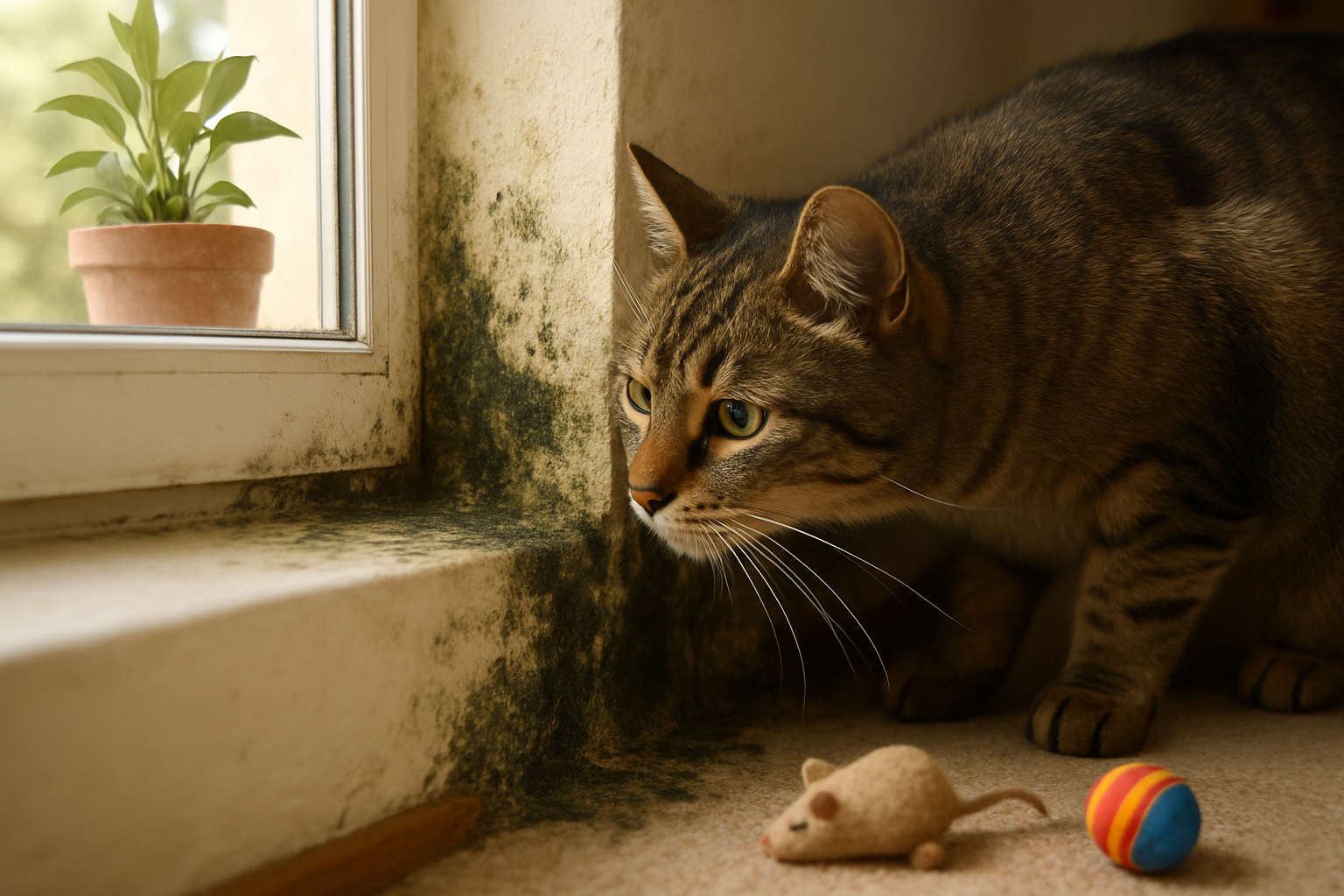
Mold—a collection of fungal organisms that thrive in damp, dark, and poorly ventilated environments—poses significant health risks to domestic cats. Unlike humans, cats spend a substantial amount of time close to the floor, sniffing objects and grooming themselves, which increases their exposure to spores.
When mold spores are inhaled, they can trigger allergic reactions, asthma-like symptoms, or more severe respiratory infections. Furthermore, if a cat grooms spores off its fur, it may ingest mycotoxins, which can lead to gastrointestinal distress or systemic illness. Recognizing the signs of mold exposure is the first step in effective remediation. Common symptoms include persistent sneezing, discharge from the nose or eyes, coughing, lethargy, or visible skin inflammation. If you suspect your cat is suffering from mold exposure, veterinary evaluation should precede any deep-cleaning project.
Prerequisites for Safe Mold Remediation
Before beginning any cleaning process, you must ensure your cat is safely removed from the affected area. Exposure to spores, volatile organic compounds (VOCs) from cleaning agents, and dust during the cleanup process can exacerbate underlying health issues.
- Relocation: Move the cat to a separate, well-ventilated room or an alternative location until the area is completely cleaned and dried.
- Personal Protective Equipment (PPE): Wear gloves, a N95-rated respirator mask, and goggles to protect yourself from spore inhalation during the scrubbing process.
- Moisture Identification: Mold is a symptom of water intrusion. Before cleaning, locate and fix the leak—whether it is a plumbing issue, roof condensation, or high humidity—otherwise, the mold will inevitably return.
- Tool Preparation: Gather HEPA-filtered vacuum cleaners, microfiber cloths, and safe, non-toxic cleaning agents. Avoid using harsh chemicals like heavy-duty bleach without proper dilution and thorough ventilation, as these fumes are highly irritating to feline respiratory systems.
Selecting Safe Cleaning Agents
Many conventional mold-removal products rely on chlorine bleach or potent synthetic fungicides. While effective on non-porous surfaces, these products can leave harmful residues that are dangerous to cats who walk on or brush against the treated area.
Recommended Approaches
- White Vinegar: Undiluted white distilled vinegar is a highly effective, natural solution for killing most mold species on non-porous surfaces. It is acidic enough to destroy the structure of the mold without producing toxic fumes that would harm a cat.
- Hydrogen Peroxide: A 3% hydrogen peroxide solution acts as an antifungal and antibacterial agent. It is safe to use on many surfaces but should be tested on a small, hidden area first to ensure it does not bleach fabrics or wood.
- Commercial Pet-Safe Cleaners: Look for EPA-registered products that specifically list "pet-safe" or "non-toxic" on their labels, ensuring they are free from ammonia, phthalates, and harsh fragrances.
Comparison of Cleaning Agents for Cat-Friendly Households
| Agent | Suitability | Limitation | Best Use |
|---|---|---|---|
| White Vinegar | High | Lingering odor | Hard surfaces (tile, glass) |
| Hydrogen Peroxide | Moderate | Potential bleaching | Porous surfaces (non-colored) |
| Baking Soda | High | Requires scrubbing | Odor neutralization |
| Chlorine Bleach | Low | Dangerous fumes | Only for severe, non-porous mold |
Step-by-Step Remediation Process
Once the environment is prepped and the cat is safely tucked away, follow these procedures to remove mold effectively.
Step 1: Containment
Seal off the room you are cleaning using plastic sheeting if possible to prevent spores from circulating through your HVAC system. Turn off forced-air heating or cooling to stop the spread of spores to other areas of the house.
Step 2: Dry and Vacuum
Use a vacuum cleaner equipped with a HEPA (High-Efficiency Particulate Air) filter to capture loose spores. Standard vacuums often lack the filtration necessary to catch microscopic mold spores and may simply redistribute them into the air. Do not use a wet-dry vacuum unless it is specifically designed for mold remediation and has undergone a thorough decontamination after use.
Step 3: Scrubbing the Surface
Apply your chosen cleaning solution (such as a 50/50 mix of white vinegar and water) to the moldy surface. Let the solution sit for at least 15 to 30 minutes. Scrub the area thoroughly with a soft brush or cloth. If the mold is on porous items—such as curtains, carpets, or drywall—consider disposing of them. Porous materials are difficult to clean completely and often remain reservoirs for spores even after treatment.
Step 4: Thorough Drying
The final, and most important, step is to dry the area completely. Wipe the surfaces with a dry cloth and use dehumidifiers or fans directed at the cleaned area. Moisture is the catalyst for mold growth; if you do not achieve complete dryness, the cleanup efforts will be ineffective.
Preventing Recurrence
After the remediation, maintain a moisture-controlled environment to prevent the mold from returning.
- Humidity Control: Aim for indoor humidity levels between 30% and 50%. Dehumidifiers are essential in basement or crawlspace areas.
- Ventilation: Ensure that high-moisture rooms, such as bathrooms and laundry rooms, are adequately ventilated with exhaust fans.
- Fabric Management: Keep cat bedding and soft furniture away from exterior walls, which are prone to temperature fluctuations and condensation. Regularly wash cat bedding in hot water and dry it on a high-heat cycle to kill any lingering spores.
- Monitoring: Periodically inspect areas where leaks were previously found. Early detection of water intrusion is significantly easier to manage than an established mold colony.
When to Call Professionals
If the moldy area covers more than 10 square feet, or if the mold has compromised the structural integrity of your home (such as soft or crumbling drywall), it is advisable to hire professional mold remediation services. Professionals have the specialized training and industrial-grade equipment—such as air scrubbers and moisture meters—to remove extensive contamination while protecting the household from cross-contamination. Ensure the contractor understands you have pets and requests the use of low-toxicity or non-toxic remediation protocols.
Frequently Asked Questions
1. Is it safe to use bleach to remove mold if I have a cat? Bleach is generally discouraged in households with cats because the fumes can severely irritate feline lungs, and the residue can be toxic if a cat walks on the surface and then grooms its paws. If you must use a bleach solution, ensure the area is perfectly ventilated, keep the cat away for at least 24 hours, and rinse the surface thoroughly with water afterward to remove chemical residue.
2. How do I know if my cat is sick from mold exposure? Look for sudden changes in behavior or physical health, such as coughing, wheezing, sneezing, or discharge from the eyes and nose. Skin irritation, such as redness or excessive scratching, can also be a sign. If your cat displays these symptoms, consult your veterinarian to rule out infections or allergic reactions.
3. Should I throw away my cat’s carpeted cat tree if it has mold? Yes. Mold on porous items like carpeted cat trees or scratching posts is nearly impossible to remove entirely. The spores embed deep into the fabric and backing. Because cats spend so much time on these items—often rubbing their faces against them—discarding the item is the safest way to protect your cat from recurring exposure.
4. Can I use an ozone generator to kill mold while my cat is home? No. Ozone generators are hazardous to both humans and pets. They produce ozone gas, which is a lung irritant that can cause permanent respiratory damage. Never operate an ozone generator in a home where pets or humans are present.
5. How long should I keep my cat out of the cleaned area? It is best to keep your cat away from the area until the surfaces are completely dry and the cleaning products have dissipated. Depending on the room and the cleaning agents used, this usually takes 24 to 48 hours. Ensure the room is well-ventilated during this period.
Final Recommendation
Effective mold remediation in a cat-friendly home hinges on the total removal of the moisture source followed by non-toxic cleaning. Start by isolating your cat from the affected area, use safe cleaners like white vinegar to avoid chemical toxicity, and prioritize the removal of porous, contaminated materials that cannot be fully sanitized. Always monitor your cat’s health post-remediation and address any lingering humidity issues immediately to prevent recurrence.
Image Gallery
Select an image to open it in a new tab.
Omar Farooq
EdTech Innovation and Virtual Pedagogy Journalist
