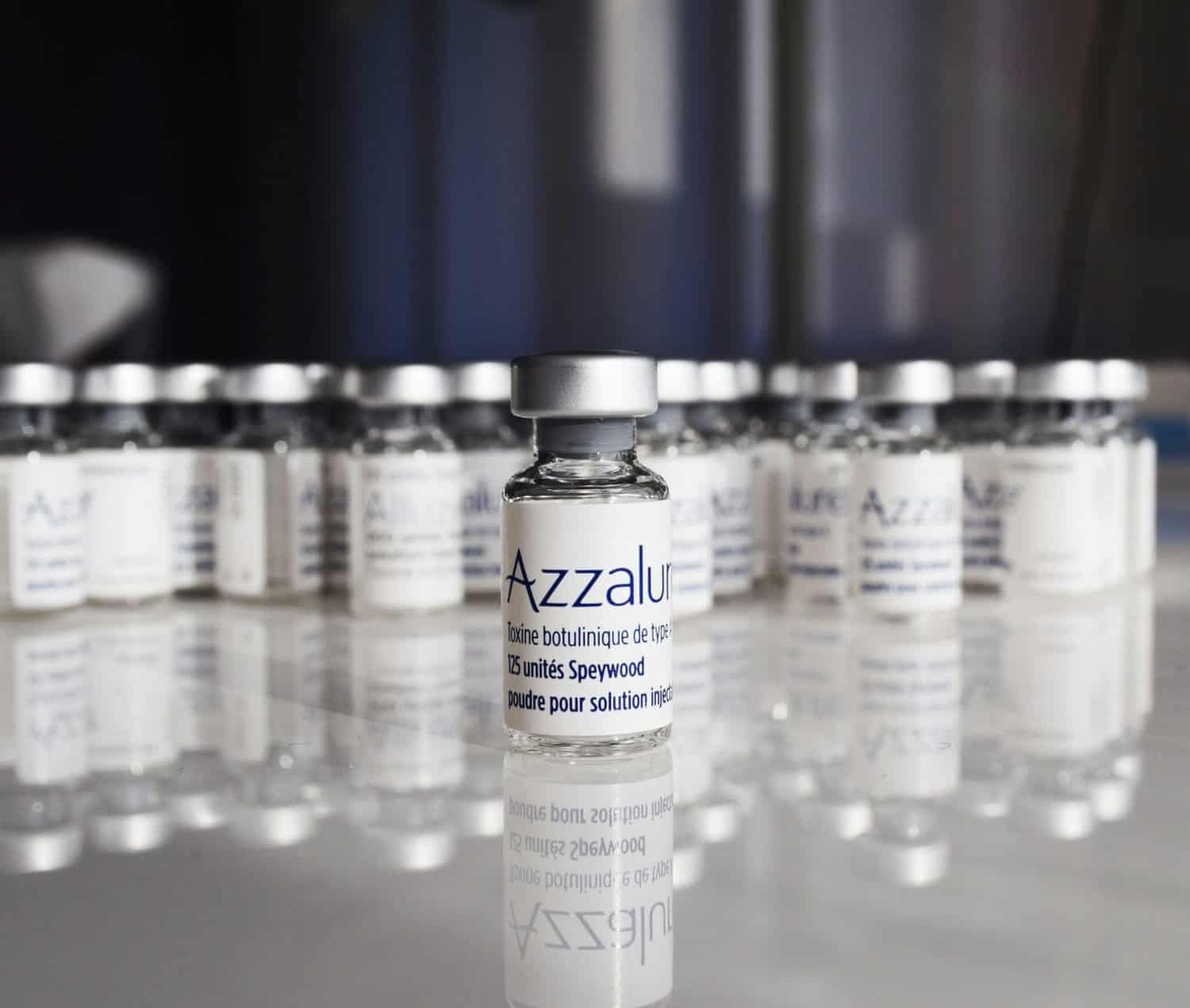
In 2026, the average wholesale cost of a 100-unit vial of Botox Cosmetic for medical providers ranges between $650 and $750, while a 50-unit vial typically costs between $350 and $425. For patients, treatment is rarely priced by the vial, but rather per unit, typically ranging from $12 to $25 per unit depending on provider expertise and geographic location.
Understanding the Unit vs. Vial Pricing Model
To understand Botox pricing, one must first distinguish between the wholesale market (what the doctor pays) and the retail market (what the patient pays). Botox, manufactured by AbbVie (formerly Allergan Aesthetics), is a lyophilized (vacuum-dried) powder that comes in glass vials. It is not a liquid until a medical professional reconstitutes it with preservative-free saline.
Why Practitioners Buy Vials
Medical practices, including dermatology offices and plastic surgery clinics, purchase Botox in bulk directly from the manufacturer or authorized distributors. They purchase these in specific vial sizes—most commonly 50 units or 100 units. Occasionally, 200-unit vials are used in hospital settings for therapeutic purposes, such as treating chronic migraines or severe muscle spasticity.
Purchasing by the vial allows the practice to manage inventory, but it also introduces financial risk. Once a vial is reconstituted, its potency begins to degrade. While clinical studies have shown some stability for up to several weeks if refrigerated, the FDA-approved labeling traditionally suggests use within a very short window (often 24 hours) for optimal safety and efficacy. Therefore, a provider must ensure they have enough patients scheduled to use the entire vial to avoid "product waste," which directly impacts their bottom line.
Why Patients Pay Per Unit
For the average patient seeking to smooth forehead lines or "crow’s feet," a full 100-unit vial is often far more than is necessary for a single session. A standard cosmetic treatment for the upper face typically requires 30 to 60 units. If a patient were forced to buy an entire vial, they would be paying for product they do not need.
By pricing "per unit," providers can charge patients only for the exact amount of neuromodulator injected. This makes the treatment accessible while allowing the clinic to distribute the cost of a single vial across multiple appointments. However, some boutique clinics in 2026 have moved toward "area-based pricing," where a flat fee is charged for a specific zone (e.g., the glabella), regardless of the exact number of units used.
Average Botox Cost Per Vial in 2026
The cost of Botox is subject to annual price increases by the manufacturer. As of 2026, the market has stabilized following the inflationary spikes of the early 2020s, but premium branding remains a factor in Botox’s higher price point compared to some of its competitors.
100-Unit Vial: The Industry Standard
The 100-unit vial is the "gold standard" for most high-volume injectors.
- Wholesale Price: $650 – $750 (Practitioner cost).
- Retail Value: $1,200 – $2,500 (Total revenue generated for a clinic). The wide gap between wholesale and retail reflects the "all-in" cost of the procedure, which includes the injector’s skill, the facility's overhead, medical supplies (syringes, saline), and liability insurance.
50-Unit Vial: The Small-Scale Option
Smaller practices or those who offer Botox as a secondary service often prefer the 50-unit vial.
- Wholesale Price: $350 – $425. While the 50-unit vial is cheaper upfront, the cost per unit is often slightly higher than the 100-unit version, meaning the practitioner has tighter margins or must charge the patient more.
200-Unit Vial: Therapeutic Use
Large medical institutions treating conditions like cervical dystonia or overactive bladder often utilize the 200-unit vial.
- Wholesale Price: $1,250 – $1,400. These are rarely found in standard "med spas" because the high volume of product is difficult to utilize on a single aesthetic patient without over-treating.

Factors Influencing the Cost of a Botox Vial
Several variables determine why a vial of Botox costs more in one setting than another. These factors apply both to the price a doctor pays and the price a consumer eventually sees on their invoice.
Manufacturer Pricing and Volume Discounts
AbbVie utilizes a tiered pricing structure for providers. A large-scale aesthetic group that purchases thousands of vials per month receives a lower "per-vial" rate than a solo practitioner who orders ten vials at a time. In 2026, these bulk-buy programs are more digitized, with providers using automated inventory systems to lock in rates. If a provider is paying $600 per vial due to volume, they can afford to offer "specials" to patients that a smaller clinic simply cannot match.
Geographic Location and Socioeconomics
The cost of living in a specific region dictates the overhead for a medical practice. A clinic in Manhattan or Beverly Hills faces significantly higher rent, labor costs, and insurance premiums than a clinic in a rural area. Consequently, even if the wholesale cost of the vial is identical, the retail price per unit—and the perceived value of the vial—will be higher in metropolitan hubs.
The "Cold Chain" Logistics
Botox is a temperature-sensitive biological product. It must be shipped in specialized cold-chain packaging and stored in medical-grade refrigerators. In 2026, the costs associated with specialized shipping and carbon-neutral medical logistics have been integrated into the base price of the vial. Any failure in the cold chain renders the vial useless, making the logistics of Botox one of its hidden costs.
Botox vs. Competitors: A 2026 Cost Comparison
While Botox (onabotulinumtoxinA) is the most recognized brand, several other neuromodulators are available in 2026, each with its own vial pricing and unit-potency ratio.
| Product Name | Typical Vial Size | Est. Wholesale Cost (2026) | Potency Ratio to Botox |
|---|---|---|---|
| Botox | 100 Units | $650 - $750 | 1:1 |
| Dysport | 300 Units | $550 - $650 | 3:1 (Needs more units) |
| Xeomin | 100 Units | $500 - $600 | 1:1 |
| Jeuveau | 100 Units | $550 - $650 | 1:1 |
| Daxxify | 100 Units | $800 - $1,000 | Variable (Longer lasting) |
Dysport (AbobotulinumtoxinA)
Dysport is often cheaper per vial, but it contains "smaller" units. Usually, it takes about 2.5 to 3 units of Dysport to equal the muscle-relaxing strength of 1 unit of Botox. Therefore, while a 300-unit vial of Dysport might seem like a bargain, the total number of "treatment equivalents" is often similar to a 100-unit vial of Botox.
Xeomin (IncobotulinumtoxinA)
Known as the "naked" injectable, Xeomin contains no accessory proteins. It is often priced lower than Botox because it does not require refrigeration before reconstitution, significantly lowering shipping and storage costs. This cost saving is often passed down to the patient.
Daxxify (DaxibotulinumtoxinA-lanm)
Daxxify entered the market as a premium, long-lasting alternative. In 2026, it remains the most expensive per vial. However, because it can last up to 6–9 months (compared to Botox’s 3–4 months), practitioners often price it at a premium, justifying the vial cost by the reduced frequency of visits required for the patient.
The Logistics of a Botox Vial: Reconstitution and Waste
One of the most misunderstood aspects of Botox pricing is the reconstitution ratio. A 100-unit vial of Botox is a vacuum-sealed bottle containing a tiny amount of dried powder. To inject it, a provider must add a liquid (diluent), typically 0.9% Sterile Non-Preserved Sodium Chloride.
The Impact of Dilution
There is no industry-wide "standard" for how much saline is added to a vial. Some injectors prefer a "highly concentrated" mixture (e.g., 1.0 mL of saline per 100 units), while others prefer a "more dilute" mixture (e.g., 2.5 mL or 4.0 mL per 100 units).
- Concentrated: Provides more precision and less "spread" to neighboring muscles.
- Dilute: Allows the product to spread over a larger area, which some prefer for forehead treatments.
Crucially, the number of units in the vial remains the same (100 units) regardless of how much saline is added. However, if a provider over-dilutes the product to save money—a practice frowned upon in the medical community—the patient may receive a less effective treatment that wears off quickly.
Dead Space and Needle Loss
When calculating the cost of a vial, practitioners must account for "dead space." This is the tiny amount of liquid that remains in the hub of the syringe and the needle after the plunger is fully depressed. Over the course of a 100-unit vial, this "lost" product can equate to 3–5 units. In 2026, many high-end clinics use "Low Dead Space" (LDS) syringes to minimize this waste, ensuring that every dollar spent on the vial is utilized.
Legal and Safety Considerations: Avoiding Counterfeit Vials
The high cost of Botox vials has unfortunately created a market for counterfeit products. In 2026, the FDA and international regulatory bodies continue to warn against "Botox" purchased from unauthorized overseas pharmacies or non-medical websites.
Risks of "Black Market" Vials
Counterfeit vials often lack the actual botulinum toxin or contain inconsistent doses that can lead to:
- Iatrogenic Botulism: If the toxin is too concentrated or contaminated.
- Treatment Failure: If the vial contains only inert powder.
- Severe Infection: Due to non-sterile manufacturing environments.
Practitioners are legally required to purchase Botox through authorized channels (such as AbbVie’s direct portal). Patients should be wary of prices that seem "too good to be true." If a clinic is charging $7 per unit in 2026, they are likely losing money on every injection unless they are using a non-FDA-approved or counterfeit vial, as $7 is very close to the actual wholesale cost of the product alone.
Insurance, Therapeutic Use, and Savings Programs
While cosmetic Botox is almost never covered by insurance, Botox used for medical (therapeutic) purposes is a different story.
Insurance Coverage for Therapeutic Botox
If a physician prescribes Botox for chronic migraine, hyperhidrosis (excessive sweating), or cervical dystonia, the insurance company often pays for the vial. In these cases, the pharmacy or the doctor’s office "bills" the insurance for the 100-unit or 200-unit vial. The patient may only be responsible for a co-pay. Because therapeutic doses are much higher (often 155 units for migraines), the cost per treatment session can exceed $1,500.
Alle and Loyalty Programs
In 2026, AbbVie’s "Alle" program remains the dominant way for consumers to offset the cost of Botox. For every treatment, patients earn points that translate into dollar amounts for future vials. This ecosystem encourages brand loyalty and effectively lowers the "out-of-pocket" cost for the patient without the provider having to lower their service fees.
Summary Table: 2026 Botox Pricing Comparison
| Tier | Estimated Cost | Basis | Best For |
|---|---|---|---|
| Wholesale (50u) | $350 - $425 | Per Vial | Low-volume clinics, localized touch-ups. |
| Wholesale (100u) | $650 - $750 | Per Vial | Standard aesthetic practices. |
| Retail (National Avg) | $12 - $18 | Per Unit | Average consumer in mid-market cities. |
| Retail (Premium) | $20 - $25 | Per Unit | Specialist injectors in high-cost-of-living areas. |
| Therapeutic (Migraine) | $1,200 - $1,800 | Per Session | Patients with medical insurance coverage. |
Frequently Asked Questions
Can I buy a vial of Botox for myself?
No. Botox is a prescription-only medication and a controlled biological substance. In most jurisdictions, it can only be purchased by a licensed medical professional (MD, DO, NP, PA, or DDS). Attempting to buy a vial for self-administration is illegal and extremely dangerous due to the risk of facial paralysis or systemic toxicity.
How long does a vial of Botox last after it’s opened?
The official manufacturer guidelines typically recommend using the vial within 24 hours of reconstitution. However, many practitioners in clinical settings safely use a refrigerated vial for up to 2 weeks without a noticeable loss of potency, provided it was reconstituted with bacteriostatic saline and handled under strict sterile conditions.
Why is the price per vial so much higher than it was 10 years ago?
The price increase is driven by a combination of inflation, the high cost of maintaining cold-chain logistics, and continued research and development by the manufacturer. Additionally, as a biological product rather than a simple chemical drug, the manufacturing process for Botox is exceptionally complex and highly regulated.
Does a 100-unit vial actually have exactly 100 units?
Yes, the manufacturer ensures that the vacuum-dried powder contains the labeled units. However, due to "dead space" in syringes and the process of drawing the liquid out of the vial, most injectors find they can only successfully extract about 94 to 97 usable units from a 100-unit vial.
Is it cheaper to buy a whole vial than to pay per unit?
Some clinics allow patients to "pre-purchase" a 100-unit vial at a discounted rate, which the patient can then use over two or three sessions. This can be more cost-effective for "heavy users," but you must ensure the clinic has a reliable way to track your "banked" units and that the product used for each session is fresh.
Practical Recommendation
When evaluating the cost of Botox, do not shop by price alone. A low price per vial or per unit often indicates a provider is cutting costs elsewhere—perhaps by over-diluting the product, using inexperienced injectors, or purchasing vials from unauthorized sources.
If you are a patient, ask your provider which vial size they use and how they ensure the freshness of the product. If you are a practitioner, focus on maximizing your "yield" per vial by using low-dead-space syringes and optimizing your scheduling to minimize waste. In 2026, the most successful approach to Botox pricing remains a balance between transparent unit-based costs and the high-quality medical expertise required to administer the toxin safely.
Image Gallery
Select an image to open it in a new tab.
Vivian Cho
Executive IT and Emerging Technologies Reporter
