Visiting the Amish in Ethridge, Tennessee: A Comprehensive 2026 Guide
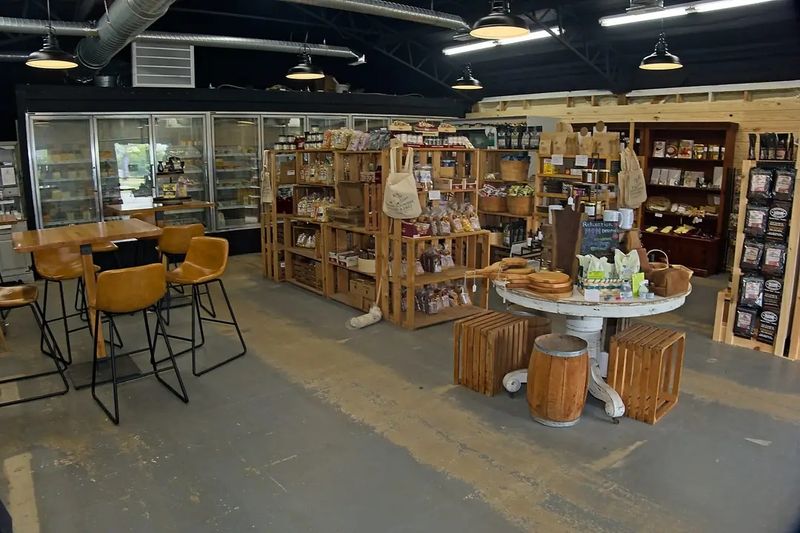
Ethridge, Tennessee, is home to the largest and most conservative Amish community in the South, offering a rare window into a lifestyle defined by simplicity, faith, and traditional craftsmanship. Located in Lawrence County, roughly 80 miles south of Nashville, this community belongs to the Swartzentruber Amish sect, which maintains some of the strictest interpretations of Old Order life, eschewing modern conveniences such as electricity, indoor plumbing, and rubber-tired vehicles.
Visiting the Amish community in Ethridge is not like visiting a theme park or a curated museum; it is a journey into a functioning, private society. To have a successful experience in 2026, visitors must understand the cultural nuances of the Swartzentruber Amish, the logistics of navigating rural Lawrence County, and the specific etiquette required when interacting with a community that prioritizes humility and separation from the "English" (non-Amish) world.
The History and Identity of the Ethridge Settlement
The Amish presence in Tennessee began in earnest in 1944. Seeking a location that allowed for greater isolation and more affordable farmland than was available in the northern states, several families moved from Mississippi to the fertile grounds of Lawrence County. Over the subsequent eight decades, this settlement has grown significantly, now comprising dozens of church districts and hundreds of families.
The Ethridge Amish are specifically Swartzentruber Amish. This is a critical distinction for any visitor to understand. While the Amish in places like Lancaster, Pennsylvania, or Holmes County, Ohio, may occasionally use telephones in outbuildings or employ certain modern technologies for business, the Swartzentruber sect is far more restrictive. You will notice that their buggies are strictly horse-drawn with steel-rimmed wheels, they do not use tractors in their fields, and their homes lack the colorful flower gardens or decorative elements often seen in more progressive Amish settlements. Their focus is almost entirely on utility, subsistence, and religious devotion.
Preparing for Your Visit: Timing and Logistics
As of 2026, the Ethridge Amish community remains a major destination for those seeking authentic handmade goods and a slower pace of life. However, because the community does not use the internet or telephones, planning requires some foreknowledge.
When to Go
The best time to visit is between late March and early November. This window aligns with the growing season and the peak period for craft production.
- Mondays through Saturdays: These are the standard business days. Shops typically open around 8:00 AM and close at dusk.
- Sundays: The community is strictly closed to outsiders on Sundays for worship and rest. Do not attempt to visit farms or shops on this day.
- Seasonal Highlights: Spring brings greenhouses and plant sales; summer offers a bounty of produce like sweet corn and tomatoes; autumn is famous for pumpkins, mums, and the pressing of sorghum.
Getting There and Getting Around
Ethridge is situated along Highway 43. Upon arriving in the town of Ethridge, your first stop should be one of the local "Welcome Centers" or tourism hubs located on the main road. These centers provide essential tools that you cannot find on GPS:
- Amish Maps: Local businesses produce hand-drawn maps that indicate which farms are selling specific items (e.g., "Farm 12: Baskets," "Farm 45: Harnesses").
- Wagon Tours: If you prefer not to drive your own vehicle onto the gravel backroads, several companies offer horse-drawn wagon tours. These are highly recommended for first-time visitors as the guides provide historical context and ensure you only visit farms that are open to the public.

Navigating the Backroads and Identifying Shops
Once you leave the main highway and enter the grid of gravel roads where the Amish reside, the pace of life slows significantly. Navigating this area requires a blend of observation and intuition.
The "Sign" System
Because the Amish do not use digital advertising, they rely on simple wooden signs at the end of their driveways. If a farm has a sign listing products (such as "Eggs," "Furniture," or "Fried Pies"), they are open for business. If there is no sign, or if the sign is turned around or covered, the family is not accepting visitors at that time.
Driving Safety
The roads in Ethridge are shared between modern vehicles and horse-drawn buggies. In 2026, traffic safety remains a primary concern.
- Speed: Maintain a low speed on gravel roads to avoid kicking up dust and gravel onto horses or buggies.
- Passing: Only pass a buggy when you have a clear line of sight. Horses can be unpredictable, though most Amish horses in Ethridge are well-trained.
- Dusk: Swartzentruber buggies use minimal lighting—usually just lanterns and reflective tape. Be extremely cautious if driving near the settlement as the sun sets.
Artisanship and Goods: What to Buy in Ethridge
The Ethridge Amish are renowned for their functional, high-quality handiwork. Unlike mass-produced "Amish-style" goods found in big-box stores, the items here are made on-site using traditional tools.
Hand-Woven Baskets
The baskets in Ethridge are a staple of the community. Made from split white oak or other local hardwoods, these baskets are designed for heavy use. You can find everything from small decorative baskets to large laundry hampers and "market baskets" used for grocery shopping.
Custom Wood Furniture
Furniture is perhaps the most significant export of the Ethridge community. The Swartzentruber craftsmen specialize in solid wood construction—primarily oak, cherry, and walnut. Common items include:
- Dining Sets: Large tables with leaf extensions and hand-turned chairs.
- Bedroom Suites: Heavy bed frames, dressers, and nightstands.
- Outdoor Furniture: Cedar gliders, Adirondack chairs, and picnic tables. Note that for large items, you may need to arrange for your own shipping or have a vehicle capable of hauling the furniture home. Some local "English" businesses offer delivery services for Amish-made furniture.
Leather Goods and Tack
Given their reliance on horses, the Amish are expert leatherworkers. Visitors can purchase high-quality belts, wallets, and purses, as well as functional horse tack like bridles and harnesses. The durability of these leather goods often far exceeds modern commercial alternatives.
Seasonal Produce and Foods
The "Amish diet" is reflected in the goods sold to the public.
- Sorghum: Ethridge is famous for its sorghum syrup. In the fall, you can often see the horse-powered mills pressing the cane to extract the juice.
- Baked Goods: Fried pies (especially peach and apple), sourdough breads, and "half-moon" cookies are popular.
- Preserves: Jams, jellies, and pickled vegetables (like chow-chow) are sold in glass jars and are a favorite for tourists.
| Category | Typical Products | Best Time to Purchase |
|---|---|---|
| Produce | Corn, Tomatoes, Squash, Melons | July – September |
| Baked Goods | Fried Pies, Bread, Cinnamon Rolls | Year-round (Mon-Sat) |
| Woodwork | Baskets, Birdhouses, Puzzled Toys | Year-round |
| Heavy Furniture | Dining Tables, Rocking Chairs | Year-round (Inventory varies) |
| Canning | Sorghum, Jams, Pickles | September – October |
| Plant Nursery | Bedding Plants, Vegetable Starts | April – May |
Essential Etiquette and Cultural Sensitivity
The Amish in Ethridge are a private, religious people. While they welcome the economic support that tourism brings, they do not wish to be treated as a spectacle. Following these rules is essential for maintaining a respectful relationship.
The Strict "No Photo" Policy
The Swartzentruber Amish believe that photographs are a form of "graven image" and a sign of vanity. Do not take photos or videos of Amish individuals. This includes "candid" shots from your car window. If you wish to take a photo of a building or a landscape, it is polite to ask permission if an Amish person is nearby, and ensure no people are in the frame. Violating this rule is considered deeply offensive and can lead to you being asked to leave the property.
Dress and Conduct
You do not need to wear Amish clothing, but dressing modestly (covering shoulders and knees) is a sign of respect when entering their homes or shops. Avoid playing loud music in your vehicle when driving through the community.
Financial Transactions
The Amish do not use credit cards, debit cards, or digital payment apps like Venmo. Everything is cash-only. Some of the larger furniture shops may occasionally accept a check, but you should never assume this. Bring small bills, as many farms may not have change for a hundred-dollar bill early in the day.
Interaction Style
The Amish are generally friendly but reserved. They may not engage in long "small talk" unless it pertains to the business at hand. Be direct but polite. If you are visiting a home to buy eggs or produce, remember that this is their private residence. Treat the transaction with the same decorum you would use when visiting a neighbor.
Supporting Infrastructure: Where to Eat and Stay
Because the Ethridge Amish do not operate hotels or commercial restaurants within their settlement, visitors rely on the surrounding town of Ethridge and the nearby city of Lawrenceburg.
- Dining: There are several "English-run" restaurants in Ethridge that cater to tourists, offering Southern-style buffets and "meat and three" meals. These are excellent places to try local favorites like fried catfish or country ham.
- Lodging: You will find several hotels and bed-and-breakfasts in Lawrenceburg (about 10 minutes south of Ethridge). There are also RV parks in the area for those traveling with trailers.
- The Welcome Centers: These are the primary hubs for information. They often have restrooms, snacks, and a variety of Amish-made goods collected from multiple farms, which is convenient if you do not have time to drive the backroads.
Common Mistakes to Avoid
- Treating Homes Like Museums: Amish shops are often located in "mudrooms" or outbuildings attached to their homes. Do not wander into the private living quarters or barns unless specifically invited.
- Assuming All Amish Are the Same: Do not compare the Ethridge Amish to those in Pennsylvania or Ohio while talking to them. The Swartzentruber sect takes pride in their specific traditions and level of "plainness."
- Haggling: The prices set by the Amish for their crafts are generally firm. They reflect the cost of materials and many hours of manual labor. Attempting to haggle is often seen as disrespectful to the craftsman.
- Neglecting the Map: It is very easy to get lost on the gravel roads. Cell phone towers are sparse in the rural parts of Lawrence County, and Google Maps does not list individual Amish farm shops. Always carry a physical map purchased from a local welcome center.
Frequently Asked Questions
Can I stay overnight in an Amish home?
No. The Swartzentruber Amish in Ethridge do not offer "farm stays" or overnight accommodations to the public. Their homes are kept private for family and church members. You should book a hotel or rental in nearby Lawrenceburg.
Is it okay to talk to the Amish children?
While the children are often curious, it is best to keep interactions brief and related to any purchase you are making. Do not offer them candy, toys, or money, as this can interfere with their parents' upbringing and their focus on simplicity.
Do I need a guide to see the community?
A guide is not strictly required, as you can drive the roads yourself using a purchased map. However, taking a wagon tour from a local provider is highly beneficial for those who want to learn about the history of the families and ensure they are following proper etiquette.
What happens if it rains?
The Amish community continues to function in the rain, though some outdoor displays of produce or furniture may be moved inside. Wagon tours may be affected by severe weather, but the farm shops generally remain open during their standard hours.
Are the prices cheaper in the Amish community?
While you are buying directly from the producer, do not expect "flea market" prices. You are paying for high-quality, handmade, solid-wood or hand-woven items. The value lies in the durability and craftsmanship rather than a "bargain" price point.
Final Recommendations for Your Trip
To get the most out of your visit to the Amish in Ethridge, Tennessee, in 2026, arrive early in the morning when the selection of baked goods is at its peak. Start your journey at a local Welcome Center to secure a map and check for any seasonal events. By approaching the community with a spirit of respect and a willingness to unplug from the modern world, you will gain more than just handmade goods—you will gain an appreciation for a culture that has successfully preserved its identity against the tide of modern change.
Image Gallery
Select an image to open it in a new tab.


