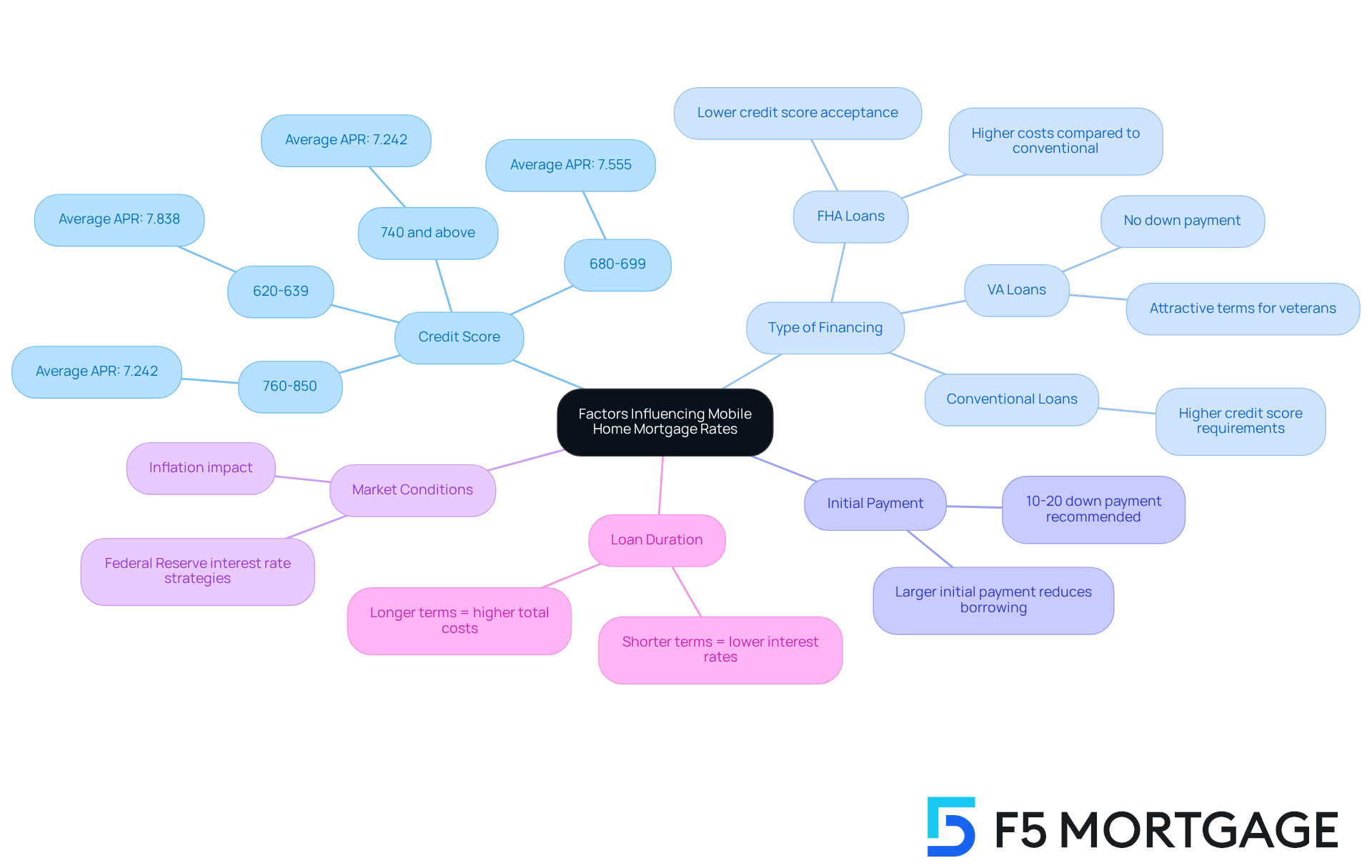
Navigating a Virginia home mortgage requires balancing personal financial health—such as credit scores and debt-to-income ratios—with state-specific opportunities like Virginia Housing programs. Factors including regional loan limits, recordation taxes, and property-specific requirements for rural or coastal areas significantly influence the total cost, interest rates, and overall eligibility of your home loan.
The mortgage landscape in the Commonwealth of Virginia is unique, shaped by a diverse geography that ranges from the high-density, high-cost markets of Northern Virginia (NoVa) to the rural expanses of the Shenandoah Valley and the military-centric hubs of Hampton Roads. As of 2026, the fundamental principles of mortgage lending remain rooted in risk assessment, but the specific application of these principles in Virginia involves distinct state-level programs and tax structures that every homebuyer must understand.
Core Financial Requirements for Virginia Borrowers
Before exploring state-specific programs, every borrower must satisfy the foundational pillars of mortgage lending. These factors determine not only if you qualify for a loan but also the interest rate you will be offered, which dictates your long-term wealth accumulation.
Credit Score and Tiered Pricing
In 2026, credit scoring remains the primary indicator of risk for lenders. In Virginia, while the minimum FICO score for a Federal Housing Administration (FHA) loan may be as low as 580, conventional lenders typically look for a score of 620 or higher. However, the "key factor" here is not just meeting the minimum, but reaching the "prime" tiers. Borrowers with scores above 740 often access the lowest available interest rates, whereas those in the 620 to 680 range may face significantly higher Private Mortgage Insurance (PMI) costs and interest rate adjustments.
Lenders in Virginia typically use the "tri-merge" credit report, pulling data from Equifax, Experian, and TransUnion. They generally use the middle of the three scores to determine your eligibility. If you are applying with a co-borrower, most programs will use the lower of the two borrowers' middle scores.
Debt-to-Income (DTI) Ratios
The DTI ratio is a mathematical comparison of your gross monthly income against your monthly debt obligations. In Virginia's competitive markets, such as Arlington or Virginia Beach, lenders scrutinize this heavily to ensure borrowers can withstand the high cost of living.
- Front-End Ratio: This is the percentage of your income that goes specifically toward your housing payment (Principal, Interest, Taxes, and Insurance, or PITI). Lenders generally prefer this to be below 28%.
- Back-End Ratio: This includes all monthly debts (car loans, student loans, credit cards) plus your new mortgage payment. Most conventional loans cap this at 43%, though some programs like FHA or VA (Department of Veterans Affairs) loans may allow up to 50% or higher with compensating factors.
Employment Stability
Virginia lenders typically require a two-year history of stable employment or a consistent line of work. For the high volume of government contractors and federal employees in the NoVa region, lenders look closely at contract expiration dates and the likelihood of renewal. If you are self-employed, you will need two years of tax returns to prove "qualifying income," which is often calculated based on net profit rather than gross revenue.
The Role of Virginia Housing (Formerly VHDA)
A defining factor in the Virginia mortgage market is the presence of Virginia Housing, the state’s housing finance agency. Established in 1972, this organization provides specialized mortgage products designed to make homeownership more attainable for Virginians.
Down Payment Assistance (DPA) Programs
One of the greatest hurdles for Virginia homebuyers is the upfront cash requirement. Virginia Housing offers several DPA programs, often in the form of a second mortgage with 0% interest or a grant that does not need to be repaid. These programs are typically restricted by household income limits and sales price ceilings, which vary by county. For example, the income limits for a household in the Richmond Metropolitan Area will differ from those in Fairfax County.
Mortgage Credit Certificates (MCC)
The MCC is a powerful but often overlooked factor in Virginia mortgages. It allows first-time homebuyers to claim a federal tax credit for a portion of the mortgage interest paid each year. Unlike a tax deduction, which reduces taxable income, a credit reduces the actual tax bill dollar-for-dollar. In 2026, Virginia Housing continues to facilitate these certificates, which can effectively lower the "net" interest rate for the borrower over the life of the loan.
Regional Loan Limits and Property Types
Virginia's diverse geography means that a "one size fits all" mortgage does not exist. The Federal Housing Finance Agency (FHFA) sets conforming loan limits annually, and these limits vary significantly across the Commonwealth.
High-Cost Areas vs. Standard Limits
In "high-cost" areas like Alexandria, Falls Church, and Loudoun County, the conforming loan limit is substantially higher than in rural areas like Rockbridge County. Borrowers seeking homes that exceed these limits must turn to Jumbo Loans, which often require higher down payments (typically 10-20%) and more stringent credit requirements. Understanding which side of the line your target property falls on is a critical factor in determining your down payment strategy.
Property-Specific Considerations
- Condominiums: If you are purchasing a condo in a high-rise in Rosslyn or a waterfront unit in Norfolk, the mortgage process involves "Project Approval." The lender must verify that the condo association is financially stable, has adequate insurance, and does not have too many delinquent dues-payers.
- Rural Properties: In Central and Southwest Virginia, many properties rely on well and septic systems. Mortgages for these homes often require specific inspections and water potability tests that are not necessary for urban properties.
- Flood Zones: With Virginia’s extensive coastline and river systems, many properties require mandatory flood insurance if they are located in a Special Flood Hazard Area (SFHA). This additional monthly cost can impact your DTI ratio and overall affordability.
Virginia-Specific Closing Costs and Taxes
When calculating the cost of a mortgage in Virginia, you must account for state-specific fees that can add thousands of dollars to the "cash to close."
Recordation Taxes
Virginia imposes a state recordation tax on the "grantee" (the buyer) for the recording of the deed and the deed of trust (the mortgage). This is typically calculated as a percentage of the sales price or the loan amount. Some localities also impose an additional local recordation tax, usually equal to one-third of the state fee.
Grantor’s Tax
While typically paid by the seller, the Grantor’s Tax is a factor in the overall negotiation of a Virginia real estate contract. In the "Northern Virginia Transportation District" and the "Hampton Roads Regional Transit District," there are often supplemental regional taxes that can affect the net proceeds of the transaction.
Title Insurance
Title insurance is a key factor in protecting your investment. In Virginia, it is customary for the buyer to purchase both a Lender’s Policy (required by the bank) and an Owner’s Policy (optional but highly recommended). Title insurance rates in Virginia are regulated, but the "simultaneous issue" of both policies can often save the borrower money if handled correctly by the settlement agent.
Comparison of Common Mortgage Types in Virginia
Choosing the right loan structure depends on your military status, location, and financial profile.
| Loan Type | Minimum Down Payment | Minimum Credit Score | Key Feature in Virginia |
|---|---|---|---|
| Conventional | 3% - 5% | 620 | Best for borrowers with high credit and 20% down to avoid PMI. |
| FHA | 3.5% | 580 | Popular in mid-priced markets; allows for lower credit scores. |
| VA Loan | 0% | Varies (often 580-620) | Vital for Virginia's large veteran population; no monthly PMI. |
| USDA Loan | 0% | 640 | For rural areas; income limits apply based on Virginia county. |
| Virginia Housing | 0% - 3% | 620 - 640 | Offers DPA and MCC for first-time buyers and certain repeat buyers. |
The Impact of Local Market Trends in 2026
By 2026, the Virginia mortgage market has adapted to the "new normal" of inventory constraints and digital-first lending.
Inventory and Appraisal Gaps
In many Virginia markets, demand continues to outpace supply. This often leads to bidding wars where the sales price exceeds the appraised value. A key factor in a Virginia mortgage is how you handle an "appraisal gap." Lenders will only loan based on the lesser of the sales price or the appraised value. If a home in Henrico County is under contract for $500,000 but appraises for $485,000, the borrower must cover the $15,000 difference out of pocket or renegotiate the price.
Digital Underwriting and Speed
Virginia is home to some of the nation's largest mortgage lenders and fintech hubs. The "Time to Close" has become a competitive factor. Borrowers who use lenders with robust digital platforms can often obtain "Verified Pre-Approvals," where an actual underwriter reviews their income and assets before they even find a home. In a competitive market like Fairfax, a 14-day or 21-day closing guarantee can be the factor that wins the deal.
Common Pitfalls for Virginia Borrowers
Even with a high credit score and a steady job, several factors can derail a mortgage application in the Commonwealth.
- Undisclosed Debts: Virginia lenders perform a "soft pull" of your credit right before closing. If you financed a new furniture set for your home in Chesapeake or leased a new car in Roanoke during the underwriting process, your DTI ratio could shift, leading to a loan denial at the eleventh hour.
- Unverifiable Gift Funds: If a relative is helping you with the down payment for a home in Richmond, the "paper trail" is essential. Virginia Housing and conventional lenders require a "gift letter" and proof of the transfer. Cash deposits that cannot be sourced are generally disallowed.
- Insurance Availability: In coastal areas like Virginia Beach or the Eastern Shore, securing affordable homeowners insurance has become more complex. If you cannot obtain a binder for insurance, the lender will not fund the loan. It is critical to get insurance quotes early in the process for properties in high-risk areas.
Frequently Asked Questions
What is the average closing cost percentage in Virginia?
In Virginia, closing costs typically range from 2% to 5% of the home's purchase price. This includes the recordation taxes, title insurance, appraisal fees, and lender origination charges. For a $400,000 home, you should budget between $8,000 and $20,000 in addition to your down payment.
Can I get a 0% down payment mortgage in Virginia if I'm not a veteran?
Yes. Aside from the VA loan, non-veterans can access 0% down payment options through the USDA Rural Development loan (for designated rural areas) or through Virginia Housing’s down payment assistance programs. Each has specific income and location requirements that must be met.
How does Northern Virginia (NoVa) differ from the rest of the state regarding mortgages?
The primary differences are the loan limits and the cost of living adjustments. NoVa is classified as a "high-cost" area by the FHFA, allowing for much larger conforming loan amounts. Additionally, property taxes in counties like Fairfax or Loudoun are often higher, which increases the monthly PITI payment compared to similar homes in Southern Virginia.
Is Virginia a "judicial" or "non-judicial" foreclosure state?
Virginia is primarily a non-judicial foreclosure state. This means the process can move relatively quickly if a borrower defaults on their mortgage. This speed often makes Virginia a favorable environment for lenders, which can sometimes result in more competitive interest rates compared to judicial states like New York or New Jersey.
Do I need a lawyer for a Virginia mortgage closing?
While Virginia law does not strictly require an attorney to conduct a real estate closing (it can be handled by a licensed settlement agent), many buyers and lenders choose to involve one. A settlement agent or attorney will handle the title search, prepare the closing disclosure, and ensure the deed is recorded properly with the local circuit court.
Practical Next Actions
If you are planning to secure a home mortgage in Virginia in 2026, your first step should be to obtain a comprehensive pre-approval from a lender familiar with Virginia-specific programs.
Begin by pulling your own credit reports to ensure there are no errors. Simultaneously, research the specific income limits for your target county if you plan to use Virginia Housing assistance. Because Virginia is a "Client-Level" state for many lenders, choosing a local officer who understands the nuances of regional recordation taxes and town-specific assessments can prevent costly surprises at the settlement table. Finally, always lock your interest rate as soon as you have a ratified contract to protect yourself against market volatility during the 30-to-45-day closing window.
Image Gallery
Select an image to open it in a new tab.
Akira Tanaka
International Academic Trends Correspondent
