Understanding the Most Dangerous Dogs in America: Statistics, Behavior, and Safety

Understanding the most dangerous dogs in America involves analyzing a combination of bite frequency, the severity of injuries inflicted, and the physical capacity of specific breeds. While any dog can bite, "dangerous" classifications typically focus on breeds statistically overrepresented in fatal attacks and those with high bite-force capabilities that lead to catastrophic medical outcomes.
The discussion surrounding dangerous dogs in the United States is often polarized between advocates for specific breeds and public safety experts. To understand the landscape in 2026, one must look past simple lists and examine the interplay of genetics, owner responsibility, environmental triggers, and the physical mechanics of different canine types. This analysis provides a comprehensive look at which dogs are considered high-risk and why, alongside the legal and safety implications for communities.
Defining "Dangerous": Statistics vs. Potential for Harm
When evaluating which dogs are the most dangerous, researchers typically distinguish between frequency of aggression and severity of damage. For instance, a small breed like a Chihuahua or a Dachshund may display higher levels of territorial aggression and bite more often than a larger dog. However, because they lack the physical mass and jaw strength to cause life-threatening injuries, they are rarely categorized as "dangerous" in a public health context.
The classification of "dangerous" is primarily reserved for breeds that, when they do bite, cause "level 4" or "level 5" injuries on the Dunbar Bite Scale. These involve deep punctures, tearing of tissue, and bone fractures. Data from the Centers for Disease Control and Prevention (CDC) and various trauma center studies indicate that a small percentage of dog breeds are responsible for the vast majority of hospitalizations and fatalities.
The Role of Statistical Overrepresentation
In the United States, Pit Bull-type dogs and Rottweilers consistently account for more than 70% of dog-related fatalities, despite making up a much smaller percentage of the total dog population. This statistical reality drives much of the insurance industry's policy-making and municipal legislation. However, experts caution that these statistics are often influenced by the popularity of certain breeds in high-risk environments and the frequent misidentification of mixed-breed dogs by victims and witnesses.
High-Risk Breeds and Their Physical Characteristics
Several breeds are frequently cited in literature regarding dangerous dogs due to their history as guardians, hunters, or fighting animals. These roles have selected for specific physical and behavioral traits that can become problematic in a domestic setting.
Pit Bull-Type Dogs
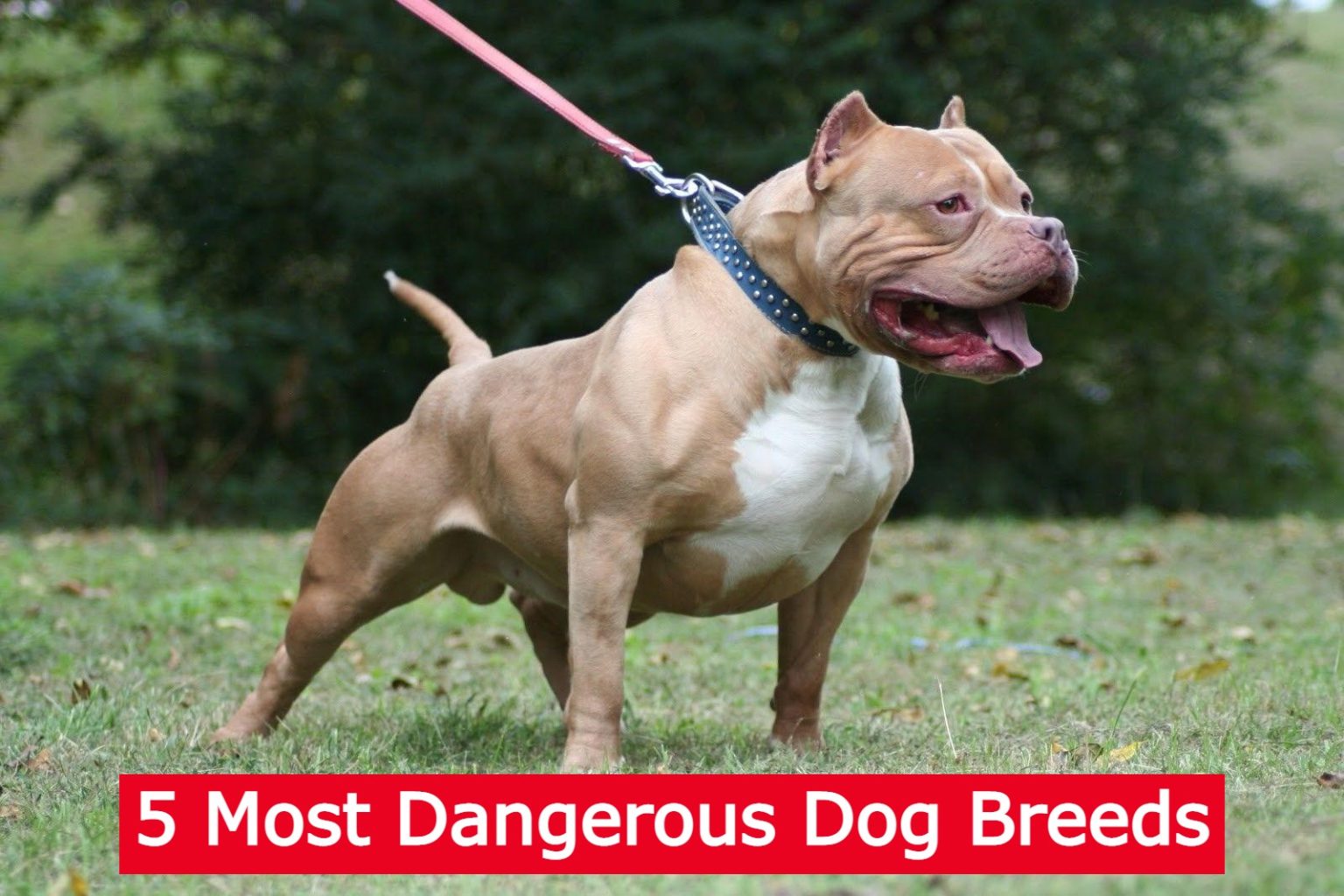
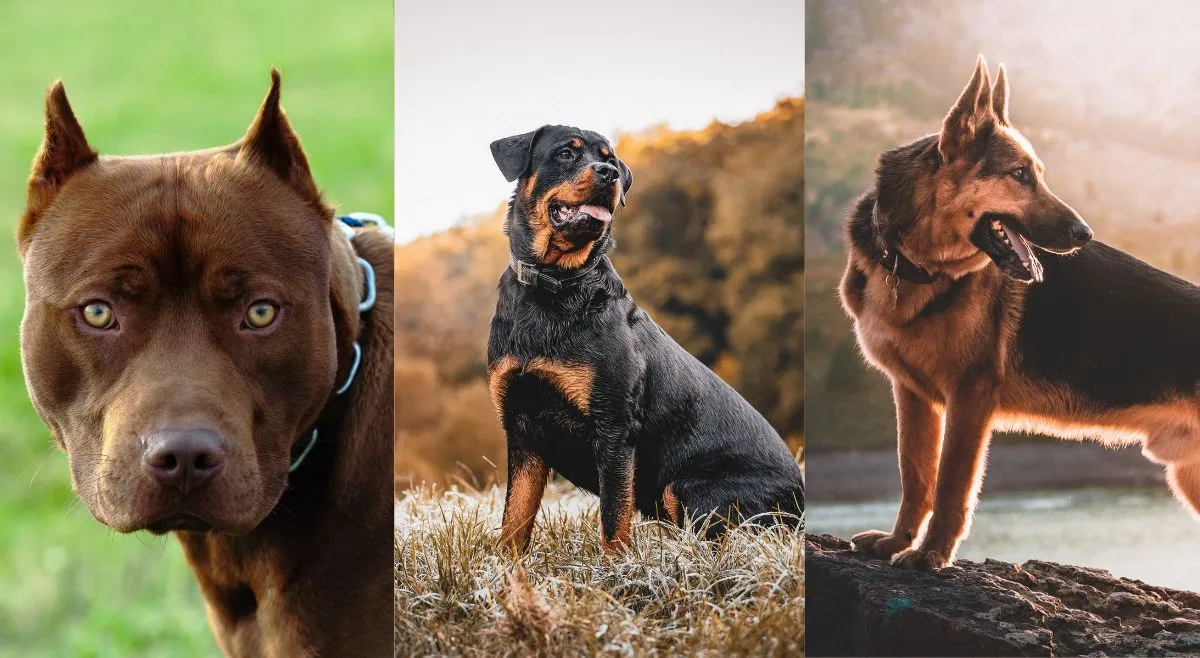
"Pit Bull" is not a single breed but a category that includes the American Pit Bull Terrier, American Staffordshire Terrier, and Staffordshire Bull Terrier. These dogs were historically bred for "gameness"—the willingness to continue a task despite pain or exhaustion.
Physically, they possess wide jaws and powerful neck muscles. A common misconception is that they have "locking jaws"; biologically, their jaw structure is the same as other dogs. However, their biting style—often described as "grip, hold, and shake"—is designed to cause maximum tissue damage. This style makes an attack by a Pit Bull-type dog significantly harder to interrupt than a "snap and release" bite typical of many other breeds.
Rottweilers
Originally bred to herd livestock and pull carts, Rottweilers are immensely powerful dogs with a strong guarding instinct. They are known for being intensely loyal to their families but can be highly suspicious of strangers. Their danger profile stems from their size—often exceeding 100 pounds—and their massive head structure, which generates one of the highest bite forces among common domestic breeds. Without rigorous socialization, their natural protective drive can escalate into redirected aggression.
German Shepherds and Belgian Malinois
These breeds are the primary choices for police and military work worldwide due to their high intelligence and "bite drive." While highly trainable, they are prone to territorial aggression. In a domestic environment, a German Shepherd that has not been properly stimulated or trained can become reactive. Their biting style is often predatory, characterized by rapid, multiple bites that can overwhelm a victim quickly.
Siberian Huskies and Alaskan Malamutes
While rarely aggressive toward their owners, "northern breeds" have a high prey drive. This can lead to "predatory drift," where the dog's hunting instincts are triggered by the movements or high-pitched sounds of small animals or human infants. Statistical data shows that these breeds are more likely to be involved in fatal attacks on newborns and toddlers than on adults, highlighting the danger of their instinctual responses when not properly managed.
The Mechanics of a Dog Bite: Force and Anatomy
To understand the technical depth of why certain dogs are feared, one must look at the physics of the bite. Bite force is measured in pounds per square inch (PSI). While human bite force averages around 120-150 PSI, certain dog breeds can triple or quadruple that pressure.
| Breed Category | Average Weight (lbs) | Estimated Bite Force (PSI) | Primary Biting Style |
|---|---|---|---|
| Pit Bull Types | 35 - 65 | 235 - 320 | Grip and Shake |
| Rottweiler | 80 - 130 | 328 | Crushing Bite |
| German Shepherd | 50 - 90 | 238 | Multiple Snap |
| Mastiff Breeds | 120 - 200+ | 550+ | Crushing/Holding |
| Wolf-Hybrid | 60 - 120 | 400+ | Predatory Tearing |
The danger is not just the pressure, but the location of the bite. Larger dogs have the height to reach the neck, face, and head of children and the thighs (femoral artery) of adults. The "crushing" force of a Mastiff or Rottweiler can break bones and cause internal organ damage without even breaking the skin, whereas the "tearing" force of a Pit Bull-type dog causes massive blood loss and requires extensive reconstructive surgery.
Environmental and Behavioral Triggers
Genetics provides the "loaded gun," but the environment and owner behavior often "pull the trigger." Understanding dangerous dogs requires looking at the conditions under which these animals are kept.
- Lack of Socialization: The critical window for socialization is between 3 and 16 weeks of age. Dogs that are not exposed to various people, sounds, and environments during this time are significantly more likely to respond to new stimuli with fear-based aggression.
- Chaining and Tethering: Dogs that are kept on chains for long periods are nearly three times more likely to bite. Tethering creates a "frustration-aggression" cycle where the dog cannot escape perceived threats and feels forced to fight to defend its limited territory.
- Intact Status: Statistics from the AVMA show that unneutered male dogs are involved in a disproportionate number of fatal attacks. Hormonal drives can increase territoriality and decrease the threshold for arousal.
- Abuse and Neglect: Many "dangerous" dogs are the products of environments where they were trained for protection or fighting, or where they suffered physical abuse. This creates a hyper-vigilant state where the dog perceives normal human movements as threats.
Legal and Insurance Realities in 2026
As of 2026, the legal landscape regarding dangerous dogs has shifted toward a "deed, not breed" approach in many jurisdictions, though Breed-Specific Legislation (BSL) still exists in some cities and counties. BSL may involve outright bans on certain breeds or mandatory requirements like muzzling in public and specialized liability insurance.
Homeowners Insurance Exclusions
Insurance companies remain one of the strongest regulators of dog ownership. Many providers maintain "prohibited breed lists." If a homeowner owns a dog on this list—typically Pit Bulls, Rottweilers, Dobermans, or Chows—the insurer may refuse to issue a policy or exclude any liability coverage for dog bites. In 2026, some states have passed laws preventing insurers from discriminating based on breed, but in those cases, premiums for owners of dogs with a "bite history" have increased significantly.
Dangerous Dog Designations
Most municipalities now use a tiered system for labeling individual animals:
- Potentially Dangerous: A dog that has shown aggressive behavior or chased a person in a menacing fashion.
- Dangerous: A dog that has inflicted a non-severe injury or killed a domestic animal.
- Vicious: A dog that has inflicted a severe injury or killed a human.
Once a dog is legally designated as "dangerous," the owner must often comply with strict containment rules, such as a six-foot fence with a concrete base and warning signs.
Preventing Attacks: Reading Canine Body Language
Most "unprovoked" attacks are actually preceded by numerous warning signs that humans fail to recognize. Understanding these signals is the most effective way to stay safe around powerful breeds.
- The Freeze: A dog that suddenly becomes stiff and still is likely seconds away from biting. This is a final warning.
- Whale Eye: When a dog shows the whites of its eyes while keeping its head still, it is experiencing high stress and discomfort.
- Lip Curling and Low Growling: These are vocal and visual cues to "back off." Punishing a dog for growling is dangerous, as it removes the warning signal and may lead the dog to bite without notice next time.
- The Tail Myth: A wagging tail does not always mean a dog is friendly. A high, stiff, fast-moving tail (the "flagging" tail) often indicates extreme arousal or impending aggression.
If you are approached by an aggressive dog, the standard safety protocol is to "be a tree." Stand still, keep your hands at your sides, and do not make eye contact. Running often triggers the dog's "chase instinct," which is almost impossible for a high-prey-drive breed to ignore.
Frequently Asked Questions
Are Pit Bulls naturally more aggressive than other dogs?
Studies on temperament show that Pit Bulls often score as high or higher in friendliness than many popular breeds like Golden Retrievers when properly socialized. However, they have a higher "reactivity" to other animals and a physical capacity to cause more damage if they do become aggressive. Their "danger" is a factor of damage potential rather than a higher frequency of ill intent.
Can any dog be a "dangerous dog" under the law?
Yes. Legal definitions of a dangerous dog are usually based on the dog's specific actions (the "deed"), such as biting a person or killing livestock, regardless of its breed. Even a small breed can be legally declared dangerous if it exhibits a pattern of unprovoked aggression.
Does neutering a dog make it less dangerous?
Neutering can significantly reduce roaming behavior and territorial aggression in male dogs. While it is not a "cure" for a dog that has already learned aggressive behaviors, it lowers the hormonal triggers that can lead to an attack.
Is it safe to have a high-risk breed around children?
No dog, regardless of breed, should ever be left unsupervised with a child. High-risk breeds require even more vigilance because a single mistake or "predatory drift" incident can be fatal. Safety depends entirely on the owner's ability to manage the dog’s environment and the child’s behavior.
What should I do if a dangerous dog attacks my pet or me?
If attacked, try to put an object between yourself and the dog (a bag, a bicycle, or a jacket). If you are knocked down, curl into a ball, tuck your head in, and cover your ears and neck with your hands. Do not scream or kick, as this can increase the dog's arousal.
Practical Recommendations for Safety and Responsibility
Understanding the most dangerous dogs in America is less about fearing specific breeds and more about respecting the physical reality of what certain animals can do. If you are considering adopting a high-risk breed or live in an area where they are common, take the following steps:
- Prioritize Professional Training: Use "positive reinforcement" trainers who understand the specific needs of powerful breeds. Avoid "dominance-based" training, which has been shown to increase aggression in reactive dogs.
- Secure Containment: Ensure your fencing is adequate. For breeds like Huskies or Pit Bulls, this often means "coyote rollers" or underground extensions to prevent jumping or digging out.
- Invest in Liability Insurance: Even if your dog is friendly, owning a high-risk breed is a financial liability. Ensure your homeowners' policy explicitly covers your specific breed.
- Educate Children: Teach children never to approach a dog that is eating, sleeping, or caring for puppies, and to always ask an owner for permission before petting.
By focusing on responsible ownership and data-driven safety measures, the risks associated with powerful dog breeds can be managed, though they can never be entirely eliminated.
Image Gallery
Select an image to open it in a new tab.



Ingrid Bjornson
Global Cyber Policy and Regulation Analyst
