The Definitive Guide to Aspen Fall Color: Timing, Locations, and Biological Marvels
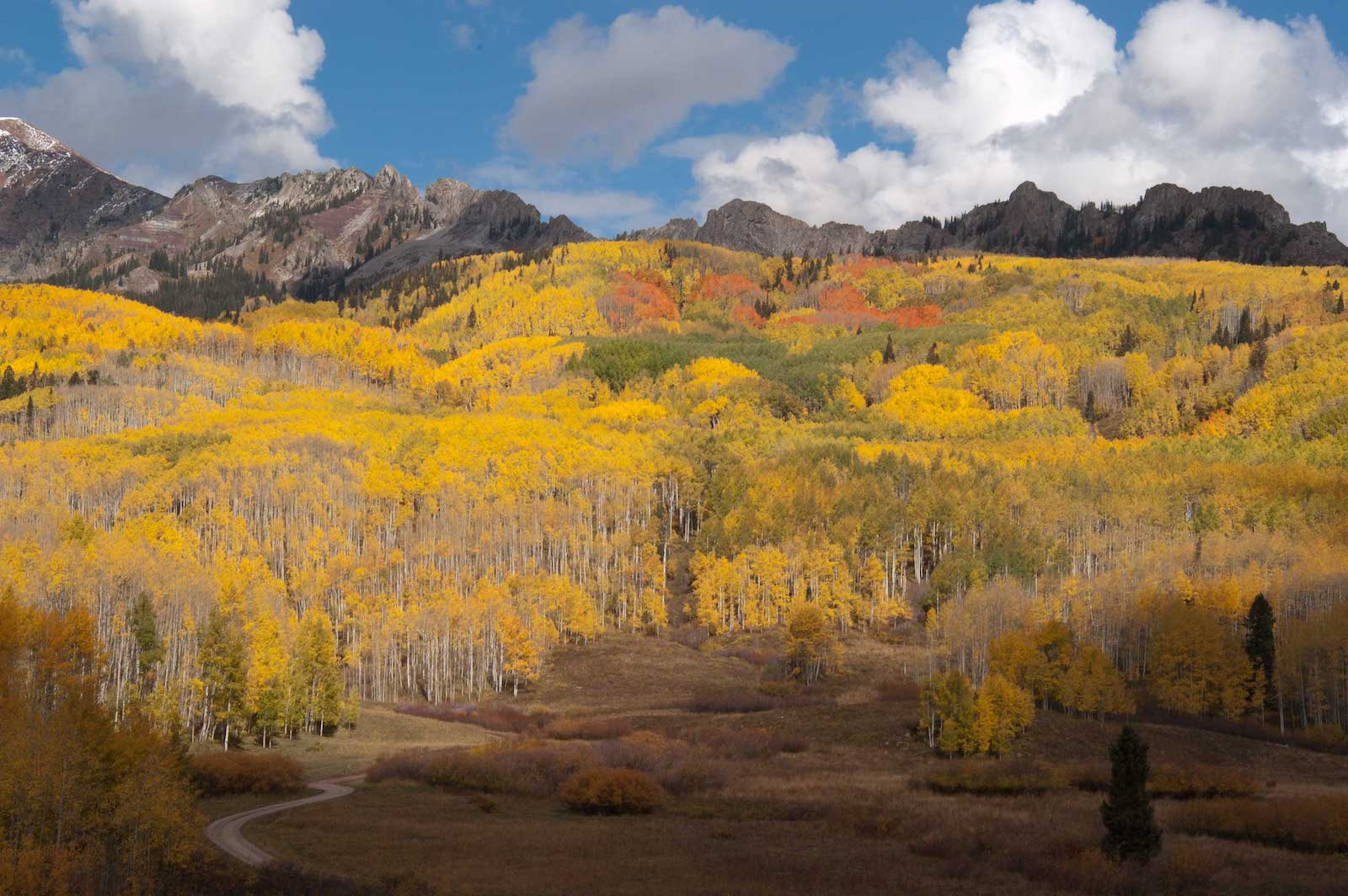
Aspen fall color represents one of nature’s most spectacular seasonal displays, characterized by the shimmering gold and brilliant amber hues of the Quaking Aspen (Populus tremuloides). This annual transformation, peaking between mid-September and October across North America, is driven by decreasing daylight and unique clonal biology that turns entire mountainsides into unified canvases of vibrant, glowing color.
The Biological Mechanism of the Aspen’s Glow
The transition of aspen leaves from deep summer green to autumn gold is not a "change" in the literal sense, but rather a revelation. To understand the intensity of aspen fall color, one must look at the underlying chemistry of the leaf. Throughout the spring and summer, leaves are dominated by chlorophyll, the pigment responsible for photosynthesis. Chlorophyll is so abundant that it masks other pigments present in the leaf.
As the autumnal equinox approaches in 2026, shorter days and cooler nights signal the tree to begin preparing for dormancy. The tree produces an abscission layer—a specialized group of cells at the base of the leaf petiole—that gradually restricts the flow of nutrients and water. As the production of green chlorophyll ceases and the existing pigment breaks down, the carotenoids and xanthophylls are revealed. These are the same pigments responsible for the color of carrots and corn, and in the aspen, they produce the iconic bright yellow and gold.
While most aspens turn gold, observers may occasionally spot shades of deep orange or even red. This is less common than in maples and is often the result of specific environmental stressors or genetic variations. Red hues are caused by anthocyanins, which are produced in the fall when sugars become trapped in the leaf during warm days and cold (but not freezing) nights. This chemical nuance explains why the "quality" of the color can vary significantly from one canyon to the next.
The Clonal Phenomenon: Why Aspen Groves Change in Unison
One of the most distinctive features of aspen fall color is the "patchwork" effect seen on mountainsides. You might observe a massive stand of trees that are all perfectly gold, while an adjacent stand remains completely green. This occurs because aspens are clonal organisms.
Unlike most trees that grow from individual seeds, a grove of aspens is often a single biological entity connected by a massive, subterranean root system. Each individual tree trunk, or "ramet," is a genetic clone of the others in the colony. Because they share the same DNA, every tree in a specific clone responds to environmental triggers—such as temperature and light—at exactly the same time.
The most famous example of this is Pando, located in Utah’s Fishlake National Forest. Pando is one of the world's largest and oldest living organisms, consisting of over 40,000 individual trunks sharing one root system. When Pando turns for the season, the scale of the synchronized color is unparalleled, providing a level of visual consistency that is rarely found in mixed hardwood forests.

Regional Timing and Elevation: Planning Your 2026 Viewing
Timing is the most critical factor for those seeking the peak of aspen fall color. In 2026, as in any year, the "peak" is a moving target influenced by latitude and altitude. The general rule for leaf-peeping is that color moves from North to South and from High Elevation to Low Elevation.
High Alpine Regions (9,000 - 11,000 feet)
In the high reaches of the Colorado Rockies or the Sierra Nevada, the change can begin as early as late August or the first week of September. These areas are the first to experience the "killing frosts" that accelerate the shutdown of chlorophyll. By the third week of September, many high-altitude basins are at their absolute peak.
Mid-Elevation Belts (7,000 - 9,000 feet)
This is the most common zone for massive aspen stands. In places like Crested Butte, Colorado, or the Brian Head area in Utah, peak color typically arrives during the last week of September and the first week of October. This is often considered the "prime time" for aspen tourism.
Lower Elevations and Southern Latitudes (Below 7,000 feet)
In the southern reaches of the aspen's range, such as the San Francisco Peaks near Flagstaff, Arizona, or lower valleys in New Mexico, the peak may not arrive until mid-to-late October. The warmer ambient temperatures at these levels delay the formation of the abscission layer, extending the season for late-season travelers.
| Region | Typical Peak Window | Top Viewing Location | Elevation Range |
|---|---|---|---|
| Northern Rockies (WY, MT) | Sept 10 – Sept 25 | Grand Teton National Park | 6,500' - 9,000' |
| Central Rockies (CO) | Sept 15 – Oct 5 | Kebler Pass / Maroon Bells | 8,000' - 11,000' |
| Great Basin (UT, NV) | Sept 20 – Oct 10 | Fishlake National Forest (Pando) | 8,500' - 10,000' |
| Eastern Sierra (CA) | Sept 25 – Oct 15 | Bishop Creek Canyon | 7,000' - 10,000' |
| Southwest (AZ, NM) | Oct 5 – Oct 25 | Flagstaff / Santa Fe NF | 7,000' - 9,500' |
Premier Destinations for Aspen Fall Color
While quaking aspens grow across much of North America, certain geographic locations offer the vast, uninterrupted stands necessary for a truly immersive experience.
1. Kebler Pass, Colorado
Located near Crested Butte, Kebler Pass is home to one of the largest contiguous aspen forests in the United States. The scale of the color here is staggering; the road winds through miles of old-growth aspens that reach massive heights. Because the groves here are so vast and encompass various elevations, the viewing window is often longer than in other areas.
2. The Maroon Bells, Colorado
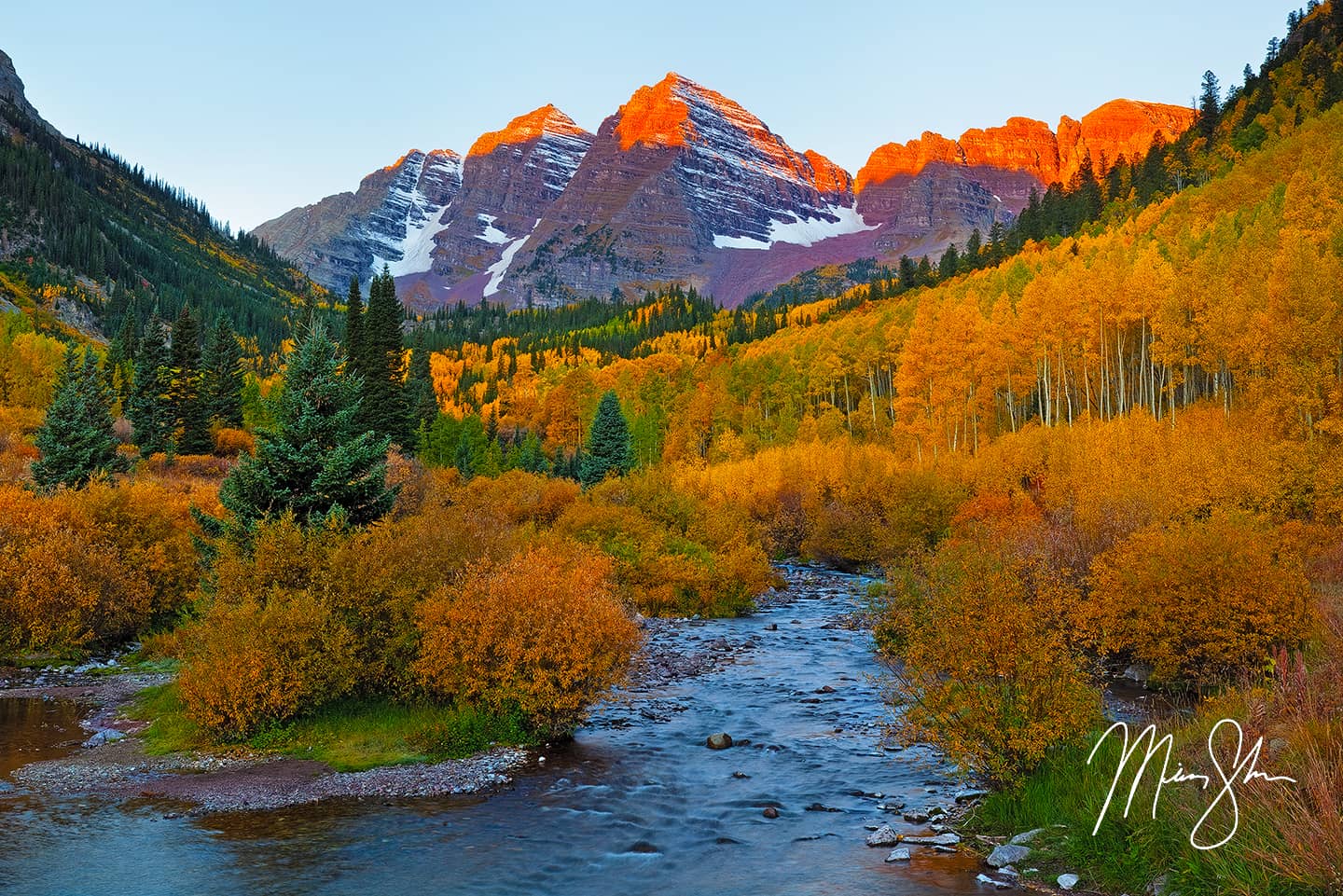
Perhaps the most photographed spot in North America during the autumn, the Maroon Bells-Snowmass Wilderness features two 14,000-foot peaks mirrored in a pristine alpine lake, surrounded by dense aspen groves. In 2026, visitors should be aware that reservations are typically required for shuttle or parking access during the peak weeks.
3. Pando Clone, Utah
For those interested in the botanical significance of the aspen, Pando in Fishlake National Forest is a pilgrimage site. The trees here are genetically identical, leading to a massive, uniform golden canopy that covers over 100 acres.
4. Bishop Creek Canyon, California
In the Eastern Sierra, the topography creates "pockets" of color. Bishop Creek Canyon features three forks (South, Middle, and North), each peaking at slightly different times due to elevation differences. The contrast of gold aspens against the jagged, gray granite peaks of the Sierra Nevada is a favorite for landscape photographers.
Environmental Factors Influencing Color Intensity
Not every year produces the same quality of color. Several environmental variables dictate whether 2026 will be a "gold rush" or a muted season.
- Moisture Levels: A severe summer drought can stress trees, causing them to drop their leaves before they have a chance to turn color. Conversely, a healthy monsoon season provides the hydration necessary for the leaves to stay on the branch longer, allowing for a more gradual and brilliant transition.
- Temperature Gradients: The ideal recipe for intense aspen color is a series of warm, sunny days followed by crisp, cool nights that remain above freezing. Hard freezes (below 28°F) can kill the leaf tissue instantly, turning the leaves a dull brown or black and ending the season prematurely.
- Wind Events: The "Quaking" Aspen gets its name from its flattened petioles, which cause the leaves to flutter in the slightest breeze. While beautiful, high-wind events in late September can strip a grove of its leaves in a single afternoon, particularly if the trees have already begun the abscission process.
Essential Tips for Autumn Photography and Viewing
Capturing the essence of aspen fall color requires more than just showing up. To get the most out of a 2026 trip, consider these technical and logistical strategies.
Use a Circular Polarizer: For photographers, this is the most important tool. A polarizer removes the glare and reflections from the waxy surface of the aspen leaves, saturating the yellows and making them "pop" against the blue sky or dark evergreens.
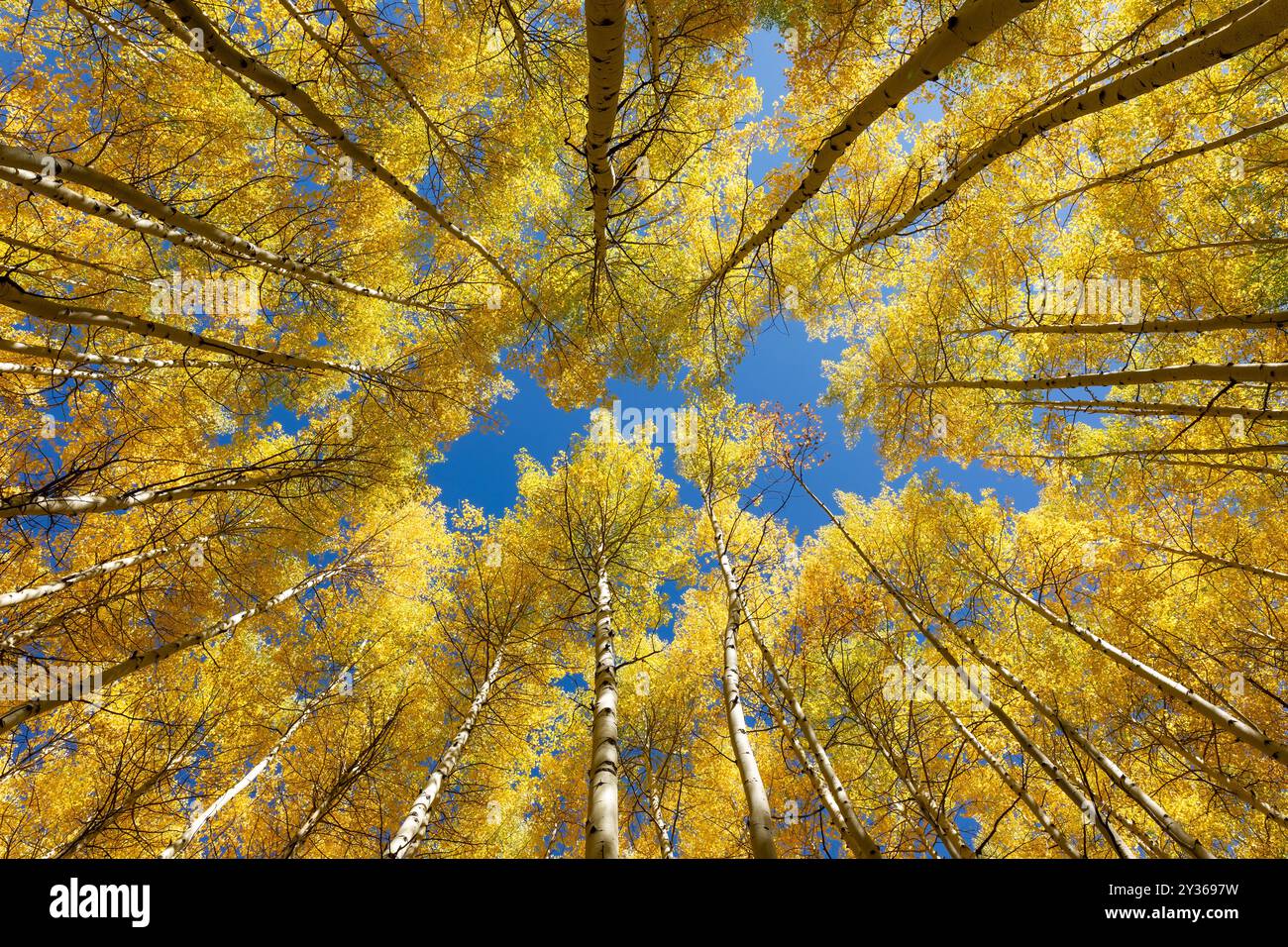
Look for Backlighting: Aspens are unique because their leaves are somewhat translucent. When the sun is behind the leaves (backlighting), the entire tree appears to glow from within. Position yourself so the sun illuminates the grove from the rear for the most dramatic effect.
Embrace "Blue Hour" and Overcast Days: While many people seek out bright sun, overcast days are actually superior for photographing forest interiors. The soft, diffused light eliminates harsh shadows and prevents the white bark of the aspens from "blowing out" (becoming overexposed) in the camera.
Timing the "Quake": To capture the movement of the leaves, use a slightly longer shutter speed (1/15th to 1/2 of a second) during a light breeze. This creates a soft, painterly blur that conveys the kinetic energy of the quaking leaves.
Common Mistakes to Avoid
- Waiting for a Specific Date: Never plan a trip based solely on a calendar date from a previous year. Always check local "leaf trackers" and Forest Service updates starting in early September.
- Focusing Only on the "Famous" Spots: While the Maroon Bells are beautiful, they are often crowded. Some of the best aspen viewing is found on obscure forest service roads in the San Juan Mountains or the Uncompahgre National Forest where you can enjoy the color in solitude.
- Underestimating Mountain Weather: Fall in the high country is unpredictable. It is common for a 70-degree day to be followed by a snowstorm. Ensure your vehicle is equipped for mountain passes and carry layers of clothing.
Frequently Asked Questions
Why do some aspens turn orange or red instead of yellow?
While the primary pigment in aspens is yellow xanthophyll, certain genetic clones or trees under specific stress (like cold or high sugar concentration) can produce anthocyanins. This results in patches of orange or rare red hues. These are often consistent year after year within the same clonal group.
How long does the peak color usually last in one spot?
The "peak" is surprisingly fleeting, usually lasting between 5 to 10 days in a specific location. However, because color varies by elevation, you can often find peak color within a 30-minute drive of a "past peak" area by simply moving lower in elevation.
Does a dry summer mean better fall colors?
Actually, the opposite is true. While a little stress can sometimes intensify colors, severe drought usually leads to "early leaf drop." The best colors typically follow a summer with average to slightly above-average rainfall, followed by a dry, sunny September.
Are aspens the only trees that turn gold in the West?
While aspens are the most famous, other species contribute to the display. Larch trees (found in the Pacific Northwest and Northern Rockies) also turn a brilliant gold, but they are conifers that drop their needles. Cottonwoods in canyon bottoms also provide deep gold colors, usually peaking later than aspens.
Is Pando still the best place to see clonal color?
Yes, Pando remains the most significant biological example of an aspen clone. While it has faced challenges from overgrazing and aging, it still offers an incredibly uniform display of gold that is unique in its scale and genetic consistency.
Recommendation for the 2026 Season
For those planning to experience aspen fall color in 2026, the best approach is flexibility. Rather than booking a non-refundable stay in a single town, consider a "road trip" approach along an elevation gradient. Start in a high-altitude hub like Silverton or Aspen, Colorado, in mid-September. If the peak hasn't arrived or has already passed, you can easily move north or south along the mountain ranges to find the perfect stage of the transition. Always prioritize mid-week visits to popular corridors to avoid the significant "leaf-peeper" traffic that affects major mountain passes during weekend peaks.
Image Gallery
Select an image to open it in a new tab.
Akira Tanaka
International Academic Trends Correspondent
