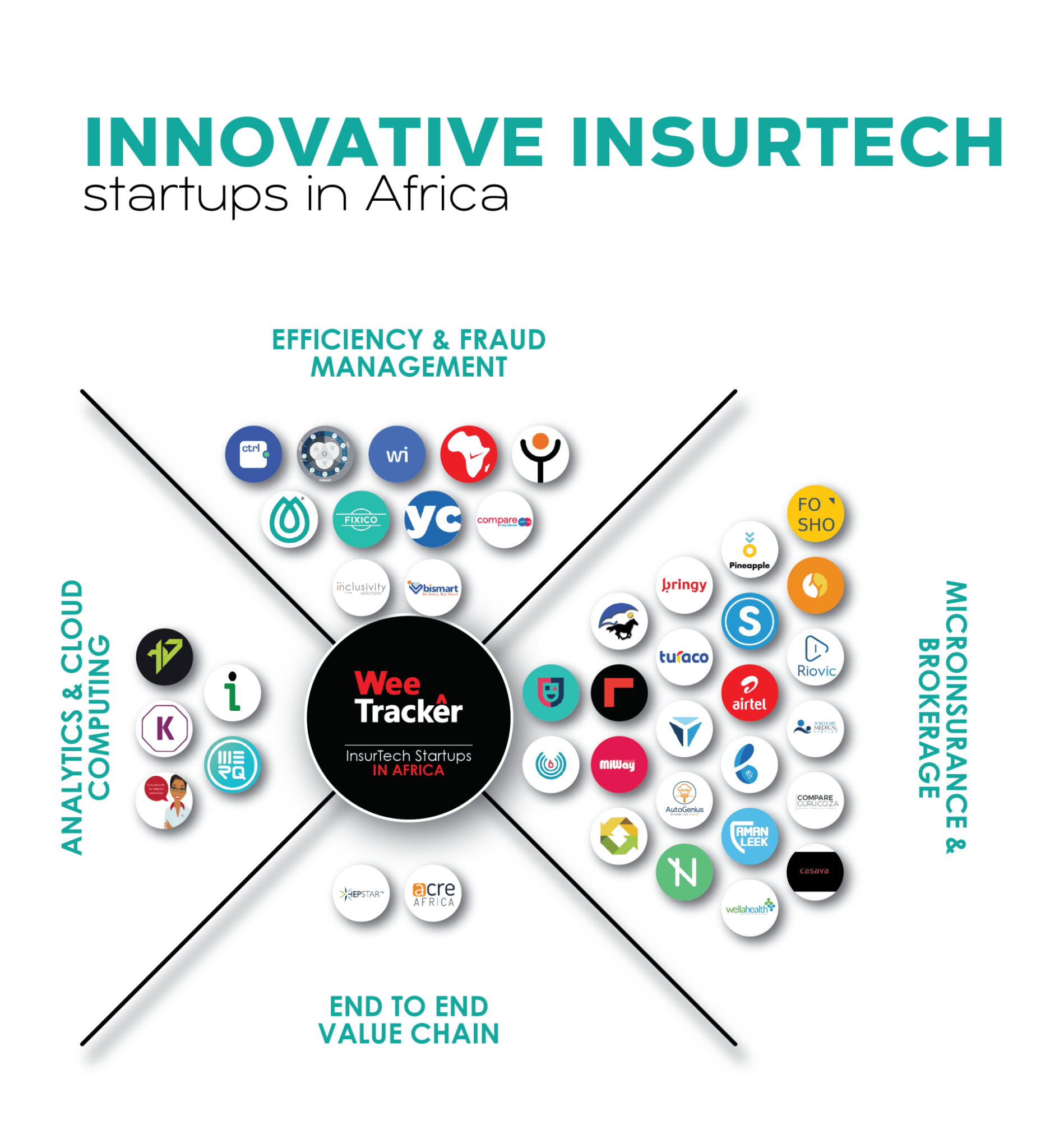
Startups are disrupting the life insurance industry by replacing traditional medical exams and multi-week underwriting with real-time data analytics and behavioral gamification. By leveraging electronic health records (EHR), wearable device data, and artificial intelligence, these companies offer instant policy issuance and lower premiums for health-conscious consumers, transforming a reactive "death benefit" into a proactive wellness partnership.
The life insurance industry, long defined by its slow-moving nature, paper-heavy processes, and reliance on actuarial tables from decades past, is undergoing a radical transformation. In 2026, the primary driver of this change is no longer just "digital applications." Instead, the disruption lies in how startups have fundamentally altered the relationship between the insurer and the insured. For over a century, life insurance was a "set it and forget it" product—a financial safety net that remained dormant until a tragedy occurred. Today, tech-driven startups have pivoted toward a model of continuous engagement, utilizing real-time data to predict, price, and even prolong life.
The End of the "Medical Exam" Era
Perhaps the most visible disruption is the virtual elimination of the traditional medical exam for a significant portion of the population. Historically, applying for a life insurance policy required a "paramedical" visit, where a technician would collect blood, urine, and physical measurements like height, weight, and blood pressure. This process often took four to six weeks to produce an underwriting decision.
Startups have bypassed this friction through Accelerated Underwriting (AU). By 2026, algorithmic models have become sophisticated enough to ingest vast amounts of non-traditional data to assess risk instantly. These algorithms tap into the MIB (formerly the Medical Information Bureau) reports, prescription drug histories, motor vehicle records, and, increasingly, credit-based insurance scores. By analyzing patterns in these datasets, startups can offer "instant-issue" term life insurance to healthy individuals in under ten minutes.
The "surprising" element here is not just the speed, but the accuracy. Modern startups have demonstrated that digital footprints—such as a clean driving record and a consistent history of preventive care—are often as predictive of mortality risk as a single blood draw. This shift has forced legacy carriers to either acquire these startups or rebuild their own tech stacks from the ground up to remain competitive in a market where consumers now expect "Amazon-prime" speed for financial products.
Behavioral Economics and the Gamification of Longevity
While traditional insurers focused on the "event of death," startups are focusing on the "process of living." A significant disruption in the business model is the integration of behavioral economics—using incentives to encourage healthier lifestyles that reduce the insurer’s long-term risk.
Companies like YuLife and others have pioneered the gamification of life insurance. Instead of a static policy document hidden in a drawer, policyholders interact with an app daily. These apps sync with wearable devices—such as the Apple Watch, Oura Ring, or Garmin trackers—to reward users for walking, meditation, and adequate sleep. These rewards often manifest as "currency" that can be spent at major retailers or used to reduce monthly premiums.
This is a win-win for the startup business model. For the insurer, every extra year a policyholder lives represents another year of premium collection and a delay in payout. For the consumer, the insurance policy becomes a wellness tool that provides immediate value. This engagement model solves one of the industry's oldest problems: lapse rates. Policyholders who interact with their insurance app daily are significantly less likely to cancel their coverage compared to those who only receive a bill once a year.

The Power of APIs and Data Integration
The technical backbone of this disruption is the Application Programming Interface (API). Startups operate as "cloud-native" entities, meaning their systems are built to talk to other software seamlessly. This allows them to integrate with a consumer's financial and health ecosystem in ways a 40-year-old legacy mainframe cannot.
- Electronic Health Records (EHR): Startups use secure APIs to pull years of medical history directly from hospital systems (with consumer consent). This provides a far more comprehensive view of health than a one-time blood test.
- Financial Data: By integrating with platforms like Plaid, startups can assess a person's financial stability and "need" for insurance, tailoring the coverage amount dynamically.
- Third-Party Verifiers: Automatic verification of identity and residency through digital databases eliminates the need for physical document uploads, further reducing the "dropout rate" during the application process.
This technical agility allows startups to operate with significantly lower overhead. They do not require thousands of local agents or massive administrative buildings. These savings are often passed to the consumer through lower premiums, particularly for younger, tech-savvy demographics who were previously underinsured because they found the traditional process too cumbersome.
Comparative Analysis: Traditional vs. Tech-Driven Life Insurance
To understand the scale of disruption, it is helpful to compare the standard operating procedures of a legacy carrier with the tech-first approach dominant in 2026.
| Feature | Traditional Life Insurance (Legacy) | Startup/Insurtech Approach (2026) |
|---|---|---|
| Application Time | 4 to 8 Weeks | 5 to 20 Minutes |
| Underwriting Method | Manual review of "fluids" (blood/urine) | Algorithmic analysis of EHR and digital data |
| Customer Engagement | Annual billing statement | Daily/Weekly app-based wellness rewards |
| Pricing Model | Static, based on age/gender at entry | Dynamic, with potential "wellness" discounts |
| Distribution | Captive agents and brokers | Direct-to-consumer (D2C) and Embedded APIs |
| Medical Requirements | In-person paramedical exam | Automated data retrieval (no-exam options) |
Embedded Insurance: Meeting the Customer Where They Are
Another surprising way startups are disrupting the market is through embedded insurance. Rather than forcing a customer to go to a "life insurance website," startups are integrating their products into the platforms consumers already use.
By 2026, it has become common to see life insurance offered as a "one-click" add-on during major life events. For example, when a user signs a mortgage agreement through a digital lender or sets up a college savings plan (529 plan) for a newborn, a life insurance quote—pre-filled with the data already provided—appears as a suggestion.
This strategy solves the "intent" problem. Most people know they need life insurance, but few wake up and decide to go shopping for it. By embedding the product into the workflow of buying a home or starting a family, startups capture the market at the moment of highest relevance. This reduces "customer acquisition costs" (CAC), which is traditionally the most expensive part of the insurance business.
The Role of Artificial Intelligence in Claims and Risk
The disruption extends beyond just selling policies; it reaches into how claims are processed and how risk is managed over decades. AI and machine learning allow startups to spot patterns that human actuaries might miss.
- Predictive Analytics: Startups use AI to predict which policyholders are at the highest risk of "churning" (cancelling their policy) and proactively reach out with personalized incentives.
- Fraud Detection: Real-time analysis of data points during the application process can flag inconsistencies that suggest fraud, allowing the company to deny high-risk applications before they become a liability.
- Claims Processing: While death claims still require legal verification, startups are using AI to automate the administrative side of beneficiary verification, often paying out simple term-life claims in days rather than months.
Challenges, Privacy, and Ethical Considerations
Despite the efficiency gains, this data-heavy approach introduces significant questions regarding privacy and fairness. As startups rely more on "proxy data" (like credit scores or gym check-ins) rather than direct medical evidence, the risk of algorithmic bias increases.
Data Privacy in a 2026 World
The use of wearable data raises concerns about how much information an insurance company should have about a person's private life. If a startup knows exactly how many hours you sleep and how often you visit a fast-food restaurant, does that give them too much power? In 2026, regulatory bodies like the National Association of Insurance Commissioners (NAIC) have implemented stricter guidelines on "Big Data" usage to ensure that insurers do not use non-health data to unfairly discriminate against protected classes.
The Problem of "Uninsurability"
There is also a risk that as underwriting becomes more granular and "perfect," the concept of risk pooling—the foundation of insurance—starts to erode. If startups only want to insure the "perfectly healthy" people who walk 10,000 steps a day, the cost of insurance for those with chronic illnesses or less-active lifestyles could skyrocket. This has led to a push for "Socially Responsible Underwriting" standards to ensure that tech disruption doesn't leave the most vulnerable populations without coverage.
Frequently Asked Questions
Is "no-exam" life insurance from a startup more expensive?
Not necessarily. While "no-exam" policies used to carry a "convenience premium," the efficiency of 2026 algorithmic underwriting has brought prices in line with traditional policies for many people. However, if you have significant pre-existing health conditions, a traditional carrier that performs a full medical exam might still offer a better rate because they can more accurately assess the specific nuances of your health.
What happens to my data if the startup goes out of business?
Most insurtech startups are backed by much larger, established "reinsurance" companies (like Swiss Re or Munich Re). These giants provide the capital to pay out claims. If a startup fails, the underlying insurance policies are typically serviced by the reinsurer or acquired by another carrier. Your data privacy is governed by the terms of service, but generally, state insurance laws require strict data handling and retention protocols.
Can a startup cancel my policy if I stop wearing my fitness tracker?
No. Life insurance is a legal contract. If you purchase a policy that includes "wellness rewards," stopping your use of a tracker will usually only result in the loss of those specific rewards or discounts. It cannot be used as grounds to cancel a standard term or whole life policy, provided you continue to pay your premiums.
Are these startups regulated the same way as big insurance companies?
Yes. To sell life insurance, a company must be licensed in every state where it operates. Startups must follow the same solvency requirements and consumer protection laws as 100-year-old legacy firms. You can verify a company’s status through your state’s Department of Insurance.
Strategic Recommendation: How to Choose in 2026
If you are looking for life insurance today, the "surprising" reality is that you no longer have to choose between a tech company and a reliable financial institution. Many of the most successful startups have partnered with the world's oldest insurers to combine a modern user interface with centuries of financial stability.
Next Action: Before applying, check your "digital health readiness." Ensure your electronic health records are up to date with your primary care physician and, if you use a wearable device, consider a startup that offers participation-based discounts. However, always compare a startup's "instant quote" against a traditional broker's quote if you have complex health needs, as the human element in underwriting still provides value for non-standard cases.
Image Gallery
Select an image to open it in a new tab.


Omar Farooq
EdTech Innovation and Virtual Pedagogy Journalist
