
To store tomatoes long term, you must select a preservation method—such as freezing, canning, dehydrating, or cool-room ripening—that aligns with your available equipment and intended use. While fresh tomatoes last only days, properly preserved tomatoes can maintain high quality for 6 to 18 months, depending on the specific technique employed.
The challenge of storing tomatoes lies in their high water content and delicate cellular structure. Once a tomato is harvested, its metabolic processes continue, leading to the eventual breakdown of sugars and acids, and the softening of the fruit's walls. To stop or significantly slow this degradation, you must intervene through temperature control, moisture removal, or atmospheric changes. As of 2026, home food preservation remains a cornerstone of sustainable living, and understanding the science behind these methods ensures your harvest provides nutritional value throughout the year.
Selecting the Right Varieties for Storage
Not all tomatoes are created equal when it comes to long-term storage. Before you even begin the preservation process, the variety of tomato you grow or purchase dictates the success of your efforts.
Paste vs. Slicing Tomatoes
Paste tomatoes, such as Roma, San Marzano, and Amish Paste, are the gold standard for most long-term storage methods, particularly canning and dehydrating. These varieties possess thicker fruit walls, fewer seeds, and lower water content. This density results in a higher yield per jar when canning and shorter drying times when dehydrating.
Slicing tomatoes and beefsteaks, while prized for their fresh flavor, contain significantly more juice and seeds. If you choose to store these long term, they are best suited for freezing or being processed into juice and thin sauces. Their high water content makes them difficult to dehydrate without significant shrinkage and loss of texture.
Determinate vs. Indeterminate Varieties
In 2026, many home gardeners prioritize determinate varieties for preservation projects. Determinate plants tend to ripen their fruit all at once, providing a large "bulk" harvest that makes canning or freezing sessions more efficient. Indeterminate varieties, which produce fruit over a long season, are better for staggered storage or cool-room ripening of late-season green fruit.
Method 1: Freezing for Maximum Flavor Retention
Freezing is the most accessible method for storing tomatoes long term. It requires no specialized skills and preserves the "bright" acidity of the tomato better than high-heat canning. However, freezing irrevocably changes the texture; frozen tomatoes will be mushy upon thawing and should only be used in cooked applications like soups, stews, and sauces.
The Whole-Tomato Freeze
The simplest way to freeze tomatoes is to store them whole.
- Preparation: Wash the tomatoes and remove the stems. Ensure they are completely dry to prevent ice crystals from forming on the exterior.
- Core and Cut (Optional): Many experts recommend removing the core before freezing to save time later.
- The Flash Freeze: Place the tomatoes in a single layer on a baking sheet. Place the sheet in the freezer for 4 to 6 hours until the tomatoes are frozen solid. This prevents them from sticking together in the storage bag.
- Final Packaging: Transfer the frozen globes into heavy-duty vacuum-seal bags or freezer-grade zip-top bags. Remove as much air as possible to prevent freezer burn.
The Blanching and Skinning Technique
If you prefer a cleaner product for later use, blanch the tomatoes before freezing.
- Score a small "X" on the bottom of each tomato.
- Submerge in boiling water for 30 to 60 seconds until the skins start to crack.
- Immediately move them to an ice bath. The skins will slip off easily.
- Freeze the peeled tomatoes in bags or containers. In 2026, high-quality silicone bags have become a popular eco-friendly alternative to plastic for this purpose.
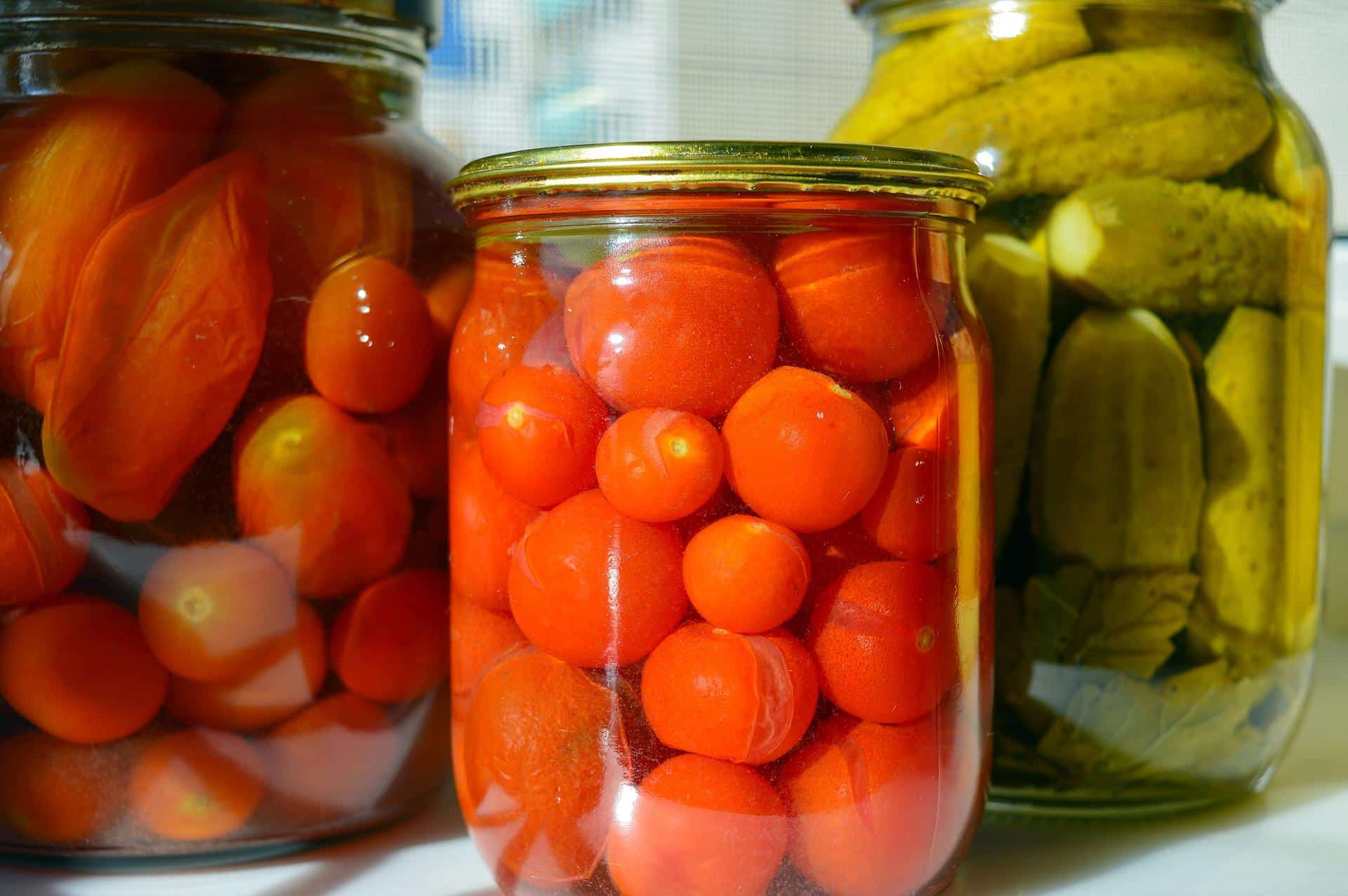
Method 2: Canning and the Science of Acidity
Canning is the only way to store tomatoes at room temperature for a year or more. However, it carries the highest risk if performed incorrectly. Tomatoes are borderline high-acid foods, and their pH levels can vary significantly based on variety and ripeness.
Water Bath vs. Pressure Canning
For most tomato products, a water bath canner is sufficient, provided you add an acidifier. However, if you are adding low-acid ingredients like onions, peppers, or meat to your tomato sauce, you must use a pressure canner to reach the 240°F (115°C) required to kill Clostridium botulinum spores.
The Necessity of Acidification
Regardless of the variety's perceived sweetness or acidity, modern safety standards (reiterated by the National Center for Home Food Preservation) require adding acid to every jar. For every quart jar of tomatoes, you should add:
- Two tablespoons of bottled lemon juice, OR
- 1/2 teaspoon of citric acid.
Do not use fresh lemon juice, as the acidity levels vary too much to be reliable for preservation safety.
Step-by-Step Water Bath Process
- Sanitation: Sterilize your jars and lids in hot water.
- Packing: Fill jars with hot tomatoes (hot pack) or raw tomatoes (raw pack), leaving 1/2 inch of headspace at the top.
- Acidify: Add your lemon juice or citric acid directly to the jar.
- Processing: Submerge the jars in a boiling water bath. Processing times vary by altitude and jar size but generally range from 35 to 85 minutes.
- Cooling: Allow jars to sit undisturbed for 24 hours. Check for a vacuum seal—the lid should not flex when pressed.
Method 3: Dehydration and Sun-Drying
Dehydrating tomatoes concentrates their sugars and flavors, creating a gourmet ingredient that takes up very little storage space. When dried to the correct moisture level (roughly 10-15%), they are shelf-stable for months.
Using a Dehydrator
- Slicing: Cut tomatoes into uniform 1/4-inch slices or halves (for cherry tomatoes).
- Temperature: Set your dehydrator to 135°F (57°C). Higher temperatures can "case harden" the fruit, where the outside dries but the inside remains moist and prone to mold.
- Timing: Depending on the water content, this can take 8 to 18 hours. The tomatoes are done when they feel leathery and pliable but not sticky.
Storage in Oil vs. Dry Storage
Dry-packed tomatoes should be kept in airtight jars in a cool, dark place. If you choose to store your dehydrated tomatoes in olive oil, they must be kept in the refrigerator and consumed within a few weeks unless you follow specific acidification protocols. Storing low-acid vegetables in oil at room temperature creates an anaerobic environment perfect for botulism.
Method 4: Cool Storage for Green Tomatoes
If you have a surplus of unripened green tomatoes at the end of the season, you can store them in a way that allows them to ripen slowly over several months, extending your "fresh" tomato season into January or February.
- Selection: Only store blemish-free, firm green tomatoes. Any fruit with "cat-facing" or insect damage will rot quickly.
- Environment: The ideal temperature is between 55°F and 70°F. A dark basement or a cool pantry works best.
- The Newspaper Method: Wrap each tomato individually in a piece of newspaper. This prevents a single rotting tomato from spreading mold to the others and helps contain the ethylene gas, which triggers ripening.
- Checking: Check the tomatoes weekly. Remove any that show signs of soft spots and bring any that have turned pink into the kitchen to finish ripening at room temperature.
Comparing Long-Term Storage Methods
| Method | Shelf Life | Difficulty | Best For | Storage Requirement |
|---|---|---|---|---|
| Freezing | 6–12 Months | Low | Soups, Sauces, Stews | Freezer (0°F or lower) |
| Water Bath Canning | 12–18 Months | Medium | Diced, Whole, or Sauce | Cool, Dark Pantry |
| Dehydrating | 6–12 Months | Medium | Salads, Pizzas, Snacks | Airtight Container |
| Cool Storage | 1–3 Months | Low | Fresh Slicing (eventually) | 55°F–60°F Room |
| Freeze-Drying | 15–25 Years | High | Emergency Food, Snacks | Airtight + Oxygen Absorber |
Common Mistakes to Avoid
- Preserving Overripe Fruit: Tomatoes that are already "mushy" or have started to ferment on the vine should not be used for long-term storage. The high microbial load increases the risk of spoilage even after processing.
- Ignoring Altitude: In 2026, many newer canning guides emphasize that those living above 1,000 feet must increase their processing times or pressure levels to account for the lower boiling point of water.
- Improper Headspace: Leaving too much or too little room at the top of a canning jar can prevent a proper vacuum seal from forming, leading to oxidation and spoilage.
- Neglecting Cleanliness: Cross-contamination from cutting boards or hands can introduce spoilage bacteria that survive mild preservation processes.
Frequently Asked Questions
Can I store fresh tomatoes in the refrigerator for the long term?
No. Refrigeration is not a long-term storage solution for tomatoes. While it may prevent rot for a few extra days, temperatures below 55°F (13°C) damage the enzymes responsible for flavor development and cause the texture to become mealy. For long-term needs, use the freezing or canning methods described above.
Do I have to peel tomatoes before canning them?
While it is not strictly a safety requirement for all recipes, most USDA-approved canning methods recommend peeling. Tomato skins can harbor bacteria and can become tough and bitter during the high-heat processing of canning, which negatively affects the quality of the final product.
How do I know if my home-canned tomatoes are safe to eat?
Check the seal of the jar before opening; the lid should be concave and firm. When you open the jar, there should be no spurting liquid or "off" odors. If you see mold on the underside of the lid or the surface of the food, discard the entire contents immediately. Never taste-test food you suspect is spoiled.
Can I use a microwave for dehydrating tomatoes?
It is not recommended. Microwaves heat food unevenly and often "cook" the tomato rather than removing the moisture slowly. This results in a burnt flavor and uneven preservation, which can lead to rapid spoilage during storage.
What is the best way to store tomato paste long term?
If you have a large amount of tomato paste, the most effective long-term storage is freezing it in small increments. Spoon the paste into ice cube trays, freeze until solid, and then transfer the cubes to a freezer bag. This allows you to use exactly what you need for recipes without wasting a whole jar or can.
Final Recommendation for 2026
For the average household, freezing remains the most efficient and flavor-rich way to store tomatoes for up to a year. However, if you are concerned about grid stability or freezer space, water bath canning with added citric acid is the superior choice for creating a shelf-stable pantry. To ensure the highest success rate, always process your tomatoes within 24 hours of harvest and strictly adhere to tested acidification guidelines.
Image Gallery
Select an image to open it in a new tab.
Ingrid Bjornson
Global Cyber Policy and Regulation Analyst
