The Real Cost of Electricity for Electric Cars: Breaking Down Home, Public, and Hidden Expenses
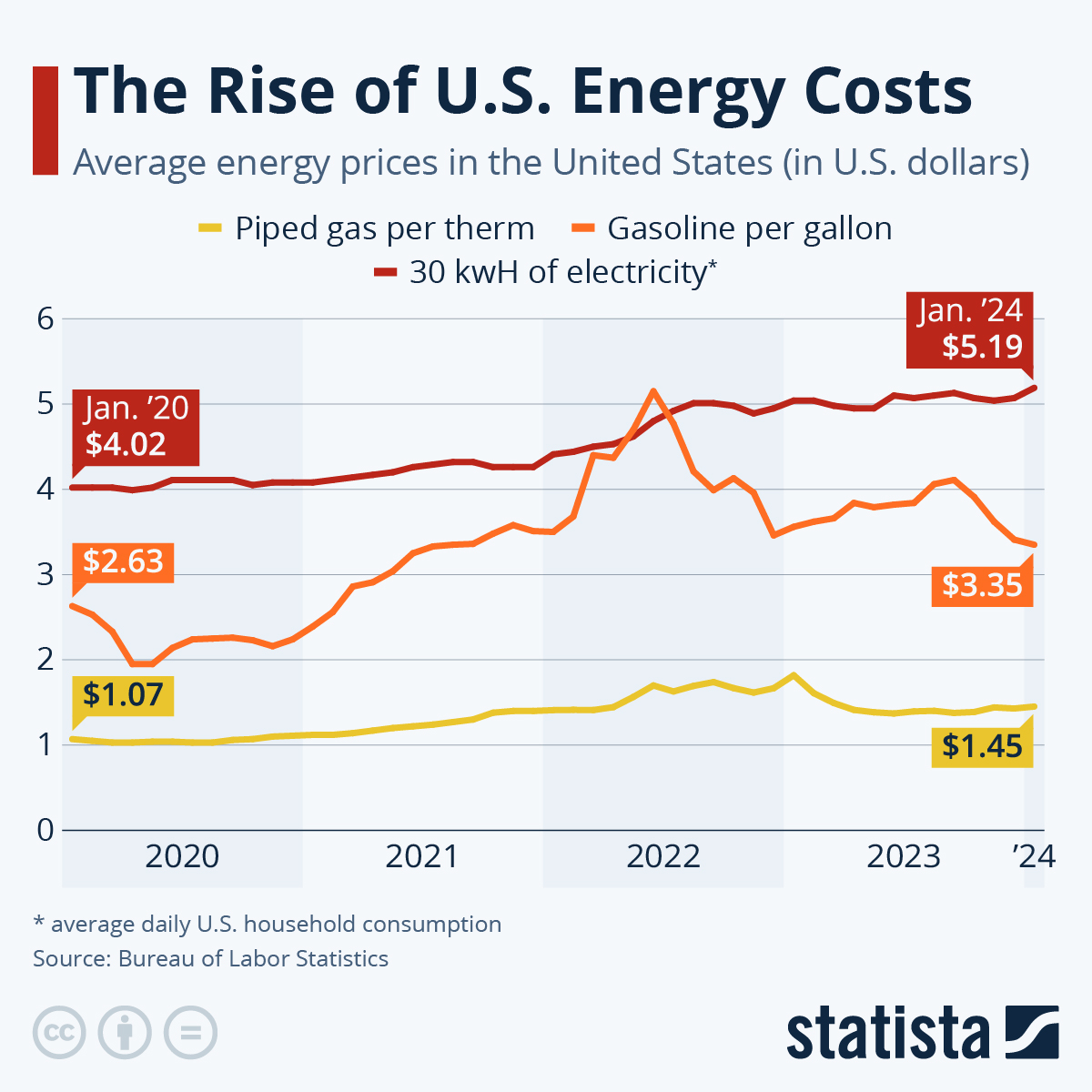
Calculating the real cost of electricity for electric cars requires looking beyond simple utility bills to factor in residential rate tiers, public fast-charging tariffs, charging efficiency losses, and time-of-use schedules. While driving an electric vehicle (EV) is generally less expensive than fueling an internal combustion engine vehicle, the actual per-mile cost varies significantly based on where, when, and how you plug in.
Understanding the Fundamentals of EV Energy Consumption
To grasp the real financial impact of charging an electric vehicle, one must first understand how energy is measured and consumed. EVs measure energy efficiency in kilowatt-hours (kWh) per 100 miles, mirroring the miles-per-gallon (MPG) metric used for gasoline vehicles. Most modern passenger electric cars consume between 25 and 35 kWh of electricity to travel 100 miles, depending on the vehicle's size, aerodynamic profile, weight, and powertrain efficiency.
When utility companies bill residential customers, they charge per kilowatt-hour consumed. Therefore, if your vehicle requires 30 kWh to travel 100 miles and your electricity rate is 15 cents per kWh, traveling that distance costs $4.50. However, this is a simplified baseline. The real-world cost equation must account for electrical resistance, thermal management systems, and charging infrastructure losses that occur between the grid and your vehicle's battery pack.
Home Charging: The Gold Standard for Cost Efficiency
For the vast majority of electric vehicle owners, home charging represents the most convenient and cost-effective way to power a vehicle. Residential electricity rates are typically lower than commercial or public charging tariffs, especially for consumers who can take advantage of tiered pricing or specialized Time-of-Use (TOU) utility rate plans.
Level 1 vs. Level 2 Home Charging Infrastructure
When charging at home, drivers generally choose between two equipment tiers:
- Level 1 Charging: Utilizing a standard 120-volt household outlet, a Level 1 charger delivers roughly 1 to 4 miles of range per hour. While it requires no upfront installation cost beyond the portable cord supplied with the vehicle, it is inefficient for daily long-distance commuters and can suffer from higher energy dissipation over prolonged charging cycles.
- Level 2 Charging: Operating on a 240-volt circuit—similar to an electric clothes dryer—a dedicated Level 2 wall connector delivers between 10 and 60 miles of range per hour. Installing a Level 2 home charger typically requires professional electrician services and hardware purchases, but it allows vehicle owners to program charging sessions exclusively during off-peak hours when utility rates hit their daily minimums.
The Impact of Time-of-Use (TOU) Rates
Utility providers increasingly offer TOU rate structures that incentivize shifting electricity consumption away from peak afternoon and evening hours (typically 4:00 PM to 9:00 PM) to off-peak periods, often late at night or early in the morning. By programming an EV or home charger to draw power exclusively during off-peak windows—when rates can drop to a fraction of daytime costs—owners can dramatically lower their fueling expenses.
Public Charging Economics: DC Fast Chargers vs. Level 2 Public Stations
While home charging covers 80% to 90% of most drivers' needs, road trips and urban living situations require reliance on public charging infrastructure. Public charging introduces entirely different pricing structures, regulatory fees, and overhead costs that diverge sharply from residential utility bills.
Public Level 2 Chargers
Found in municipal parking garages, shopping centers, and workplaces, public Level 2 chargers operate similarly to home units. Pricing models vary widely: some locations offer free charging as an amenity to attract customers, while others bill by the kilowatt-hour, by the minute, or through a flat session fee. When billed per kWh, public Level 2 rates generally reflect commercial electricity tariffs, making them somewhat more expensive than home charging but significantly cheaper than gasoline.
DC Fast Chargers (DCFC)
Direct Current Fast Chargers—commonly known as Superchargers or fast-charging networks—bypass the vehicle's onboard charger to deliver high-voltage direct current straight to the battery pack. This technology enables drivers to replenish 10% to 80% of their battery capacity in 20 to 40 minutes.
The convenience of high-speed charging comes with a financial premium. Network operators such as Tesla, Electrify America, EVgo, and regional providers typically price DC fast charging significantly higher than residential electricity. Pricing is often structured per kWh, though some jurisdictions restrict utility billing by the kilowatt-hour, forcing operators to charge by the minute based on the vehicle's maximum charging speed tier. Consequently, frequent reliance on DC fast charging narrows the operating cost advantage that EVs hold over traditional internal combustion vehicles.
Hidden Costs: Charging Efficiency Losses and Battery Degradation
A common mistake in calculating EV electricity costs is assuming that 100% of the electricity drawn from the meter makes it into the vehicle's propulsion battery. In reality, energy conversion involves inherent thermodynamic losses.
The Reality of Charging Efficiency
When electricity travels from the wall outlet through the charging cable, into the vehicle's onboard inverter, and finally into the chemical cells of the lithium-ion battery pack, energy is lost primarily as heat. Charging efficiency typically ranges between 85% and 95%.
- Level 1 charging efficiency is often lower (around 80% to 85%) because electronic systems remain active for longer durations to deliver the same amount of energy.
- Level 2 charging efficiency is higher (typically 88% to 95%) because the vehicle's internal components operate for shorter periods at optimal power draws.
This means if your car's battery stores 60 kWh of energy, your home electricity meter may actually register 68 kWh consumed from the grid. Homeowners pay for every kilowatt-hour registered at the meter, meaning inefficiency directly increases the real cost per mile.
Battery Thermal Management
Modern electric vehicles feature complex thermal management systems that circulate coolant or refrigerant to keep batteries within safe temperature operating ranges. In extreme cold or intense summer heat, the vehicle may consume grid electricity or battery capacity simply to heat or cool the battery pack before and during charging sessions. These auxiliary loads represent another hidden operational cost that does not register on EPA standard efficiency ratings.
| Charging Method | Typical Speed (Range/Hour) | Average Cost Structure | Efficiency Rate | Primary Use Case |
|---|---|---|---|---|
| Level 1 (120V) | 1–4 miles | Residential flat or TOU rate | 80% – 85% | Low-mileage drivers, plug-in hybrids |
| Level 2 Home (240V) | 10–60 miles | Residential flat or TOU rate | 88% – 95% | Daily commuting, primary home charging |
| Level 2 Public | 10–30 miles | Per kWh, per minute, or free | 85% – 92% | Workplaces, errands, destination parking |
| DC Fast Charging | 100+ miles in 20 mins | Premium per kWh or per minute | 85% – 90% | Road trips, high-mileage commercial use |
Regional Electricity Price Disparities
The single most influential factor determining the real cost of electricity for electric cars is geographic location. Electricity costs in the United States vary dramatically by region, influenced by local energy generation sources, state regulatory policies, fuel availability, and transmission infrastructure.
For instance, residents in states with abundant hydroelectric or low-cost nuclear and renewable energy may pay residential electricity rates as low as 10 to 12 cents per kWh. Conversely, consumers in regions reliant on imported fossil fuels or dense urban grids with high infrastructure maintenance costs—such as parts of the Northeast or California—may face residential baseline rates exceeding 30 to 40 cents per kWh, with peak TOU rates climbing even higher.
At 12 cents per kWh, driving an efficient EV costs roughly $3.50 per 100 miles. At 38 cents per kWh, that same 100-mile journey costs over $11.00. While the higher rate remains competitive against a gasoline vehicle getting 25 MPG with $3.50-per-gallon fuel, it substantially reduces the financial savings traditionally associated with electric vehicle ownership.
Frequently Asked Questions
Is it always cheaper to charge an electric car at home than using public stations?
Yes. Residential electricity rates are subsidized by domestic utility pricing tiers and lack the commercial demand charges, real estate leases, and network maintenance overhead built into public charging pricing. Public DC fast chargers can cost two to three times more per kilowatt-hour than home electricity.
How much does it cost to install a Level 2 home charger?
The hardware for a Level 2 home charger typically ranges from $300 to $700, while professional electrician installation fees range from $500 to $2,000 depending on panel capacity, distance to the parking area, and local permitting requirements. Federal tax credits and local utility rebates frequently offset a portion of these upfront expenses.
Do electric cars use electricity when parked and plugged in?
Yes. When plugged in, EVs often draw phantom power to maintain battery thermal management systems, power onboard telematics, and keep computer modules in standby mode. Furthermore, once charging completes, the charger and vehicle draw a small amount of idle power to maintain system readiness.
How do I calculate my exact cost per mile for my EV?
Multiply your vehicle's energy consumption (kWh per 100 miles) by your local electricity rate per kWh, then divide by 100. To account for charging efficiency losses, multiply the final result by 1.12 to reflect realistic energy dissipation during the charging process.
Does charging an electric car fast degrade the battery faster?
Frequent use of high-power DC fast charging generates elevated thermal stress on lithium-ion battery cells compared to Level 2 home charging. While modern battery management systems mitigate severe degradation, relying exclusively on fast chargers can accelerate long-term capacity loss.
Practical Next Actions for EV Owners
To minimize the real cost of electricity for your electric car, audit your current home utility provider for specialized EV or Time-of-Use rate plans. If your home setup permits, schedule your vehicle to charge exclusively during off-peak overnight hours, and reserve public DC fast charging strictly for long-distance travel where time efficiency outweighs fuel cost premiums. Review local utility programs, as many offer direct rebates for home charger installations or credits for smart-charging participation.
Image Gallery
Select an image to open it in a new tab.
Celine Dubois
Contemporary Living and Global Arts Columnist
