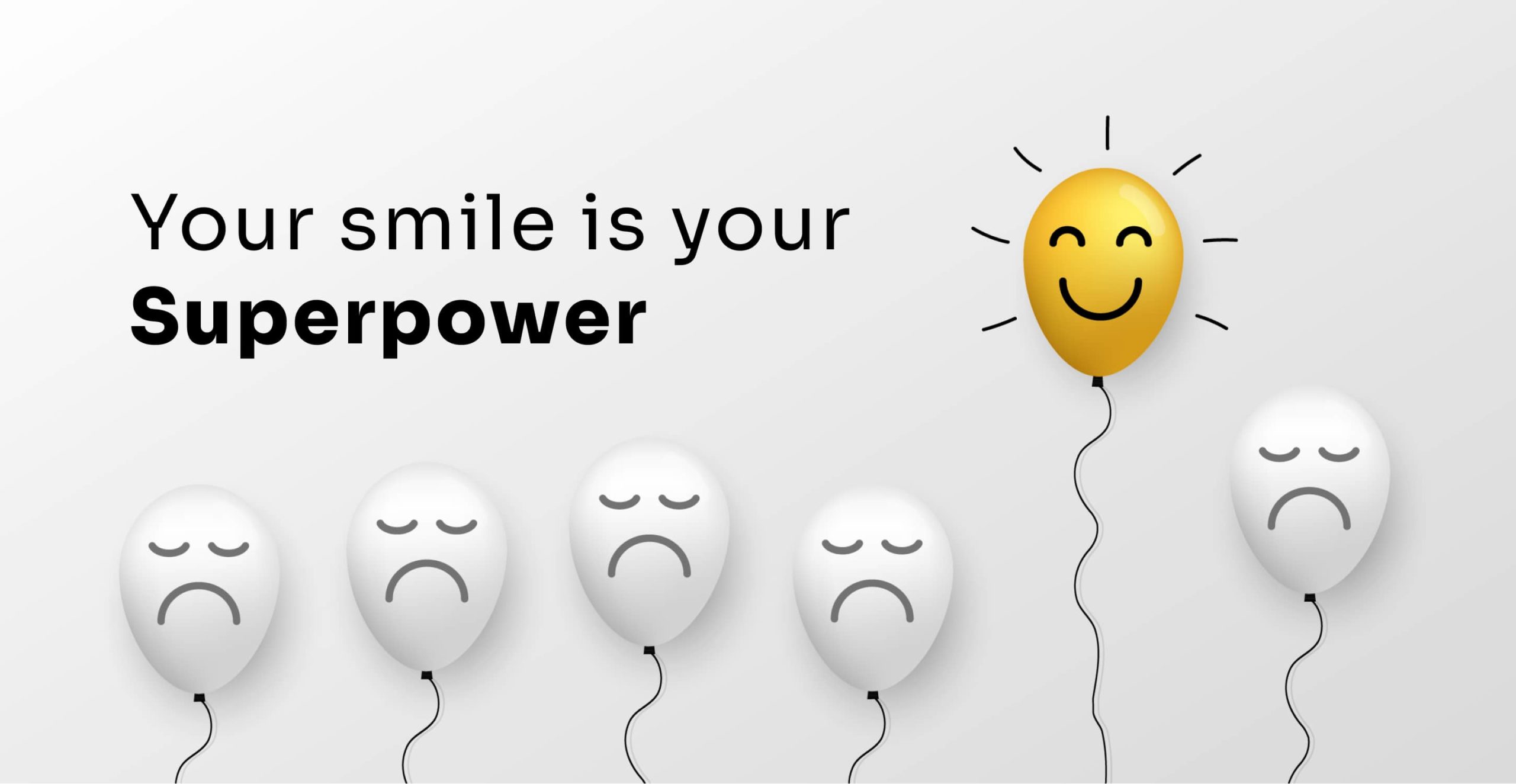
The power of the smile lies in its capacity to serve as a universal non-verbal signal that modulates both the neurochemistry of the individual and the social dynamics of interpersonal relationships. By activating specific facial musculature, a smile triggers physiological responses that reduce stress hormones, foster trust, and enhance cognitive processing, ultimately acting as a primary tool for human communication and psychological regulation.
The Neurobiology of Smiling
At its most fundamental level, smiling is a physical act involving the contraction of the zygomatic major muscle, which pulls the corners of the mouth upward, often in tandem with the orbicularis oculi, which crinkles the outer corners of the eyes. This specific movement is not merely a superficial expression; it is deeply linked to the brain's reward centers.
When an individual smiles, the brain releases a cocktail of neurotransmitters, including dopamine, endorphins, and serotonin. Dopamine serves as a chemical reward, reinforcing the action of smiling, while endorphins function as natural analgesics, helping to alleviate physical and emotional pain. Serotonin acts as a mood stabilizer, contributing to a sense of overall well-being. This process is so robust that even a "forced" smile can initiate a feedback loop. This concept, known as the facial feedback hypothesis, suggests that the physical act of moving facial muscles can influence one's emotional state, a phenomenon supported by studies showing that adopting a smiling expression can lower heart rate and blood pressure during stressful tasks.
The Social Utility of the Smile
Beyond personal neurochemistry, the smile functions as a powerful social lubricant. Evolutionarily, the smile is believed to have originated as a sign of safety—a signal that an individual is not a threat. In modern social contexts, this remains the primary intent: the smile is a tool for initiating social interaction, signaling empathy, and establishing rapport.
Trust and Cooperativeness
Research indicates that individuals who smile are perceived as more trustworthy, approachable, and competent. This "halo effect" occurs because the smile signals pro-social intent, reducing the perceived risk in initial interactions. In professional settings, this translates into higher rates of cooperation and more effective negotiation outcomes. When a person smiles, it subconsciously encourages the observer to mirror that expression, creating a state of emotional synchrony known as mimicry. This unconscious alignment helps to bridge social gaps and builds a foundation of mutual understanding.
De-escalation and Conflict Resolution
In situations characterized by tension or conflict, the genuine smile (often called the Duchenne smile, which involves the eyes) serves as a signal of non-aggression. By physically demonstrating an absence of defensive or offensive posture, a smile can effectively lower the physiological arousal of the counterpart in an argument. It acts as an invitation to de-escalate, shifting the interaction from a power struggle toward a collaborative dialogue.
Variations of the Smile: Identifying Authenticity
Not all smiles carry the same weight or intent. Distinguishing between types of smiles is essential for accurate social navigation.
| Smile Type | Muscle Engagement | Primary Social Function |
|---|---|---|
| Duchenne (Genuine) | Zygomatic major & Orbicularis oculi | Expresses felt joy and social bonding |
| Non-Duchenne (Social) | Zygomatic major only | Politeness, masking, or social convention |
| Dominance Smile | Asymmetrical contraction | Asserts status or competitive edge |
| Contempt Smile | Lip corner tightening (often unilateral) | Signals disapproval or social superiority |
Understanding these distinctions helps in interpreting social cues correctly. A Duchenne smile is characterized by the contraction of muscles around the eyes, which is notoriously difficult to fake voluntarily. Conversely, social smiles—often used in service industries or formal meetings—are functional tools intended to maintain social decorum even when the internal emotional state is neutral or stressed.
The Role of the Smile in Professional Environments
In 2026, the digital and hybrid nature of the modern workplace has made the visual signal of a smile even more vital for maintaining team cohesion. Remote communication tools often strip away nuanced body language; consequently, the intentional use of a smile during video conferences has become a critical skill for leadership and client relations.
Building Team Cohesion
Leaders who demonstrate a readiness to smile foster a psychologically safe environment. Psychological safety is the belief that one will not be punished or humiliated for speaking up with ideas, questions, or mistakes. A smile signals openness and lowers the barrier to communication, allowing team members to feel more comfortable engaging in creative risk-taking.
Client-Facing Reliability
In service-oriented sectors, the smile remains the benchmark for customer experience. It is not just a gesture of friendliness; it is a signal of attentiveness. A service provider who smiles implies that they are fully present and willing to assist, which directly correlates to higher customer satisfaction scores and brand loyalty. However, it is essential that this smile is supported by consistent service, as a "service smile" unsupported by effective action can lead to perceived inauthenticity, which may damage trust more severely than a neutral expression.
Prerequisites for Genuine Engagement
While the physiological benefits of smiling are accessible to almost everyone, the social efficacy of the smile depends on authenticity. Attempting to deploy a smile as a manipulative tactic—often termed "emotional labor"—can lead to professional burnout and interpersonal friction.
- Awareness of Internal State: Before attempting to project warmth, one must acknowledge their genuine emotional baseline. If one is feeling overwhelmed, a forced smile will often appear "socially dissonant" to observers, causing discomfort rather than connection.
- Contextual Appropriateness: Smiling in a high-stakes, somber, or technical troubleshooting environment can be misconstrued as lack of seriousness. Mastering the power of the smile requires the situational intelligence to know when to use it as an icebreaker and when to adopt a neutral, focused expression.
- Physical Maintenance: The ability to communicate through facial expressions is aided by basic physical health. Factors such as dental hygiene, hydration, and vocal rest indirectly influence how one's smiles are perceived by others.
Common Mistakes and Misinterpretations
Misinterpreting the intent behind a smile is a frequent cause of social friction. One common error is the "over-smiling" trap, where an individual uses a smile continuously regardless of the conversation topic. This can make the person appear anxious or untrustworthy, as it masks their true reactions to sensitive information.
Another common mistake is the failure to recognize cultural variations. In some high-context cultures, a smile may be used to mask embarrassment or to maintain harmony in the face of negative news. Assuming that a smile always equals happiness is a heuristic error that can lead to significant misunderstandings in cross-cultural or international business dealings.
Frequently Asked Questions
Can a forced smile really improve your mood?
Yes, evidence from the facial feedback hypothesis suggests that the brain interprets the contraction of smiling muscles as a cue to release mood-regulating neurotransmitters. While it is not a substitute for clinical psychological care, it is a proven self-regulation technique for transient stress.
What is the difference between a social smile and a genuine smile?
A genuine, or Duchenne, smile involves both the mouth and the eyes (the orbicularis oculi). A social or "posed" smile primarily utilizes the mouth muscles and is often used for politeness or to conform to social expectations without necessarily reflecting internal joy.
Can smiling too much be perceived negatively?
Yes. Excessive smiling, particularly in professional environments or during serious discussions, can be perceived as insincerity, nervous energy, or an attempt to deflect accountability. The power of the smile is most effective when it is congruent with the situation.
Is smiling a universal language?
While the act of smiling is globally recognized as a sign of positive emotion or intent, the frequency and context of smiling vary significantly across cultures. It is viewed as a social tool in some cultures and a display of intimacy in others.
How can I practice using my smile more effectively?
Focus on "eye-smiling." By ensuring your eyes are engaged, your smile will be perceived as more authentic and warm. Practice using a smile to initiate conversations, which helps in breaking down initial barriers in social or professional settings.
Next Steps for Improving Your Non-Verbal Communication
To harness the power of the smile effectively, begin by practicing "active observation." In your next three professional interactions, observe whether your counterpart engages their eyes when they smile. Use this as a baseline to determine if you are dealing with a social convention or a genuine expression of rapport.
If you find that you struggle to smile in professional settings, do not force it. Instead, focus on the prerequisite of internal engagement. When you are truly listening—active listening—your face will naturally follow your intent. Start by ensuring your posture is open and your focus is entirely on the speaker; the smile will then become a natural, effective punctuator to your conversation rather than a forced accessory.
Image Gallery
Select an image to open it in a new tab.





Ingrid Bjornson
Global Cyber Policy and Regulation Analyst
