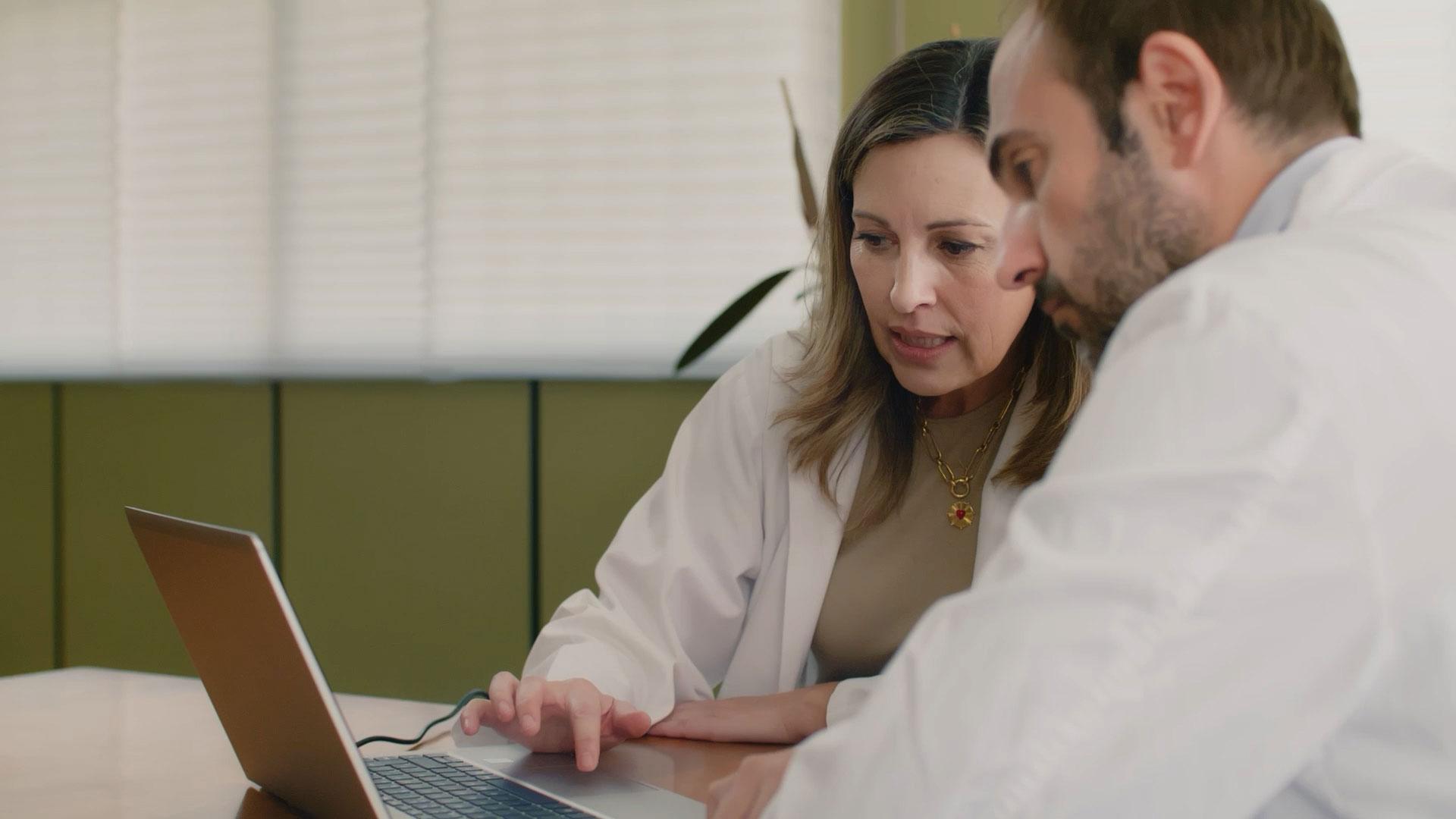
The oncology nurse practitioner (NP) serves as a critical bridge in modern cancer care, combining advanced clinical expertise with holistic support to streamline diagnostics, symptom management, and long-term survivorship planning for patients navigating complex therapeutic journeys.
Introduction to the Modern Oncology Nurse Practitioner
The landscape of cancer care has evolved exponentially over the past few decades. With the advent of precision medicine, targeted therapies, immunotherapies, and complex combination regimens, patients face a staggering array of choices, side effects, and care requirements. Within this high-stakes environment, the oncology nurse practitioner (NP) has emerged as an indispensable pillar of the multidisciplinary healthcare team.
An oncology NP is an advanced practice registered nurse (APRN) who has acquired specialized graduate-level education and clinical training—typically earning a Master of Science in Nursing (MSN) or Doctor of Nursing Practice (DNP) degree—focused specifically on oncology. They hold national board certification and, depending on state regulations, possess the autonomy to assess patients, order and interpret diagnostic tests, formulate differential diagnoses, and prescribe medications, including complex antineoplastic therapies.
Far from merely supplementing physician workloads, the oncology NP role matters profoundly because it fundamentally transforms the patient experience. By bridging the gap between rigorous medical intervention and compassionate, patient-centered advocacy, oncology NPs ensure that clinical excellence is matched by continuous, personalized support. Understanding why this role is vital requires examining the core dimensions of cancer care where nurse practitioners exert their greatest impact.
Clinical Expertise and Comprehensive Symptom Management
Cancer and its treatments—ranging from cytotoxic chemotherapy and radiation therapy to modern biologic agents and chimeric antigen receptor (CAR) T-cell therapy—impose a heavy burden on the human body. Managing these toxicities requires deep pharmacological and physiological insight combined with constant vigilance.
Oncology NPs specialize in anticipating, recognizing, and grading treatment-related toxicities before they escalate into life-threatening complications. Whether addressing chemotherapy-induced nausea and vomiting (CINV), severe neutropenia, immune-related adverse events (irAEs) from checkpoint inhibitors, or chronic cancer-related fatigue, NPs utilize evidence-based guidelines to intervene swiftly.
Proactive Care vs. Reactive Treatment
Traditional healthcare delivery models often suffer from a reactive stance: patients experience symptoms at home, wait for scheduled clinic visits, or end up in emergency departments when symptoms become unmanageable. Oncology NPs actively disrupt this cycle through proactive symptom surveillance. During routine clinical assessments, NPs systematically evaluate patients using validated tools to catch subtle declines in functional status, nutritional intake, or mental health.
By adjusting supportive care medications, prescribing prophylactic antiemetics, or facilitating timely dose reductions and treatment holds, oncology NPs protect patients from unnecessary suffering while preserving the integrity of their anti-cancer regimens.
Bridging the Communication Gap in Oncology
A cancer diagnosis shatters a patient's sense of predictability, plunging them into a foreign world filled with dense medical jargon, unfamiliar prognoses, and frightening treatment schedules. While medical oncologists provide vital overarching guidance, consultation times are frequently constrained by high patient volumes.
Here, the oncology NP acts as a primary communication conduit. NPs routinely spend extended periods with patients and their families, translating complex pathology reports, genomic sequencing results, and treatment rationales into accessible, understandable language. This translational communication serves several vital functions:
- Informed Decision-Making: Patients cannot provide true informed consent without fully comprehending what a therapy entails. NPs walk patients through the realistic pros, cons, and lifestyle impacts of upcoming treatments.
- Emotional Alignment: By sitting with patients during vulnerable moments, NPs gauge emotional readiness, address existential dread, and dispel common myths or misconceptions about cancer treatments.
- Family Education: Cancer affects entire support systems. NPs educate caregivers on how to manage at-home care, recognize red-flag symptoms such as febrile neutropenia, and access respite resources.
Navigating the Multidisciplinary Care Continuum
Modern oncology is inherently collaborative. A single patient's care plan may require coordination between surgical oncologists, radiation oncologists, radiologists, pathologists, palliative care specialists, dietitians, and social workers. Without a dedicated coordinator, patients can easily fall through the cracks of this fragmented system.
Oncology NPs frequently act as the central anchor of the multidisciplinary team. They synthesize recommendations from various specialists, reconcile conflicting schedules, and ensure that diagnostic timelines move forward efficiently. For instance, if a patient receiving immunotherapy develops pulmonary symptoms, the oncology NP coordinates prompt pulmonology consultations, orders baseline imaging, and oversees the initiation of corticosteroid therapy while maintaining open channels of communication with the primary medical oncologist.
This seamless orchestration reduces diagnostic delays, prevents redundant testing, and alleviates the administrative burden that frequently overwhelms patients and families during an already stressful period.
Comparison of Care Delivery Elements in Oncology
To understand the distinct value brought by oncology nurse practitioners, it is helpful to examine how their scope of practice intersects with other core components of the cancer care ecosystem.
| Care Dimension | Physician Oncologist | Oncology Nurse Practitioner | Oncology Staff Nurse |
|---|---|---|---|
| Primary Focus | Overall disease management, staging, and major treatment planning | Comprehensive clinical care, symptom management, and patient education | Direct bedside care, administration of therapies, and ongoing monitoring |
| Prescriptive Authority | Full independent authority for all oncology drugs and supportive care | Full or collaborative authority depending on state legislation for therapies and supportive care | Administration per orders; non-prescriptive role |
| Patient Interaction | Periodic clinical consultations and procedural oversight | Continuous longitudinal management, frequent touchpoints, and care coordination | Shift-based, high-frequency bedside or infusion suite contact |
| Care Continuity | Oversees clinical direction across courses of therapy | Serves as the stable, ongoing clinical point of contact throughout the care trajectory | Manages immediate physical needs during active treatment sessions |
Psychosocial Support and Survivorship Care
The responsibilities of the oncology NP extend far beyond active treatment phases into survivorship and end-of-life care. Cancer survivorship presents a distinct set of challenges, including late-onset physical toxicities (such as cardiotoxicity from anthracyclines or peripheral neuropathy from taxanes), fear of cancer recurrence, financial toxicity, and difficulties reintegrating into the workforce.
Tailored Survivorship Care Plans
Oncology NPs play a leading role in developing and implementing comprehensive survivorship care plans (SCPs). These individualized roadmaps document the patient's specific diagnosis, staging, treatments received, potential long-term side effects, and a schedule for ongoing surveillance monitoring. By equipping patients with clear guidance on what follow-up labs or imaging are needed—and which warning signs warrant immediate medical attention—NPs empower survivors to take active control of their post-treatment health.
Palliative and End-of-Life Integration
When curative options are exhausted or when symptom burden outweighs the benefits of further disease-directed therapy, the transition to palliative or hospice care requires immense sensitivity. Oncology NPs, who have often built deep relational bonds with patients over months or years of treatment, are ideally positioned to guide these sensitive discussions. They champion goals-of-care conversations that prioritize quality of life, comfort, and dignity, ensuring that patients' wishes are honored while providing robust bereavement support to families.
Overcoming Systemic Challenges and Expanding Access
Global and national healthcare systems face persistent shortages of oncology specialists, driven by an aging population, rising cancer incidence rates, and an expanding pipeline of novel therapies. Concurrently, geographic disparities mean that patients living in rural or underserved areas often struggle to access timely cancer care.
The oncology NP workforce directly mitigates these disparities. By extending the reach of comprehensive cancer centers, operating in community oncology practices, and leading specialized clinics, NPs expand institutional capacity. Their advanced training allows them to safely manage routine follow-up visits, routine surveillance scans, and stable maintenance therapies, freeing medical oncologists to focus on complex initial evaluations and high-acuity interventions. This division of labor optimizes healthcare resource utilization and shortens wait times for newly diagnosed patients who urgently need specialized care.
Frequently Asked Questions
What specific clinical duties can an oncology nurse practitioner perform?
An oncology NP conducts physical examinations, takes detailed medical histories, orders and interprets diagnostic imaging and laboratory tests, diagnoses conditions, and prescribes medications, including chemotherapy, immunotherapy, supportive care drugs, and pain management regimens. They also perform clinical procedures such as bone marrow biopsies and lumbar punctures in many clinical settings.
How does an oncology NP differ from an oncology registered nurse (RN)?
While both are vital nursing professionals, an oncology RN focuses on direct patient care, assessing immediate reactions, administering prescribed treatments in infusion suites, and providing frontline monitoring. An oncology NP possesses advanced graduate education (MSN or DNP) and national certification, granting them diagnostic and prescriptive authority as well as the ability to manage the overarching clinical trajectory of a patient's care.
Do patients need to see a physician if they have an oncology NP?
Most oncology care models utilize a collaborative team approach where patients see both medical oncologists and oncology NPs. While NPs frequently manage routine follow-ups, surveillance visits, and acute symptom checks independently, they work in close partnership with supervising oncologists to review complex treatment plans, assess major therapeutic milestones, and adjust overarching disease management strategies.
What is the role of the oncology NP in clinical trials?
Oncology NPs frequently function as clinical research coordinators or sub-investigators. They screen potential trial participants, ensure strict adherence to complex research protocols, monitor and document adverse events, and provide rigorous patient education regarding the risks and requirements of experimental therapies.
Conclusion and Next Steps
The oncology nurse practitioner is far more than a clinical extender; they are central to modern, compassionate, and effective cancer care. By fusing advanced medical decision-making with holistic nursing philosophy, oncology NPs navigate patients through the staggering complexities of diagnosis, treatment, survivorship, or palliative care. For patients and caregivers entering the healthcare system, building a collaborative relationship with an oncology NP ensures consistent communication, proactive symptom mitigation, and unwavering advocacy at every stage of the journey.
Patients and families should actively engage with their oncology care team, ask questions about the roles of each multidisciplinary member, and lean on their assigned nurse practitioner as a primary resource for clinical guidance and emotional support.
Image Gallery
Select an image to open it in a new tab.
Simon Caldwell
Enterprise Technology and Systems Editor
