
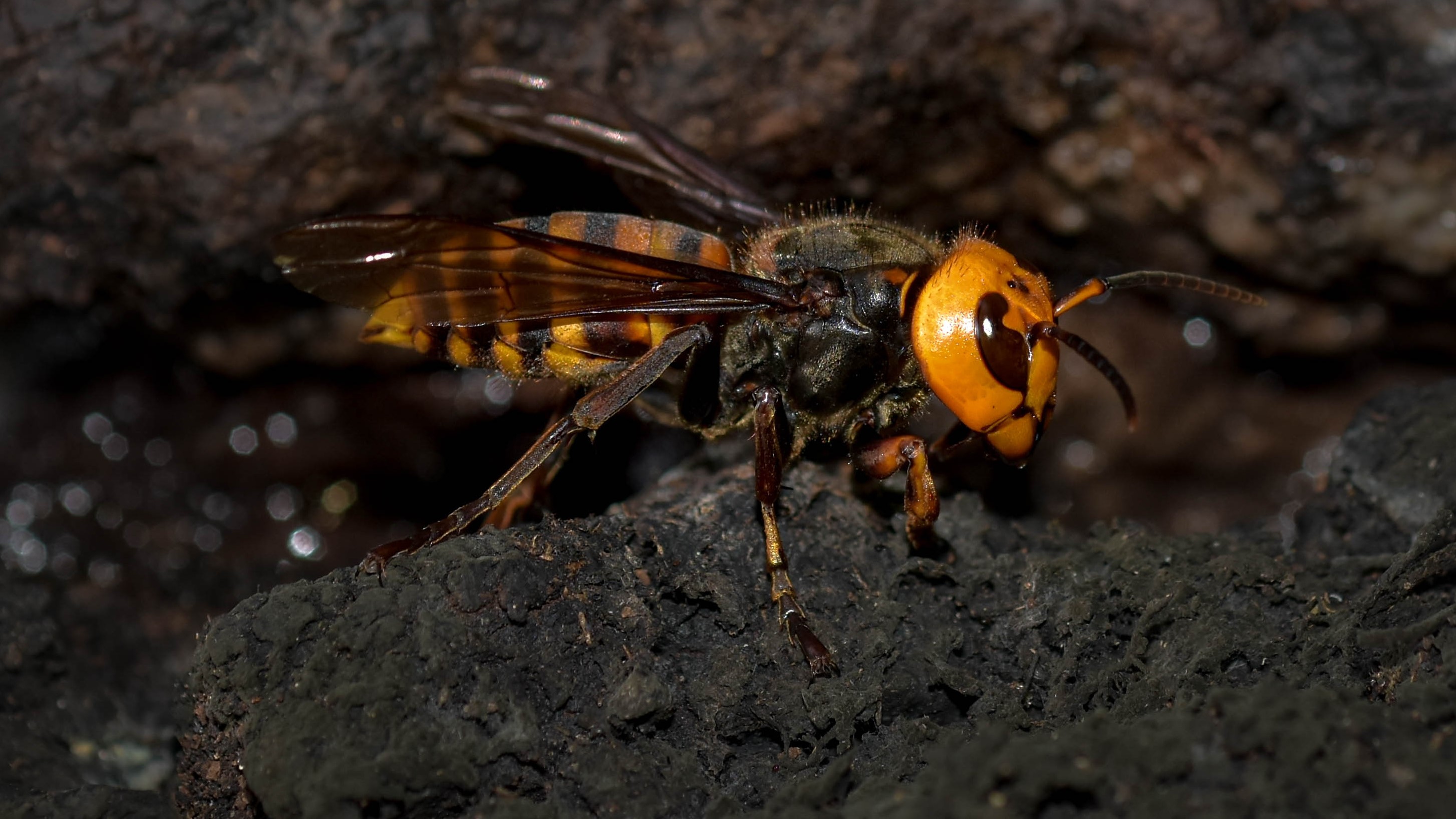
A mature Northern giant hornet queen (Vespa mandarinia) typically measures between 2 inches (50 mm) and 2.2 inches (55 mm) in length. Known for their distinct orange heads and dark-striped bodies, these queens are significantly larger than workers, boasting wingspans that often exceed 3 inches (75 mm).
The Northern giant hornet, colloquially known as the "murder hornet," remains a subject of intense monitoring and public interest in 2026. Since its initial discovery in North America in 2019, the focus of entomologists and residents alike has been on the identification and containment of this invasive species. Central to these efforts is the ability to recognize the queen, as she is the sole founder of new colonies and the primary driver of the species' expansion. Understanding the sheer scale of a queen hornet is the first step in differentiating this apex insect from more common, less aggressive native species.
Dimensions and Physical Anatomy of the Queen
The queen of the species Vespa mandarinia is a marvel of biological engineering, designed for endurance, egg-laying, and colony defense. Her size is her most defining characteristic, making her the largest hornet in the world. While a standard worker might reach 1.5 inches, the queen is a full half-inch larger, a difference that is startlingly apparent to the naked eye.
Total Body Length
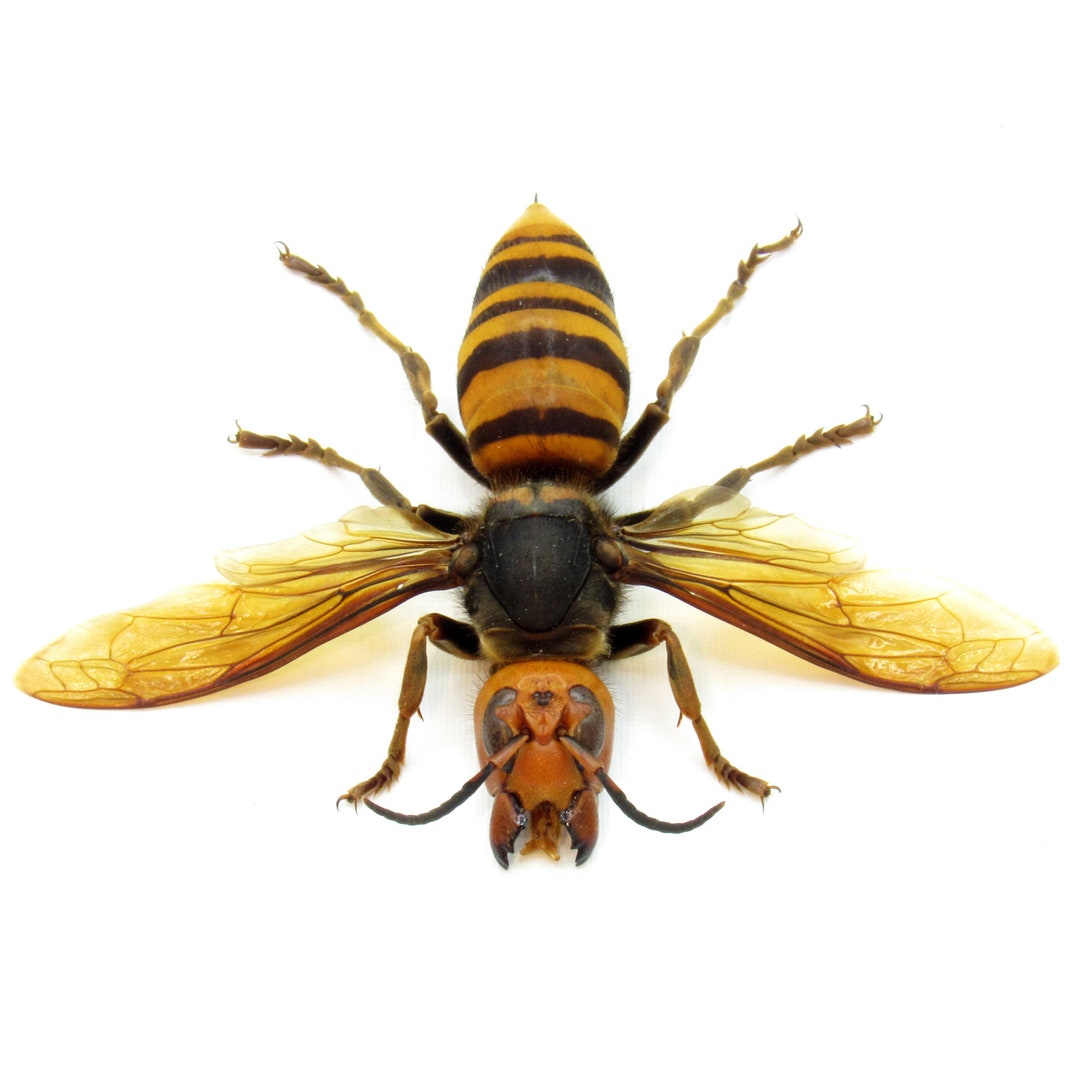
A healthy, reproductive queen usually reaches a length of 50 millimeters. In some documented cases in their native East Asian habitats, specimens have been recorded slightly larger, up to 55 millimeters. This length is roughly equivalent to the width of a standard credit card. When viewed from above, the body is divided into three distinct sections: the head, the thorax, and the gaster (abdomen). The queen’s gaster is notably more robust than that of a worker, as it contains the developed ovaries required to produce thousands of offspring over a single season.
Wingspan and Flight Mechanics
The wingspan of a Northern giant hornet queen is equally impressive, ranging from 70 to 76 millimeters (approximately 3 inches). These wings are powerful and capable of sustained flight over several kilometers as the queen searches for a suitable nesting site in the spring. The wings have a brownish-amber tint and a leathery texture, producing a low-frequency buzzing sound that is significantly deeper and louder than the high-pitched hum of a common honeybee or yellowjacket.
The Stinger: Depth and Potential Danger
One of the most frequent questions regarding the queen's size involves the stinger. Unlike honeybees, which have barbed stingers that remain in the skin, the Northern giant hornet queen possesses a smooth, 6-millimeter stinger. This length allows it to penetrate standard clothing and even some types of thin leather or rubber gloves. Because of the queen’s size, the volume of venom she can deliver is considerably higher than that of other wasps, containing mandaratoxin, a potent neurotoxin that can cause tissue necrosis and, in extreme cases of multiple stings, systemic organ failure.
Distinguishing the Queen from Workers and Drones
Within a Vespa mandarinia colony, the size of the individual is the primary indicator of its caste. While all members of the species share the same color patterns, the queen stands out due to her mass and certain morphological features.
Morphological Differences
While workers are generally 35 to 40 millimeters long, they lack the broad, muscular thorax seen in the queen. The queen’s head is also proportionally larger and a more vibrant shade of orange. This large head houses powerful mandibles used for decapitating prey, such as honeybees, and for excavating soil during the nest-building process. Drones (males) are similar in size to workers but lack a stinger and have longer antennae, which are curved at the tips.
Role-Based Physicality
The queen's physical bulk is not just for intimidation; it serves a biological purpose. Before the onset of winter, a new queen must consume significant amounts of protein and carbohydrates to build up "fat bodies" within her abdomen. These energy reserves sustain her through months of hibernation underground. When she emerges in the spring, her large size provides the thermal mass necessary to survive fluctuating temperatures before her first generation of workers is born to take over the thermal regulation of the nest.

Comparison with Similar Species
In the Pacific Northwest and other regions where sightings are reported, many people mistake native or long-established species for the Northern giant hornet queen. The following table provides a clear comparison of the physical dimensions and traits of common look-alikes as of 2026.
| Species | Typical Queen Length | Wingspan | Notable Features |
|---|---|---|---|
| Northern Giant Hornet | 50–55 mm | 75 mm | Bright orange head; dark brown/black thorax; yellow/black striped abdomen. |
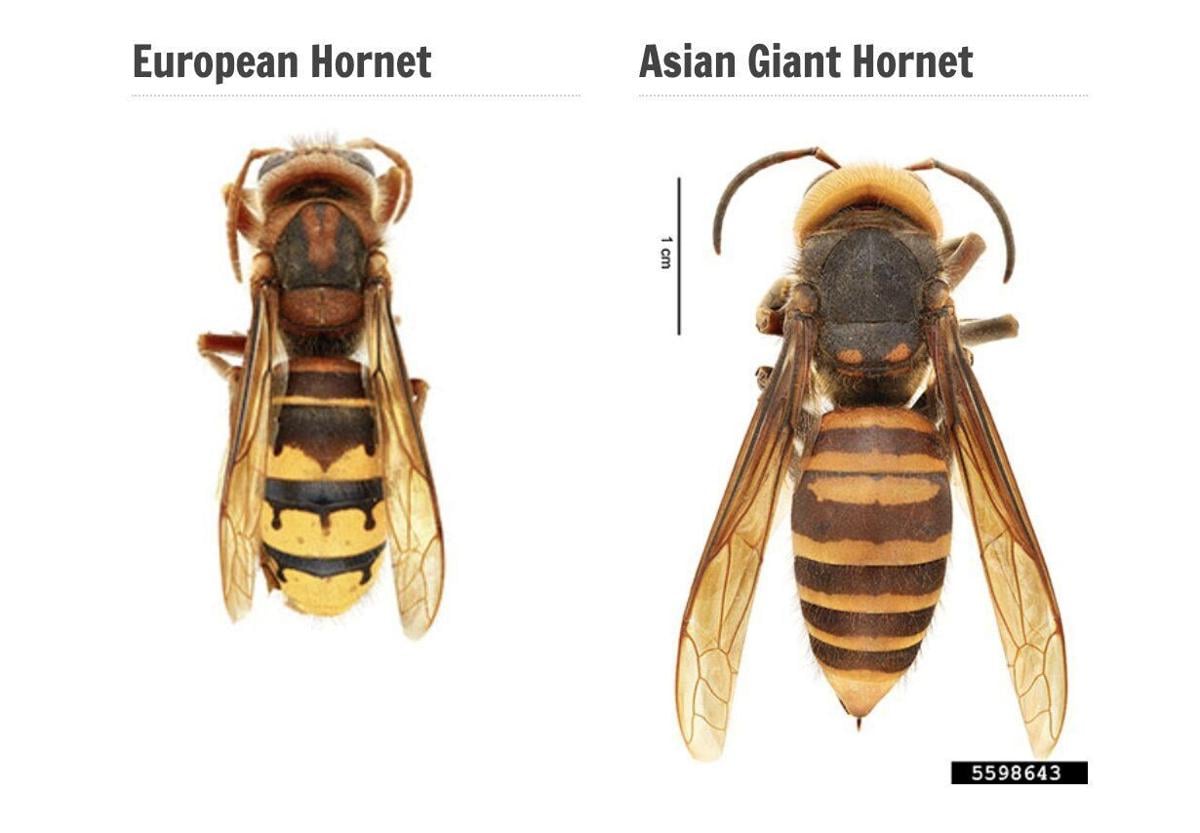
| European Hornet | 25–35 mm | 45–50 mm | Reddish-brown thorax; abdomen is yellow with dark teardrop-shaped spots. |
| Cicada Killer Wasp | 30–50 mm | 40–45 mm | Darker body; reddish wings; very large but solitary and rarely aggressive to humans. |
| Yellowjacket (Queen) | 18–20 mm | 25–30 mm | Much smaller; lacks the solid orange head; black and yellow patterns are more jagged. |
| Bald-Faced Hornet | 18–22 mm | 30 mm | Mostly black with white or ivory markings on the face and tail; not a true hornet. |
The European Hornet Misidentification
The most common species confused with the Vespa mandarinia queen is the European hornet (Vespa crabro). While the European hornet is the only "true" hornet established across much of North America, it is significantly smaller. A European hornet queen rarely exceeds 35 mm. Furthermore, the European hornet's abdomen features "teardrop" markings, whereas the Northern giant hornet has clean, alternating bands of dark brown and orange-yellow.
The Queen’s Seasonal Life Cycle and Behavior
As of 2026, tracking the seasonal movements of the queen remains the most effective way to prevent the establishment of new colonies. Her behavior changes radically depending on the time of year, which in turn influences when she is most likely to be spotted by the public.
Spring Emergence (April - June)
This is the most critical time for sightings. After hibernating in rotted logs or underground cavities, the queen emerges to find a new nesting site. During this phase, she is a "foundress." She must hunt for sap and insects alone to provide for herself and her first brood. Because she is solitary during this time, she is vulnerable but also more likely to be seen foraging.
Summer Colony Expansion (July - August)
Once the first generation of workers (the smaller females) emerges, the queen retires to the interior of the nest. From this point forward, she rarely leaves the hive. Her sole job is to lay eggs—up to 40 per day. Nests are typically located in the ground, often in abandoned rodent burrows or near the roots of dead trees, making the queen’s lair difficult to locate without specialized tracking equipment.
The "Slaughter Phase" and New Queens (September - October)
In late summer, the colony enters its most aggressive state. Workers forage heavily to prepare for the production of next year's queens. It is during this time that they may attack honeybee hives, killing the entire population in a matter of hours to harvest the protein-rich larvae. By October, the original queen dies, and dozens of new "virgin queens" emerge from the nest to mate with drones before seeking hibernation spots.
Nesting Habits and Environmental Impact
The size of a Northern giant hornet queen allows her to occupy niches that other wasps cannot. Because she requires significant space to house a colony that can grow to several hundred individuals, her choice of nesting site is specific.
- Subterranean Focus: Most queens prefer to nest in the ground. The large diameter of the entrance (often the size of a golf ball) is a key indicator.
- Forest Margins: They prefer "edge" habitats where forests meet clearings. This provides easy access to both wood for nest pulp and open areas for hunting other insects.
- Impact on Local Pollinators: The primary concern regarding the queen's success is the impact on local honeybee (Apis mellifera) populations. Because honeybees in North America did not evolve alongside Vespa mandarinia, they lack the "heat balling" defense mechanism used by Japanese honeybees to kill invading hornets. A single queen successfully establishing a nest can result in the destruction of dozens of nearby bee colonies.
Safe Identification and Reporting Procedures
If you encounter an insect you believe to be a Northern giant hornet queen, caution is the absolute priority. The size of the insect correlates directly with the distance her venom can be sprayed and the depth her stinger can reach.
- Maintain Distance: Do not approach the insect. If you are within 10 feet, back away slowly. Unlike bees, hornets do not lose their stinger and can sting repeatedly.
- Do Not Swat: Aggressive movements can trigger a pheromone release that may signal other hornets if a nest is nearby.
- Photographic Evidence: From a safe distance, take a photograph. Modern smartphones in 2026 have high-resolution zoom capabilities that allow for identification without physical proximity. Focus on the head (for the orange color) and the abdomen (for the banding).
- Official Reporting: Report sightings to the local Department of Agriculture or invasive species council. In Washington State, the WSDA remains the primary authority for tracking and eradicating these hornets. Provide GPS coordinates or a precise location of the sighting.
Specialized Protection and Eradication Efforts
In 2026, the technology used to manage these insects has evolved. Eradication teams now use specialized ventilated suits made of thick, reinforced fabric that prevents the 6mm stinger from reaching the skin.
Radio Tagging
One of the most successful methods for finding the queen’s nest involves capturing a worker and attaching a miniature radio tag to its thorax using dental floss or specialized adhesive. Entomologists then track the signal back to the nest. Once the nest is located, it is typically eradicated at night using carbon dioxide to numb the hornets before the entire structure is removed and the queen is captured or destroyed.
Thermal Imaging
Because a nest containing a queen and hundreds of workers generates significant metabolic heat, thermal imaging cameras are frequently used in late summer to scan the ground in suspected areas. The heat signature of a Vespa mandarinia nest is distinct from the surrounding soil, allowing for precise location even in dense undergrowth.
Frequently Asked Questions
Can a Northern giant hornet queen fly long distances?
Yes. During the spring foundress phase, a queen can fly several miles in search of the ideal nesting site. This ability to disperse makes containment challenging, as a single undetected queen can move into a new county or municipality within a single season.
Does the "murder hornet" queen have a different color than the workers?
The color pattern is nearly identical—a bright orange head and alternating orange and dark brown/black bands on the abdomen. The primary difference is the intensity of the color and the sheer size of the queen. The queen's orange head is often more vivid, serving as a warning to potential predators.
What should I do if I find a nest in the ground?
Do not attempt to treat the nest with over-the-counter wasp spray. Standard sprays often do not reach the depth of a Northern giant hornet nest and may only succeed in agitating the colony. Mark the area from a distance and contact professional pest control or state agricultural officials immediately.
Are Northern giant hornets still a threat in 2026?
Surveillance remains active in 2026. While the number of sightings has fluctuated since 2019, the potential for the species to establish a permanent foothold in the Pacific Northwest remains a significant ecological concern. Continuous monitoring of queen emergence in the spring is the primary defense against long-term colonization.
How big is the queen compared to a thumb?
The queen is roughly the size of an adult human thumb. In terms of volume, she is much "thicker" than a standard wasp, possessing a heavy, armored appearance that distinguishes her from the more slender native wasps.
Summary of Action for Residents
The size of the Northern giant hornet queen is its most identifiable trait but also its most dangerous asset. If you live in an at-risk area, familiarize yourself with the 2-inch scale of this insect. During the spring months of 2026, keep a watchful eye on woodpiles and sunny embankments where a queen might begin her nest. By identifying and reporting these queens early, you play a vital role in protecting local agriculture and the native bee populations that are essential to our ecosystem.
Image Gallery
Select an image to open it in a new tab.


Omar Farooq
EdTech Innovation and Virtual Pedagogy Journalist
