Metastasized Ovarian Cancer Survival Rates: Statistics, Prognosis, and 2026 Treatment Outlook

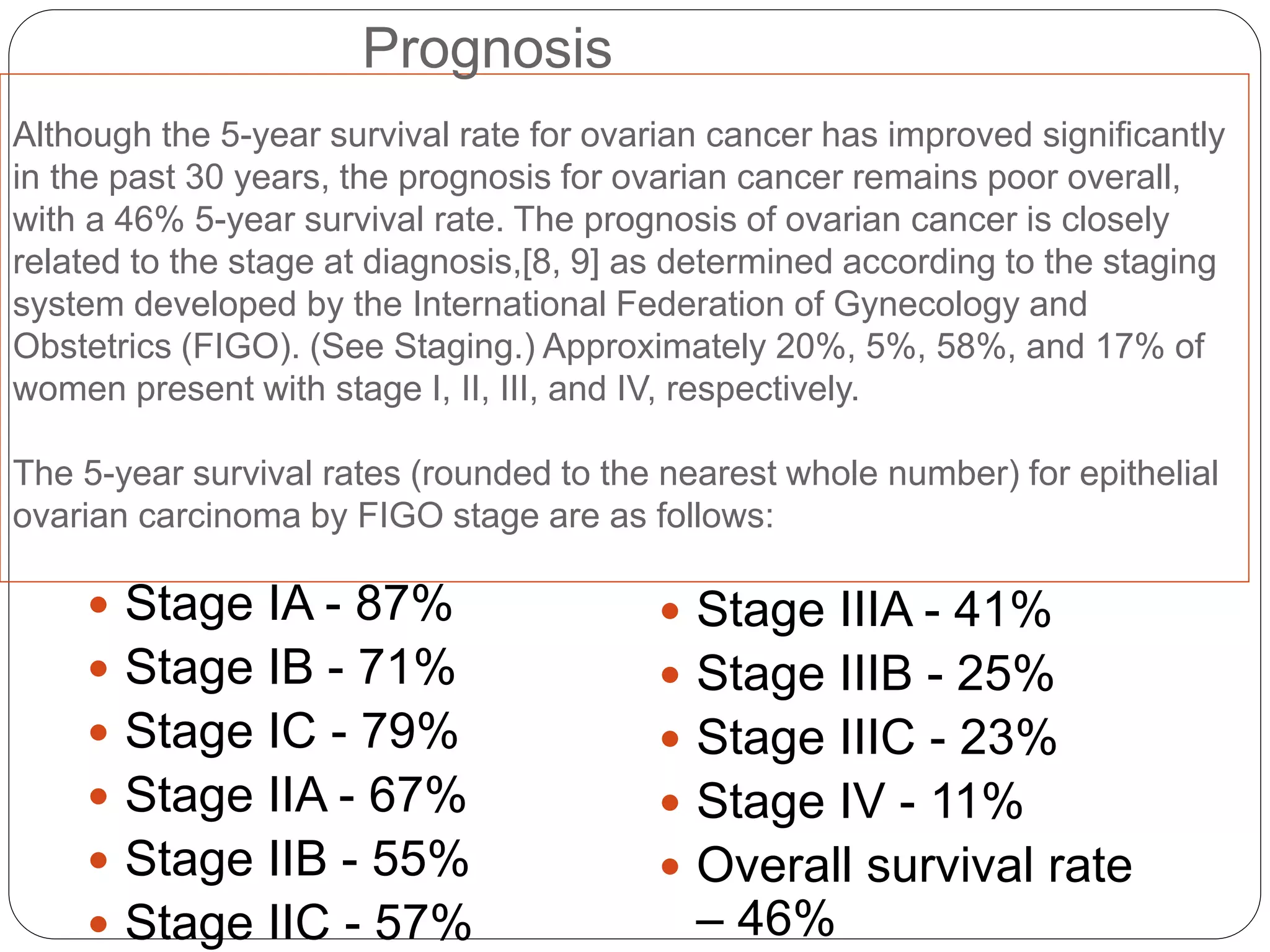
The five-year relative survival rate for metastasized (Stage IV) ovarian cancer is approximately 31%, according to the most recent longitudinal data from the National Cancer Institute’s SEER database. However, this figure is an average that varies significantly based on age, tumor histology, genetic markers, and the success of surgical debulking.
The term "metastasized" in ovarian cancer generally refers to Stage IV disease, where the cancer has spread beyond the peritoneal cavity to distant organs such as the lungs, liver parenchyma, or bone. While a Stage IV diagnosis is serious, it is important to distinguish between "relative survival rates" and "individual prognosis." Survival statistics are backward-looking, reflecting the outcomes of patients diagnosed years ago. In 2026, the integration of targeted maintenance therapies and advanced surgical techniques has begun to shift the clinical landscape, offering many patients longer periods of remission and improved quality of life.
Understanding Metastatic Ovarian Cancer (Stage IV)
Metastasis occurs when cancer cells break away from the primary tumor in the ovaries or fallopian tubes and travel through the lymphatic system or the bloodstream to distant sites. In ovarian cancer, this staging is further subdivided to provide a more accurate prognostic picture.
Stage IVA vs. Stage IVB
The distinction between these sub-stages is critical for determining survival outlook and treatment strategy:
- Stage IVA: This is defined by the presence of cancer cells in the pleural effusion (the fluid around the lungs) without any other distant metastases. This is often considered a slightly more "localized" version of metastatic disease, frequently carrying a better prognosis than Stage IVB.
- Stage IVB: This indicates that the cancer has spread to the inside of distant organs. Common sites include the liver (the tissue itself, not just the surface), lungs, brain, or lymph nodes in the neck or groin.
The Role of the SEER Database
The American Cancer Society and the National Cancer Institute use the SEER (Surveillance, Epidemiology, and End Results) categories to track survival. They categorize cancer as "Distant" rather than "Stage IV." For ovarian cancer, the Distant category encompasses all Stage IV cases. As of 2026, the 31% survival rate remains the benchmark for this group, but it is essential to remember that this includes patients who did not have access to the newer "maintenance" drugs now standard in modern oncology.
Factors Influencing Survival Rates
No two patients experience metastatic ovarian cancer in the exact same way. Several biological and clinical factors determine where an individual might fall on the statistical spectrum.
Histological Subtype
Ovarian cancer is not a single disease. It is a collection of different tumor types, each with its own behavior:
- High-Grade Serous Carcinoma (HGSC): The most common type. While aggressive, it often responds well initially to platinum-based chemotherapy.
- Clear Cell and Mucinous Carcinomas: These are rarer and can be more resistant to standard chemotherapy, which can impact long-term survival rates if they are diagnosed at a metastatic stage.
- Low-Grade Serous Carcinoma: These tumors grow more slowly and may have a different survival trajectory, often responding better to hormonal therapies.
Genetic Mutations (BRCA1 and BRCA2)
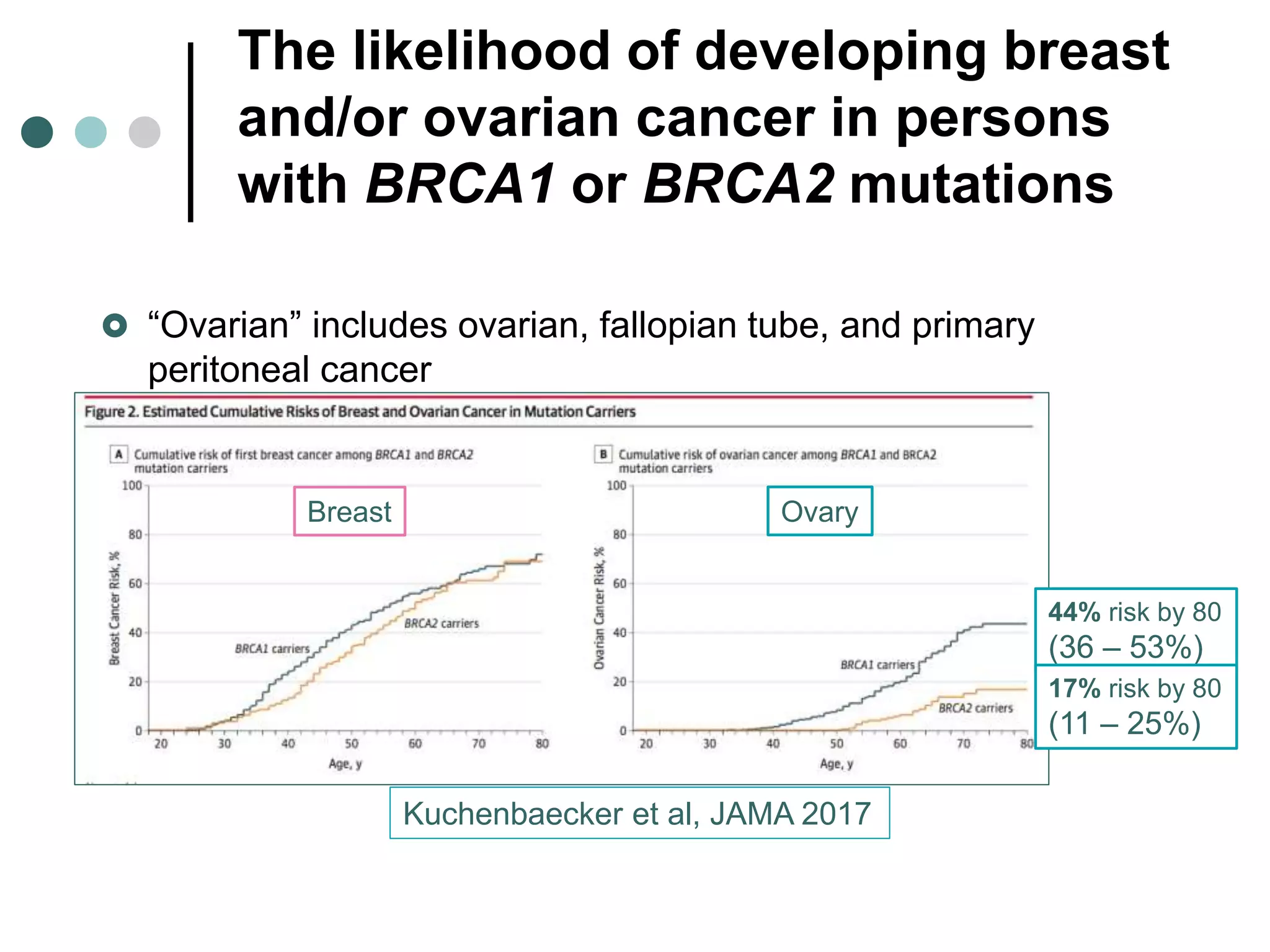
Perhaps the most significant development in ovarian cancer prognosis over the last decade is the understanding of the BRCA1 and BRCA2 mutations. Patients with these mutations often have a better overall survival rate than those without them. This is because BRCA-mutated tumors are typically more sensitive to chemotherapy and highly responsive to PARP inhibitors, a class of drugs that prevents cancer cells from repairing their DNA.
Age and General Health
A patient’s "performance status" (a clinical measure of their ability to perform daily tasks) is a strong predictor of survival. Younger patients (under age 65) generally have higher survival rates because they are often better able to tolerate aggressive "cytoreductive" surgeries and intensive chemotherapy regimens.

The Critical Importance of Surgical Debulking
For metastasized ovarian cancer, the goal of surgery is "cytoreduction" or debulking—removing as much of the visible tumor as possible. The success of this initial surgery is one of the most powerful predictors of survival.
- R0 Resection (Complete Debulking): This occurs when no visible tumor remains at the end of surgery. Patients who achieve an R0 resection have significantly higher 5-year survival rates than those who do not.
- Optimal Debulking: This refers to leaving behind tumors that are less than 1 centimeter in diameter.
- Suboptimal Debulking: If tumors larger than 1 cm remain, the prognosis is generally less favorable, as the remaining cancer mass is more likely to develop resistance to chemotherapy.
In 2026, many specialized centers use extensile surgery and even HIPEC (Hyperthermic Intraperitoneal Chemotherapy) during the surgical procedure to kill microscopic cancer cells, which has shown promise in extending the "progression-free survival" (the time a patient lives without the disease getting worse).
Survival Rates by Stage and Category (2026 Data Reference)
To understand the 31% metastatic survival rate, it is helpful to compare it against other stages. This data reflects the most recent SEER updates available in 2026.
| SEER Stage | Equivalent AJCC Stage | 5-Year Relative Survival Rate |
|---|---|---|
| Localized | Stage I (Limited to ovary/tube) | ~93% |
| Regional | Stage II & III (Spread to nearby organs/nodes) | ~75% |
| Distant | Stage IV (Metastasized to distant organs) | ~31% |
| All Stages Combined | N/A | ~50% |
Source: National Cancer Institute / American Cancer Society adjusted for 2026 reporting cycles.
Treatment Advancements Impacting 2026 Prognosis
The 31% statistic is often based on patients who were treated 5 to 10 years ago. Today, treatment for Stage IV ovarian cancer has moved toward a "chronic disease management" model for many.
Maintenance Therapy
The introduction of maintenance therapy has been a game-changer. After finishing initial chemotherapy, many patients now take PARP inhibitors (such as Olaparib or Niraparib) or anti-angiogenic drugs (such as Bevacizumab). These drugs aim to keep the cancer from returning, effectively "stretching" the survival timeline.
Immunotherapy
While ovarian cancer was initially slow to benefit from immunotherapy, 2026 sees more targeted applications. Combination therapies—pairing checkpoint inhibitors with chemotherapy or PARP inhibitors—are being used in clinical trials to improve outcomes for patients whose tumors have specific immune markers.
Antibody-Drug Conjugates (ADCs)
ADCs are a newer class of drugs that act like "smart bombs." They consist of an antibody that targets a specific protein on the ovarian cancer cell, linked to a potent chemotherapy payload. By delivering the toxin directly to the cancer cell, ADCs can treat metastatic disease more effectively with fewer systemic side effects than traditional chemo.
Navigating a Stage IV Diagnosis
If you or a loved one is facing a metastatic diagnosis, it is vital to seek care from a Gynecologic Oncologist. Research consistently shows that patients treated by these specialists—rather than general surgeons or general oncologists—have better survival outcomes.
A gynecologic oncologist is specifically trained in the complex debulking surgeries required for ovarian cancer and is more likely to be aware of the latest clinical trials. Participating in a clinical trial is often a recommended path for Stage IV patients, as it provides access to the "treatments of tomorrow" today.
Frequently Asked Questions
Is Stage IV ovarian cancer considered curable?
In medical terms, Stage IV ovarian cancer is generally considered "treatable but not curable." However, "cure" is a complicated word. Many patients achieve complete remission where no cancer is detectable for years. The focus in 2026 is often on turning the cancer into a manageable chronic condition, similar to diabetes or heart disease.
How does the location of metastasis affect survival?
Metastasis to the pleural fluid (Stage IVA) generally carries a better prognosis than metastasis to the liver or brain (Stage IVB). The liver is a highly vascular organ, and cancer there can be harder to treat surgically. Brain metastasis is rare in ovarian cancer but requires specialized radiation or surgery.
What is "Progression-Free Survival" (PFS)?
PFS is the length of time during and after treatment that a patient lives with the disease, but it does not get worse. While "Overall Survival" (OS) is the headline statistic, PFS is often more important for quality of life, as it represents the time spent without the symptoms of active cancer growth.
Do survival rates apply to older adults?
Survival rates are averages. Older adults may have lower relative survival rates due to "competing risks" (other health issues like heart disease) and a decreased ability to undergo intensive surgery. However, age alone does not dictate prognosis; a healthy 75-year-old may have a better outlook than a 60-year-old with multiple comorbidities.
Can diet and lifestyle change the survival rate?
While no diet can cure metastasized cancer, maintaining nutritional status and physical activity (prehabilitation) can significantly improve a patient's ability to tolerate treatment. High protein intake and light exercise are often recommended to prevent muscle wasting (cachexia), which is a common complication in advanced stages.
Next Steps and Recommendations
For those navigating metastasized ovarian cancer, the following actions are recommended to optimize the prognosis:
- Seek a Second Opinion: Ensure your surgical team includes a board-certified Gynecologic Oncologist at a high-volume cancer center.
- Request Genomic Testing: Ask for "Next-Generation Sequencing" (NGS) on the tumor tissue to identify mutations like BRCA, HRD (Homologous Recombination Deficiency), or high TMB (Tumor Mutational Burden) that could qualify you for targeted therapies.
- Inquire About Clinical Trials: Use resources like ClinicalTrials.gov or the National Cancer Institute to find trials for Stage IV ovarian cancer.
- Prioritize Palliative Care: Palliative care is not hospice; it is a medical specialty focused on symptom management. Starting palliative care early in a Stage IV diagnosis has been shown in studies to actually extend survival and improve quality of life.
Professional Advice Limitation: This information is for educational purposes and does not constitute medical advice. Cancer statistics are based on large populations and cannot predict individual outcomes. Always consult with a qualified oncology professional regarding your specific diagnosis and treatment plan.
Image Gallery
Select an image to open it in a new tab.


Lars Thomsen
Global Labor Markets and Economic Strategy Editor
