
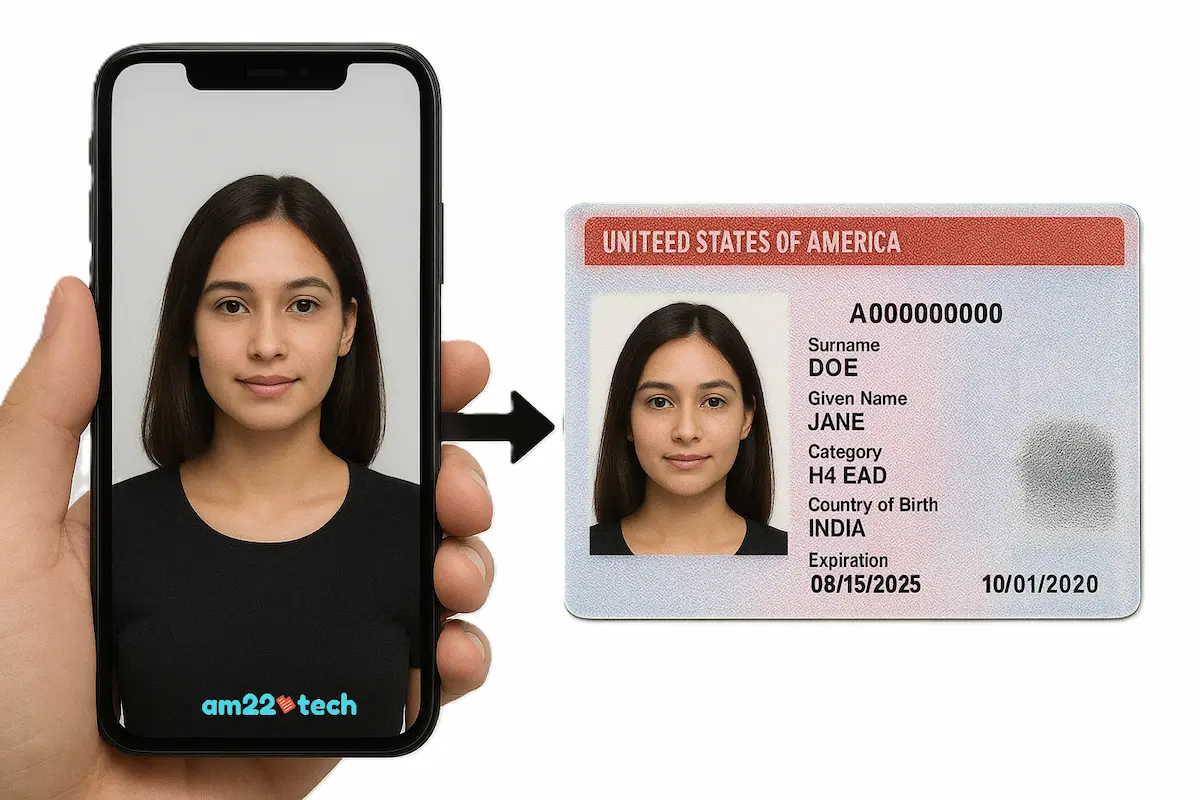
An H-4 Employment Authorization Document (EAD) is generally valid for the same duration as your H-4 nonimmigrant status, which is tied to the H-1B principal's stay. Typically, this results in a validity period of up to three years per approval, matching the expiration date on your Form I-94.
The H-4 EAD, officially known as the Form I-765 Employment Authorization, has become a cornerstone of the American immigration system for the spouses of high-skilled workers. Since its inception in 2015, this program has allowed eligible H-4 visa holders to contribute to the U.S. economy, pursue professional careers, and provide financial stability for their families. However, navigating the timelines and validity rules is critical, as any gap in authorization can lead to a loss of employment or legal complications.
As of 2026, the regulations governing the H-4 EAD remain strictly tied to the underlying H-1B status. Understanding how USCIS determines these dates, how to handle renewals, and what happens when the primary spouse's status changes is essential for maintaining your right to work in the United States.
Understanding the H-4 EAD Validity Period
The validity of an H-4 EAD is not an arbitrary number of years. Instead, it is a "derivative" validity. Because the H-4 visa itself is dependent on the H-1B visa holder's status, the work permit’s expiration date is almost always synchronized with the expiration of the H-4 status, which in turn is synchronized with the H-1B status.
When United States Citizenship and Immigration Services (USCIS) approves an I-765 application, they look at the applicant’s Form I-94 (Arrival/Departure Record). If your I-94 expires on June 1, 2028, your EAD will likely be granted with that same expiration date. In most cases, the maximum duration for a single H-1B approval is three years, meaning the maximum duration for a single H-4 EAD card is also generally three years.
However, there are nuances. If the H-1B spouse has less than three years remaining on their current petition—perhaps only 18 months—your EAD will only be valid for those 18 months. You cannot have a work permit that outlasts your legal right to remain in the country.
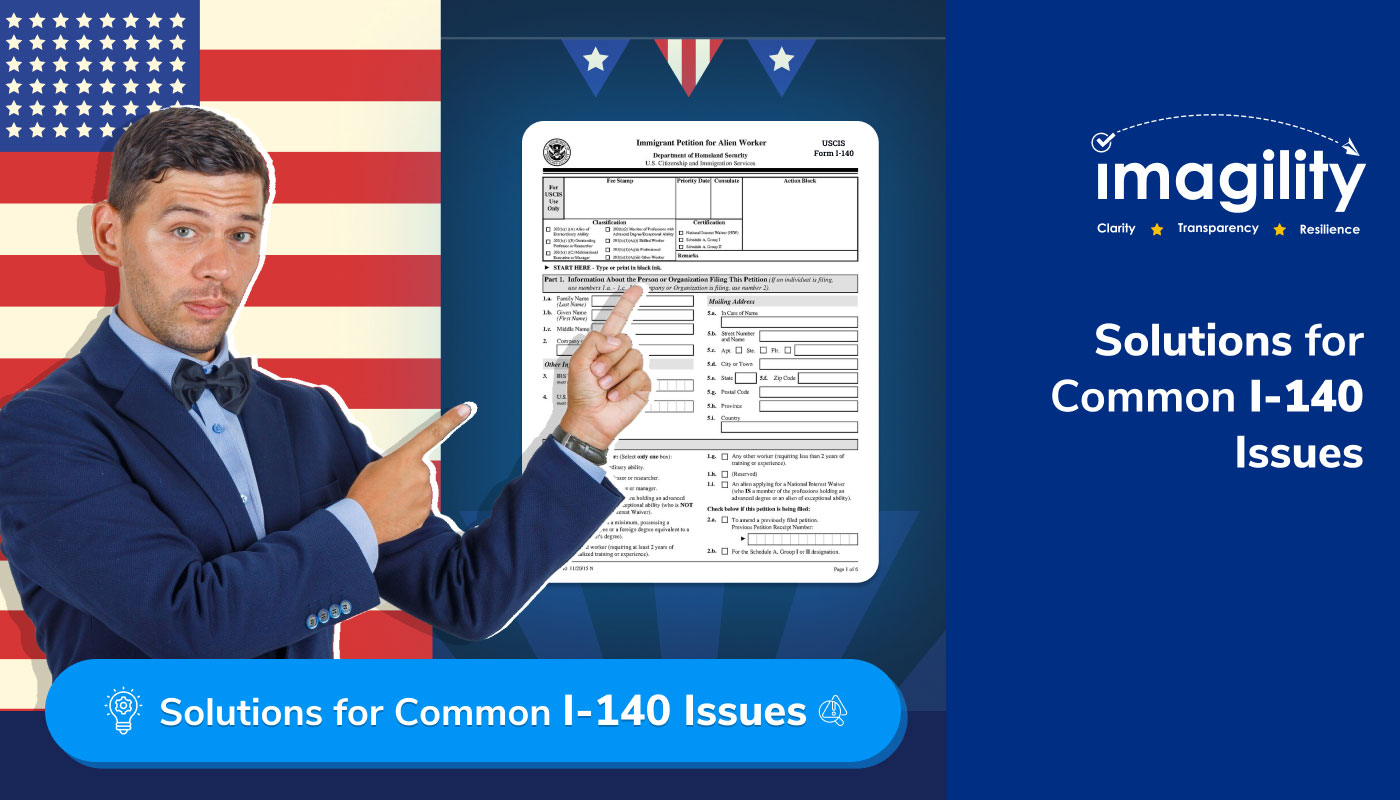
The Role of the I-140 Approval
The H-4 EAD is only available to spouses of H-1B workers who have reached a specific milestone in the green card process: an approved Form I-140 (Immigrant Petition for Alien Worker) or a stay extension beyond the six-year limit under the American Competitiveness in the Twenty-first Century Act (AC21).
If the principal H-1B holder’s I-140 is revoked, the eligibility for the H-4 EAD may be jeopardized. However, if the I-140 has been approved for at least 180 days, it generally remains valid for H-4 EAD purposes even if the employer withdraws it, provided it wasn't revoked for fraud or misrepresentation. This provides a layer of stability for the H-4 spouse’s work authorization even during job transitions for the primary worker.
Factors Influencing H-4 EAD Duration
Several factors can shorten the validity of an H-4 EAD or influence when you should file for a renewal. It is a common misconception that the EAD is a standalone document; it is actually a reflection of your current immigration standing.
Passport Expiration Dates
One of the most frequent reasons for a shortened EAD validity is a passport that is set to expire soon. Customs and Border Protection (CBP) officers often limit an individual’s I-94 duration to the expiration date of their passport. Since USCIS uses the I-94 date to determine EAD validity, a passport expiring in one year could lead to an EAD that is only valid for one year, even if the H-1B petition is valid for three. It is highly recommended to renew your passport well in advance of filing for an EAD extension.
The "Six-Year Rule" and AC21
H-1B workers are generally limited to a total of six years of stay in the U.S. If the H-1B principal is in their fifth year and has not yet secured an I-140 approval or a labor certification that has been pending for 365 days, the H-4 EAD might only be issued for the remainder of that sixth year. Once the H-1B spouse qualifies for AC21 extensions (extensions in one-year or three-year increments beyond the sixth year), the H-4 spouse can continue to renew their EAD in corresponding increments.
Filing Timelines
USCIS typically allows you to file for an EAD renewal up to 180 days before your current card expires. Filing as early as possible is vital. In 2026, while processing speeds have improved due to increased digitization and staffing, backlogs can still occur. Filing at the 180-day mark ensures the greatest chance of receiving the new card before the old one expires, thus avoiding reliance on automatic extension rules.
Automatic Extensions: How They Work in 2026
One of the most important developments for H-4 EAD holders in recent years is the clarification of automatic extension rules. For a long time, H-4 spouses faced significant stress because they were not eligible for the 180-day automatic extension that other EAD categories enjoyed. This changed through litigation and subsequent policy updates.
As of 2026, H-4 EAD holders are eligible for an automatic extension of their work authorization if they meet specific criteria:
- Timely Filing: The Form I-765 renewal application must be filed before the current EAD expires.
- Valid H-4 Status: The applicant must have a valid, unexpired H-4 status (as shown on a Form I-94).
- Category Eligibility: The EAD must be under the (c)(26) category.
If these conditions are met, the work authorization is automatically extended for up to 180 days (or until the I-94 expires, whichever is shorter) from the date the current EAD expires. This allows the H-4 spouse to continue working for their employer while the I-765 is being processed. It is important to note that the automatic extension ends if the underlying H-4 status expires. Therefore, the "bridge" provided by the automatic extension is only as long as the legal stay authorized on the I-94.
| EAD Category | Standard Validity | Automatic Extension Eligibility | Dependent on Primary Visa? |
|---|---|---|---|
| H-4 (c)(26) | Up to 3 Years | Yes (if I-94 is valid) | Yes (H-1B) |
| L-2 (Spouse) | Employment Authorized by Status | N/A (Status-based) | Yes (L-1) |
| E-2 (Spouse) | Employment Authorized by Status | N/A (Status-based) | Yes (E-2) |
| Adjustment of Status (c)(9) | Up to 5 Years | Yes (up to 540 days in some cycles) | No (Independent) |
Application and Renewal Timelines
The process of maintaining a valid H-4 EAD requires proactive management. Because the EAD depends on the H-4 status, many families choose to file the H-1B extension, the H-4 extension (Form I-539), and the H-4 EAD renewal (Form I-765) concurrently.
Concurrent vs. Standalone Filing
When filed concurrently with an H-1B petition that is using Premium Processing, USCIS historically had varied policies on whether the H-4 and EAD would also be expedited. Following the Edakunni v. Mayorkas settlement, USCIS has moved toward processing these dependent applications together when filed in the same package. In 2026, this means that if your spouse’s employer pays for premium processing for the H-1B, your H-4 and EAD are likely to be adjudicated much faster than if filed separately.
If you file the EAD separately (standalone), the processing time can range from three to eight months, depending on the service center. This is why the 180-day filing window is so critical.
The Impact of Job Changes
If the H-1B spouse changes employers (an H-1B transfer), your H-4 EAD remains valid until the expiration date printed on the card. You do not need to file for a new EAD just because the principal worker changed companies. However, you will need to ensure that your H-4 status is extended along with the new H-1B petition to ensure that your next EAD renewal is successful.
Maintaining Eligibility for the H-4 EAD
The validity of your work permit is only useful as long as you maintain the underlying eligibility. There are several scenarios where an H-4 EAD might become invalid even before the date printed on the card.
- Divorce: Since the H-4 status is based on a legal marriage to the H-1B holder, a legal divorce terminates H-4 status. Consequently, the EAD becomes invalid, as the holder no longer meets the regulatory requirements of a "dependent spouse."
- H-1B Status Violation: If the primary H-1B holder loses their job or otherwise falls out of status, the H-4 spouse also falls out of status. Work must cease immediately in these circumstances.
- Change of Status: If the H-4 holder switches to another visa category (such as F-1 for students or H-1B in their own right), the H-4 EAD is no longer valid for use, as the individual is no longer in H-4 status.
Proactive Steps for Continuity
To ensure your EAD remains valid for the maximum possible time, consider the following checklist:
- Monitor the I-140: Ensure the H-1B spouse's I-140 remains in good standing.
- Passport Updates: Renew your passport if it has less than a year of validity before you file your next I-539/I-765.
- I-94 Verification: Every time you re-enter the U.S., check your electronic I-94 at the CBP website to ensure the "Admit Until" date matches your expected visa expiration. If a CBP officer makes a clerical error and gives you a shorter date, your EAD renewal will be limited to that shorter date.
Common Challenges and Troubleshooting
Even with careful planning, H-4 EAD holders often face hurdles regarding validity and processing.
Gaps in Employment Authorization
The most common challenge is a "gap" where the old EAD expires before the new one arrives. If you do not have a valid I-94 that extends beyond your EAD expiration, you cannot benefit from the 180-day automatic extension. In 2026, many individuals use Premium Processing for the I-539 to ensure their I-94 is extended quickly, which then "unlocks" the automatic extension for the EAD.
Name Changes and Clerical Errors
If your EAD is issued with a typo or an incorrect validity date, you must file for a replacement. If the error was made by USCIS, the replacement is free. However, if the error was due to information provided incorrectly on the application, a new filing fee is required. Always double-check your Form I-765 for accuracy before submission.
Lost or Stolen EADs
If your card is lost or stolen, its validity does not change, but you cannot legally prove your right to work to your employer without the physical card or a receipt notice for a replacement. Replacing a lost card requires a new Form I-765 and the payment of the full filing fee.
Frequently Asked Questions
Can I work while my H-4 EAD renewal is pending? You may continue working only if you qualify for the automatic extension. This requires that you filed your renewal before your current EAD expired and that you have a valid, unexpired Form I-94 showing H-4 status. If your I-94 has also expired, you must stop working until the new EAD is approved.
What happens to my EAD if my spouse’s I-140 is withdrawn? If the I-140 is withdrawn by the employer after it has been approved for 180 days, you generally remain eligible to renew your H-4 EAD. If it is withdrawn before the 180-day mark, or if it is revoked for fraud, you may lose your eligibility to renew the EAD unless the H-1B spouse has another approved I-140 from a different employer.
Can I have an H-4 EAD valid for more than three years? No. Under current regulations, USCIS does not issue H-4 EADs for longer than the authorized period of H-4 stay, which is capped at three-year increments. While the green card process (Adjustment of Status) may offer 5-year EADs, the H-4 specific EAD is limited by the H-1B petition's duration.
Does the H-4 EAD allow for "any" kind of work? Yes. One of the primary benefits of the H-4 EAD is that it is "open-market." Unlike the H-1B, which is employer-specific, the H-4 EAD allows you to work for any employer, start your own business, or work as a freelancer/contractor.
Is there a way to expedite my H-4 EAD application in 2026? Yes, you can use Form I-907 to request Premium Processing for your Form I-765. This requires an additional fee but guarantees a response from USCIS within a specific timeframe (usually 30 calendar days for this category). This is often the best way to avoid validity gaps.
What if I travel outside the U.S. while my renewal is pending? Traveling while an EAD renewal is pending can be risky. While it does not necessarily abandon the I-765, you will need a valid H-4 visa stamp to re-enter. Furthermore, if your renewal is approved while you are abroad, you will need the physical card to be sent to you to prove work authorization upon your return.
Practical Recommendations
To ensure your H-4 EAD remains valid and your employment remains uninterrupted, take a proactive approach to your immigration status. The dependency of the EAD on other factors—passport validity, H-1B status, and I-94 records—means that you must look at the "big picture" of your family’s immigration profile rather than just the date on the plastic card.
- File Early: Mark your calendar for the 180-day window before your EAD expires.
- Coordinate with the Principal: Ensure your spouse’s H-1B extensions are filed concurrently with your H-4 and EAD applications.
- Leverage Premium Processing: If your budget allows, the peace of mind provided by Premium Processing for the I-765 is often worth the cost to avoid employment gaps.
- Keep Records: Maintain digital copies of all I-797 Approval Notices, I-94 records, and previous EADs. These are vital for proving your continuous work authorization history during the eventual green card process.
By staying informed about the current 2026 regulations and maintaining a buffer for processing times, you can navigate the H-4 EAD process with confidence and security.
Image Gallery
Select an image to open it in a new tab.
Omar Farooq
EdTech Innovation and Virtual Pedagogy Journalist
