
As of 2026, Islam in Asia represents the most populous and diverse manifestation of the faith globally, encompassing over 60% of the world's Muslim population. This "mosaic" is characterized by a complex blend of indigenous cultural syncretism, varying legal frameworks, and persistent geopolitical tensions that challenge the notion of a monolithic Islamic identity across the continent.
The Geographical Scope and Demographic Weight of Asian Islam
To understand Islam in 2026, one must first look toward Asia rather than the Middle East. While the Arabian Peninsula remains the spiritual heartland, the demographic center of gravity has long since shifted eastward. The "Big Four"—Indonesia, Pakistan, India, and Bangladesh—collectively house more Muslims than all Arab nations combined.
In Southeast Asia, Indonesia remains the world’s most populous Muslim-majority nation. Its version of Islam, historically known for its pluralistic "Pancasila" ideology, continues to navigate the balance between democratic governance and conservative religious movements. In South Asia, the Muslim populations of Pakistan and Bangladesh face distinct challenges related to climate displacement and political stability, while India’s Muslim minority—the largest in the world—navigates an increasingly complex landscape of secularism and communal identity.
Central Asia offers a different tile in the mosaic. Following decades of Soviet state atheism, countries like Uzbekistan and Tajikistan have experienced a religious resurgence. However, this revival is often tightly managed by authoritarian states wary of political Islam, creating a unique tension between private piety and public regulation.
Historical Evolution: From Trade Routes to Sufi Orders
The "traditions" part of the Asian Islamic mosaic was not formed by conquest alone, but through centuries of maritime trade and the wandering of Sufi mystics. Unlike the rapid military expansions seen in the Levant or North Africa, Islam in Southeast Asia arrived via the Indian Ocean trade routes.
The Role of Maritime Silk Roads
Between the 13th and 17th centuries, Muslim merchants from Gujarat, Southern Arabia, and China brought not just goods, but a version of Islam that was inherently adaptable. Because it was spread by traders rather than soldiers, the faith integrated into existing Hindu, Buddhist, and animist structures. This resulted in the "Nusantara" tradition—a Southeast Asian Islamic identity that emphasizes harmony and local custom (adat).
The Sufi Influence
Sufism, the mystical dimension of Islam, acted as the primary vehicle for conversion in South and Central Asia. The emphasis on internal spirituality over rigid legalism allowed Islam to resonate with the existing mystical traditions of the Indian subcontinent (Bhakti movement) and the shamanistic roots of Central Asian Turkic tribes. Even today, the veneration of saints at dargahs (shrines) remains a cornerstone of popular Islam in Pakistan and India, though it frequently comes under fire from reformist movements.
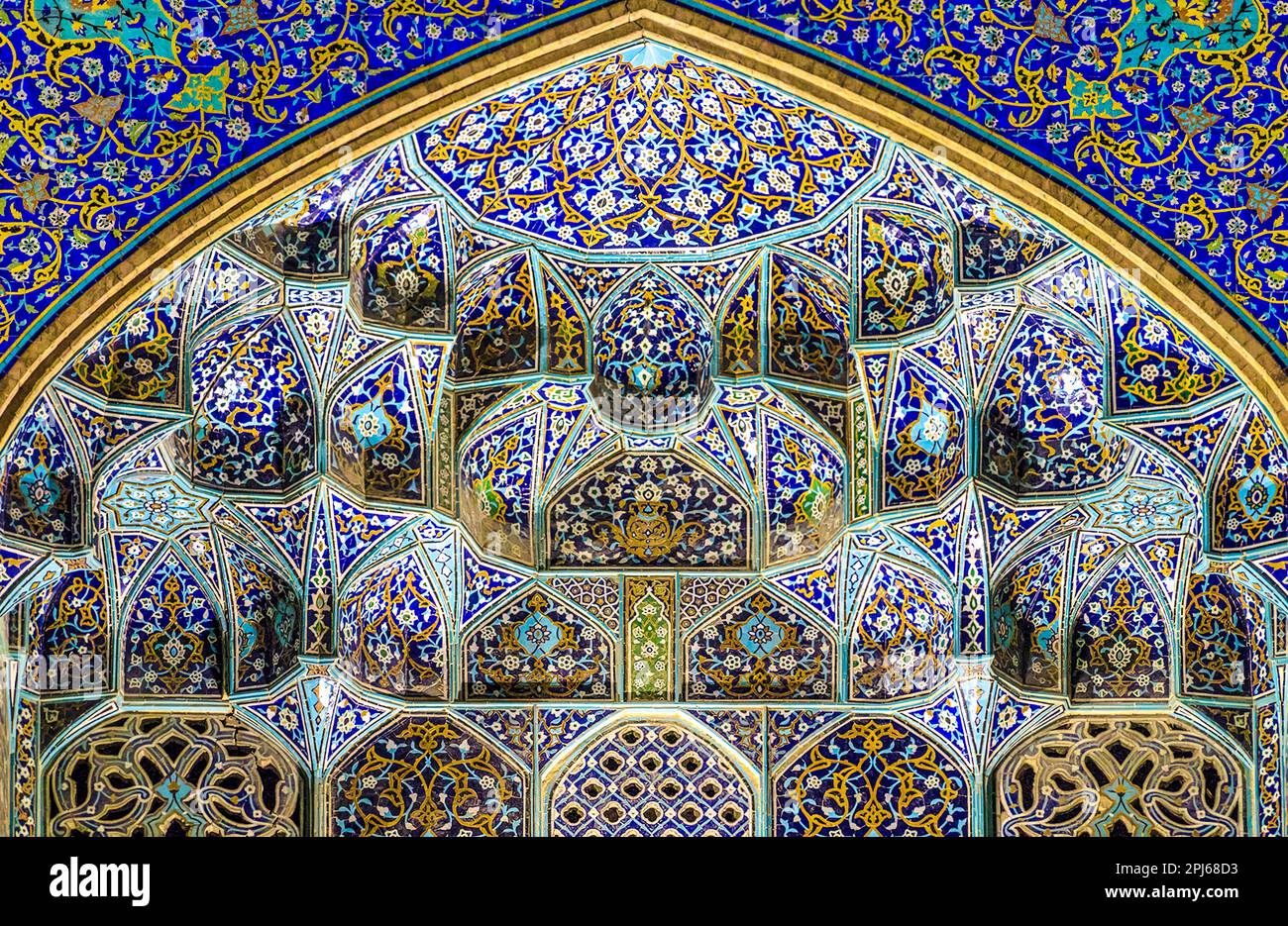
The Mosaic of Traditions: Syncretism and Local Adaptations
The term "mosaic" is particularly apt when examining how Islamic practice varies across Asian borders. These variations are not merely aesthetic; they represent fundamental differences in how the faith interacts with society.
Southeast Asia (Nusantara)
In Indonesia and Malaysia, Islamic traditions are deeply intertwined with Malay culture. This is visible in the architecture of traditional mosques—which often lack the Middle Eastern dome in favor of tiered, pagoda-like roofs—and in the legal system where adat (customary law) often sits alongside or within Islamic jurisprudence. However, by 2026, we see a growing "Arabization" trend, where globalized Salafi interpretations compete with these traditional, localized forms of worship.
South Asia (The Indo-Islamic Synthesis)
The Islam of the Indian subcontinent is a product of the Mughal legacy and the subsequent British colonial experience. It gave birth to the Deobandi and Barelvi movements, which continue to influence global Islamic thought. The "tradition" here is one of high intellectualism mixed with deep-seated folk piety. The tension arises when these historical movements are politicized, leading to frictions between different schools of thought (maslaks).
Central Asia (The Post-Soviet Revival)
In 2026, the Central Asian states represent a "managed" tradition. Having emerged from the Soviet era, nations like Kazakhstan and Kyrgyzstan promote a "traditional Islam" that is Hanafi in school and Maturidi in theology, specifically designed to counter "foreign" influences from the Gulf or South Asia. Here, the mosaic is defined by the state’s effort to define what "correct" religion looks like.
Contemporary Tensions: Geopolitics and Identity
The "tensions" mentioned in the subject are multifaceted, ranging from state-sponsored persecution to internal sectarian strife and the struggle for women's rights within an Islamic framework.
Minority Status and Persecution
Perhaps the most acute tensions are found where Muslims exist as marginalized minorities. As of 2026, the situation of the Uyghurs in Xinjiang, China, remains a focal point of international human rights discourse. The tension here lies between China’s "sinicization" of religion and the preservation of Turkic Islamic identity. Similarly, the Rohingya crisis continues to strain relations between Myanmar and its neighbors, particularly Bangladesh, highlighting the intersection of religion, ethnicity, and statelessness.
Sectarianism and Radicalization
The Sunni-Shia divide, while often less pronounced in Asia than in the Middle East, still manifests in violent friction in parts of Pakistan and Afghanistan. Furthermore, the rise of "transnational Islam"—fueled by social media and global migration—has introduced more rigid, exclusionary interpretations of the faith into regions previously known for their syncretic tolerance. This creates a "tradition vs. modern reform" tension that plays out in local mosques and universities.
State vs. Religion
The struggle to define the role of Sharia (Islamic law) in modern governance remains a primary source of tension. In Malaysia, the dual-track legal system (Civil and Sharia) frequently leads to jurisdictional conflicts regarding marriage, conversion, and inheritance. In 2026, these debates are often amplified by digital platforms, where the "Digital Ummah" debates the compatibility of Islamic values with universal human rights.
Comparing Islamic Governance and Practice in Asia (2026)
The following table illustrates the diversity of Islamic expression across four key Asian nations, highlighting the differences in legal status and cultural influences.
| Country | Predominant School | Legal System Basis | Major Cultural Influence | Primary 2026 Tension |
|---|---|---|---|---|
| Indonesia | Shafi'i (Sunni) | Civil Law & Sharia (Aceh) | Javanese/Malay Adat | Pluralism vs. Conservatism |
| Pakistan | Hanafi (Sunni) | Islamic Republic | Persian/Mughal | Sectarianism & State Stability |
| Uzbekistan | Hanafi (Sunni) | Secular / State-Regulated | Soviet/Turkic | State Control vs. Religious Freedom |
| Malaysia | Shafi'i (Sunni) | Dual (Civil & Sharia) | Malay Supremacy (Ketuanan) | Constitutional Jurisdiction |
| India | Hanafi (Sunni) | Secular / Personal Laws | Indo-Saracenic | Minority Rights & Communalism |
The Role of Sharia and Legal Pluralism
The application of Sharia in Asia is not uniform. It ranges from the strict, hudud-incorporating laws of Aceh (Indonesia) and the Taliban-led Afghanistan to the purely "personal law" status found in India and Singapore.
In 2026, the debate over Legal Pluralism—the idea that different communities within a single state can be governed by different sets of laws—is at its peak. Critics argue that religious courts often undermine the rights of women and children, while proponents claim they are essential for the preservation of religious identity in a globalized world. The tension is most visible in family law, where issues of divorce and child custody become battlegrounds for broader cultural wars.
The Digital Ummah: Traditions in the Age of AI
By 2026, the "mosaic" has expanded into the digital realm. Asia, being a hub for technological innovation and social media consumption, has seen the rise of "Cyber-Islam."
- Online Fatwas: Traditional authorities are being challenged by digital imams who provide instant guidance via AI-driven platforms.
- Social Activism: Movements like "Muslimah Reformist" use digital spaces to challenge patriarchal traditions, creating a new tension between the "Old Guard" and the "Digital Generation."
- Algorithmic Polarization: Just as in politics, religious discourse in Asia is susceptible to echo chambers. This often exacerbates tensions, as minor local disputes can be rapidly nationalized or globalized through viral content.
Verified Institutional Perspectives
According to the Pew Research Center’s projections, the growth of Islam in South and Southeast Asia is expected to continue outpacing other regions through the mid-21st century. Furthermore, reports from the United Nations Human Rights Office (OHCHR) emphasize that the "tensions" in the region are often exacerbated by the weaponization of blasphemy laws and the marginalization of religious minorities.
Academic analysis from the Oxford Centre for Islamic Studies suggests that the future of Asian Islam lies in its ability to reconcile its rich, syncretic history with the pressures of modern political identity. The "mosaic" is shifting, but its fundamental components remain rooted in a centuries-old dialogue between faith and geography.
FAQs
What is meant by "syncretism" in Asian Islam?
Syncretism refers to the blending of Islamic beliefs with local pre-Islamic traditions. In Asia, this is most common in Indonesia and South Asia, where Islamic practices may incorporate elements of Hindu, Buddhist, or local animist rituals, such as the Wayang Kulit (shadow puppetry) used to teach Islamic morals in Java.
Why is Indonesia considered the center of the Islamic mosaic?
Indonesia is the center because it represents the successful—though sometimes fragile—coexistence of a massive Muslim majority within a democratic, pluralistic framework. Its "Nusantara" Islam is often cited as a model for moderate Islam, though it faces internal pressure from more literalist movements.
How do tensions in Xinjiang and Myanmar affect the rest of Asia?
These tensions create regional instability and test the "ASEAN way" of non-interference. They also serve as a rallying cry for radicalization in other parts of Asia, as extremist groups use the persecution of Uyghurs and Rohingya as recruitment tools to justify "defensive" violence.
What role does the "Hanafi" school play in Central Asia?
The Hanafi school is the most liberal and reason-based of the four major Sunni schools of jurisprudence. Central Asian governments promote it specifically because its historical emphasis on ijtihad (independent reasoning) and local custom makes it more compatible with modern secular states than more rigid interpretations.
Is the "mosaic" of Asian Islam becoming more unified or more fragmented?
In 2026, it appears to be both. Technology and travel unify the "Ummah" (global community) in terms of awareness and political sympathy. However, the diverse ways in which local cultures and national governments react to globalism continue to create new, distinct fragments in the mosaic.
Practical Recommendations for Researchers and Policymakers
To engage effectively with the "mosaic of traditions and tensions" in Asian Islam, one must move beyond the "Clash of Civilizations" narrative and focus on the following:
- Prioritize Local Context: Never treat "Asian Islam" as a monolith. A policy that works in the secularized environment of Almaty will fail in the religiously sensitive atmosphere of Peshawar.
- Support Intra-faith Dialogue: Tensions are often highest between different Muslim sects and schools. Supporting platforms where these groups can discuss legal and theological differences is crucial for regional stability.
- Address the Root Causes of Tensions: Most "religious" tensions in Asia are actually rooted in land rights, economic inequality, and political disenfranchisement. Addressing these underlying issues is more effective than attempting to "reform" the religion itself.
- Monitor Digital Trends: Stay informed on how AI and social media are reshaping religious authority. Engaging with "Digital Imams" and online community leaders is now as important as engaging with traditional clerics.
Image Gallery
Select an image to open it in a new tab.
Simon Caldwell
Enterprise Technology and Systems Editor
