GI Life Insurance in WWII: A Historical Profile of National Service Life Insurance
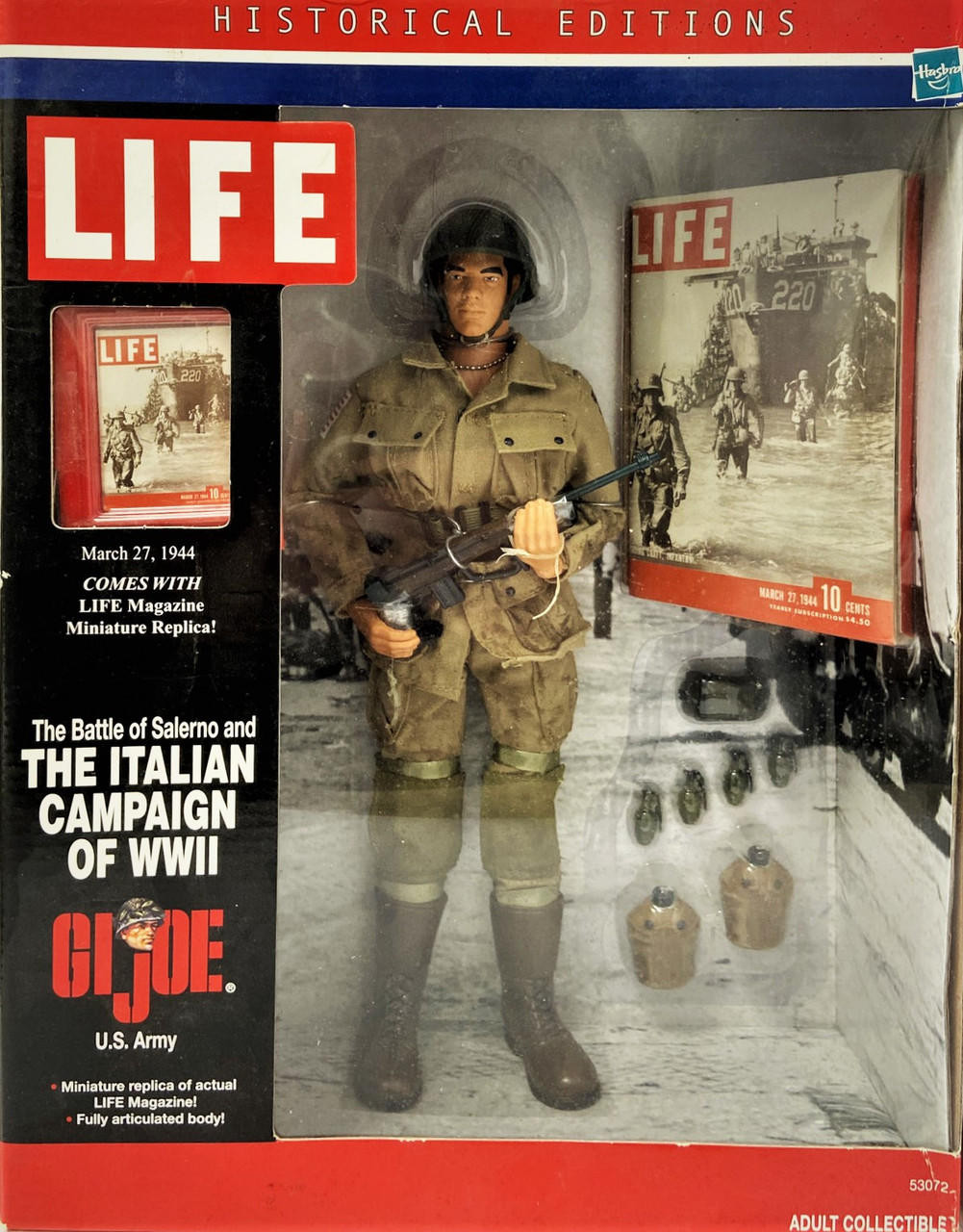
National Service Life Insurance (NSLI) was a federally subsidized life insurance program established by the United States government in 1940 to provide affordable coverage for military personnel serving during World War II. It served as a critical financial safety net for millions of service members and their families, representing a landmark expansion of federal social responsibility toward the armed forces.
The Legislative Genesis of NSLI
Prior to the outbreak of World War II, the United States had experienced the financial and social fallout of providing for veterans of the First World War. The War Risk Insurance Act of 1917 had established the initial framework for government-backed insurance for soldiers. By the late 1930s, as international tensions mounted, Congress recognized that the private insurance industry was largely unable or unwilling to underwrite the high-risk nature of combatants at rates affordable to the average enlisted man.
The National Service Life Insurance Act of 1940 (Public Law 801, 76th Congress) was signed into law on October 8, 1940. This legislation created the NSLI program, administered by the Veterans Administration (VA). Its primary intent was to provide an equitable, government-backed insurance policy that would remain stable regardless of the intense risks associated with global warfare. Unlike private policies of the era, which often contained "war clauses" that excluded coverage for death resulting from combat, NSLI offered full coverage for service-connected deaths.
Purpose and Scope of Coverage
The primary mission of NSLI was to provide financial security for the dependents of service members. The reality of the early 1940s was that many soldiers were young men without significant assets; in the event of their death, their parents, spouses, or siblings would have faced immediate and severe financial hardship.
The program was voluntary, requiring service members to apply for the coverage and pay monthly premiums. The government, however, heavily subsidized the administrative costs and the extra mortality risk incurred by active combat. By removing the "war risk" from the premium calculations, the government ensured that a private in the infantry paid the same rate as a soldier stationed at a desk in Washington, D.C. This approach was egalitarian and was framed as a social contract between the nation and those it called to defend it.
Eligibility and Administrative Requirements
To participate in the NSLI program, an individual had to be a member of the armed forces—including the Army, Navy, Marine Corps, and Coast Guard—or a commissioned officer in the Public Health Service. The process was straightforward, designed for high-volume enrollment during rapid mobilization.
- Application Period: Service members could apply for coverage at any time during their active duty. However, applications made after a certain window—usually 120 days after enlistment—required proof of good health, which could complicate access for those already stationed in hazardous zones.
- Policy Limits: The initial maximum coverage amount was $10,000. In 2026 dollars, this represents a significant sum, though at the time, it was intended primarily to cover immediate burial expenses and provide a transition fund for survivors.
- Premiums: Monthly premiums were deducted directly from the service member’s pay. The rate was determined by the age of the applicant and the amount of coverage desired.
- Beneficiaries: Policyholders were required to designate beneficiaries. If a service member failed to do so, the law provided a statutory order of precedence, typically favoring the surviving spouse and children.
Comparison: NSLI vs. Private Commercial Insurance
The structural differences between NSLI and commercial policies were profound during the 1940s. Understanding these differences clarifies why NSLI was so vital to the GI experience.
| Feature | NSLI (Government) | Private Commercial Insurance |
|---|---|---|
| War Risk Coverage | Fully covered | Usually excluded (War Clauses) |
| Premium Costs | Subsidized and low | Often higher for high-risk profiles |
| Underwriting | Based on military status | Based on health and occupation |
| Government Guarantee | Backed by the U.S. Treasury | Backed by company assets |
| Accessibility | Available to all in uniform | Dependent on company approval |
The Impact on the GI Experience
For the millions of men and women who served, the NSLI policy was often their first encounter with life insurance. It served as a symbolic bridge to civilian life; for many, it was the only major asset they possessed when entering the theater of war. The psychological impact of "having insurance" provided a measure of peace of mind, allowing soldiers to focus on their duties rather than the potential destitution of their families.
Beyond the battlefield, the program created a bureaucratic infrastructure that later facilitated the transition of veterans back into civilian life. The VA’s ability to manage millions of individual accounts laid the groundwork for the modern benefits systems that continue to operate in 2026. The program also established a precedent for how the government interacts with veterans’ long-term financial health, influencing subsequent policies such as the G.I. Bill and VA home loan guarantees.
Challenges and Limitations
Despite its success, the NSLI program faced significant hurdles. The most pressing was the sheer volume of paperwork and the administrative lag in processing death claims during the height of the conflict. In the chaos of global war, record-keeping could be delayed by combat conditions, leading to anxious periods for families awaiting verification of death and disbursement of funds.
Furthermore, there was the ongoing issue of "lapsing" policies. Many service members, upon discharge, failed to convert their temporary NSLI policies into permanent, long-term plans. This led to a significant loss of coverage for many veterans who then found themselves ineligible or unable to afford private coverage due to service-connected disabilities. Over the decades, various legislative amendments were passed to allow veterans to reinstate or convert their coverage, but the burden of administrative upkeep often remained on the policyholder.
Long-Term Legacy and Historical Significance
As of 2026, the historical importance of NSLI is viewed as the precursor to modern veterans' insurance programs, such as Servicemembers' Group Life Insurance (SGLI). The logic of the 1940s—that the government has a unique obligation to provide insurance to those whose lives are placed at the highest risk—remains a core tenet of the American military-veteran support structure.
The archives of the VA from the 1940s provide a sobering, detailed look at the cost of war. The records of NSLI claims essentially serve as a ledger of the human sacrifice of the era. The program did not just pay out funds; it formalized the government's role in the lives of American families, ensuring that the death of a soldier did not necessarily mean the end of the household’s financial survival.
Frequently Asked Questions
1. Was NSLI mandatory for WWII service members? No, NSLI was entirely voluntary. While the government strongly encouraged participation as a matter of patriotic duty and financial prudence, it was not a requirement of military service. However, the vast majority of service members enrolled to ensure their families were protected.
2. Could a veteran keep their NSLI policy after the war? Yes, but with conditions. After separation from the service, veterans had the option to convert their term-based NSLI policies into permanent, ordinary life insurance plans. Many failed to do so due to the complexities of the application process or a lack of understanding regarding long-term financial planning at the time.
3. Did the government make a profit from these insurance premiums? No. The NSLI program was not designed for profit. Because the government assumed the "extra hazard" of combat, it essentially subsidized the program. Any surplus in the fund was largely redirected toward administrative costs or held to cover future contingencies, and the program was heavily scrutinized by Congress to ensure it remained accessible.
4. How did families claim benefits during the war? Families filed claims through the Veterans Administration. Given the communication limitations of the 1940s, the process often began only after the official notification of death was sent to the next of kin. Once the death was verified by the Department of War or Navy, the VA would process the policy payout to the designated beneficiary.
5. What is the modern equivalent of this program in 2026? The modern successor to NSLI is the Servicemembers' Group Life Insurance (SGLI), which provides low-cost group life insurance to eligible service members. Like the original NSLI, it is designed to ensure that those in the armed forces can provide for their families regardless of the risks associated with their service.
Recommendations for Further Research
If you are researching a specific family member’s experience or the broader impact of NSLI, the most reliable path is through the National Archives and Records Administration (NARA). Their collections include detailed reports on the administration of wartime insurance programs. For specific policy inquiries regarding a deceased veteran, families can request a copy of the veteran’s Official Military Personnel File (OMPF) via the National Personnel Records Center (NPRC) in St. Louis, which often contains records of insurance beneficiary designations and enrollment.
Image Gallery
Select an image to open it in a new tab.
Omar Farooq
EdTech Innovation and Virtual Pedagogy Journalist
