Getting Olympic Tickets: A Comprehensive Practical Overview

To secure Olympic tickets, you must register through the official ticketing portal of the specific Organizing Committee (e.g., Milano Cortina 2026 or LA28). Most tickets are distributed via a centralized digital platform using a lottery-style draw for high-demand sessions, followed by first-come, first-served phases and an official fan-to-fan resale tool.
The process of attending the Olympic Games has undergone a radical transformation in recent years. Moving away from the fragmented system of National Olympic Committee (NOC) resellers, the International Olympic Committee (IOC) now favors a centralized, digital-first model. This approach aims to provide equal access to fans globally while curbing the influence of unauthorized secondary markets. Whether you are aiming for the final remaining seats of the Milano Cortina 2026 Winter Games or preparing the ground for the Los Angeles 2028 (LA28) Summer Games, understanding the mechanics of registration, payment, and digital delivery is essential for a successful experience.
The Centralized Global Sales Model
Historically, fans had to navigate a complex web of "Authorised Ticket Resellers" (ATRs) specific to their home country. This often resulted in price discrepancies and limited availability for those living in smaller markets. Starting with the Paris 2024 cycle and continuing through the current 2026 period, the IOC has consolidated sales into a single official global platform.
This centralized model ensures that every fan, regardless of their geographic location, accesses the same inventory at the same time. The primary point of entry is always the official website of the specific Games. For those looking to attend, creating a single "Games Account" is the first prerequisite. This account serves as the hub for your registration, draw entries, and eventually, your digital ticket wallet. This unified system also allows the Organizing Committees to communicate directly with fans regarding schedule changes, venue updates, and security protocols.
Navigating the Lifecycle of Ticket Sales
Olympic ticket sales do not happen all at once; they occur in distinct waves over a period of 12 to 24 months. Understanding where we stand in 2026 is vital for managing expectations.
The Registration and Draw Phase
For any Olympic Games, the highest-demand events—such as the Opening Ceremony, 100m finals in athletics, or gold-medal hockey games—are initially sold via a draw. Fans register their interest months in advance and are randomly assigned a 48-hour window to purchase tickets. This prevents the website from crashing and gives everyone a statistically fair shot at high-value sessions. If you miss this window, you must wait for the subsequent "Open Sale" phases.
First-Come, First-Served (FCFS) Sales
Following the conclusion of the draw phases, remaining inventory is released to the general public. In 2026, for the Milano Cortina Winter Games, we are currently in the final stages of this phase. This is characterized by "real-time" inventory management. When a session sells out, it is gone unless it is returned to the ecosystem via the official resale platform.
The Official Resale Platform
This is perhaps the most important development for fans who missed the initial draws. To combat scalping, the Organizing Committees now provide a dedicated "Fan-to-Fan" resale tool. Sellers can only list tickets at the original face value (sometimes with a small administrative fee), and buyers are guaranteed that the ticket is authentic and will be transferred to their digital wallet. In 2026, this is the primary way to secure seats for sold-out Winter Olympic events in Milan, Cortina, and Valtellina.

Hospitality Packages: The Alternative Route
For those who prioritize convenience and guaranteed access over price, the official hospitality program offers a different path. Currently managed by "On Location," the official hospitality provider for the IOC, these packages combine event tickets with premium services.
Hospitality is generally divided into three categories:
- In-Venue Hospitality: Access to private lounges, high-end catering, and some of the best seats in the stadium during the event.
- Travel Packages: These include tickets plus hotel accommodations, transportation, and sometimes curated tours of the host city.
- On-Site Fan Activations: Entry-level hospitality that might include access to a "clubhouse" or fan zone near the venue but not necessarily inside the secure perimeter during the competition.
While significantly more expensive than "ticket-only" options, hospitality packages often remain available long after general admission tickets have sold out. They are a viable option for corporate groups or fans who want a "once-in-a-lifetime" experience without the stress of the lottery system.
Technical Requirements and Digital Ticketing
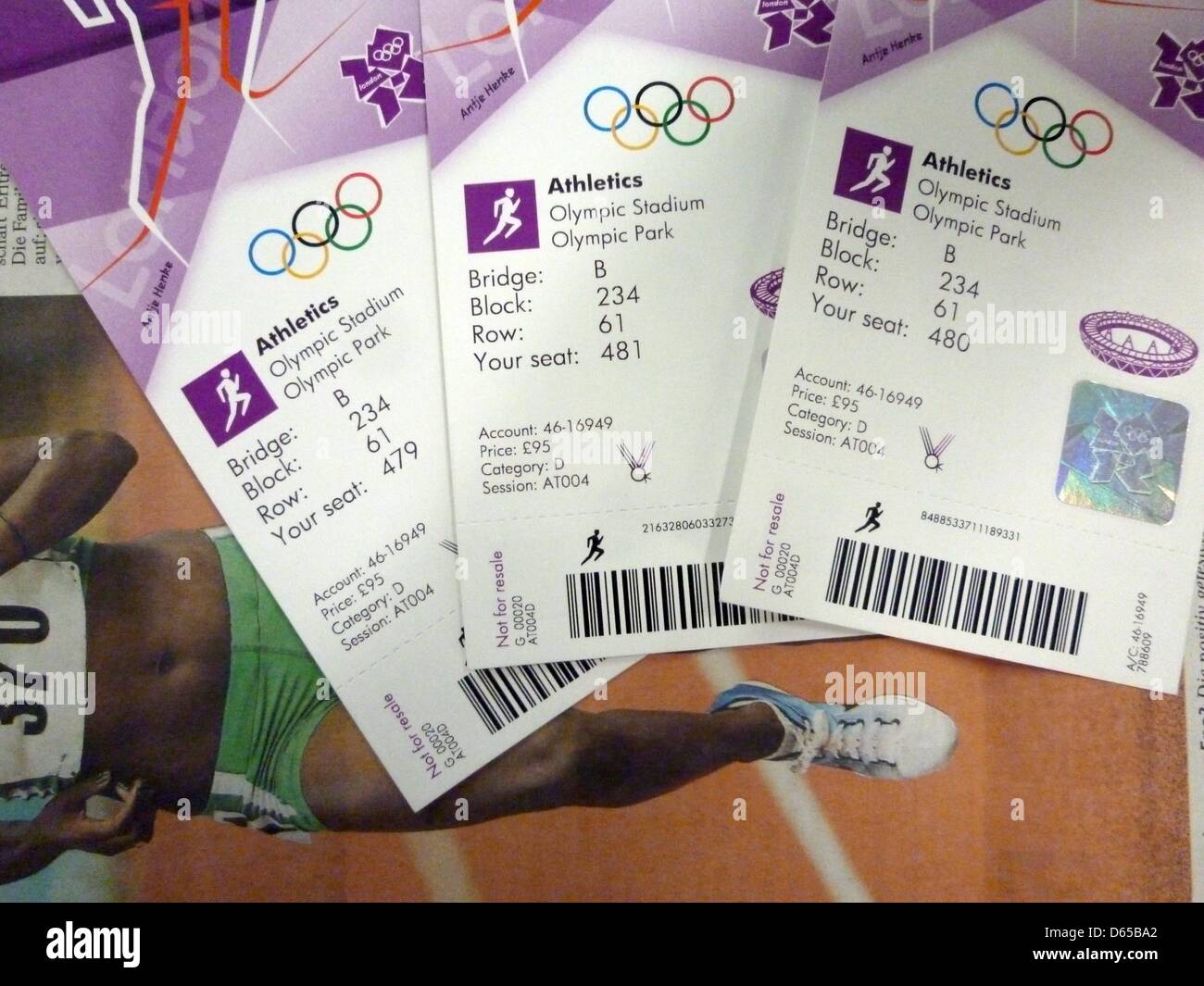
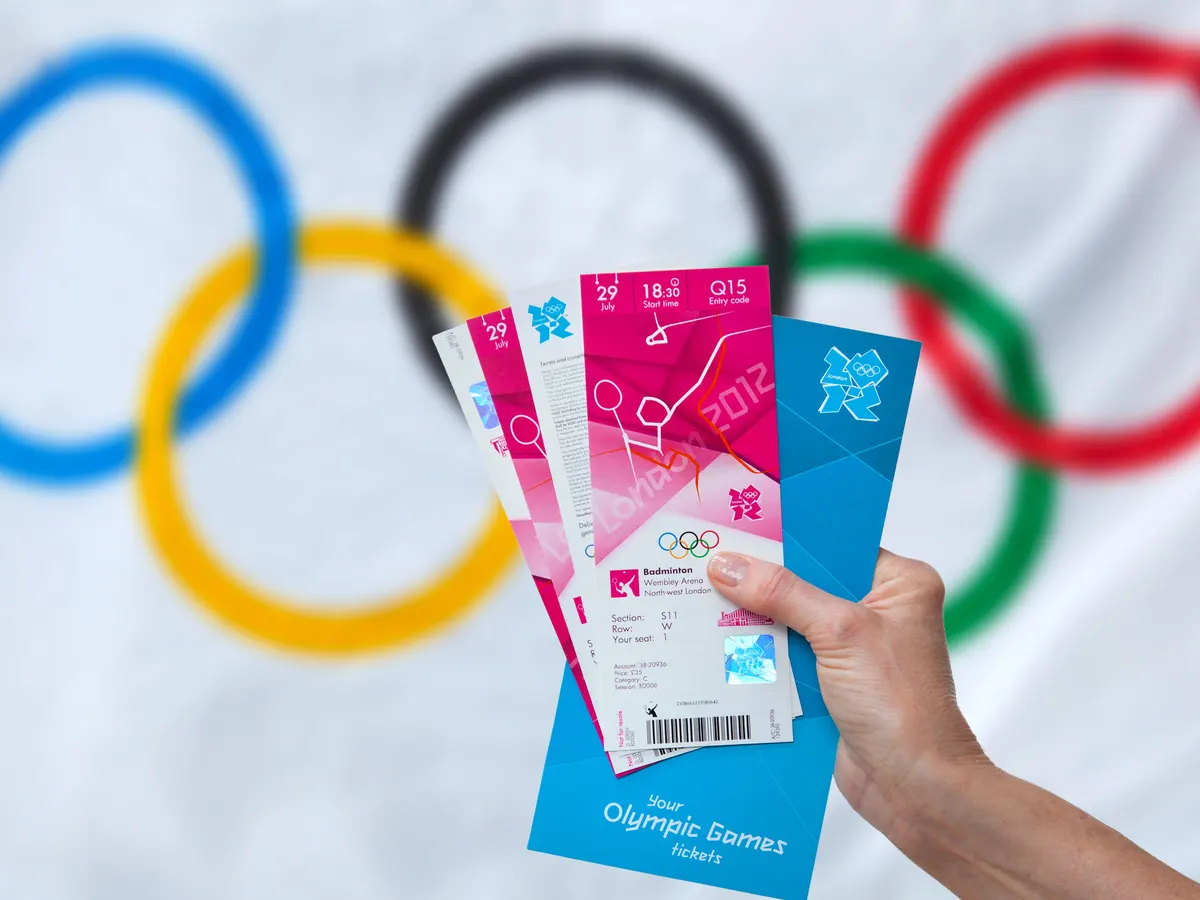
As of 2026, physical paper tickets are largely a thing of the past. The Olympic Games have moved to a 100% digital ticketing model to enhance security and reduce environmental impact.
To use your tickets, you must download the official "Olympic Tickets" app for the specific Games. Once purchased, tickets are linked to your account and will appear in the app as the event date approaches. A key security feature is the dynamic QR code. These codes often do not activate until a few hours before the session begins, preventing people from screenshotting and selling fraudulent copies.
Furthermore, ticket "transfer" is a specific technical process. If you buy four tickets for your family, you will need to "transfer" the individual tickets to each person’s mobile device via the app. This requires each attendee to have their own account in many cases, though exceptions are usually made for minors.
Cost Considerations and Budgeting
Olympic ticket prices are designed to be tiered, offering everything from "affordable" entry-level seats to "prestige" category tickets. For the Winter Games in 2026, prices generally fall into the following ranges (estimated based on current 2026 market data):
| Category | Typical Price Range (EUR/USD) | Description |
|---|---|---|
| Category D/Entry | €25 – €75 | Lower-demand heats, standing areas, or upper-tier seating. |
| Category C/Standard | €80 – €200 | Mid-range sessions, including many group-stage team sports. |
| Category B/Premium | €250 – €550 | Quarter-finals, semi-finals, and popular individual disciplines. |
| Category A/Prestige | €600 – €1,500+ | Gold medal matches, Opening/Closing Ceremonies, and prime view seats. |
| Hospitality | €1,200 – €5,000+ | Full-service packages including food, drink, and exclusive lounge access. |
When budgeting, fans must also account for the "Olympic Premium" on local services. Accommodation in host cities like Milan or Los Angeles often triples in price during the Games. It is frequently more cost-effective to stay in a "satellite" city with high-speed rail access to the venues rather than staying in the heart of the Olympic village.
Common Pitfalls and How to Avoid Them
The most significant risk in getting Olympic tickets is the presence of unauthorized websites. These sites often use "Olympic" in their URL and look highly professional, but they do not have any actual ticket inventory.
- The "Speculative Listing" Trap: Unauthorized sellers often list tickets they do not yet own, hoping to buy them later on the official market. If they fail to secure them, you are left without a ticket and often struggle to get a refund.
- The Search Engine Trap: Fraudulent sites often pay for top-tier ad placement on search engines. Always navigate directly to
olympics.comor the specific host city’s official site (e.g.,milanocortina2026.org) rather than clicking on sponsored links. - Social Media Scams: Beware of individuals on social media claiming to have "extra tickets" for sale. Because of the digital-only nature and the secure transfer requirements of the official app, buying from a stranger via a direct message is almost a guaranteed way to lose your money.
Preparing for the Next Cycle: LA28 and Beyond
If you are reading this in 2026 with an eye on the Los Angeles 2028 Summer Games, now is the time to start your "pre-registration" strategy. The Summer Games are significantly larger in scale than the Winter Games, with nearly 10 million tickets typically available.
The "Registration of Interest" for LA28 is expected to open in late 2026 or early 2027. By signing up for the official newsletter now, you ensure you are in the first cohort invited to the draw. Historically, those who participate in the very first draw have the highest success rate in securing tickets for high-profile events like Gymnastics or Swimming.
Furthermore, consider the geography of the LA28 Games. Unlike the concentrated venues of some previous Games, LA28 will be spread across the Los Angeles basin, from Santa Monica to Inglewood and even down to Oklahoma City for softball and canoe slalom. Your ticket strategy should be closely aligned with your transportation and lodging plan, as the distance between venues can be substantial.
Accessibility and Special Requirements
The Olympic and Paralympic movements prioritize inclusivity. For every session, there is a dedicated allocation of tickets for wheelchair users and those with limited mobility.
When purchasing, you should look for the "Accessibility" icon. These tickets are usually sold at the lowest price point of the session (Category D or equivalent) regardless of where the accessible seating is actually located in the stadium. Furthermore, each accessibility ticket typically includes a complimentary or highly discounted "Companion" ticket to ensure the attendee has the necessary support. Note that proof of disability may be required either at the time of purchase or upon entry to the venue.
Final Practical Checklist for 2026
- Verify the Source: Ensure you are on
tickets.milanocortina2026.orgor the officialolympics.comportal. - Check the Resale Tool: If the event you want is sold out, check the official fan-to-fan resale platform daily, as inventory fluctuates constantly.
- Update Your App: Ensure the official ticketing app is installed and updated on a smartphone that has reliable battery life.
- Confirm Payment Limits: Olympic ticket portals often favor specific payment partners (like Visa). Ensure your credit card has a high enough daily limit for a large transaction.
- Review the Schedule: Olympic schedules are subject to change due to weather (especially for Winter sports). Tickets are generally valid for the "session," not a specific time, so be prepared for shifts in the start time.
Frequently Asked Questions
Can I buy Olympic tickets at the stadium box office?
No, the traditional "day-of-game" box office has essentially been eliminated for the Olympic Games. All ticket sales, including last-minute purchases while you are standing outside the venue, must be completed through the official digital platform or app. This allows the Organizing Committee to maintain a real-time count of stadium capacity and security.
What happens if an event is canceled or postponed?
If a session is canceled and not rescheduled, the Organizing Committee typically issues a refund to the original purchaser. However, if an event is postponed (e.g., due to weather in Cortina), your ticket remains valid for the new time slot. It is important to read the specific "Terms and Conditions of Sale" for the 2026 Games, as they outline the exact windows for refund requests in the event of rescheduling.
Are there age limits or child discounts for tickets?
Generally, every person entering an Olympic venue requires a ticket, regardless of age. Some Games offer a "Child" or "Family" price for specific sessions, but this is not universal. For the 2026 Winter Games, infants typically still require a "lap ticket" or a standard entry ticket for security and insurance purposes. Always check the specific "Child Policy" on the ticketing portal before purchasing.
Can I sell my tickets on eBay or StubHub?
Selling Olympic tickets on third-party platforms like eBay or StubHub is strictly prohibited and often illegal under the host country's laws. Because the tickets are digital and tied to the official app, a seller on a third-party site may not be able to actually "transfer" the ticket to you. The only legal and guaranteed way to sell or buy secondary tickets is through the official Fan-to-Fan Resale Platform.
How many tickets can one person buy?
To ensure fair distribution, the IOC sets "purchase limits." These are usually capped at 4 to 6 tickets per session and a total of 30 to 40 tickets per account across the entire duration of the Games. These limits are strictly enforced via the Games Account and payment method verification.
Recommendation for Next Actions
If you are planning to attend an upcoming Olympic event, your first priority should be to create and verify your Games Account on the official Olympics website today. Once your account is active, enable "Ticketing Alerts" in your notification settings. This ensures you receive immediate updates about "surprise" ticket drops—inventory that is released back into the system after being held for technical or broadcast reasons. For the 2026 Winter Games, monitor the official resale platform at least once every 24 hours, as this is currently the most dynamic source of available seating.
Image Gallery
Select an image to open it in a new tab.



Lars Thomsen
Global Labor Markets and Economic Strategy Editor
