The Evolving Role of Carter from Yellowstone: A Journey from Outcast to Ranch Heir
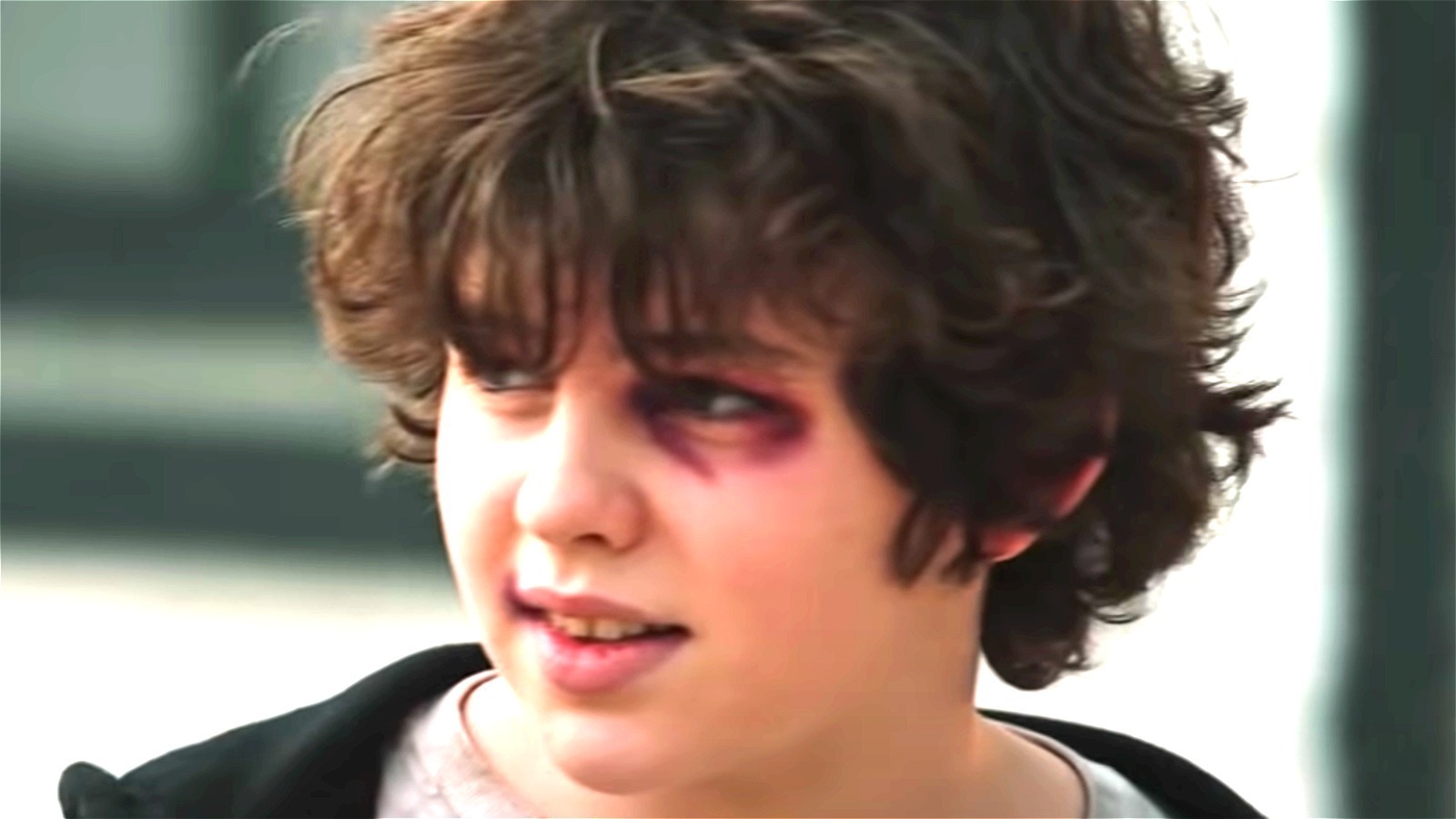
The character of Carter in the Paramount Network series Yellowstone represents the cyclical nature of the Dutton family legacy. Introduced as a stray orphan in Season 4, Carter’s evolution from a rebellious outsider to a disciplined ranch hand mirrors the origin story of Rip Wheeler, serving as a symbolic bridge between the ranch’s brutal past and its uncertain future under the Dutton brand.
The introduction of Carter, played by Australian actor Finn Little, marked a significant shift in the narrative landscape of Yellowstone. While the show primarily focuses on the high-stakes political and physical battles to save the Dutton ranch, Carter’s arrival brought a raw, domestic vulnerability to the forefront. His journey is not merely a subplot about a troubled youth; it is a deep dive into the themes of nature versus nurture, the heavy price of the "cowboy way," and the complex, often fractured definition of family within the Yellowstone borders. As the series progressed through its final chapters by 2026, Carter’s presence became a litmus test for the humanity of characters like Beth Dutton and Rip Wheeler.
The Genesis of Carter: A Mirror to the Past
Carter’s entry into the Yellowstone universe in Season 4, Episode 1, "Half the Money," was deliberately parallel to the backstory of Rip Wheeler. Found by Beth Dutton outside a hospital where his father was dying of a drug overdose, Carter was a boy with no future and no allies. Beth, recognizing a kindred spirit in his defiance and abandonment, brought him to the ranch—a move that was as impulsive as it was life-altering for everyone involved.
The brilliance of Carter’s introduction lies in its timing. At that point in the series, the Duttons were reeling from coordinated attacks, and the ranch was more of a fortress than a home. By bringing an orphan into this environment, creator Taylor Sheridan forced the audience to reckon with the harsh reality of the ranch: it is a place that consumes the weak and molds the survivors into tools for the land. Carter’s initial resistance to authority and his "bratty" demeanor were not just character traits; they were survival mechanisms of a child who had never known stability.
The Complex Mentorship of Rip Wheeler
One of the most compelling aspects of Carter’s evolution is his relationship with Rip Wheeler. Rip, who also came to the ranch as a young boy after a traumatic family tragedy, sees his younger self in Carter. However, Rip’s approach to mentorship is devoid of sentimentality. He understands better than anyone that the Yellowstone ranch does not offer charity; it offers a trade—labor for a life.
In the early stages of their relationship, Rip is notoriously hard on Carter. He forces the boy to sleep in the barn, assigns him the most grueling tasks (such as cleaning stalls), and refuses to offer words of encouragement. This "tough love" is a calculated effort to see if Carter has the "sand" required to survive the cowboy lifestyle. By 2026, fans have analyzed this dynamic as a form of generational trauma being passed down, but within the context of the show, it is framed as the only way to build a man capable of defending the Dutton legacy.

Beth Dutton and the Rejection of Motherhood
Carter’s relationship with Beth Dutton provides some of the series' most polarizing and emotional moments. Because Beth cannot have children—a result of a traumatic procedure Jamie Dutton authorized when they were teenagers—Carter represents a potential surrogate son. However, Beth’s refusal to embrace a traditional maternal role is a core part of her character arc.
A defining moment in Carter’s evolution occurred when he referred to Beth as "Mama" while they were shopping for clothes. Beth’s reaction was swift and devastating; she told him, "You only get one mother... I'm your friend." This rejection was not out of cruelty, but out of a fierce, protective pragmatism. Beth knows the world they inhabit is violent and unforgiving. By refusing to let Carter see her as a mother, she prevents him from developing a vulnerability that could be exploited. This dynamic forced Carter to grow up faster than any child should, shifting his focus from seeking affection to earning respect through competence.
Physical and Emotional Growth: The Finn Little Transformation
A unique element in the evolution of Carter was the real-life physical growth of actor Finn Little. Between Season 4 and Season 5, Little underwent a significant growth spurt, transforming from a small, scrawny boy into a tall, imposing young man. Rather than ignoring this change, the writers integrated it into the character’s development.
This physical maturation mirrored Carter’s internal transition. As he grew taller, his voice dropped, and his demeanor shifted from defensive lashing out to a quiet, observant stoicism. He stopped complaining about the work and started taking pride in his skills as a horseman and ranch hand. This transition is a vital part of the "cowboy" archetype in Yellowstone—the idea that the land and the work eventually refine a person into their most essential, rugged form.
Comparative Analysis: Young Rip vs. Young Carter
To understand Carter’s role fully, it is helpful to compare his trajectory with that of the man who became the ranch’s primary enforcer.
| Feature | Young Rip Wheeler | Young Carter |
|---|---|---|
| Origin | Fled after killing his abusive father. | Orphaned after father's drug overdose. |
| Sponsor | John Dutton | Beth Dutton |
| Initial Role | Stable boy / "Stray" | Stable boy / "Stray" |
| Emotional Connection | Bound by debt and loyalty to John. | Bound by a desire for belonging with Beth/Rip. |
| Key Challenge | Overcoming the trauma of his family's murder. | Overcoming the resentment of being an outsider. |
| Ultimate Path | The Ranch Enforcer / The Brand. | The Next Generation / Skilled Ranch Hand. |
This comparison highlights that while their origins are similar, Carter exists in a slightly different Yellowstone. Rip grew up when the ranch was at its peak power; Carter is growing up as the ranch faces its greatest existential threats. This makes Carter’s loyalty even more significant, as he is choosing to stay with a sinking ship rather than a rising empire.
The "New Rip" and the Future of the Dutton Legacy
As the series approached its conclusion, the question of who would inherit the ranch became paramount. While Tate Dutton (John's grandson) is the biological heir, Carter represents the "spiritual" heir of the cowboy culture that defines the Yellowstone. Carter is not motivated by land ownership or political power; he is motivated by the work itself.
His evolution into a "miniature Rip" suggests that even if the Duttons lose the legal battle for the land, the culture of the ranch hand will survive through him. Carter’s ability to ride, rope, and manage the herd ensures that the skills of the 19th-century cowboy are preserved in the 21st century. He is the personification of the ranch's "brand"—not just the physical mark on the skin, but the mental branding of a person who belongs to the land.
Technical Aspects of the Character's Portrayal
The evolution of Carter was also supported by the show’s technical direction and costume design. In his early appearances, Carter is often dressed in oversized, ragged clothes that emphasize his status as an intruder. As he becomes more integrated into the ranch, his attire shifts to functional, high-quality western gear—Stetson hats, denim jackets, and boots that show the wear and tear of actual labor.
Cinematically, the way Carter is framed changes as well. In Season 4, he is often filmed from high angles, making him look small and vulnerable. By Season 5 and the final episodes, he is filmed with the same low-angle, heroic framing used for John and Rip, signaling his graduation into the ranks of the "true" cowboys. This visual storytelling reinforces the narrative arc of his maturation without the need for excessive dialogue.
FAQs: Understanding Carter’s Journey
Why did Beth treat Carter so harshly in Season 4?
Beth’s harshness toward Carter was a defense mechanism. Having lost her own mother at a young age and being unable to have children herself, she feared the emotional vulnerability of a mother-son bond. She wanted to prepare Carter for the "real world," which she perceives as a place where no one is coming to save you. By being tough, she ensured he would develop the self-reliance necessary to survive on the Dutton ranch.
Is Carter officially a Dutton?
Legally, Carter is not a Dutton. He was never formally adopted by Beth and Rip during the main series run. However, within the culture of the ranch, he is "one of theirs." His status is similar to Rip’s; he is a member of the family through loyalty and labor rather than blood or paperwork.
How did the actor’s growth spurt affect the show?
Finn Little’s growth spurt between seasons was quite dramatic. Instead of recasting or using camera tricks to hide it, Taylor Sheridan wrote it into the script. John Dutton even makes a comment about how much he has grown, using it as a metaphor for how quickly the "old ways" are changing and how fast the next generation is rising to take over.
Does Carter ever get the "Y" brand?
The branding of characters in Yellowstone is reserved for those who have committed a crime for the ranch or have proven their absolute, life-long commitment to the land. While Carter’s arc involves him earning his place, the show handles the branding of a minor with significant narrative weight. His evolution suggests he is on the path to becoming a branded man, symbolizing his permanent status as a "soldier" for the Yellowstone.
What is Carter's role in the series finale?
Without spoiling the specific plot points of the 2024-2025 conclusion, Carter’s role evolves into that of a protector. He represents the "bridge" to the future. As the older generation of Duttons faces the consequences of their actions, Carter remains as a symbol of the ranch’s enduring spirit, suggesting that the cowboy way of life will continue regardless of who holds the deed.
Practical Implications of Carter’s Character Arc
For viewers and students of television writing, Carter’s evolution serves as a masterclass in character development through environmental pressure. He is a "flat" character initially—defined only by his loss—who becomes "round" through his interactions with the ranch’s harsh ecosystem.
- Archetypal Continuity: Carter ensures that the "Rip Wheeler" archetype continues. This is vital for long-running series to maintain their thematic core even as older actors move on.
- Emotional Stakes: He provides a rare window into the softer side of Rip and Beth, allowing the audience to see them as mentors and parental figures, even if they reject those labels.
- Legacy Narrative: He complicates the inheritance plot. If the ranch is about the "cowboy way," Carter is arguably more deserving of the land than the biological heirs who may not share the same love for the labor.
The Path Forward for the Yellowstone Universe
As the Yellowstone franchise expands into various sequels and spin-offs by 2026, the character of Carter remains a fan favorite for his resilience. His journey from a boy with a "dead-end" life to a young man with a purpose is the most hopeful arc in an otherwise dark and often cynical series. Whether he appears in future iterations or remains a staple of the original series' conclusion, his evolution is a testament to the idea that family is not just who you are born to, but who you choose to bleed for.
For those following the series, Carter’s development suggests that the true legacy of the Yellowstone is not the acreage or the money, but the transformation of individuals. He started as an outcast and ended as the guardian of a dying breed, proving that even in the most brutal environments, growth is not only possible—it is inevitable.
Image Gallery
Select an image to open it in a new tab.
Zara El-Hashem
Sociocultural Dynamics and Academics Writer
