Troubleshooting Why an Electric Hot Water Heater Is Not Getting Hot

When an electric hot water heater fails to produce hot water, the root cause is almost always an interruption in the electrical supply, a failure of the heating components, or a safety device that has tripped to prevent overheating. By methodically checking the power source, the thermostat settings, and the heating elements, you can identify whether the issue is a simple reset or a component that requires a professional replacement.
Understanding the System: How Your Electric Water Heater Functions
An electric water heater operates through a relatively straightforward thermodynamic cycle. Water enters the tank through a dip tube, where it is heated by two electrical resistance elements—one located near the top and one near the bottom. These elements are controlled by thermostats that monitor the water temperature. When the temperature falls below a set threshold, the thermostat signals the element to draw power and heat the water.
If you are experiencing a total lack of hot water or water that is only lukewarm, the system has encountered a failure in one of these four areas: the power supply (circuit breaker or high-limit switch), the thermostats, the heating elements, or the wiring connections. Because these systems operate on 240-volt circuits, safety is paramount. Always ensure the power is off at the main service panel before attempting to open the access panels on the water heater.
Step 1: Verify the Power Supply
The most common cause for a cold water tank is a loss of power to the unit. Before assuming a part has failed, verify that the circuit breaker in your home’s main electrical panel has not tripped.
- Check the Breaker Panel: Locate the double-pole breaker labeled for your water heater. If it is in the "off" or "tripped" position, toggle it fully to "off" and then back to "on." If the breaker trips again immediately, this indicates a short circuit, and you should stop and contact a licensed electrician.
- Inspect the Disconnect Box: Many homes feature a secondary disconnect box on the wall near the water heater. Ensure that this box is engaged and that no fuses have blown (if your home uses a fused disconnect).
- The High-Limit Reset: Most electric water heaters are equipped with a red "reset" button on the upper thermostat, located behind the top access panel. This is a safety feature that trips if the water temperature exceeds a safe limit (usually around 170°F to 180°F). If this button is popped out, press it back in. If it clicks and stays, your heater may resume operation. If it trips again shortly after, you have a malfunctioning thermostat that needs replacement.
Step 2: Testing Thermostats and Heating Elements
If the power is reaching the unit and the reset button is engaged but you still have no hot water, the issue typically lies within the internal components. An electric heater uses two thermostats to coordinate the heating cycle.
- The Upper Thermostat: This controls the top heating element. If this thermostat fails, the bottom element will often never receive the signal to turn on, resulting in cold water throughout the tank.
- The Heating Elements: Elements are resistive coils that can burn out over time due to mineral buildup (scale) or age. When an element fails, it creates an "open" circuit, meaning electricity cannot flow through it to generate heat.
To test these, you will need a multimeter capable of measuring resistance (Ohms). With the power disconnected from the breaker:
- Remove the access panels: After turning off the power, remove the insulation and plastic safety guards.
- Check for continuity: Set your multimeter to the Ohms (Ω) setting. Place the probes on the two screws of the heating element. A healthy element typically reads between 10 and 16 Ohms. If the reading is infinite or shows no continuity, the element is "open" and must be replaced.
- Check the thermostats: Thermostats are more complex to test, but they generally involve checking for continuity through the terminals. If the thermostat does not "click" or allow power to pass when the temperature is set correctly, it is likely defective.
Comparative Troubleshooting Table
| Symptom | Primary Suspect | Recommended Action |
|---|---|---|
| No hot water; reset button tripped | High-limit safety switch | Reset; monitor for recurring trips |
| No hot water; breaker tripped | Short circuit or faulty wiring | Inspect wiring; call an electrician |
| Lukewarm water | Bottom heating element | Test for continuity; replace if open |
| Very short hot water duration | Bottom thermostat or element | Test components; check for sediment |
| Water is hot but takes forever | Scale buildup on elements | Drain/flush tank; clean/replace elements |
Addressing Mineral Buildup (Sediment)
Even if your electrical components are functioning, a layer of sediment at the bottom of the tank can insulate the heating element from the water. This is particularly common in areas with "hard" water. When mineral deposits accumulate, the lower heating element must work significantly harder to heat the water, which can lead to premature failure of the element or the thermostat.
If your water heater is making a "popping" or "rumbling" sound, this is a hallmark of sediment boiling under the heating element. To resolve this, you should drain and flush the tank. Connect a garden hose to the drain valve at the bottom of the unit and flush the tank until the water runs clear. Annual flushing is a standard maintenance practice that can extend the life of your heating elements by years.
When to Call a Professional
While basic troubleshooting is manageable for those comfortable working with electrical components, there are scenarios where a professional plumber or electrician is required:
- The "Tripping" Cycle: If a breaker or high-limit switch trips repeatedly, you are dealing with a fire hazard or a dangerous short. Do not bypass these safety devices.
- Complex Wiring: If you observe charred wires or melted insulation, the damage may extend beyond the heating components into the home's electrical system.
- Warranty Considerations: Most residential water heaters carry a multi-year warranty. If your tank is less than 6–10 years old, performing unauthorized repairs might void your coverage. Check your manufacturer’s documentation before replacing major parts.
- Age of the Unit: If your water heater is over 12 years old and the cost of parts and labor for a major repair exceeds 30-40% of the cost of a new unit, it is often more economical to replace the entire water heater with a modern, more energy-efficient model.
Frequently Asked Questions
Why does the reset button on my water heater keep tripping? The reset button trips when the water inside the tank gets too hot, signaling a potential safety risk. This is often caused by a stuck thermostat that won't turn off, or a shorted heating element that keeps the current flowing. If the button trips immediately after being reset, the thermostat is likely faulty and requires replacement.
Can I replace the heating element myself? Yes, it is a standard DIY project, provided you are comfortable with electrical safety. You will need a specific heating element wrench (available at most hardware stores) and a multimeter. Always ensure the power is cut at the main breaker before beginning.
Does a leaky tank cause the water to go cold? A leak is usually a separate issue from the water temperature. However, if the leak is coming from the top of the tank and dripping onto the electrical connections, it could cause the breaker to trip, resulting in no hot water. A leaking tank that is not caused by a simple valve connection usually indicates the inner liner has failed, meaning the unit must be replaced.
How often should I flush my water heater? It is recommended to flush your water heater once every 12 months. If you live in an area with hard water, doing this every 6 months can prevent mineral buildup on the elements and maintain higher energy efficiency.
Is it normal for my electric water heater to make noise? A small amount of "ticking" or "clicking" as the tank expands and contracts is normal. However, loud rumbling or popping sounds are almost always caused by sediment buildup at the bottom of the tank. The noise is caused by steam bubbles escaping from under the mineral deposits.
Next Steps for Restoration
Start by verifying your power supply at the breaker panel and checking the red reset button on the upper thermostat. If you confirm the power is on but the water remains cold, use a multimeter to check the continuity of your heating elements. If you are uncertain about performing electrical tests, contact a licensed professional to diagnose the specific component failure, as this ensures both the safety of your home and the longevity of your water heater.
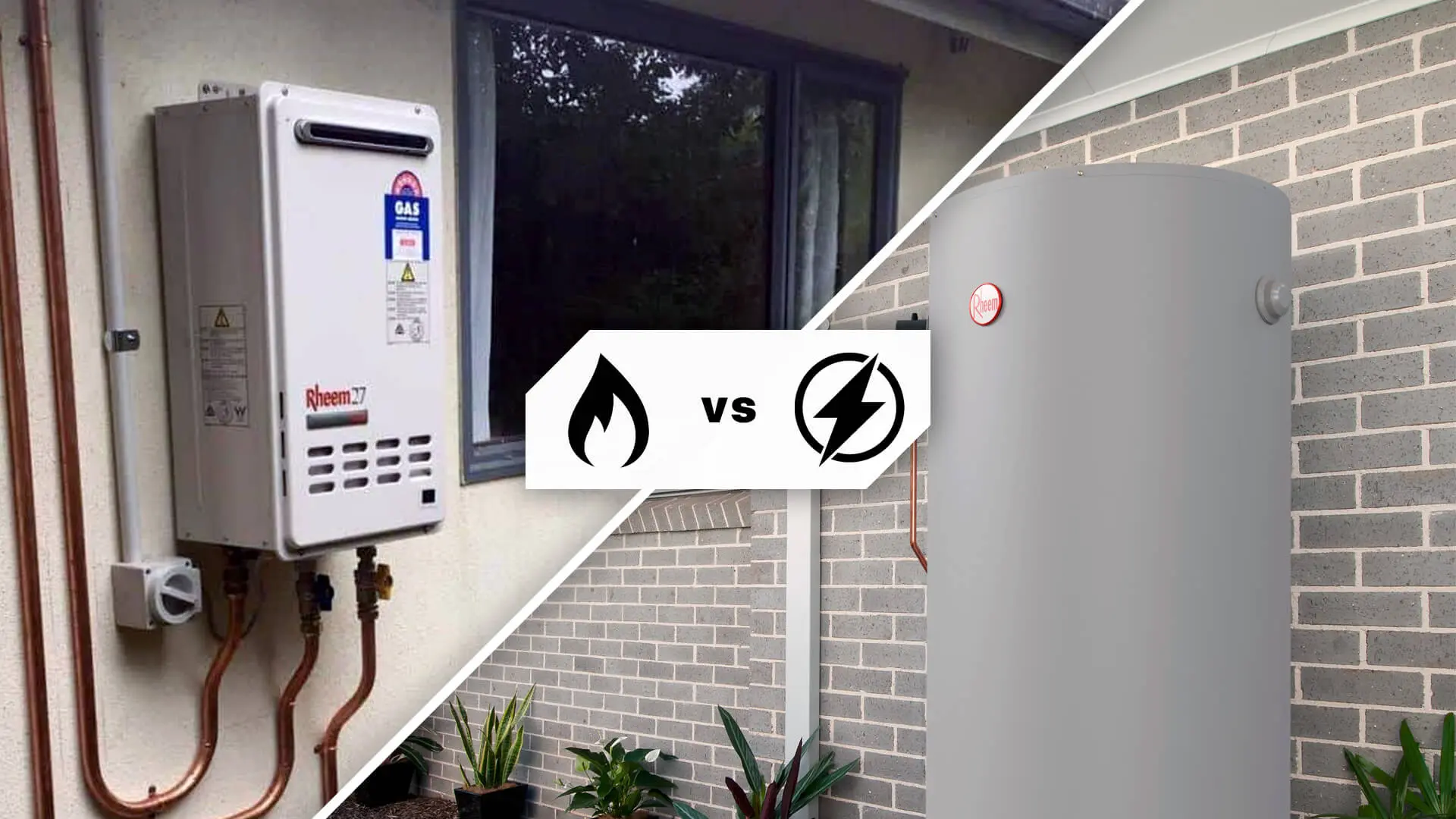
Image Gallery
Select an image to open it in a new tab.


Lars Thomsen
Global Labor Markets and Economic Strategy Editor
