Chris Harrison on The Bachelor and Its Lasting Impact on Reality Television

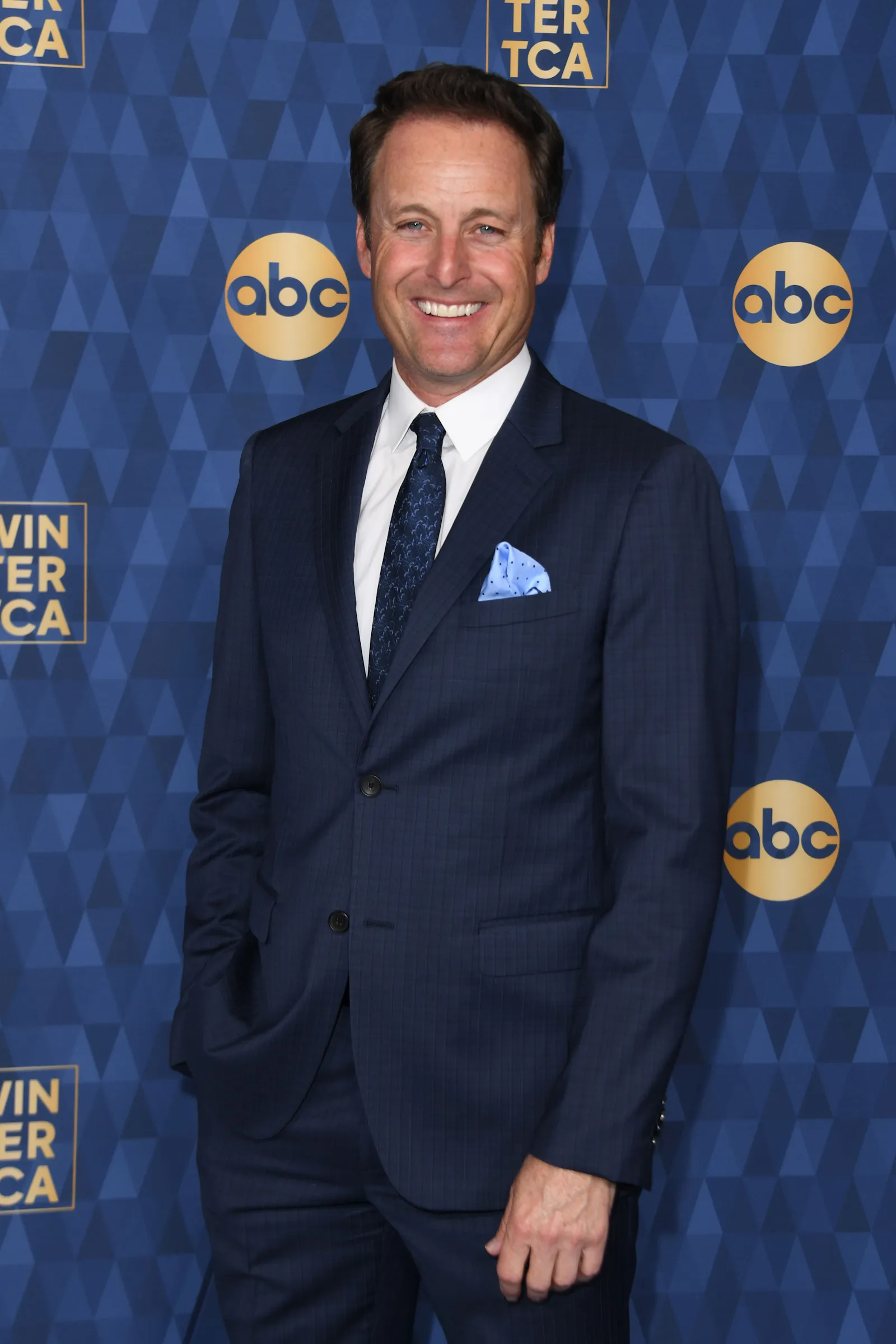
Chris Harrison served as the host and face of The Bachelor franchise for nearly two decades, defining the role of the modern reality television host. His departure in 2021 followed a controversial interview regarding racial sensitivity, a moment that fundamentally shifted the franchise's trajectory, leading to significant changes in production leadership, diversity initiatives, and the overall tone of the "Bachelor Nation" brand.
The Architect of the Rose Ceremony: Chris Harrison’s Early Influence
When The Bachelor premiered in 2002, reality television was in its infancy. Chris Harrison was cast not just as a presenter, but as a neutral, authoritative figure who could guide both the contestants and the audience through the emotional turbulence of televised dating. Unlike the hyper-active hosts of game shows, Harrison adopted a persona of calm, measured empathy.
Over the first decade of the show, Harrison’s role expanded from a simple moderator to an executive producer. He became the architect of the show’s most iconic tropes. From the phrase "This is the final rose tonight" to the promise of the "most dramatic season ever," Harrison’s cadence and delivery became synonymous with the brand. This consistency helped The Bachelor survive while other early-2000s reality shows faded into obscurity. His presence provided a sense of legitimacy to the concept of finding a spouse on national television, acting as a "best man" figure to the lead and a confidant to the viewers.
By the mid-2010s, Harrison was one of the highest-paid hosts on television. His influence extended beyond the flagship show to spin-offs like The Bachelorette, Bachelor in Paradise, and The Bachelor Winter Games. He wasn't just an employee of ABC; he was a gatekeeper of the show’s culture, often defending the "process" of the show against critics who labeled it scripted or archaic.
The Catalyst for Change: The 2021 Controversy
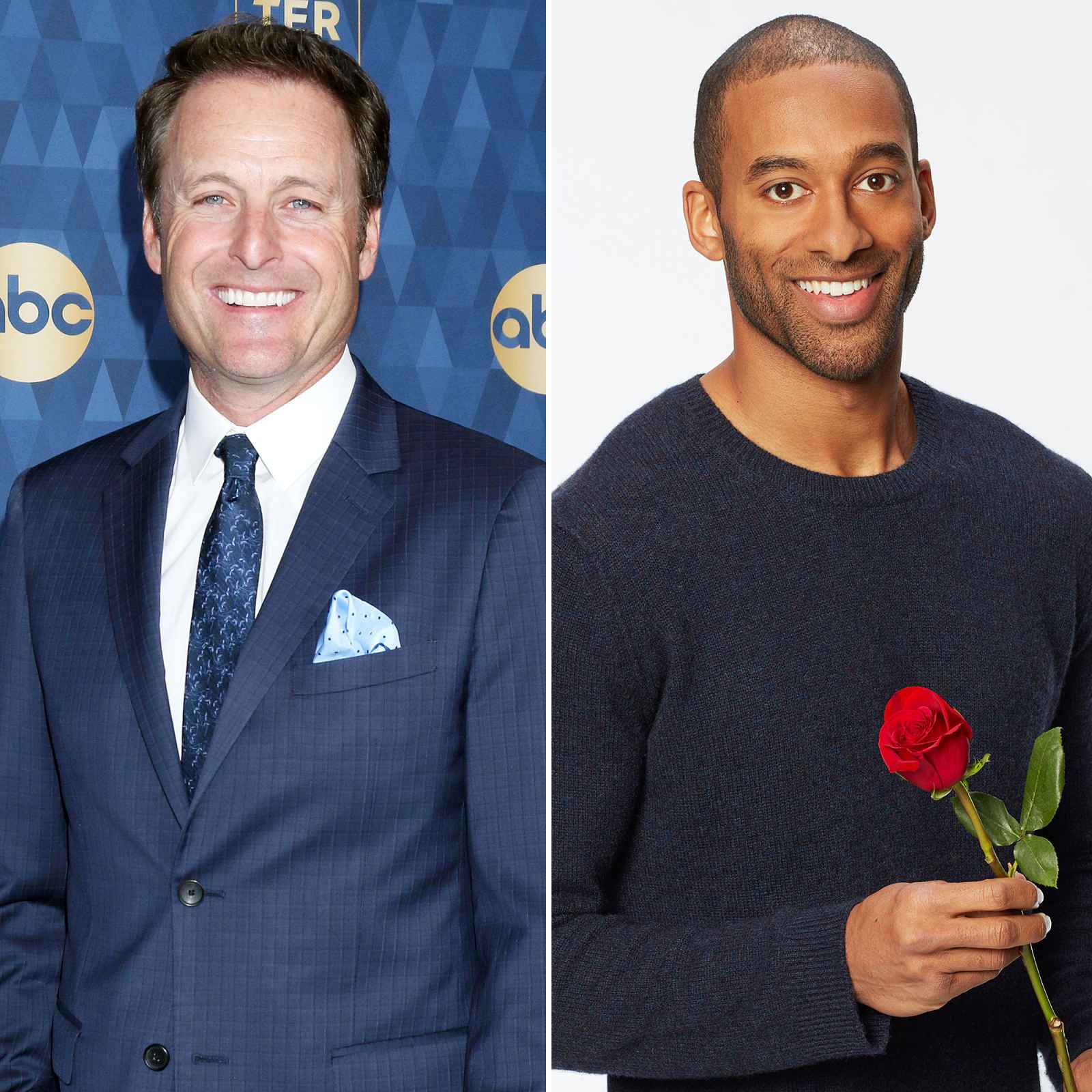
The turning point for Chris Harrison and the franchise occurred during Season 25, featuring Matt James, the first Black Bachelor. The season was intended to be a landmark moment for diversity, but it was overshadowed when photos surfaced of frontrunner Rachael Kirkconnell attending an "Old South" plantation-themed party in 2018.
In a February 2021 interview with Rachel Lindsay—the first Black Bachelorette—on Extra, Harrison defended Kirkconnell against what he termed the "woke mob." He argued for "grace" and questioned whether the party would have been considered "not a good look" in 2018 versus 2021. The backlash was immediate and severe. Fans, former contestants, and advocacy groups criticized Harrison for dismissing the historical context of antebellum-themed events and for his perceived condescension toward Lindsay.
This moment was more than a PR crisis; it was a collision between the show’s traditional, conservative-leaning viewership and a modern audience demanding social accountability. Harrison initially announced a temporary leave of absence to "educate himself," but the rift between his brand and the show’s necessary evolution proved too wide to bridge. In June 2021, it was officially announced that Harrison would not return to the franchise, reportedly reaching a confidential settlement with ABC rumored to be in the range of $9 million.
Measuring the Impact: The Post-Harrison Era
The departure of a host who had been present for every single episode of a 19-year-long franchise created a massive power vacuum. The immediate impact was felt in the production’s desperate search for a new identity.
Host Rotations and the Rise of Jesse Palmer
Initially, the show experimented with a rotation of hosts. Former Bachelorettes Tayshia Adams and Kaitlyn Bristowe co-hosted two seasons of The Bachelorette, while Bachelor in Paradise utilized a rotating cast of celebrity guest hosts, including David Spade and Lil Jon. This period was marked by a shift in tone; the host was no longer a "father figure" but rather a "peer."
Eventually, the franchise settled on Jesse Palmer, a former Bachelor himself and a seasoned sports commentator. As of 2026, Palmer has stabilized the role. His approach is markedly different from Harrison’s. While Harrison often felt like an orchestrator of the drama, Palmer functions more as a traditional facilitator. This shift reflects a broader change in reality TV where the "all-knowing host" has been replaced by a more transparent, less intrusive guide.
Cultural and Structural Reforms
Harrison’s exit forced the franchise to confront systemic issues that had been ignored for years. Under pressure from the "Bachelor Diversity Campaign" and viewers, the show implemented several structural changes:
- Diversity Consultants: The production hired third-party firms to oversee casting and provide sensitivity training for staff and contestants.
- Casting Evolution: There has been a quantifiable increase in the diversity of the "leads" and the contestant pools, moving away from the "cookie-cutter" casting that defined the Harrison era.
- Vetting Processes: The background check process for contestants became significantly more rigorous, specifically looking for social media history that could be deemed offensive or problematic.
Comparing the Two Eras of The Bachelor
To understand the impact of Harrison’s departure, it is helpful to look at how the fundamental elements of the show have shifted.
| Feature | Chris Harrison Era (2002–2021) | Post-Harrison Era (2021–Present) |
|---|---|---|
| Host Persona | Authoritative, "Fatherly," Orchestrator | Relatable, Facilitator, Peer-like |
| Diversity Focus | Secondary; often criticized as performative | Centralized; mandated diversity quotas |
| Conflict Resolution | Host often stayed neutral or defended "the process" | Active engagement with social issues and accountability |
| Social Media Integration | Traditional TV focus; social media as an after-thought | Influencer culture integrated into the narrative |
| Production Style | Highly polished, strictly "on-script" for the host | Slightly more casual; acknowledgment of the "fourth wall" |
The Financial and Ratings Fallout
One of the most debated topics among industry analysts is whether Harrison’s exit caused the decline in ratings that The Bachelor experienced in the early 2020s. According to reporting from Variety, the show saw a dip in viewership during the seasons immediately following his departure.
However, many experts argue this was a correlation, not necessarily causation. The entire linear television landscape was in decline, and "reality fatigue" was setting in across the board. Furthermore, the core demographic of The Bachelor was shifting. Younger viewers were moving toward more fast-paced, "messy" reality shows like Love Island or Love is Blind. Harrison’s departure may have alienated a segment of the "old guard" viewers, but it arguably saved the show from total cultural irrelevance by allowing it to modernize.
Life After the Rose: Chris Harrison’s New Path
Since leaving the franchise, Chris Harrison has not remained silent. In early 2023, he launched "The Most Dramatic Podcast Ever with Chris Harrison." The podcast served as his platform to tell his side of the story, often discussing the "cancel culture" he felt he was a victim of and providing behind-the-scenes insights into his twenty years on the show.
As of 2026, Harrison has carved out a niche as a media personality independent of the Disney/ABC machine. While he has not returned to a major network hosting gig of the same scale as The Bachelor, his podcast remains a top performer in the entertainment category. His relationship with Lauren Zima, a former Entertainment Tonight correspondent, has also remained a focal point for fans who followed his personal life during his tenure on the show.
His legacy remains complicated. To many, he is the definitive host who built a genre. To others, he represents a period of reality television that was slow to change and resistant to inclusivity.
Frequently Asked Questions
Why did Chris Harrison leave The Bachelor?
Chris Harrison left The Bachelor in June 2021 following a controversial interview where he defended a contestant's past participation in an antebellum-themed party. His comments were perceived as racially insensitive, leading to a massive public outcry and a subsequent decision by ABC to part ways with the longtime host.
Who replaced Chris Harrison?
After a period of guest hosts, Jesse Palmer was named the permanent host of The Bachelor and The Bachelorette. Palmer was the lead of the show's fifth season and brought a background in professional sports broadcasting to the role.
Did Chris Harrison get a payout when he left?
Yes, multiple industry outlets reported that Chris Harrison received a significant settlement upon his exit from the franchise. While the exact figure remains confidential due to a non-disclosure agreement, it is widely reported to be approximately $9 million.
Is Chris Harrison still involved in reality TV?
While he is no longer hosting major network reality shows, Harrison remains active in the media space through his podcast. He frequently comments on current reality TV trends and has hinted at future production projects, though he has not returned to the "Bachelor Nation" fold in any official capacity.
Has the show's format changed since he left?
The core format—the rose ceremonies, the dates, and the final engagement—remains the same. However, the production has changed how it handles contestant controversies and has placed a much greater emphasis on casting a diverse range of participants. The role of the host has also become less central to the drama.
The Long-Term Perspective
The impact of Chris Harrison on The Bachelor is indelible. He helped create a television phenomenon that changed how the world views romance and competition. However, his departure served as a necessary "reset" for a franchise that had become stagnant.
For viewers and industry professionals alike, the lesson of the Chris Harrison era is one of evolution. Even the most successful brands must be willing to adapt to changing social mores. While the "Harrison era" provided the foundation, the post-Harrison era represents a more conscious, albeit sometimes clunky, attempt to reflect a modern, diverse society.
For those looking to understand the mechanics of reality TV hosting or the cultural history of the 2000s, studying Harrison’s tenure is essential. His career serves as both a blueprint for success and a cautionary tale about the importance of cultural competency in a global media landscape.
Next Action: For a deeper dive into the production changes of reality television, readers may wish to explore the official ABC press releases regarding the show's recent casting initiatives and production leadership updates.
Image Gallery
Select an image to open it in a new tab.




Ingrid Bjornson
Global Cyber Policy and Regulation Analyst
