
Wedding song lyrics often convey deeper meanings than their catchy melodies suggest, ranging from tales of unrequited love and obsessive stalking to drug addiction or religious skepticism. Understanding these hidden narratives helps couples in 2026 choose music that truly aligns with their values and the celebratory atmosphere of their marriage, preventing awkward lyrical blunders during the most photographed moments of their lives.
For decades, couples have selected their first dance and processional music based on "the vibe"—the tempo, the melody, or a single recognizable chorus. However, as wedding ceremonies become increasingly personalized and scrutinized in the age of social media, the literal and metaphorical meaning of these songs has taken center stage. Selecting a song for its beauty without investigating its backstory can lead to a fundamental disconnect between the couple's intent and the artist's message.
The Illusion of Romance: Why Melodies Deceive
The primary challenge in understanding what the wedding song lyrics really mean lies in the psychological phenomenon where a pleasant melody masks a tragic or sinister narrative. Human brains often prioritize "musical prosody"—the emotional tone of the sound—over linguistic content. This is why a song like "Every Breath You Take" by The Police remains a wedding staple despite its dark origins.
In 2026, musicologists and wedding planners emphasize the importance of "lyrical literacy." A song that sounds like a ballad of devotion may actually be a dirge of loss. When a couple dances to a song about a breakup or a toxic obsession, they are inadvertently setting a subtextual tone for their union that contradicts the vows they just exchanged. To avoid this, one must look beyond the surface-level sweetness and examine the songwriter's intent and the full scope of the verses.
The Most Misunderstood Wedding Classics
Several songs have become ubiquitous at weddings, yet their lyrics describe scenarios that are anything but celebratory. To truly grasp what these wedding song lyrics really mean, we must peel back the layers of production and focus on the story being told.
"Every Breath You Take" by The Police
Often mistaken for the ultimate song of devotion, Sting wrote this track during the collapse of his marriage to Frances Tomelty. In multiple interviews, Sting has expressed bewilderment at the song's popularity at weddings, describing it as "sinister" and "ugly."
The lyrics "I’ll be watching you" do not refer to a protective partner, but rather to a possessive, jealous stalker. The song is an anthem of surveillance and obsession, not love. Using this as a first dance song essentially broadcasts a message of control rather than partnership.
"Hallelujah" by Leonard Cohen (and various covers)
Whether it is the Jeff Buckley version or the Pentatonix arrangement, "Hallelujah" is a frequent guest at 2026 wedding ceremonies. However, the song is deeply rooted in themes of sexual frustration, religious disillusionment, and the "cold and broken" nature of love.
The lyrics reference the biblical stories of David and Bathsheba and Samson and Delilah—both tales of betrayal and ruin caused by desire. When the singer laments that "love is not a victory march," they are expressing a cynical view of romance that may not be the ideal sentiment for a new marriage.
"Marry You" by Bruno Mars
This upbeat, infectious pop track is a favorite for wedding party entrances. While it seems perfect on the surface, a closer look at the lyrics reveals a narrative about a spontaneous, alcohol-fueled decision in Las Vegas that the narrator knows they might regret in the morning.
Phrases like "It’s a beautiful night, we’re looking for something dumb to do" and "If we wake up and you wanna break up, that’s cool" suggest a lack of commitment and a casual approach to the institution of marriage. While fun, it lacks the weight and gravity that many couples intend for their wedding day.
"I Will Always Love You" by Dolly Parton / Whitney Houston
While arguably one of the greatest vocal performances in history, this is fundamentally a breakup song. Dolly Parton wrote it as a professional and personal "goodbye" to her long-time partner and mentor Porter Wagoner.
The lyrics "So goodbye, please don't cry / For we both know I'm not what you, you need" clearly indicate an ending. Playing this at a wedding is a paradox; you are celebrating a beginning with a song that explicitly details a departure.

Analyzing Lyrics for Emotional Alignment
To determine if a song is appropriate, couples should perform a "lyrical audit." This involves reading the lyrics as a poem, without the music, to see if the message holds up. In 2026, digital tools and AI-driven lyric analyzers have made this process easier, but the human element of interpretation remains vital.
The Conflict of Context
Sometimes, a song's meaning changes based on the listener's perspective. For example, "Possession" by Sarah McLachlan is a hauntingly beautiful song often used for slow dances. However, McLachlan wrote it based on letters she received from two different stalkers. The "possession" in the title isn't romantic belonging; it is the desire for forced ownership.
The Importance of the Bridge
Many listeners only focus on the chorus. However, the "bridge" of a song (the section that provides a contrast to the rest of the track) often contains the true emotional core or the "twist" in the narrative. In "Perfect" by Ed Sheeran, the bridge reinforces the commitment, making it a safe and genuine choice. In contrast, the bridge of "Lips of an Angel" by Hinder reveals that the narrator is talking to an ex-girlfriend while his current partner is in the next room—a disastrous choice for a wedding.
Comparison of Popular Wedding Songs and Their True Meanings
The following table provides a quick reference for common wedding songs, their perceived meaning versus their actual lyrical intent, and a recommendation for 2026 couples.
| Song Title | Artist | Perceived Meaning | Actual Lyrical Meaning | Recommendation |
|---|---|---|---|---|
| At Last | Etta James | Finally finding true love. | A genuine celebration of ending a lonely period. | Highly Recommended |
| One | U2 | Unity and togetherness. | A song about a struggling relationship and the pain of being "one" but not the same. | Use with Caution |
| You’re Beautiful | James Blunt | Complimenting a lover. | Seeing an ex-girlfriend on the subway while high on drugs. | Avoid |
| Lover | Taylor Swift | Enduring romantic commitment. | A celebration of domesticity and choosing a partner for life. | Highly Recommended |
| Stay With Me | Sam Smith | A plea for a partner to stay. | A song about a one-night stand and the fear of being alone. | Avoid |
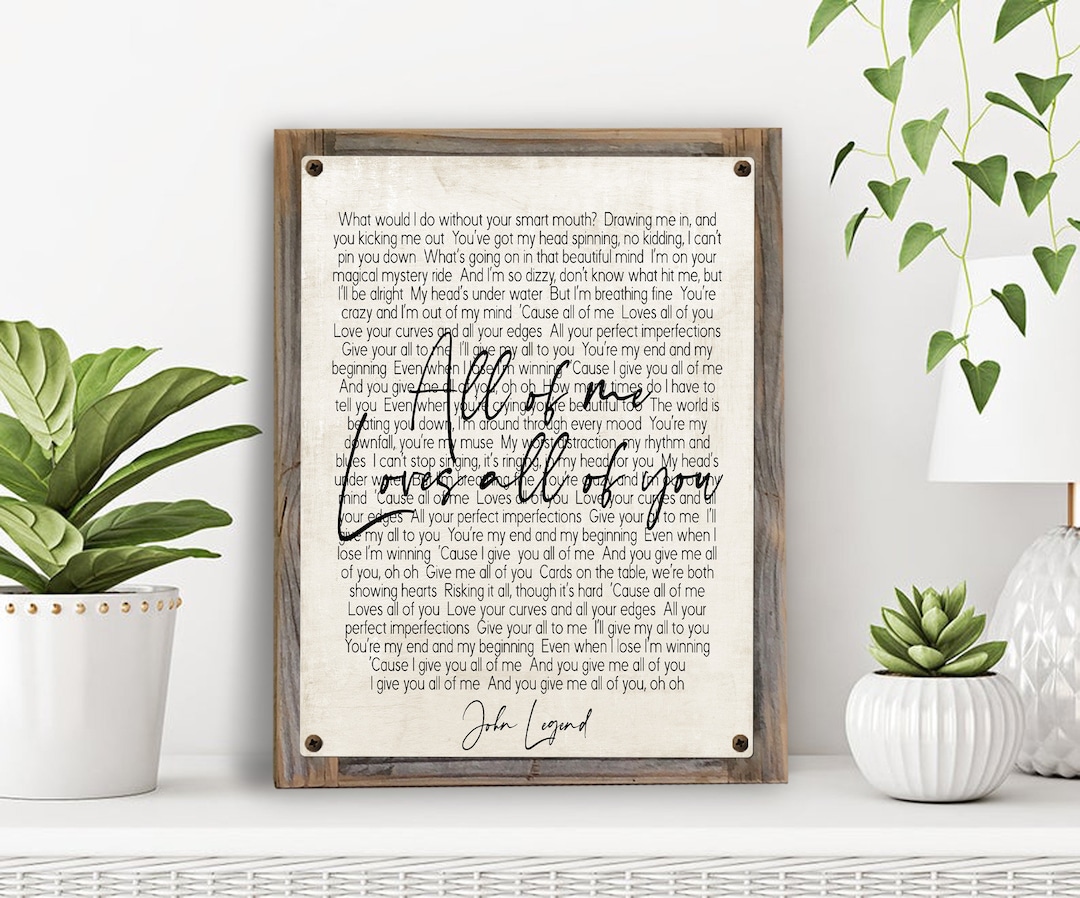
| All of Me | John Legend | Total devotion and acceptance. | An honest look at the "curves and edges" of a real relationship. | Highly Recommended |
| Total Eclipse | Bonnie Tyler | Grand, epic love. | A narrative about darkness, falling apart, and a "shadow on the floor." | Avoid |
How to Vet Your Wedding Playlist: A 2026 Guide
For couples planning their nuptials in 2026, the process of selecting music should be as rigorous as selecting a caterer or a venue. The following steps ensure that your playlist resonates with your actual story.
- Read the Full Text: Go to a reputable source like Songfacts or Genius to read the lyrics from beginning to end. Look for "red flag" words like "goodbye," "regret," "mistake," or "watching."
- Research Artist Intent: Artists often discuss the meaning of their songs in interviews. Searching for "[Song Name] meaning interview" can provide context that isn't immediately obvious from the lyrics alone.
- Consider the Audience: While you may know the "ironic" meaning of a song, your grandmother or your boss might take the lyrics literally. If a song contains heavy profanity or themes of infidelity, it may create an uncomfortable atmosphere.
- Listen to the Verses: The chorus is designed to be catchy and agreeable. The verses are where the storytelling happens. If the verses describe a toxic relationship, the "romantic" chorus cannot save the song.
- Consult Your DJ or Band: Experienced wedding musicians have seen every possible reaction to these songs. Ask them, "Have you ever had a couple regret playing this?" or "Does this song usually clear the dance floor?"
Positive Alternatives: Songs That Mean What They Say
If you find that your favorite song has a dark hidden meaning, do not despair. There are plenty of tracks where the lyrics are as beautiful and committed as the melody suggests.
- "Coming Home" by Leon Bridges: A soulful, timeless track about finding a sense of belonging in another person. It is simple, elegant, and lyrically "clean."
- "A Thousand Years" by Christina Perri: Written for a fictional wedding, this song is explicitly about eternal patience and the bravery required to love someone.
- "First Day of My Life" by Bright Eyes: This song captures the realization that everything before the partner met was just a prelude to the "real" start of their life.
- "Beyond" by Leon Bridges: A song that asks the heavy questions about whether this person is "the one" and concludes with a resounding "yes."
Frequently Asked Questions
Does it really matter if a wedding song has a sad meaning if the guests like it?
It depends on your priorities. While many guests may not pay close attention to the lyrics, the "meaning" of the song contributes to the overall narrative of your day. In 2026, with wedding videos being shared widely online, a song with inappropriate lyrics can become a point of unwanted commentary or distraction from the couple's message.
Can we use a "sad" song if it is "our song"?
If a song has a specific, positive meaning for your relationship—perhaps it was playing when you met—that personal context can override the artist's original intent. However, it is helpful to mention this personal connection (perhaps in the program or via the DJ) so guests understand why you chose a seemingly unconventional track.
Are there "hidden meanings" in instrumental versions of songs?
Instrumental versions (like string quartet covers) are an excellent "loophole." They allow you to enjoy the melody and the "vibe" of a song without the baggage of problematic lyrics. This is a popular trend in 2026 for couples who love the sound of 90s grunge or moody pop but want to keep the ceremony's tone appropriate.
What is the most commonly "misused" song at weddings?
"Hallelujah" remains the most misused. Despite its beauty, it is essentially a song about the failure of love and the pain of the human condition. While it is a masterpiece, its "broken" themes are the opposite of what most couples intend to celebrate on their wedding day.
How can I find the true meaning of a song quickly?
The best way is to check verified lyric databases or music journalism sites like Rolling Stone or Billboard. These outlets often feature deep dives into the history and inspiration behind famous tracks.
Final Recommendation for 2026 Couples
When selecting your music, prioritize authenticity over popularity. A song that is trending on social media might have a catchy 15-second clip, but the full four-minute story could be entirely inappropriate for a wedding. Take the time to read the lyrics, understand the songwriter's perspective, and choose a track that reflects the actual commitment you are making. By doing so, you ensure that every element of your wedding—including the soundtrack—is a true reflection of your love story.
Image Gallery
Select an image to open it in a new tab.
Declan O'Connor
Higher Education and Campus Culture Reporter
