The Rise of the Richest Women Entertainers: From Talent to Tycoons in 2026
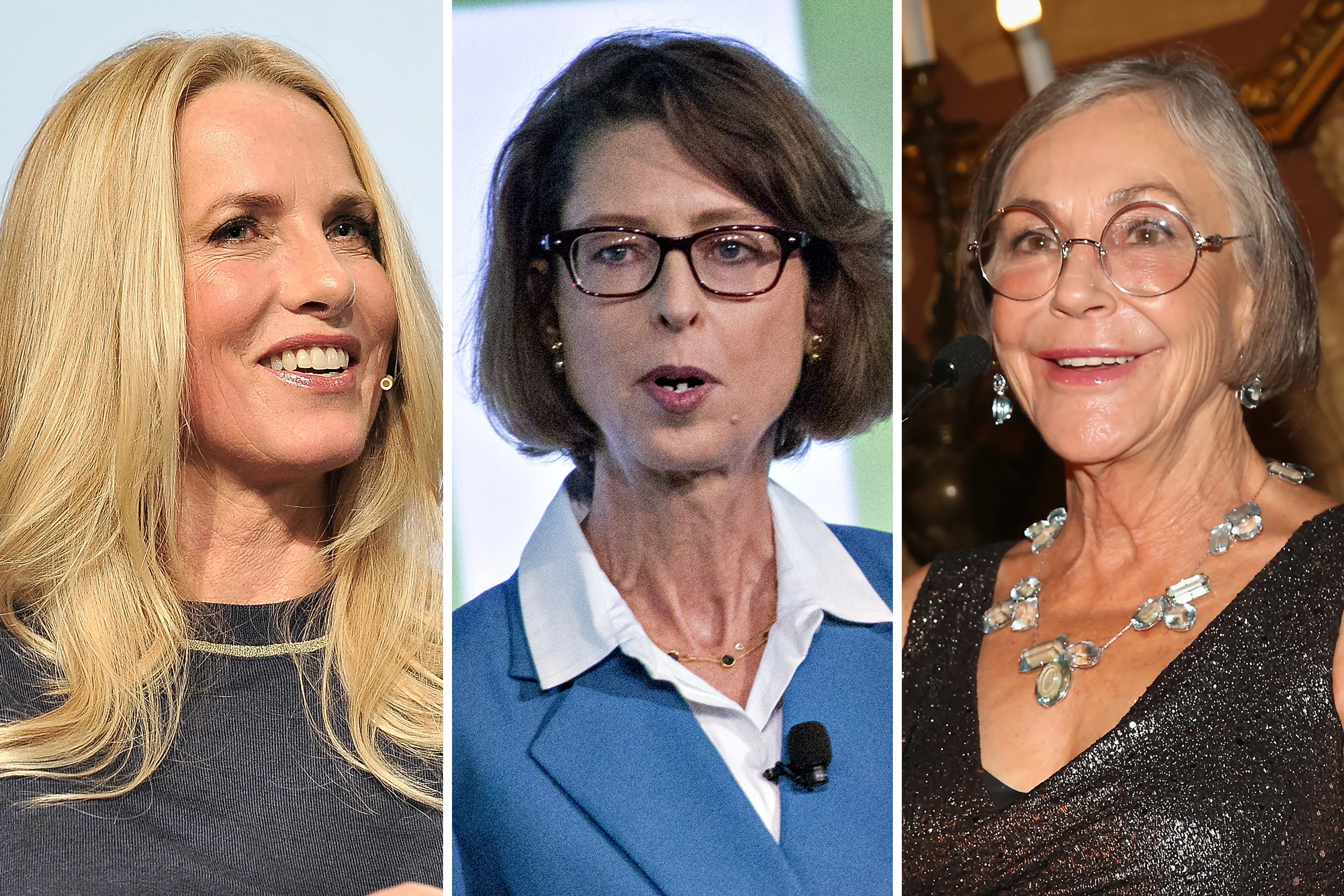
The rise of the richest women entertainers marks a fundamental shift from high-earning performers to billionaire business owners. By 2026, the blueprint for success has moved beyond salaries and appearance fees toward intellectual property ownership, equity in consumer brands, and vertical integration of their creative outputs.
The Evolution of the Entertainment Mogul
Historically, female entertainers were often treated as employees of major studios or record labels. Their income was primarily tied to their immediate labor—touring, filming, or recording. However, the landscape in 2026 reflects a decade-long transition where the most successful women in the industry have prioritized "ownership over salary." This evolution is characterized by three distinct phases: the era of the endorsement, the era of the partnership, and the current era of the founder.
In the endorsement era, an entertainer might have been the face of a perfume brand for a flat fee. In the partnership era, they might have received a small percentage of sales. Today, in 2026, the wealthiest women are the founders and majority shareholders of their enterprises. This shift has allowed figures like Rihanna and Selena Gomez to build net worths that dwarf their earnings from music and acting. By controlling the supply chain, marketing, and distribution, these women have captured the full value of their personal brands.
The transition also highlights a change in risk tolerance. Building a company like Rare Beauty or Fenty Beauty requires significant capital investment and the risk of failure. The women who have risen to the top of the wealth rankings in 2026 are those who leveraged their cultural capital to secure high-valuation equity stakes rather than safe, immediate payouts.
Intellectual Property and the Power of the "Master" Recording
A cornerstone of wealth accumulation for women in music has been the reclamation and protection of intellectual property (IP). Taylor Swift’s highly publicized campaign to re-record her early catalog set a precedent that has fully matured by 2026. This move was not merely about artistic pride; it was a sophisticated financial maneuver that redirected streaming royalties and licensing fees away from private equity groups and back to the creator.
By 2026, the "Swift Model" has become a standard teaching point for artists entering the industry. Owning "masters"—the original recordings of songs—allows entertainers to control how their music is used in films, advertisements, and digital media. When an artist owns their IP, they become a primary beneficiary of the long-tail revenue generated by streaming platforms. For the richest women in entertainment, this passive income stream provides the foundational capital necessary to pivot into even more lucrative sectors like real estate, venture capital, and tech.
Furthermore, IP ownership extends to film and television. Actresses who transitioned into producing, such as Reese Witherspoon and Margot Robbie, have seen their net worths skyrocket by owning the rights to the stories they tell. By controlling the production company (e.g., Hello Sunshine or LuckyChap Entertainment), these women ensure they receive a share of the "backend" profits and licensing fees, rather than just an upfront acting fee.

The Direct-to-Consumer Revolution: Beauty, Fashion, and Beyond
The most significant driver of billionaire status for women entertainers in the mid-2020s has been the Direct-to-Consumer (DTC) business model. By cutting out traditional retail middlemen and leveraging massive social media followings, entertainers have turned fans into loyal customers. Rihanna’s Fenty Beauty, a partnership with LVMH, remains the gold standard for this strategy. The brand’s focus on inclusivity was not just a moral choice but a brilliant market expansion strategy that tapped into underserved demographics.
Selena Gomez’s Rare Beauty followed a similar trajectory, reaching a billion-dollar valuation by focusing on mental health and approachable cosmetics. The key to these successes is the "authenticity" of the brand. In 2026, consumers are increasingly wary of celebrity "cash grabs." The richest women are those who have successfully convinced their audience that their products are a genuine extension of their personal values.
| Entertainer | Primary Wealth Source | Industry | Estimated Focus 2026 |
|---|---|---|---|
| Oprah Winfrey | Harpo Productions / Equity | Media & Investment | Content licensing & Real Estate |
| Rihanna | Fenty Beauty / Savage X Fenty | Retail & Beauty | Global supply chain expansion |
| Taylor Swift | Music Catalog / Touring | Music | IP Management & Film Direction |
| Selena Gomez | Rare Beauty | Beauty & Mental Health | Venture philanthropy & CPG |
| Beyoncé | Parkwood Entertainment | Music & Fashion | Vertical tour integration |
| Kim Kardashian | SKIMS | Shapewear & Private Equity | IPO Readiness & SKKY Partners |
Media Empires and the Legacy of Oprah Winfrey
While the DTC model is the current trend, the foundation of female entertainment wealth remains the multimedia empire. Oprah Winfrey remains the definitive example of this, having transitioned from a talk show host to a media mogul who owns her network, production facilities, and significant stakes in other companies. Her wealth is built on the "Harpo" model: own the content, own the studio, and own the distribution.
In 2026, we see younger entertainers adopting this vertical integration. Beyoncé’s Parkwood Entertainment is more than just a management company; it is a film production house, a record label, and a creative agency. By internalizing these costs, she retains a higher percentage of the revenue from global tours and visual albums. This level of control allows for a higher profit margin compared to artists who must pay third-party agencies for every step of the creative process.
The "Oprah effect" has also evolved into venture capital. Many of the richest women in entertainment now operate their own VC funds or private equity arms. They are no longer just looking for a job; they are looking for a seat at the table in the next big tech or wellness startup. This diversification ensures that their wealth is not solely dependent on the fickle nature of public popularity or the "hit-driven" business of entertainment.
Financial Strategies of the High-Net-Worth Female Entertainer
Achieving and maintaining billionaire or multi-millionaire status in the entertainment world requires more than just high earnings; it requires rigorous tax planning, asset protection, and investment diversification. In 2026, several key financial strategies are common among the elite:
- Equity Swaps: Instead of taking a $10 million fee for a film or partnership, stars may take $2 million plus a significant equity stake in the parent company. If the company is sold or goes public, the payout can be 10 to 50 times the original fee.
- Tax-Efficient Jurisdictions: For global tours and international product sales, entertainers often utilize corporate structures that minimize tax liabilities across multiple borders, ensuring that more of their gross revenue hits their bottom line.
- Real Estate Portfolios: Wealthy entertainers frequently diversify into high-end commercial and residential real estate. These tangible assets provide a hedge against inflation and the volatility of the stock market.
- Licensing vs. Manufacturing: Some entertainers choose to license their names to established manufacturers (low risk, steady income), while the richest often choose to manufacture themselves (high risk, massive reward).
The gender pay gap in Hollywood remains a hurdle for many, but the women at the very top have bypassed this issue by becoming the "bosses" who sign the checks. When an actress produces her own film, she is the one determining the budget and the salary distributions, effectively eliminating the institutional barriers that previously capped her earnings.
Challenges and Future Outlook: AI and Digital Likeness
As we look at the landscape in 2026, new challenges to the wealth of women entertainers are emerging, specifically regarding Artificial Intelligence (AI) and digital rights. The ability of AI to replicate a performer’s voice and likeness poses a threat to future earning potential. The wealthiest entertainers are currently involved in legal battles and lobbying efforts to ensure that their "digital twin" is a protected asset that can be licensed, rather than a public-domain tool for creators.
Those who successfully navigate these digital rights will likely see another surge in wealth. Imagine a world where an entertainer can "perform" in ten different cities simultaneously via high-fidelity holographic projection or AI-driven digital avatars. The scalability of a celebrity brand in the digital age is virtually limitless, provided the legal protections are in place to ensure the entertainer owns the rights to their likeness.
Moreover, the rise of the richest women entertainers has a social impact. As these women amass significant capital, they are increasingly involved in large-scale philanthropy and political advocacy. Their wealth is not just a personal achievement but a tool for systemic change, particularly in areas like reproductive rights, education, and economic empowerment for women.
Frequently Asked Questions
Who is the richest woman in entertainment as of 2026?
While rankings fluctuate based on market valuations, Oprah Winfrey remains a top contender due to her massive diversified portfolio. However, Rihanna and Taylor Swift have closed the gap significantly through their respective beauty empires and music IP. Forbes and Bloomberg provide the most accurate real-time tracking of these figures.
How did Taylor Swift become a billionaire?
Taylor Swift reached billionaire status primarily through the success of her Eras Tour and the strategic re-recording of her albums (Taylor’s Versions). Unlike many other wealthy entertainers, a vast majority of her wealth is derived directly from her music and performances, supplemented by savvy real estate investments.
Why do many entertainers start beauty or skincare brands?
Beauty and skincare offer high profit margins and recurring revenue. Unlike a movie or an album, which is a one-time purchase, consumers buy makeup and skincare products repeatedly. This provides a steady cash flow that is less dependent on the entertainer being "active" in the studio or on set.
Is acting still the best way to get rich in Hollywood?
Acting alone is rarely the path to elite wealth today. Most "wealthy" actresses are also producers or entrepreneurs. The real money in Hollywood now lies in producing content and owning the rights to the underlying intellectual property (books, life stories, or franchises).
How does social media influence their wealth?
Social media allows entertainers to market directly to their audience without paying for traditional advertising. A single post from an entertainer with 300 million followers can generate millions of dollars in sales for their brand, significantly increasing their net worth at a very low cost of acquisition.
Final Recommendations for Understanding Entertainment Wealth
To fully grasp the rise of the richest women entertainers, one must look past the red carpets and focus on the SEC filings, brand valuations, and IP acquisitions. For those looking to follow this trajectory or understand the market:
- Study Equity Structures: Learn the difference between being a brand ambassador and a brand founder. The latter is where generational wealth is built.
- Monitor IP Trends: Keep an eye on how artists are managing their back catalogs and digital rights in the age of AI.
- Evaluate Brand Longevity: Distinguish between "hype" brands and those with sustainable business models, like Fenty or Rare Beauty, which offer high-quality products that stand independent of the celebrity name.
The rise of these women is a testament to the power of financial literacy and the strategic use of cultural influence. By 2026, the "entertainer" is no longer just a performer; she is a sophisticated CEO of a global conglomerate.
Image Gallery
Select an image to open it in a new tab.




Omar Farooq
EdTech Innovation and Virtual Pedagogy Journalist
