Understanding the Challenges of Small Cell Squamous Lung Cancer
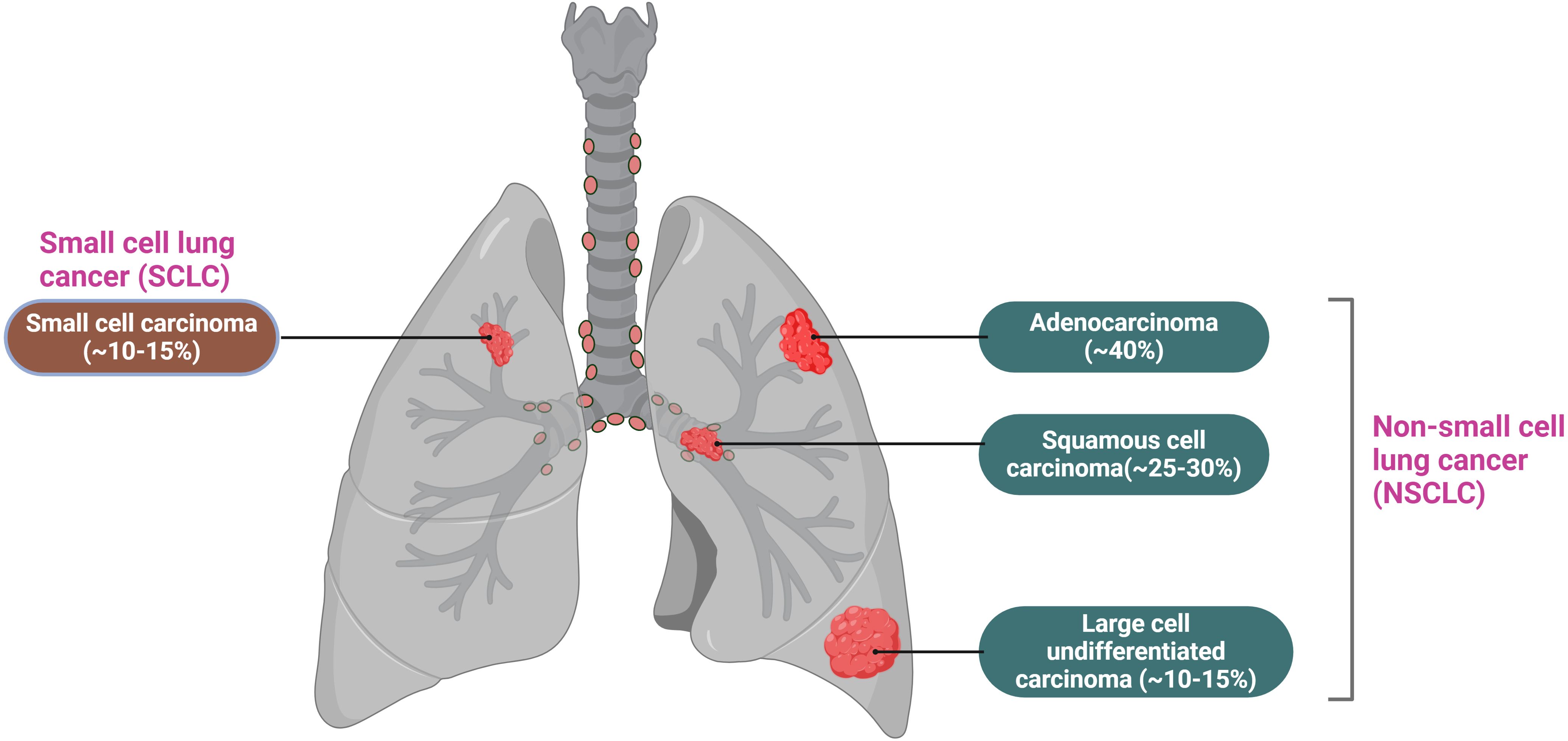
Small cell carcinoma and squamous cell carcinoma are distinct histological subtypes of lung cancer, and there is no clinical entity known as "small cell squamous lung cancer." The challenges in this context arise from the potential for diagnostic ambiguity when tumors exhibit mixed features or when secondary squamous metaplasia occurs alongside small cell lung cancer (SCLC). Distinguishing these types is a critical step in determining the appropriate therapeutic protocol, as treatment pathways for SCLC differ significantly from those for non-small cell lung cancer (NSCLC) subtypes like squamous cell carcinoma.
The Histological Distinction in Lung Cancer
To understand the challenges involved in diagnosing and treating complex lung malignancies, one must first recognize the fundamental biological differences between small cell and squamous cell carcinomas.
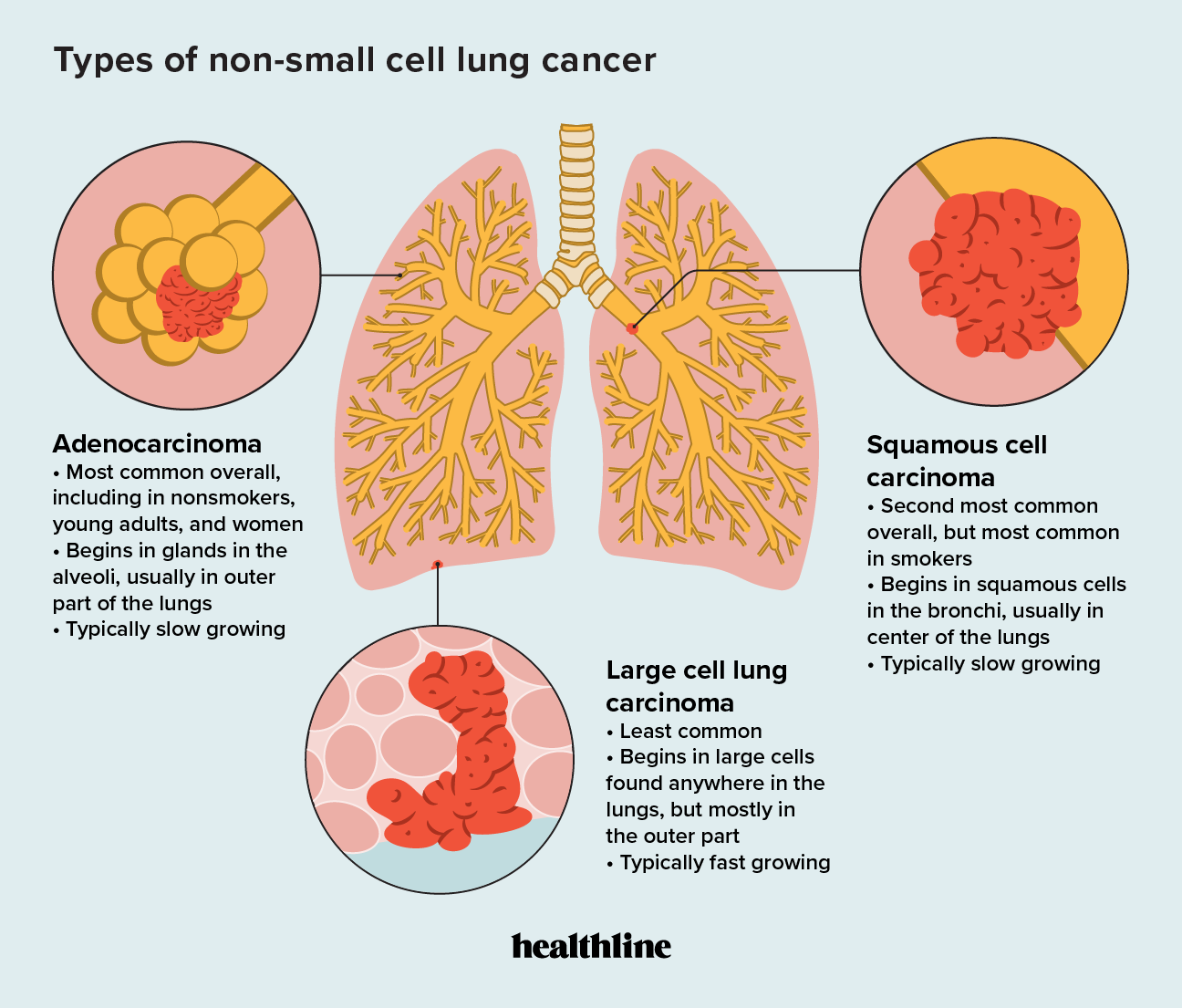
Small cell lung cancer (SCLC) is a high-grade neuroendocrine tumor. It is characterized by its rapid doubling time and early propensity for systemic dissemination. Because it is highly aggressive, it typically responds to initial chemotherapy and radiation but frequently recurs, often developing resistance to primary treatment regimens. In contrast, squamous cell carcinoma falls under the classification of non-small cell lung cancer (NSCLC). It arises from the epithelial cells lining the airways and is often more closely associated with smoking history and central bronchial location.
The term "small cell squamous lung cancer" represents a diagnostic challenge rather than a single unified disease. In pathology, clinicians may encounter "combined small cell lung cancer," where SCLC occurs in conjunction with other histological components, such as squamous cell carcinoma or adenocarcinoma. Recognizing this overlap is essential because the presence of even a small percentage of small cell components significantly alters the clinical management of the patient, prioritizing systemic SCLC-based therapies.
Diagnostic Hurdles and Pathological Analysis
The primary challenge in managing patients with suspected mixed-histology tumors is the accuracy of the initial biopsy. A core needle biopsy may only sample a portion of a heterogeneous tumor, potentially leading to an incomplete diagnosis.
The Role of Immunohistochemistry
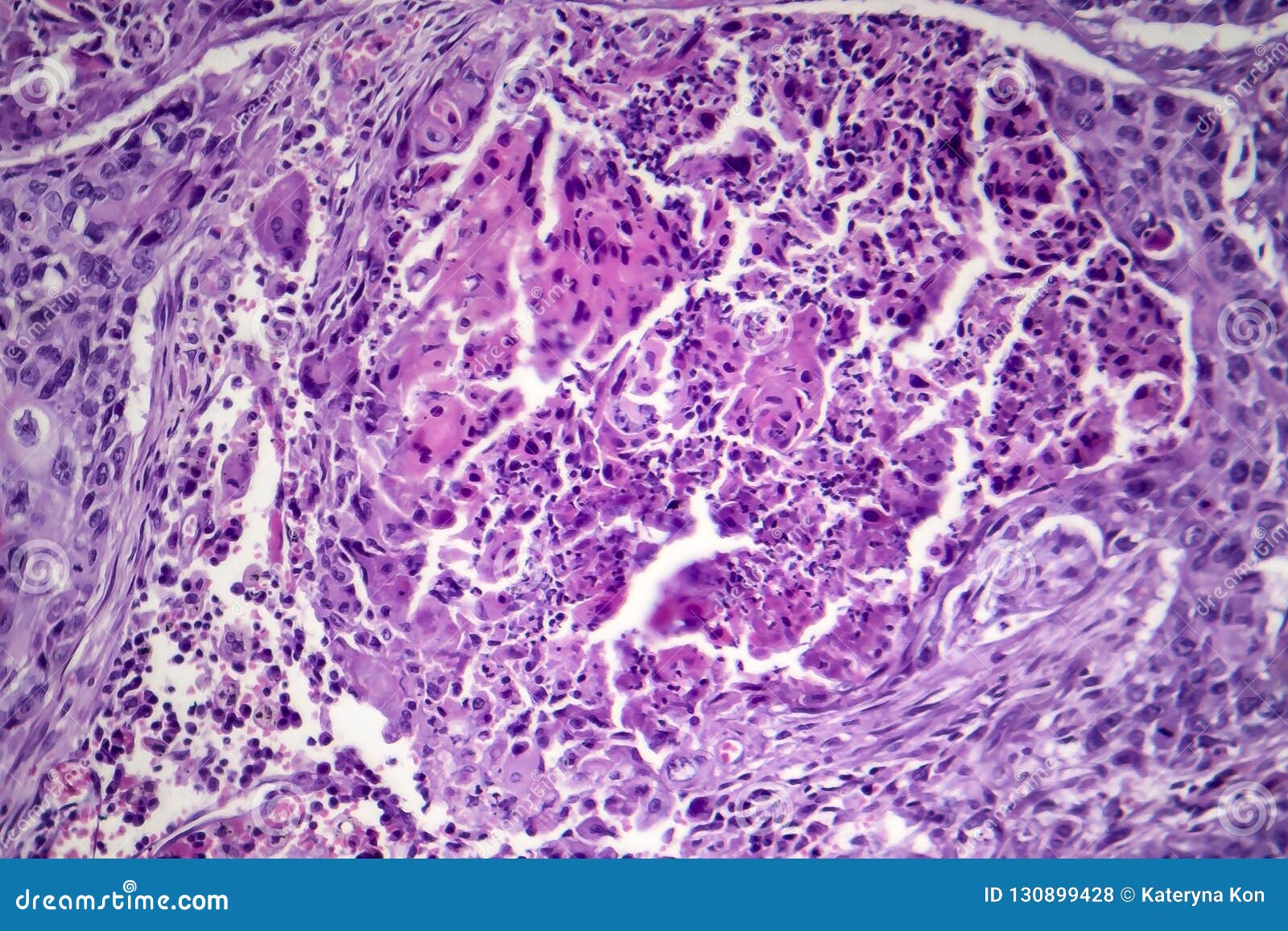
Pathologists utilize immunohistochemistry (IHC) to identify specific protein markers on tumor cells. This is the gold standard for resolving diagnostic ambiguity:
- SCLC Markers: These tumors typically express neuroendocrine markers such as chromogranin A, synaptophysin, and CD56. They also show high expression of thyroid transcription factor-1 (TTF-1) in many cases.
- Squamous Cell Markers: These are identified by the expression of p40, p63, and cytokeratin 5/6.
When a biopsy reveals both neuroendocrine and squamous markers, the diagnosis is confirmed as combined SCLC. This is distinct from "squamoid" small cell, which refers to SCLC cells that have altered morphology, potentially misleading a less experienced pathologist. Accurate identification is not merely an academic exercise; it dictates whether a patient receives platinum-etoposide chemotherapy (the standard for SCLC) or targeted therapies/immunotherapy more common in NSCLC management.
Clinical Challenges in Treatment Selection
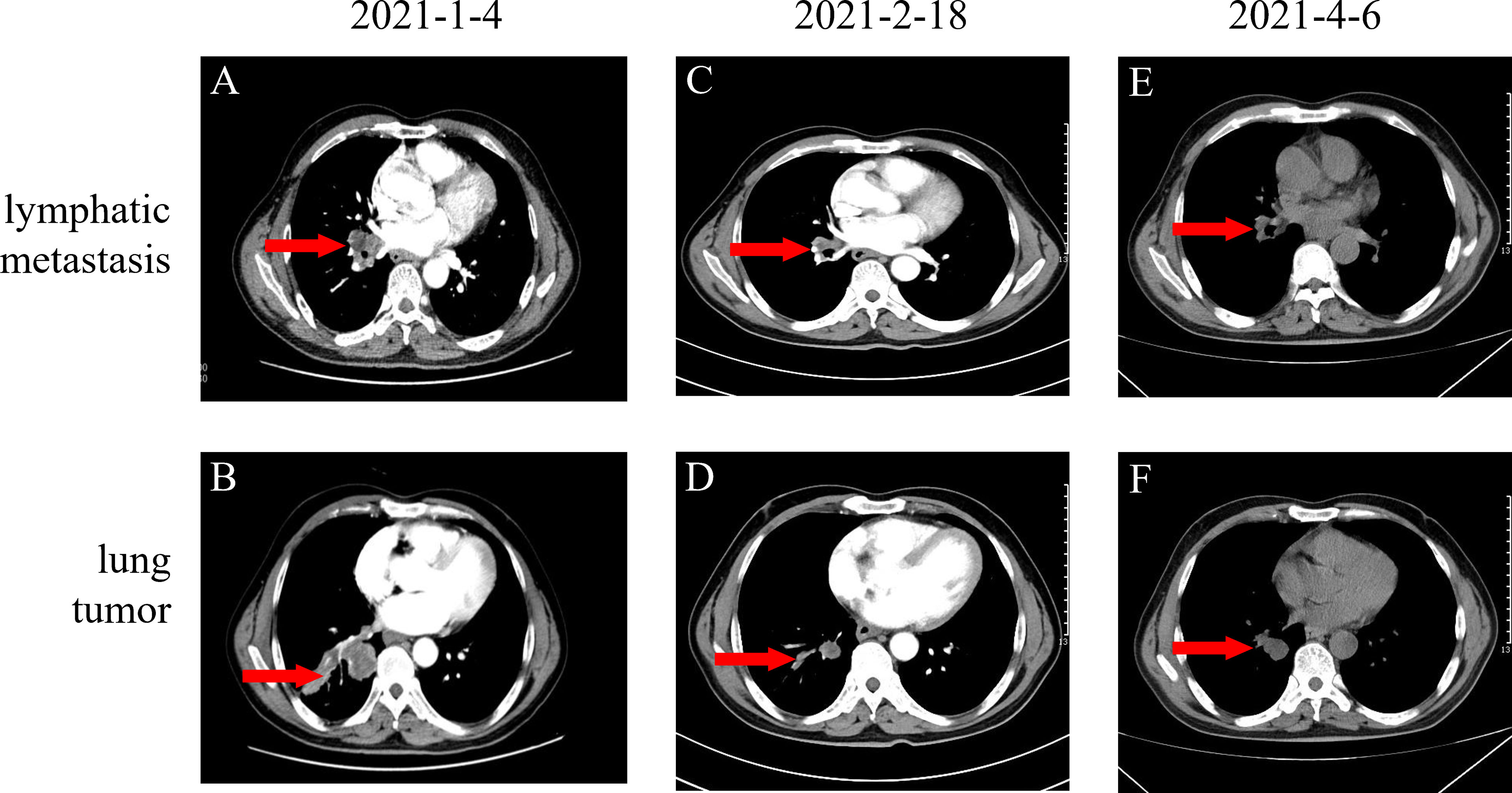
Once a definitive diagnosis is established, the treatment trajectory faces further hurdles. The management of tumors containing small cell components is dominated by the aggressive nature of the SCLC component.
The Impact of Biological Aggression
Because SCLC behaves as a systemic disease from its earliest presentation, treatment rarely relies on surgery alone, even in localized cases. For squamous cell carcinoma, surgery may be a curative option in early stages. However, if a biopsy suggests even a small component of SCLC, surgical intervention is generally deferred in favor of chemotherapy and thoracic radiotherapy.
Treatment Paradoxes
The clinical team must weigh the benefits of different modalities:
- Chemotherapy Response: SCLC is notoriously chemo-sensitive, whereas squamous cell carcinoma often exhibits relative chemo-resistance compared to other NSCLC types. A mixed tumor may show a partial response, where the SCLC component shrinks rapidly while the squamous component remains stable, requiring a reassessment of the treatment plan.
- Radiation Sensitivity: Both SCLC and squamous cell carcinomas are generally sensitive to radiation therapy. However, the dose and field size differ. Coordinating thoracic radiation for a mixed-histology tumor requires precise oncology planning to balance efficacy against the risk of pulmonary toxicity.
Comparison of Clinical Profiles
The following table outlines the differences in clinical management and characteristics to highlight why distinguishing these subtypes is critical.
| Feature | Small Cell Lung Cancer (SCLC) | Squamous Cell Carcinoma (NSCLC) |
|---|---|---|
| Typical Growth Rate | Very Rapid | Moderate |
| Primary Treatment | Chemotherapy + Radiation | Surgery / Targeted Therapy / IO |
| Neuroendocrine Markers | Consistently Positive | Negative |
| Squamous Markers (p40/p63) | Negative | Positive |
| Systemic Spread | Early/High Frequency | Later/Variable |
The Role of Molecular Profiling
In 2026, the integration of molecular profiling is standard practice, yet it presents unique challenges for tumors with overlapping features. Genomic testing is vital to determine if a patient with a squamous component might benefit from immune checkpoint inhibitors or emerging targeted therapies, even if the primary diagnosis is driven by the small cell component.
However, SCLC is characterized by complex genomic landscapes, often involving deletions in TP53 and RB1. Squamous cell carcinomas often exhibit different genetic drivers, such as FGFR1 amplifications or SOX2 mutations. When these profiles overlap, the therapeutic decision-making process becomes highly complex, often requiring a multidisciplinary tumor board to determine if a patient qualifies for clinical trials or off-label use of specific inhibitors.
Multidisciplinary Care Requirements
Managing the ambiguity of these diagnoses requires a high level of coordination. A patient's care team must include:
- Pathologists: Specialized in thoracic tissue to perform comprehensive IHC panels.
- Pulmonologists: Skilled in obtaining high-quality biopsy samples (e.g., via EBUS or TTNA).
- Medical Oncologists: Experienced in managing the systemic nature of SCLC and the specific challenges of squamous-histology NSCLC.
- Radiation Oncologists: To manage the thoracic field in the context of high-risk neuroendocrine components.
The "challenge" is not just the biology of the tumor, but the logistics of bringing these specialties together to ensure the patient does not receive an incorrect regimen that ignores the aggressive neuroendocrine elements of their cancer.
FAQ: Understanding Complex Lung Cancer Diagnoses
1. Can a patient have both small cell and squamous cell lung cancer simultaneously? Yes, this is known as combined small cell lung cancer. It is a recognized category in the WHO classification of lung tumors, occurring when a tumor contains at least 10% of a non-small cell component (such as squamous cell carcinoma) alongside the SCLC component.
2. Why is the distinction between these two types so important? The distinction is life-saving because SCLC and NSCLC (squamous) are treated differently. SCLC is considered a systemic disease requiring systemic chemotherapy, whereas squamous cell carcinoma often allows for surgical resection in early stages. Treating SCLC as if it were squamous cell cancer would likely lead to inadequate systemic control and rapid progression.
3. Does the presence of squamous markers mean my treatment will be less effective? Not necessarily. It means the treatment strategy must be customized. A multidisciplinary team will decide how to address both components, usually prioritizing the SCLC component due to its aggressive growth, while managing the squamous component through appropriate chemotherapy or local control methods.
4. How is the biopsy quality ensured to avoid misdiagnosis? High-quality diagnosis requires a sufficient tissue sample. Clinicians may perform repeat biopsies or use specialized techniques like fine-needle aspiration combined with core biopsies to ensure enough material is gathered for comprehensive molecular and immunohistochemical analysis.
5. What should I ask my oncology team about my diagnosis? You should ask if a pathologist specializing in lung or thoracic tissue has reviewed the sample and if immunohistochemistry (IHC) markers for both neuroendocrine and squamous cells were tested. It is also appropriate to ask if the tumor was discussed at a multidisciplinary tumor board.
Next Actions and Recommendations
If you or a loved one has received a diagnosis involving mixed histological features, the most critical step is ensuring that the biopsy material has been reviewed by an expert thoracic pathologist at a specialized cancer center.
- Request a Pathological Review: Confirm that both neuroendocrine and squamous markers (such as synaptophysin and p40) were evaluated.
- Consult a Multidisciplinary Team: Ensure your treatment plan is not being managed by a single specialist in isolation but is part of a collaborative discussion involving medical, radiation, and surgical oncology.
- Discuss Clinical Trials: Given the complexity of mixed-histology tumors, clinical trials may offer access to combinations of immunotherapy and chemotherapy that are not yet standard for all patients.
Patients should seek care at a NCI-Designated Cancer Center or a facility with a dedicated thoracic oncology department to ensure that the nuanced challenges of their specific tumor profile are addressed with the latest evidence-based protocols.
Image Gallery
Select an image to open it in a new tab.





Vivian Cho
Executive IT and Emerging Technologies Reporter
