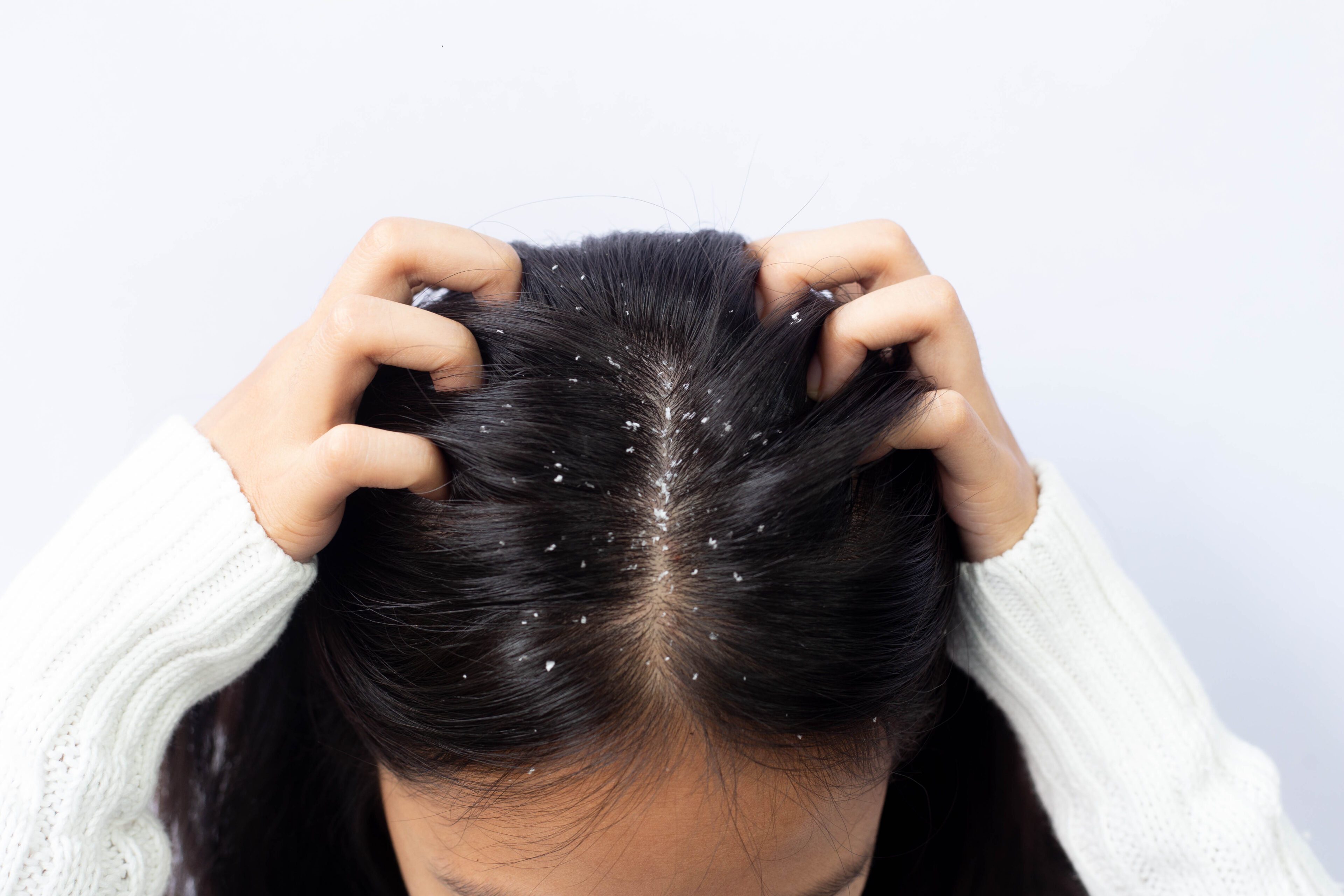
To treat brown scabs on the scalp, you must first identify the underlying cause, which is most frequently seborrheic dermatitis, scalp psoriasis, or a bacterial infection like folliculitis. Primary treatments involve using medicated shampoos containing ketoconazole, salicylic acid, or coal tar, coupled with topical corticosteroids to reduce inflammation and strictly avoiding the urge to pick at the crusts.
Brown scabs on the scalp can be a source of significant physical discomfort and social anxiety. These crusts are typically formed when blood, serum, or pus dries over a skin injury or a site of inflammation. While the appearance of brown scabs often indicates a healing process, their presence on the scalp usually signals a chronic condition or an acute infection that requires targeted intervention. In 2026, dermatological guidelines emphasize a multifaceted approach to scalp health, moving beyond simple cleansing to focus on microbiome balance and barrier repair.
Understanding the Nature of Scalp Scabbing
A scab is the body’s natural "biological dressing." When the skin on the scalp is compromised—whether by scratching, an overgrowth of fungi, or an autoimmune response—the body sends platelets to the site to form a clot. As this clot dries, it hardens into a scab. The brown color specifically indicates the presence of dried red blood cells. If the scab appears yellowish-brown or honey-colored, it may suggest the presence of serous fluid or a bacterial byproduct, often seen in infections like impetigo.
The scalp is a unique environment for wound healing. It has a high density of hair follicles and sebaceous (oil) glands, which can trap moisture and bacteria. This environment can make scabs feel "mushy" or lead to secondary infections if not managed correctly. Understanding that a scab is a symptom, not the disease itself, is the first step toward effective treatment.
Common Causes of Brown Scabs on the Scalp
Before applying any treatment, it is essential to distinguish between the various conditions that manifest as brown crusting.
Seborrheic Dermatitis
This is perhaps the most common cause of scalp scabbing. It is an inflammatory skin condition triggered by an overreaction to Malassezia, a yeast-like fungus that lives on the oily surfaces of the skin. When the body overreacts, it produces excess skin cells and oil, leading to "cradle cap" in infants or stubborn dandruff in adults. These flakes can clump together, become irritated through scratching, and form brown or yellowish scabs.
Scalp Psoriasis
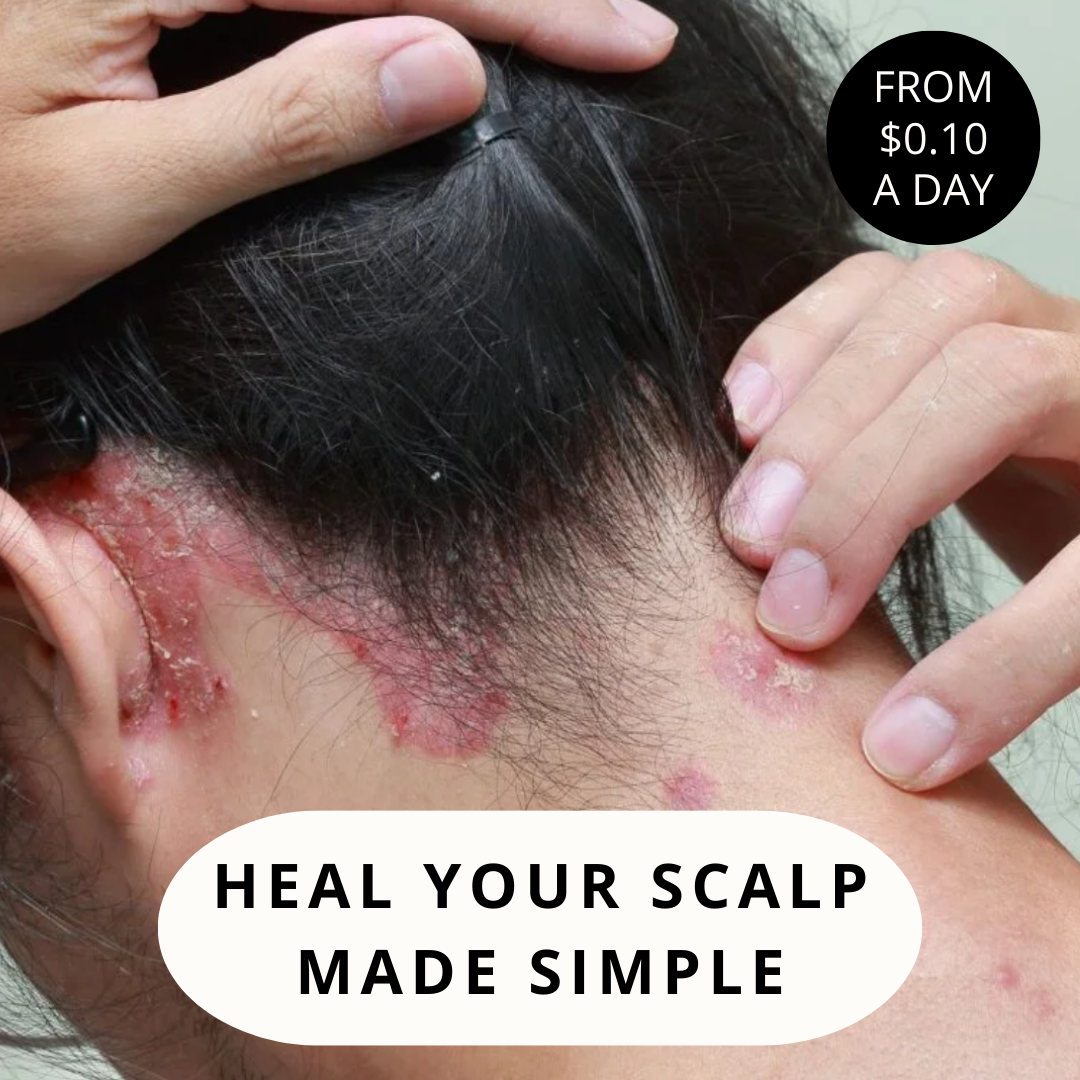
Psoriasis is an autoimmune condition where the skin cell production cycle accelerates drastically. Instead of weeks, cells renew in days, leading to a buildup of thick, silvery scales. When these scales are disturbed—a phenomenon known as the Auspitz sign—they bleed easily, resulting in the formation of dark brown scabs. Psoriasis plaques are typically drier and more "plate-like" than the greasy scales of seborrheic dermatitis.
Folliculitis and Bacterial Infections
Folliculitis occurs when the hair follicles become inflamed or infected, usually by Staphylococcus aureus bacteria. This often presents as small, itchy bumps that look like pimples. When these bumps pop or are scratched, they ooze and eventually crust over into small, hard brown scabs. If left untreated, this can progress into more severe infections or localized cellulitis.
Contact Dermatitis
This is an allergic or irritant reaction to external substances. Common culprits include paraphenylenediamine (PPD) found in hair dyes, certain fragrances in shampoos, or harsh surfactants. The reaction causes the scalp to weep or blister, and as the fluid dries, brown scabs form across the affected area.

Comparing Scalp Conditions and Treatments
The following table summarizes the differentiating factors for common causes of brown scalp scabs to help you determine the likely culprit.
| Condition | Primary Appearance | Scab Characteristic | Recommended Active Ingredient |
|---|---|---|---|
| Seborrheic Dermatitis | Greasy, yellow/white flakes | Soft, oily, yellowish-brown | Ketoconazole, Zinc Pyrithione |
| Scalp Psoriasis | Silver-white thick plaques | Dry, brittle, dark brown | Coal Tar, Salicylic Acid |
| Folliculitis | Red bumps or pustules | Small, circular, hard brown | Mupirocin (Antibiotic), Benzoyl Peroxide |
| Impetigo | Oozing "honey-colored" sores | Sticky, light to dark brown | Prescription Antibiotics |
| Contact Dermatitis | Red, inflamed, weeping skin | Diffuse, thin brown crusting | Topical Steroids, Antihistamines |
Essential Over-the-Counter (OTC) Treatments
For mild to moderate cases, OTC interventions are often the first line of defense. The goal of these treatments is to soften the scabs so they can be removed gently while treating the underlying inflammation or fungal growth.
Medicated Shampoos
Choosing the right shampoo is critical. You should look for specific active ingredients based on your symptoms:
- Ketoconazole: An antifungal that targets the Malassezia yeast responsible for seborrheic dermatitis.
- Salicylic Acid: A keratolytic agent that helps dissolve the "glue" holding skin cells together. This is excellent for softening thick, hard brown scabs so they can be washed away without trauma.
- Coal Tar: Slows the rapid growth of skin cells and reduces inflammation, making it a gold standard for scalp psoriasis.
- Selenium Sulfide: Reduces both the cell turnover rate and the yeast population on the scalp.
Scalp Oils and Softeners
If scabs are very hard, forcing them off can cause bleeding and scarring, which may lead to permanent hair loss (cicatricial alopecia). Applying warm mineral oil, olive oil, or specialized scalp oils containing tea tree oil can soften the crusts. Leave the oil on for 30 to 60 minutes under a shower cap before gently combing through with a fine-toothed comb to lift the loosened debris.
Prescription-Strength Medical Interventions
When OTC products fail to show results within two to four weeks, professional medical intervention is necessary. As of 2026, dermatologists have access to refined topical and systemic treatments that minimize side effects.
Topical Corticosteroids
For inflammatory conditions like psoriasis or severe eczema, a doctor may prescribe high-potency corticosteroids (e.g., Clobetasol propionate). these are available in foams, lotions, or "scalp applications" that penetrate the hair more effectively than heavy creams. They work by shutting down the immune response that causes redness and scabbing.
Topical and Oral Antibiotics
If your scabs are a result of folliculitis or impetigo, a physician will likely prescribe a topical antibiotic like mupirocin. In cases where the infection is deep or widespread, a course of oral antibiotics (such as cephalexin) may be required to clear the bacteria from the bloodstream and follicles.
Modern Biologics and JAK Inhibitors
For chronic, severe cases of scalp psoriasis that do not respond to topicals, 2026 medical standards often involve biological therapies. These injectable or oral medications target specific parts of the immune system to stop the overproduction of skin cells at the source, often leading to a completely clear scalp.
Professional Advice and Safety Limitations
While many scalp issues can be managed at home, certain symptoms require immediate medical attention. The information provided here is for educational purposes and does not replace a diagnosis from a healthcare provider.
Seek a dermatologist if you experience:
- Rapid Spreading: If scabs move from the scalp to the face or neck.
- Signs of Infection: Increased pain, swelling, warmth, or red streaks emanating from a scabbed area.
- Fever: Any scalp condition accompanied by a fever suggests a systemic infection.
- Patchy Hair Loss: If hair is falling out in the areas where scabs are forming, it could indicate tinea capitis (fungal infection) or scarring alopecia.
A Step-By-Step Scalp Recovery Routine
To treat brown scabs effectively, follow this structured routine to ensure you are cleaning the area without causing further damage.
- Preparation: Do not pick at the scabs with your fingernails. This introduces bacteria and causes the wound to reopen, leading to thicker scabbing.
- Softening: Apply a scalp oil or a salicylic acid-based "pre-shampoo" treatment to the dry scalp. Massage gently and let it sit for at least 20 minutes.
- Controlled Washing: Use lukewarm water. Hot water can strip the scalp of protective lipids and worsen inflammation. Apply a medicated shampoo, focusing on the scalp rather than the hair strands.
- The "Contact Time" Rule: Most medicated shampoos require at least 5 minutes of contact time with the skin to work. Do not rinse it off immediately.
- Gentle Debridement: After rinsing, while the hair is still wet, use a soft-bristled brush or a fine comb to gently lift any scabs that have become loose. If a scab is still firmly attached, leave it alone.
- Drying: Pat the scalp dry with a clean towel. Avoid high-heat blow drying, as this can irritate the newly exposed skin.
- Application of Medication: If you have a prescribed topical steroid or antibiotic, apply it now to the clean, dry scalp.
Lifestyle Adjustments and Prevention
Long-term management of brown scabs involves more than just reactive treatment; it requires environmental and lifestyle changes to prevent recurrence.
- Stress Management: High stress levels are a documented trigger for both seborrheic dermatitis and psoriasis flare-ups. Incorporating stress-reduction techniques can physically reduce the inflammatory markers in your skin.
- Dietary Considerations: While "diet cures" are often exaggerated, some individuals find that reducing high-sugar foods and dairy can decrease the systemic inflammation that contributes to scalp issues.
- Product Audit: Switch to "fragrance-free" and "sulfate-free" products if you suspect contact dermatitis. Check the labels of your hairspray, gel, and dry shampoo for potential irritants.
- Hygiene of Tools: Regularly disinfect your hairbrushes, combs, and pillowcases. Bacteria and fungal spores can linger on these surfaces, leading to re-infection even after the initial scabs have cleared.
Frequently Asked Questions
Why do my scalp scabs keep coming back in the same spot?
Recurrence in the same location usually indicates a chronic underlying condition like psoriasis or a localized "hot spot" of seborrheic dermatitis. It may also be due to "habitual picking," where a person subconsciously picks at a healing wound, preventing the skin from ever fully closing. This can lead to a cycle of chronic inflammation and thickened skin known as lichen simplex chronicus.
Can I use apple cider vinegar to treat brown scabs?
Apple cider vinegar (ACV) is a popular home remedy because its acidity can help balance the scalp's pH and inhibit fungal growth. However, it should never be applied full-strength to open scabs, as it can cause chemical burns and intense pain. If used, it must be diluted (1 part vinegar to 4 parts water) and used as a rinse, but medicated shampoos are generally more effective and safer for scabbing.
Is it possible that brown scabs are a sign of skin cancer?
Yes, in some cases. Actinic keratosis (a precancerous growth) or basal cell carcinoma can sometimes appear as a crusty, scabbing sore that does not heal. If you have a single brown scab that persists for more than six weeks despite treatment, or if it bleeds spontaneously without being touched, you must have it biopsied by a dermatologist.
How long does it take for scalp scabs to heal?
With proper treatment, most inflammatory scabs (like those from dandruff) will begin to clear within 7 to 10 days. Bacterial infections may take slightly longer and require a full course of antibiotics. If the cause is a chronic condition like psoriasis, the scabs may clear and then reappear during future flare-ups.
Should I wash my hair every day if I have scabs?
This depends on the cause. If you have seborrheic dermatitis, daily washing with a medicated shampoo is often recommended to remove excess oil and yeast. If you have dry psoriasis or eczema, washing every day might be too drying and could worsen the irritation. A frequency of every other day is usually a safe starting point for most people.
Final Recommendation for Scalp Health
The most effective way to eliminate brown scabs on the scalp is to transition from a "picking" mindset to a "soothing" mindset. Begin by using a 2% ketoconazole shampoo twice a week and a salicylic acid treatment to soften existing crusts. If the scabbing is accompanied by pain, pus, or hair loss, schedule an appointment with a dermatologist immediately to rule out serious infection or permanent follicular damage. Consistency is the key to recovery; scalp conditions often require several weeks of disciplined care before the skin barrier is fully restored.
Image Gallery
Select an image to open it in a new tab.


Lars Thomsen
Global Labor Markets and Economic Strategy Editor
