The Tiger in The Jungle Book: Origins, Symbolism, and Cultural Impact
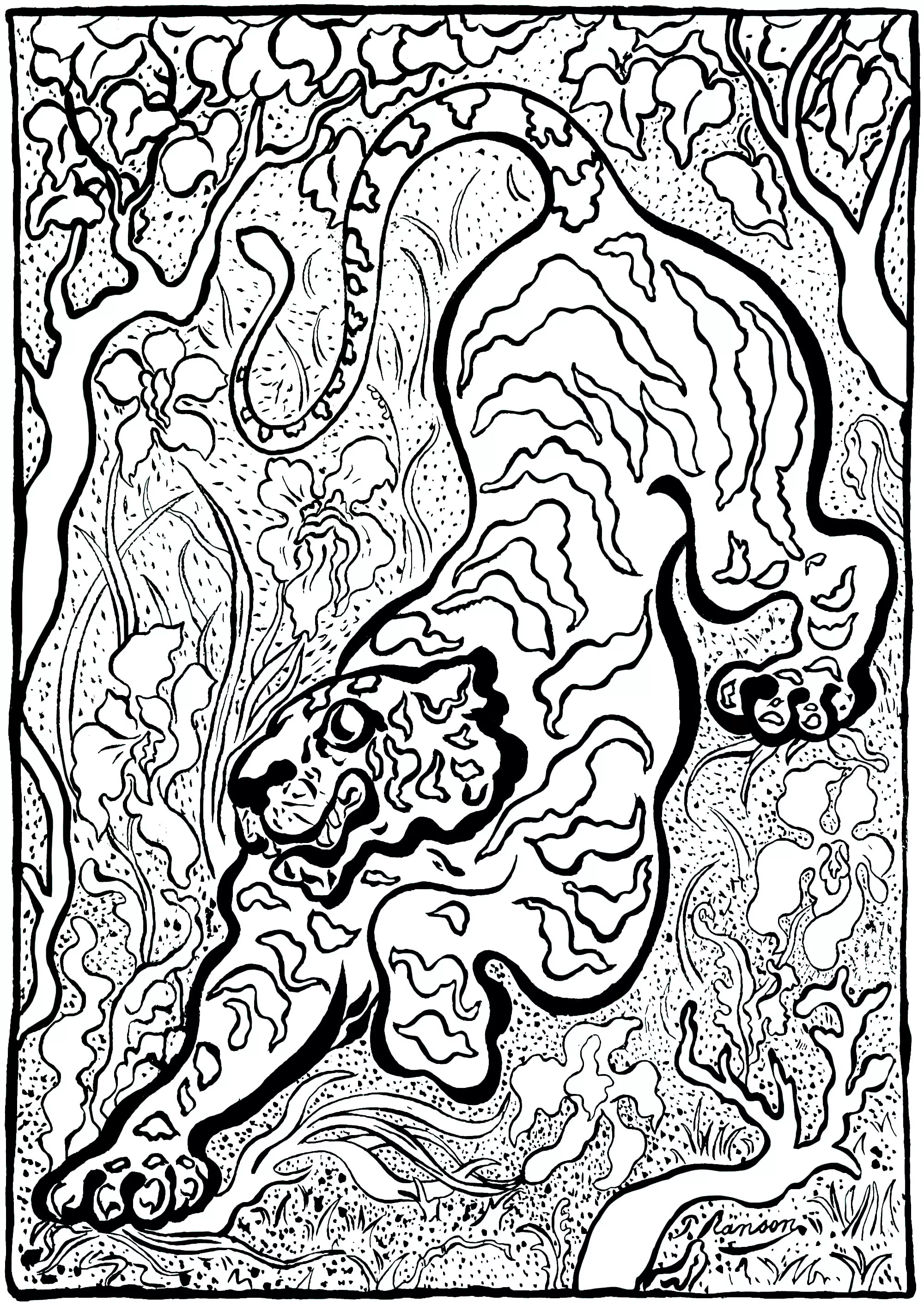
Shere Khan, the formidable Bengal tiger in Rudyard Kipling’s The Jungle Book, stands as one of literature's most enduring antagonists, embodying both the raw majesty of nature and the persistent friction between human civilization and the wild. As the primary threat to Mowgli, the man-cub, this apex predator shapes the narrative tension, driving themes of survival, identity, and the intricate laws governing the animal kingdom. Understanding this iconic big cat requires examining Kipling’s original text, the historical realities of Indian wildlife during the late 19th century, and how subsequent film and television adaptations transformed the character for modern audiences.
Literary Origins and Character Conception in Kipling’s Work
Rudyard Kipling published The Jungle Book in 1894, drawing heavily on his childhood experiences in India and traditional folklore. In the stories, Shere Khan is introduced not merely as a mindless beast, but as an antagonist with a distinct backstory and specific motivations. Born with a crippled leg—a detail often emphasized across adaptations—he earned the derisive nickname "Lungri" (the Lame One) from his mother. This physical imperfection sets him apart from other predators and fuels a deep-seated resentment toward humanity, particularly because a botched hunt involving human campfires caused his lameness.
Kipling structured the jungle as a society governed by strict laws, known collectively as the Law of the Jungle. Shere Khan operates outside these ethical boundaries, consistently demonstrating contempt for the peace of the jungle and the authority of Akela, the leader of the Seeonee wolf pack. His primary grievances against Mowgli stem from his belief that man-cubs belong to human villages rather than the wild, though his hunger for human flesh also motivates his relentless pursuit.
The relationship between Shere Khan and his sycophantic companion, Tabaqui the golden jackal, further illuminates his character. While Tabaqui feeds on scraps and flatters the tiger, he also instigates trouble among the jungle inhabitants. Through Shere Khan, Kipling explored complex themes of disability, pride, and the destructive nature of vengeance, creating an antagonist who views himself as the rightful king of the jungle while acting against its communal harmony.
Historical Context of Bengal Tigers in 19th-Century India
When Kipling wrote The Jungle Book, the Bengal tiger (Panthera tigris tigris) occupied a vastly different ecological and cultural space in the Indian subcontinent than it does today. During the British Raj, tiger populations were immense, numbering in the tens of thousands. However, they were also subject to intensive hunting by both colonial officers and local rulers, who viewed them simultaneously as dangerous pests threatening livestock and as prestigious trophies of the hunt.
Kipling’s portrayal of Shere Khan reflects contemporary human-wildlife dynamics. The fear of man-eaters was a tangible reality for rural communities living near forested areas like the Seoni region of Madhya Pradesh, which serves as the setting for Mowgli's adventures. Tigers that grew old, injured, or desperate due to habitat encroachment frequently turned to livestock and humans for easy prey. Shere Khan’s lameness directly mirrors this ecological truth: injured or disabled tigers are significantly more likely to become habitual man-eaters because they cannot successfully hunt faster, wild prey such as chital or sambar deer.
Furthermore, the enmity between Shere Khan and the human village reflects the historical friction of territorial expansion. As agrarian societies cleared forests for agriculture, interactions between humans and apex predators escalated. Kipling captured this tension by making the tiger a symbol of untamable wildness that inevitably clashes with the organized expansion of human civilization, represented by the buffalo herds, fire, and hunting rifles.

Evolution of Shere Khan Across Major Adaptations
Over the past century, the tiger in The Jungle Book has transitioned from a purely literary creation into a cinematic icon. Each major adaptation of Kipling’s work has reinterpreted Shere Khan to match the technological capabilities and cultural sensibilities of its era.
Walt Disney’s 1967 Animated Masterpiece
The 1967 animated film directed by Wolfgang Reitherman presented a vastly different Shere Khan compared to the novel. Voiced with aristocratic menace by George Sanders and animated with fluid, sophisticated movements by legendary Disney animator Milt Kahl, this version of the tiger eschewed overt brutality in favor of cool, chilling sophistication.
| Adaptation | Voice / Portrayal Style | Key Characteristics | Relationship to Mowgli |
|---|---|---|---|
| 1967 Animated Film | George Sanders (Aristocratic, calm) | Sophisticated, sarcastic, terrified of fire | Sees Mowgli as an affront; toys with him calmly |
| 1994 Live-Action Film | Real tigers (Trained animals) | Realistic predator, majestic, territorial | Competes for dominance and territory in the jungle |
| 2016 Jon Favreau Film | Idris Elba (Intimidating, scarred) | Brutal, vindictive, deeply scarred by human fire | Views Mowgli as a direct, existential threat to the pack |
In the animated classic, Shere Khan speaks with refined diction and exhibits a calm demeanor, making his violent outbursts all the more striking. Unlike his literary counterpart who fears little, the Disney version harbors a pronounced, phobic fear of fire—a plot point that forms the climax of the film when Mowgli ties a burning branch to the tiger's tail, driving him away in panic.
Modern Live-Action Interpretations
Subsequent live-action adaptations moved away from the urbane villainy of the 1967 version, returning to a more primal, menacing portrayal of the predator.
- The Jungle Book (1994): Directed by Stephen Sommers, this version utilized trained live tigers (primarily a Bengal tiger named Shannon) to portray Shere Khan. The film focused on adventure and romance, casting the tiger as a dangerous natural force protecting its territory from human intrusion.
- The Jungle Book (2016): Directed by Jon Favreau, this CGI-heavy blockbuster featured Idris Elba as the voice of Shere Khan. This iteration is profoundly scarred, both physically and psychologically, by the "Red Flower" (fire). Elba’s performance emphasized cold rage and unforgiving malice, positioning Shere Khan not just as a territorial animal, but as a tyrant who uses fear to dominate the Seeonee wolf pack after Akela’s death.
- Mowgli: Legend of the Jungle (2018): Directed by Andy Serkis and featuring Benedict Cumberbatch via performance capture, this adaptation offered a darker, grittier exploration of Kipling’s universe. Cumberbatch’s Shere Khan was physically twisted, emphasizing his lameness and his deep-seated hatred for humanity's capacity to alter the natural world.
Symbolism and Ecological Themes
Beyond his role as a narrative foil, the tiger in The Jungle Book functions as a multi-layered symbol. On a thematic level, Shere Khan represents the destructive ego. His refusal to submit to the Law of the Jungle—which exists to maintain balance and prevent the reckless depletion of prey—mirrors human hubris. He believes his strength exempts him from communal harmony, a hubris that ultimately leads to his downfall when the wolf pack, the jungle animals, and Mowgli unite against him.
Moreover, Shere Khan embodies the complex reality of apex predators in ecosystems. In modern conservation biology, tigers are recognized as umbrella and keystone species. Protecting tigers ensures the preservation of vast tracts of forest and countless other species beneath their ecological umbrella. Ironically, while Shere Khan is hunted down in the narrative for threatening human settlements, contemporary narratives surrounding the character often spark broader discussions about wildlife conservation, habitat loss, and the ethical imperative to protect endangered Bengal tigers in the wild.
Frequently Asked Questions
Why does Shere Khan hate Mowgli in The Jungle Book?
Shere Khan hates Mowgli primarily because the boy is human. In the original book and adaptations, the tiger holds a deep-seated grudge against all humans due to an injury he sustained from a human campfire (the "Red Flower") which left him lame. Furthermore, he views the introduction of a man-cub into the Seeonee wolf pack as a violation of the Law of the Jungle and a direct threat to his dominance.
What is Shere Khan’s physical handicap?
In Rudyard Kipling's original stories, Shere Khan was born with a crippled leg, earning him the nickname "Lungri" (the Lame One). This physical limitation prevents him from hunting swift, wild prey successfully, which historically drove him to hunt domestic livestock and eventually humans, cementing his reputation as a man-eater.
How does Shere Khan die in the story?
In Kipling’s original novel, Shere Khan meets his end through a coordinated plan devised by Mowgli. Mowgli enlists the help of Rama, the leader of the village buffalo herd, and splits the herd to stampede them from opposite ends of a ravine. The trapped and encumbered tiger is trampled to death by the stampeding buffaloes, after which Mowgli fulfills his promise by skinning the tiger and spreading his hide across the Council Rock.
Is Shere Khan a Bengal tiger?
Yes. Given that the setting of The Jungle Book is the Seoni region of Madhya Pradesh in central India, Shere Khan is canonically a Bengal tiger (Panthera tigris tigris), the predominant subspecies inhabiting the Indian subcontinent.
What does the name "Shere Khan" mean?
The name is of Persian and Hindustani origin. "Sher" (or Shere) translates to "tiger" or "lion," while "Khan" is a title of nobility or chieftainship meaning "lord," "ruler," or "leader." Combined, the name roughly translates to "Tiger Lord" or "King Tiger," reflecting his arrogant belief in his own supreme authority over the jungle.
Conclusion and Next Actions
The enduring legacy of the tiger in The Jungle Book lies in his dual nature as both a magnificent creature of the Indian wilderness and a timeless literary villain. Whether experienced through Kipling's original prose, Disney's animated classic, or modern CGI spectacles, Shere Khan challenges audiences to reflect on the boundaries between civilization and the wild. For readers and viewers looking to deepen their appreciation, returning to Kipling's unabridged text offers unmatched insight into the philosophical underpinnings of the jungle, while supporting modern global initiatives focused on Bengal tiger conservation ensures that these majestic predators endure safely in their natural habitats.
Image Gallery
Select an image to open it in a new tab.


Vivian Cho
Executive IT and Emerging Technologies Reporter
