Converting the Philippine Peso (PHP) to the United States Dollar (USD) involves navigating the fluctuations of the global foreign exchange market, understanding the role of authorized financial intermediaries, and recognizing how different transaction types—such as remittances, digital payments, and currency trading—impact the final value received. Whether you are an overseas worker, an online freelancer, or a business owner managing cross-border transactions, identifying the most efficient method for currency conversion is essential for preserving the value of your capital.
The Role of Market Rates and Bank Spreads
The foundation of any currency conversion is the exchange rate. It is critical to distinguish between the "mid-market rate" and the "retail rate." The mid-market rate is the midpoint between the buy and sell prices of two currencies on the global currency markets; it is the rate you see on financial news platforms or search engine calculators. However, this is rarely the rate individual consumers receive when performing a physical or digital conversion.
Financial institutions, including banks and money transfer operators, apply a "spread" or "margin" to the mid-market rate. This spread is how these entities generate revenue for facilitating the transaction, maintaining infrastructure, and managing the risk associated with currency volatility. Consequently, when you convert PHP to USD, you are effectively paying a premium represented by the difference between the mid-market rate and the rate quoted by your provider.
In 2026, the Philippine peso continues to operate under a floating exchange rate regime. This means the value of the peso against the dollar is determined by the demand and supply of both currencies in the market, influenced by factors such as the Bangko Sentral ng Pilipinas (BSP) monetary policy, trade balances, inflation rates, and the global strength of the USD.
Methods of Currency Conversion
Different channels for converting Philippine Pesos to US Dollars offer varying degrees of cost efficiency and speed. Choosing the right method depends on your specific volume of transaction and frequency.
- Commercial Banks: Banks remain the most traditional route. They provide security and a direct interface with your savings or checking accounts. However, bank conversion rates often include higher markups compared to fintech platforms. If you are a corporate client or a high-net-worth individual, you may be able to negotiate a more favorable "spot rate" if your transaction volume justifies it.
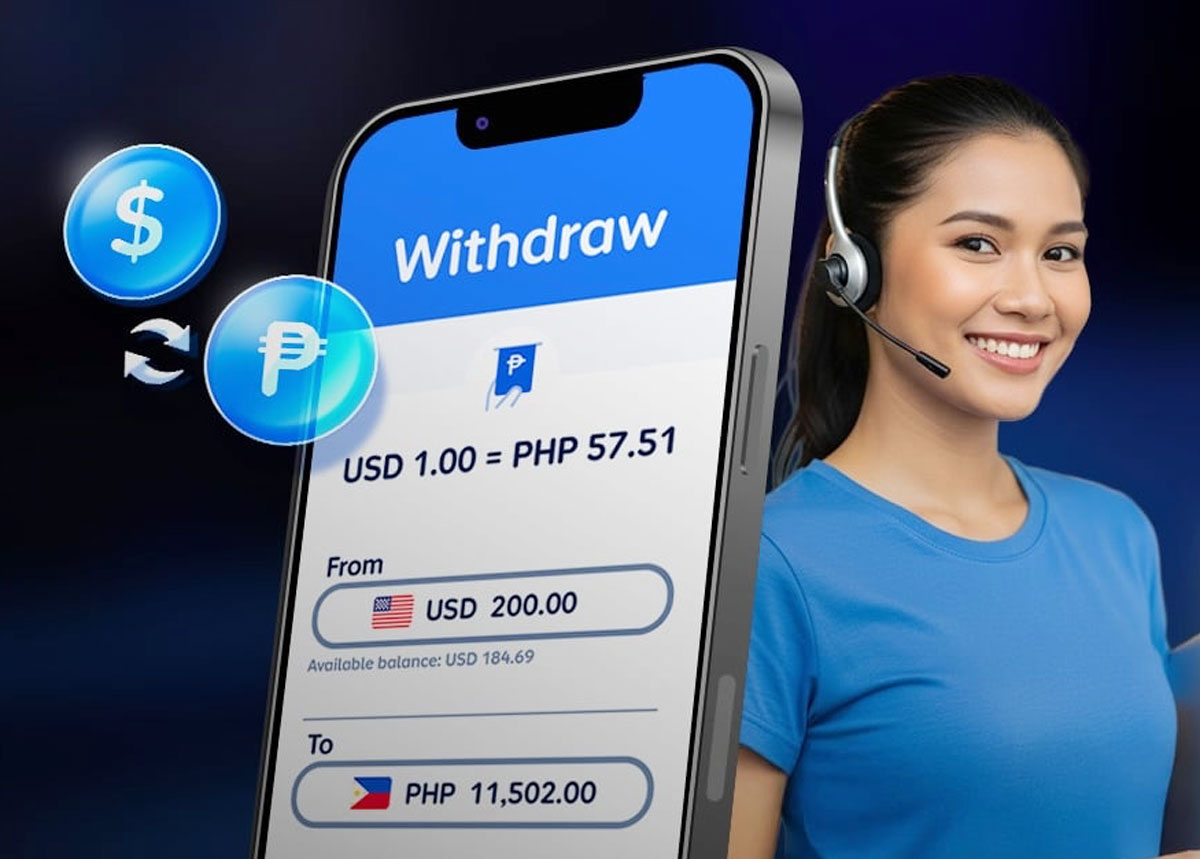
- Fintech and Digital Wallet Platforms: Over the last few years, digital-first financial services have gained significant market share by offering rates closer to the mid-market standard. These platforms typically use a transparent fee structure, separating the service fee from the currency spread, which allows users to perform a direct cost-benefit analysis.
- Money Changers and Remittance Centers: For physical cash, licensed money changers often offer competitive rates compared to major banks, particularly in high-traffic areas or business districts. However, users must ensure the entity is licensed by the BSP to avoid legal risks and counterfeit issues.
- Online Freelance Marketplaces: For Filipinos receiving payments from clients abroad, conversion often happens within the platform (e.g., Upwork, PayPal, or Payoneer). It is vital to note that these platforms frequently apply their own exchange rates, which may be significantly less favorable than transferring funds to a local bank account that supports multi-currency receiving.
Strategic Considerations for Exchanging Currency
To optimize your conversion, consider the timing of your transaction and the associated fees. Currency markets are dynamic; volatility can occur based on geopolitical events or significant economic reports from the United States Federal Reserve or the Philippine central bank.
- Batching Transactions: If you are an independent contractor, converting small amounts daily can lead to a compounding loss due to fixed transaction fees. Aggregating your earnings and performing a single, larger conversion can lower your effective transaction cost.
- Avoid Double Conversion: If you are using a digital wallet that allows multi-currency accounts, try to hold funds in their native currency if you anticipate needing them for future USD-denominated payments. Converting PHP to USD and then later converting a portion back to PHP to pay local expenses results in losing value twice through spreads.
- Understand the Regulatory Environment: The Bangko Sentral ng Pilipinas (BSP) sets guidelines regarding foreign exchange transactions. While most retail conversions are straightforward, moving large sums of money may require documentation regarding the source of funds to comply with Anti-Money Laundering (AML) regulations.
Comparative Overview of Conversion Channels
| Method | Typical Speed | Cost Efficiency | Documentation Needs |
|---|---|---|---|
| Commercial Banks | 1–3 Business Days | Low to Medium | High (KYC Requirements) |
| Digital Fintech Apps | Instant to 24 Hours | High | Moderate (ID Verification) |
| Licensed Money Changers | Immediate | Medium to High | Minimal (for small amounts) |
| Payment Processors | 2–5 Business Days | Low | High (Platform Terms) |
Troubleshooting Common Conversion Issues
If your conversion is taking longer than expected or the amount received differs significantly from your calculation, check the following variables:
- Processing Times: Banks and digital platforms often have "cut-off" times. Transfers initiated after business hours or during weekends may only be processed the next business day.
- Intermediary Fees: When sending money via SWIFT (Society for Worldwide Interbank Financial Telecommunication), intermediary banks involved in the chain may deduct fees, resulting in a lower final amount than the sender anticipated. Always confirm if your transfer method uses a "shared" or "beneficiary pays" fee structure.
- Market Volatility: A quote provided at 9:00 AM might not be guaranteed if the actual execution of the trade happens later in the day when market conditions have shifted. Always check if your provider offers a "locked-in" rate for a specific timeframe.
Frequently Asked Questions
1. Is it better to convert PHP to USD at the bank or a money changer? Generally, authorized money changers offer better rates for cash-to-cash transactions because they have lower overhead costs than traditional banking institutions. However, for large amounts or electronic transfers, banks provide greater security and audit trails, which are necessary for professional and legal compliance.
2. Why is the rate I see on Google different from the rate my bank offers? The rate on Google is the mid-market rate—a reference point. Banks and providers add a markup (the spread) to this rate to cover their operational costs and profit. The difference is the hidden cost of the service provided by the financial institution.
3. What is the most cost-effective way for freelancers to convert USD to PHP? Using a specialized multi-currency digital account is often more cost-effective than using traditional bank wire transfers. These platforms typically offer lower spreads. It is recommended to compare the "all-in" cost—which includes the exchange rate markup and any flat transfer fees—rather than just the exchange rate alone.
4. Can I hold US Dollars in a Philippine bank account? Yes, most major Philippine commercial banks offer USD-denominated savings accounts (often called "Dollar Accounts"). This allows you to receive and hold USD without immediate conversion to PHP, protecting you from having to convert at an unfavorable time.
5. Are there limits on how much I can convert? For personal retail transactions, limits are usually determined by the specific provider’s terms of service and your account verification level (KYC). For very large transactions, the BSP may require specific documentation to prove the legal origin of the funds.
Final Recommendation for Users
To ensure the best outcome when converting your funds, prioritize transparency over convenience. Before finalizing a transfer, calculate the total amount of USD you will receive after all fees and spreads are deducted. If you frequently handle USD, consider opening a dedicated USD-denominated bank account to manage your currency holdings more effectively, allowing you to convert to PHP only when the market conditions favor your needs or when you require immediate liquidity. Always ensure that any third-party platform you use for conversion is fully registered and compliant with current Philippine financial regulations to protect your assets.

Image Gallery
Select an image to open it in a new tab.



Vivian Cho
Executive IT and Emerging Technologies Reporter
