Meryl Streep’s Iconic Performance as Miranda Priestly in The Devil Wears Prada

Meryl Streep portrays Miranda Priestly, the powerful and intimidating editor-in-chief of Runway magazine, in the 2006 film The Devil Wears Prada. Her performance transformed a potentially one-dimensional antagonist into a nuanced study of female power, earning her an Academy Award nomination and cementing the character as a cultural touchstone in film history.
In the landscape of cinema, few performances have achieved the enduring relevance of Meryl Streep’s turn as Miranda Priestly. Released in 2006 and directed by David Frankel, The Devil Wears Prada was initially perceived as a light-hearted adaptation of Lauren Weisberger’s roman à clef. However, Streep’s meticulous approach to the role elevated the film from a standard workplace comedy to a sophisticated exploration of ambition, excellence, and the gendered double standards of corporate leadership. As we look back from 2026, two decades since the film’s debut, the character remains the definitive cinematic representation of the high-fashion industry and the sacrifices required to maintain a seat at the top.
The Architectural Construction of Miranda Priestly
When Meryl Streep signed on to play Miranda Priestly, she famously chose not to model the character on Anna Wintour, the Vogue editor rumored to be the inspiration for the original novel. Instead, Streep looked toward a variety of male leaders and public figures to craft a presence that was uniquely terrifying yet undeniably efficient.
The Power of the Quiet Voice
One of the most significant creative choices Streep made was the volume of Miranda’s voice. In the original script and the novel, Miranda was often depicted as a shouting, explosive presence. Streep, however, insisted on a whisper. She noted that she drew inspiration from Clint Eastwood, who never raised his voice but commanded every room he entered. This choice forced the characters around her—and the audience—to lean in, granting Miranda an inherent psychological advantage. If someone didn’t hear her, it was their failure, not hers.
Physicality and Aesthetic
The physical transformation was equally deliberate. Streep worked closely with legendary costume designer Patricia Field to create a look that was timeless rather than trendy. The decision to give Miranda a shock of white hair was a bold move that signaled both authority and a refusal to adhere to traditional standards of "youthful" beauty in fashion. Every movement, from the way she discarded her coat onto Andy Sachs’s desk to the precise flick of a page in the "Book," was choreographed to convey a woman who considered time her most precious resource.
The "Cerulean" Monologue: A Masterclass in Industry Logic
Perhaps the most famous scene in the film is Miranda’s spontaneous lecture on the color cerulean. This sequence serves as the intellectual backbone of the movie, shifting the narrative from a girl-versus-mean-boss story to a defense of professional expertise.
When Andy (Anne Hathaway) scoffs at the "stuff" of fashion, Miranda delivers a surgical breakdown of how a specific shade of blue traveled from a high-fashion runway to a bargain bin, eventually landing on Andy’s back. Streep delivers this monologue with a chilling detachment, highlighting the invisible labor and economic machinery behind the fashion industry. This scene is often cited in film schools and business seminars as a perfect example of "trickle-down" aesthetics and the importance of understanding the ecosystem in which one works.

Analyzing the 20th Anniversary Legacy (2006–2026)
As of 2026, The Devil Wears Prada has undergone a significant critical re-evaluation. While early viewers often saw Miranda as a villain, modern audiences frequently view her through a lens of professional rigor. In an era where the conversation around "girlboss" culture has risen and fallen, Miranda Priestly stands as a more complex figure: a woman who is "difficult" because she demands the same excellence from others that she demands of herself.
The Gendered Double Standard
The film explicitly addresses the fact that if Miranda were a man, her behavior would likely be described as "decisive" or "focused." Streep’s performance highlights the domestic costs of this ambition. The brief, vulnerable scene where Miranda discusses her impending divorce remains one of the few moments where the "Dragon Lady" mask slips, providing a glimpse into the isolation that accompanies her level of success.
Impact on the Careers of Hathaway and Blunt
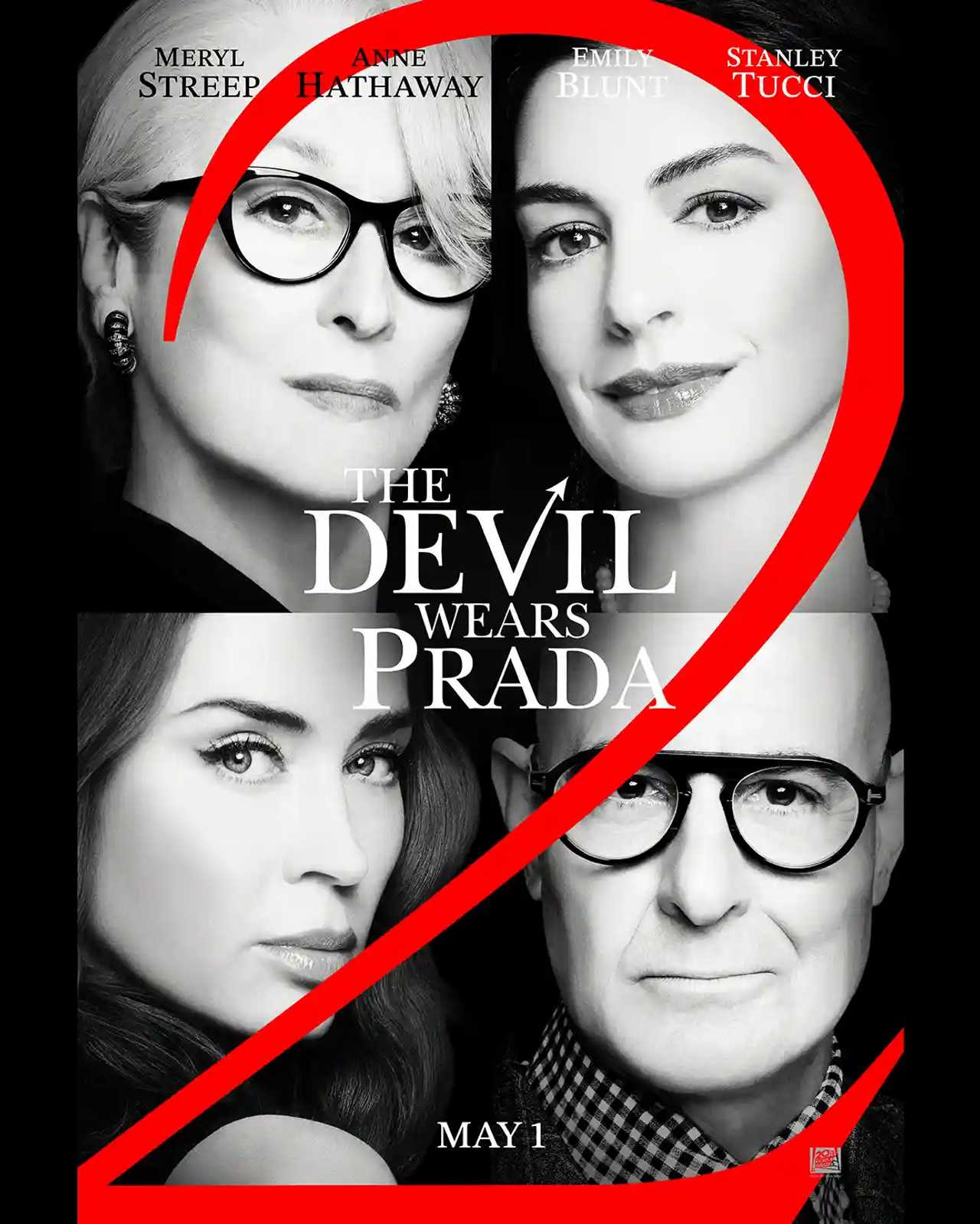
While Streep was the veteran star, her presence elevated her younger co-stars. Anne Hathaway’s transition from "princess" roles to serious adult actress was solidified here, and Emily Blunt’s breakout performance as the high-strung assistant Emily Charlton launched her into international stardom. The chemistry between the three women—built on a foundation of Streep’s "method" distance during filming—created a believable, high-pressure environment that still feels authentic today.
Technical Comparison: Novel vs. Film Portrayal
The adaptation process drastically changed how the audience perceives the character of Miranda. The table below outlines the key differences between the source material and Meryl Streep's cinematic interpretation.
| Feature | Lauren Weisberger’s Novel | David Frankel’s Film (Meryl Streep) |
|---|---|---|
| Temperament | Frequently shouting, overtly cruel. | Controlled, whispering, psychologically dominant. |
| Motivation | Often portrayed as petty or spiteful. | Driven by an obsession with excellence and legacy. |
| Vulnerability | Little to no internal depth shown. | Brief glimpses of loneliness and personal sacrifice. |
| Intellect | Focuses on status and social climbing. | Demonstrates profound knowledge of industry history. |
| Relationship with Andy | Purely antagonistic until the end. | A complex mentorship built on reluctant respect. |
The Production Context and Negotiating Power
Meryl Streep’s involvement in the film was not just an acting milestone but a business one. Upon being offered an initial salary that she felt was "insulting," Streep famously walked away from the project. The producers, realizing that the film could not succeed without an actor of her caliber, doubled the offer.
This negotiation mirrored the themes of the film itself—knowing one’s worth and refusing to settle for less. Streep also had significant input on the script, insisting that Miranda be given a "human" moment (the aforementioned divorce scene) to ensure the character wasn't a caricature. These interventions transformed the film from a disposable comedy into a lasting piece of cinema.
Cultural Influence and the "Miranda Priestly" Archetype
In the two decades since the film's release, "Miranda Priestly" has become shorthand for a certain type of demanding, high-status leader. The film’s dialogue—"That’s all," "Please bore someone else with your questions," and "Everybody wants this"—has permeated the lexicon of social media and office culture.
By 2026, the film’s influence on the fashion industry itself is undeniable. Real-world editors and designers often reference the film when discussing the public's perception of their work. While the "Devil" in the title suggests a cautionary tale, Streep’s performance ensured that many young professionals saw not a warning, but a blueprint for taking one's career seriously.
Frequently Asked Questions
Did Meryl Streep win an Oscar for The Devil Wears Prada?
Meryl Streep was nominated for the Academy Award for Best Actress for her role as Miranda Priestly at the 79th Academy Awards in 2007. While she did not win the Oscar (it went to Helen Mirren for The Queen), she did win the Golden Globe for Best Actress in a Motion Picture – Comedy or Musical for the role. Her nomination was significant as it was a rare instance of a performance in a "commercial" comedy receiving top-tier awards recognition.
Who was the inspiration for Miranda Priestly?
While the character in the novel was widely believed to be based on Vogue editor-in-chief Anna Wintour (for whom author Lauren Weisberger once worked as an assistant), Meryl Streep deliberately avoided imitating Wintour. Instead, she combined the mannerisms of several powerful men, including Clint Eastwood and Mike Nichols, to create a unique persona that transcended a simple parody of a specific fashion figure.
How did Meryl Streep prepare for the role?
Streep utilized a form of light "method acting" on set, maintaining a cold distance from Anne Hathaway and Emily Blunt during the production to ensure the on-screen tension felt authentic. She also spent a significant amount of time studying the history of fashion and working with the editorial consultants to understand the daily pressures of running a major publication.
What is the most famous quote from the movie?
The most enduring quote is "That’s all," which Miranda uses to dismiss her subordinates. However, the "Cerulean speech" is the most critically acclaimed piece of dialogue in the film, providing a detailed look at the character's expertise and the gravity she assigns to her industry.
Is there a sequel to The Devil Wears Prada?
As of 2026, there has been no official cinematic sequel to the 2006 film, although Lauren Weisberger wrote a sequel novel titled Revenge Wears Prada: The Devil Returns in 2013. There have been various stage musical adaptations, most notably a production featuring music by Elton John, which has kept the story alive in the public consciousness beyond the original film.
The Enduring Significance of Streep’s Miranda
To understand why Meryl Streep’s role in The Devil Wears Prada remains relevant in 2026, one must look at the precision of her craft. She did not play a villain; she played a professional in a world that rarely rewards women for the level of uncompromising dedication required to stay at the top.
Miranda Priestly is a character defined by her standards. In an era where "excellence" is often traded for "accessibility," Streep’s portrayal reminds the audience that greatness is often uncomfortable. The film concludes not with Miranda’s downfall, but with her continued reign—a testament to the fact that while bosses come and go, icons are irreplaceable. For anyone studying film, fashion, or the mechanics of power, Streep’s performance remains the gold standard of character acting.
Next Action: For a deeper understanding of the film's production, consider researching the costume design of Patricia Field or exploring the original 2003 novel by Lauren Weisberger to compare the tonal differences in character development.
Image Gallery
Select an image to open it in a new tab.


Akira Tanaka
International Academic Trends Correspondent
