Understanding the ITT Technical Institute Class Action Lawsuit and Borrower Defense Processes

For students who attended ITT Technical Institute, the closure of the institution in 2016 initiated a series of legal actions and federal relief programs designed to address widespread allegations of predatory lending and deceptive recruitment practices. The primary resolution pathway for affected individuals is the Department of Education’s Borrower Defense to Repayment discharge program, rather than an active, ongoing class action lawsuit.
Historical Context of the ITT Technical Institute Closure
The collapse of ITT Technical Institute in September 2016 represented a watershed moment in the landscape of for-profit higher education in the United States. Following years of regulatory scrutiny, the U.S. Department of Education took unprecedented steps to cut off the institution's access to federal student aid programs. This action was prompted by the school's failure to meet accreditation standards and growing concerns regarding the financial stability of the parent company, ITT Educational Services, Inc.
The subsequent cessation of operations left thousands of students with incomplete degrees, substantial federal and private student loan debt, and few viable pathways to academic transfer. In the wake of this collapse, numerous state attorneys general, alongside federal regulators, initiated investigations into the school's business practices. These investigations focused on the systemic misrepresentation of job placement rates, the quality of educational programs, and the specific terms of "private" loan products marketed to students directly by the institution.
Legal Actions and Settlement Structures
It is vital for former students to distinguish between various types of legal actions that have occurred since 2016. There was no single, universal class action lawsuit that provided an automatic blanket discharge for all former students. Instead, there were several distinct legal developments:
- State-Level Investigations: Several state attorneys general reached settlements with ITT Educational Services, Inc. or the entities that acquired its assets. These settlements often involved the forgiveness of private, institution-originated debt (often referred to as "Temporary Credit" or "PEAKS" loans) rather than federal student loans.
- The Sweet v. Cardona Settlement: This landmark class action settlement, finalized in 2023, significantly impacted the timeline and approval process for Borrower Defense to Repayment claims. While it was not exclusive to ITT Tech students, those who attended ITT Tech and had submitted claims prior to specific dates benefited from the adjudication framework established by this litigation.
- Department of Education Discharges: Recognizing the systemic nature of the misrepresentations made by ITT Technical Institute, the federal government initiated massive group discharges. Unlike a private lawsuit where plaintiffs receive a payout from a settlement fund, this process involves the direct cancellation of federal loan balances by the Department of Education.
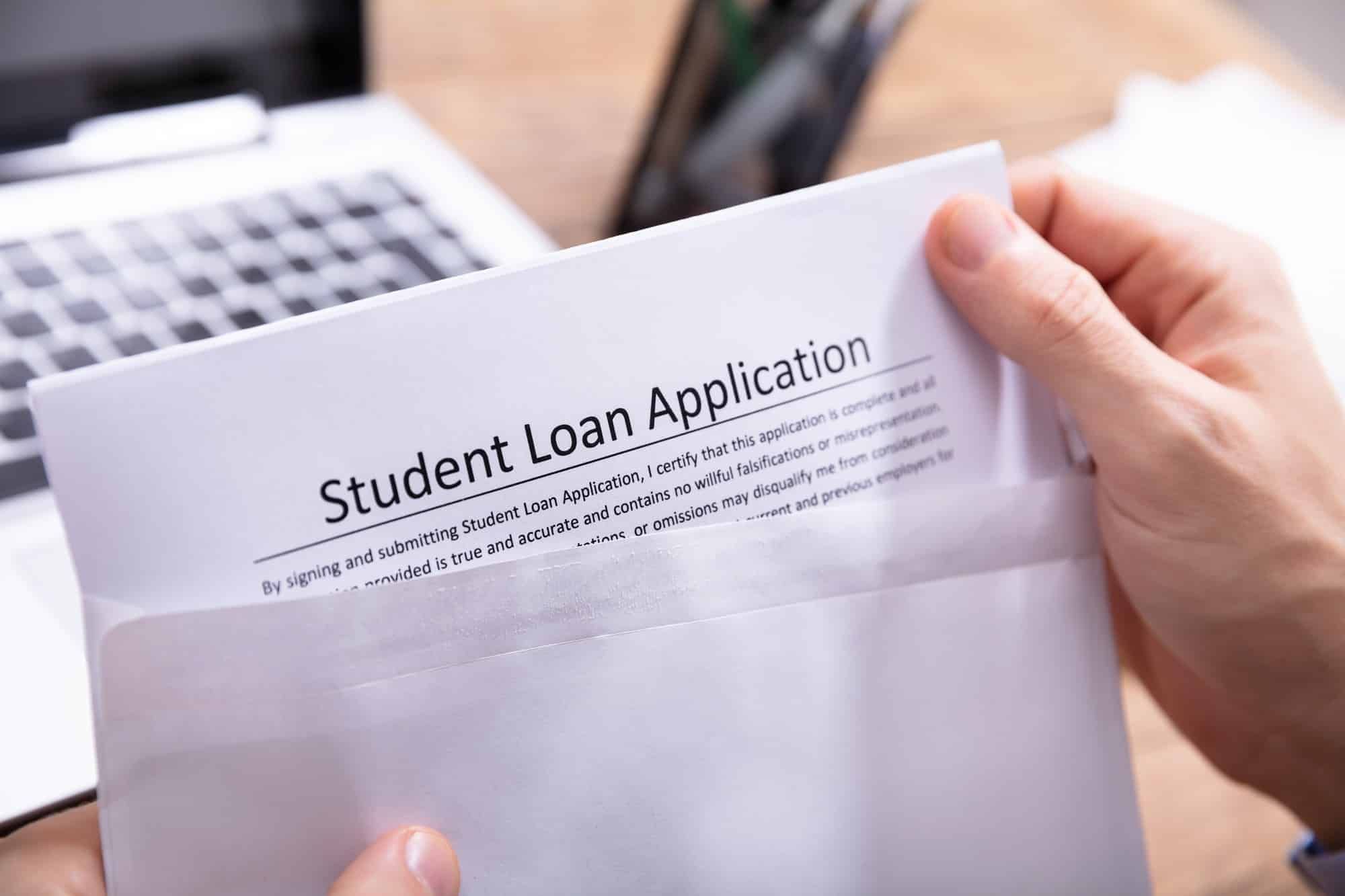
Borrower Defense to Repayment: The Primary Relief Mechanism
The most effective route for former ITT Technical Institute students to address their federal student loan debt remains the Borrower Defense to Repayment (BDTR) program. Under federal law, students may be eligible for loan forgiveness if they can demonstrate that their school engaged in actions that violated state or federal law directly related to their enrollment or the educational services provided.
Eligibility and Documentation
To qualify for a discharge based on the closure of ITT Technical Institute, borrowers must prove they were misled. Fortunately, because the Department of Education has already made findings regarding the deceptive practices at ITT Tech, the burden of proof for individual applicants is significantly lower than for other institutions.
Required information typically includes:
- Full name, Social Security number, and contact information.
- The exact dates of enrollment at the ITT Tech campus.
- The program of study pursued.
- Documentation of the specific misrepresentations experienced, such as job placement brochures, enrollment agreements, or emails from admissions representatives.
The Application Process
The process is handled entirely through the U.S. Department of Education’s official Federal Student Aid (FSA) portal. Borrowers should never pay a third-party company to submit these applications; the service provided by the government is free of charge. Applicants should be wary of any organization that claims to have "special access" to expedite a loan discharge, as these are frequently predatory operations targeting vulnerable borrowers.
Addressing Private Loans (PEAKS and Others)
Many students were encouraged by ITT representatives to take out private loans to bridge the "gap" between federal aid and the high cost of tuition. These loans—often branded as "PEAKS" or "CPL" loans—are not federal student loans and are not eligible for the federal Borrower Defense discharge.
However, many of these loans were the subject of multi-state settlements. In some instances, the debt collectors holding these loans were required to cease collection efforts or discharge the balances due to the illegal lending practices involved. If you believe you are still being harassed for a private loan related to your time at ITT, you should contact your state’s Office of the Attorney General to see if the debt falls under the jurisdiction of a previous consumer protection settlement.
Comparison of Relief Pathways
The following table summarizes the different mechanisms available to former ITT Technical Institute students for managing their remaining debt and financial legacy.
| Relief Type | Target Debt | Eligibility Basis | Administration |
|---|---|---|---|
| Borrower Defense | Federal Loans | Systemic deception/Fraud | U.S. Dept. of Ed |
| Closed School Discharge | Federal Loans | Withdrawing near school closure | U.S. Dept. of Ed |
| State Settlements | Private Loans | Predatory lending violations | State AGs |
| Public Service Loan Forgiveness (PSLF) | Federal Loans | Employment in non-profit/Gov | U.S. Dept. of Ed |
Potential Pitfalls and Avoiding Scams
Because of the high volume of students affected by the ITT collapse, the topic remains a major target for debt relief scams. Scammers often use sophisticated language, claiming to be affiliated with the "Department of Justice" or "Federal Loan Settlement Bureau" to instill urgency.
Key Indicators of a Scam:
- Requesting Fees: Any entity asking for an upfront fee or monthly processing fee to file your borrower defense claim is attempting to defraud you.
- Requesting FSA Credentials: Legitimate government agencies will not ask for your Federal Student Aid ID password or multi-factor authentication codes.
- Promises of Guaranteed Results: No one can legally guarantee a discharge approval, as every application undergoes a review process.
- High-Pressure Tactics: Using threatening language, such as stating that your wages will be garnished "today" if you do not pay a processing fee, is a hallmark of a criminal operation.
Next Steps for Former Students in 2026
If you attended ITT Technical Institute and have not yet addressed your federal student loan debt, the current year provides a clear path forward. First, log in to your account at the official Federal Student Aid website. Check your dashboard to see if your loans have already been discharged. In many cases, the Department of Education has performed automated discharges for cohorts of students based on their enrollment periods.
If your loans are still showing as active, review the current guidance on the official Borrower Defense portal. Ensure your contact information is updated so that any correspondence from the Department of Education regarding your account reaches you promptly. If you are dealing with private, institution-related debt, consult the website of your state’s Attorney General to view a list of consumer protection settlements that may apply to your specific loan provider.
By focusing on these official government channels, you ensure that your information remains secure and that you are pursuing the most effective legal remedy available for the financial impact of the institution's closure.
Frequently Asked Questions
Is there an active lawsuit that I need to join to get my money back?
There is no active "opt-in" class action lawsuit that requires you to pay to join or sign up through a private law firm to receive relief. Most relief is currently being managed through the Department of Education’s administrative processes. If you are contacted by a law firm asking for a fee to join a "class action," exercise extreme caution.
What happens if I already paid off my ITT Tech student loans?
Generally, if you have already paid your loans in full, you are not eligible for a discharge of those funds. Borrower Defense is designed to provide relief for outstanding balances. However, if you believe you were defrauded and suffered financial harm, you may wish to consult with a consumer protection attorney to see if any other individual claims are viable in your jurisdiction.
Can I get a refund for tuition I paid out of pocket?
The federal Borrower Defense process is primarily focused on the discharge of federal loan debt. Recovering tuition paid out-of-pocket through cash or private savings is significantly more difficult and typically requires pursuing claims through bankruptcy courts or specific state-level litigation settlements, if they exist for your specific campus or loan type.
How do I verify if my loan has already been discharged?
You can verify your loan status by logging into the Federal Student Aid website. Navigate to the "My Aid" section, where you can view your current loan balances and loan servicers. Discharged loans will typically be reflected as a $0 balance or be removed from your active loan history entirely.
Will applying for a discharge affect my credit score?
Applying for a Borrower Defense discharge does not inherently damage your credit score. During the period while your application is pending, your federal loans are typically placed into "administrative forbearance," which pauses required payments and prevents the loans from being reported as delinquent during the review process.
Image Gallery
Select an image to open it in a new tab.


Mateo Castillo
Decentralized Finance and E-Payments Strategist
