The Evolution of 1st Street: The Historical and Cultural Core of Downtown Las Vegas

1st Street in Downtown Las Vegas (DTLV) serves as the primary bridge between the city’s historic gaming roots and its modern identity as a civic and cultural hub. Historically the backbone of the legal district, it has evolved into a corridor defined by mid-century architecture, public art installations, and boutique cinematic experiences.
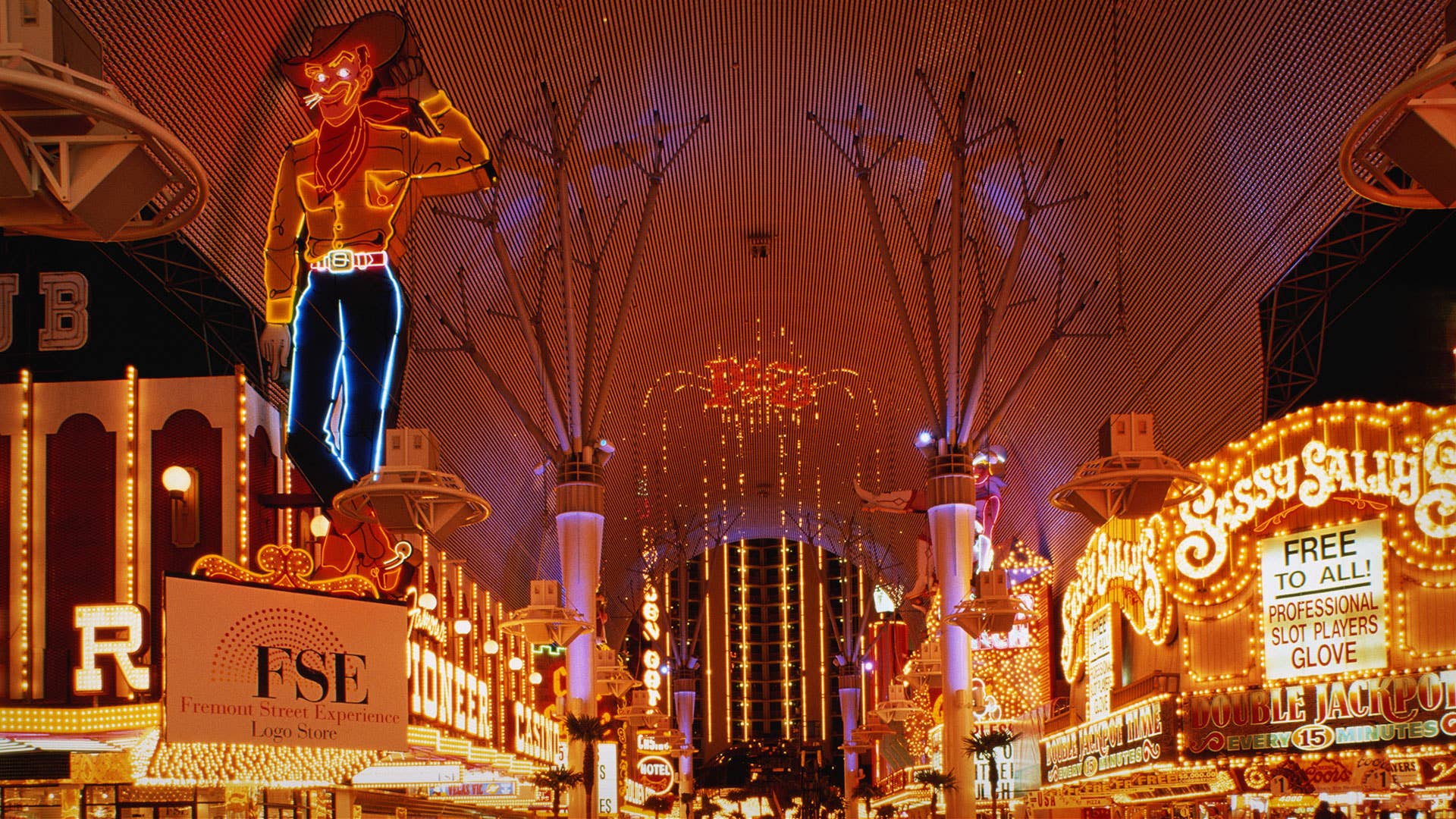
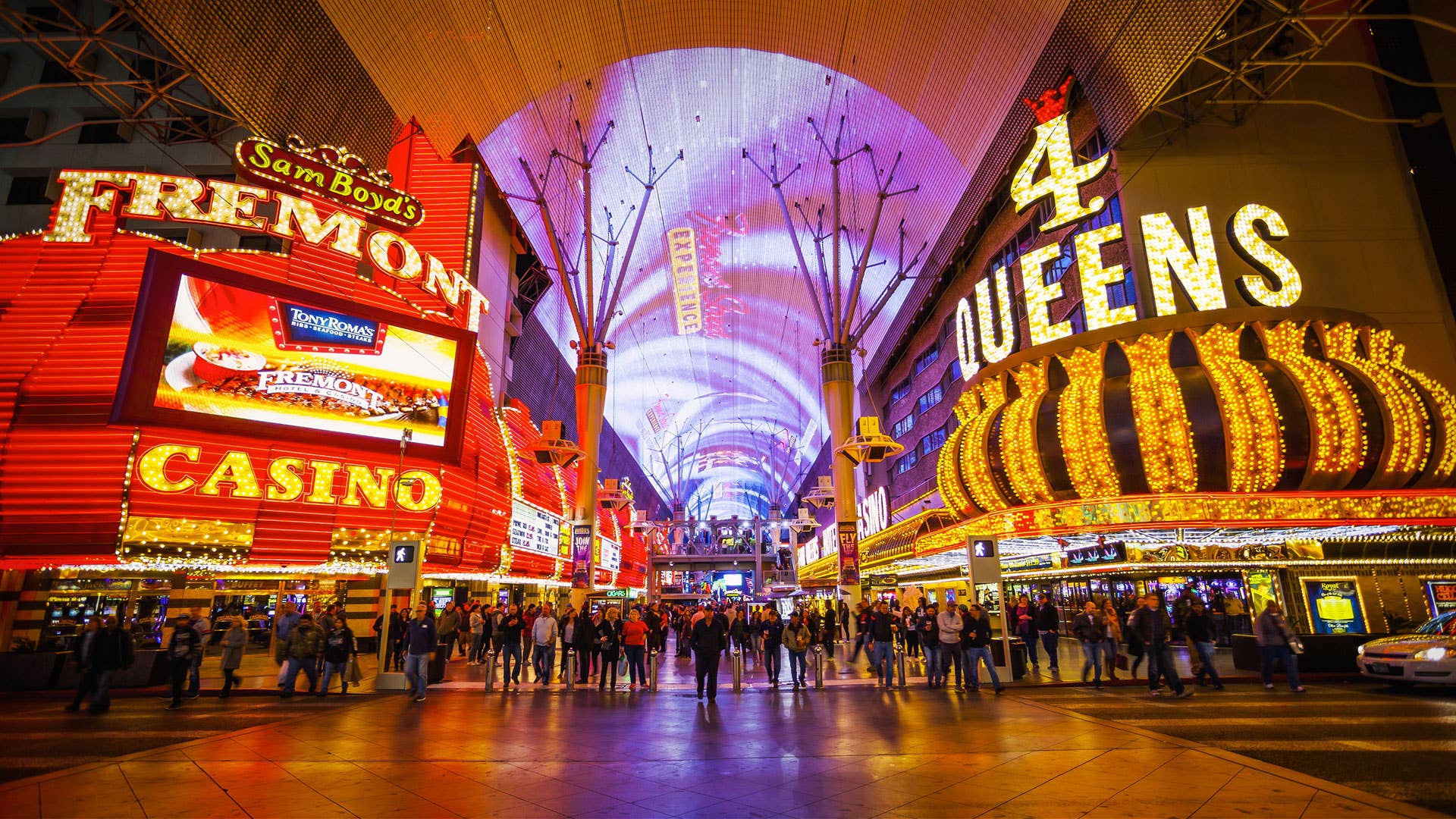
The character of 1st Street is a study in contrasts. While the adjacent Fremont Street thrives on high-energy neon and massive tourist crowds, 1st Street offers a more measured, professional, and increasingly artistic atmosphere. As of 2026, it stands as a testament to the City of Las Vegas’s successful efforts to diversify the downtown economy beyond the casino floor, fostering an environment where law, art, and urban living intersect. To understand the current state of 1st Street, one must examine its transition from a quiet residential grid in 1905 to the sophisticated urban artery it represents today.
The Foundations: The 1905 Townsite and Early Development
The history of 1st Street begins with the very birth of Las Vegas. On May 15, 1905, the San Pedro, Los Angeles & Salt Lake Railroad auctioned off approximately 1,200 lots in what is now the downtown core. 1st Street was part of this original grid, situated just one block east of Main Street, which served as the city’s primary industrial and transit link to the railroad tracks.
In these early years, 1st Street was not the commercial powerhouse that Fremont Street became. Instead, it served as a transition zone. The blocks closest to Fremont were occupied by early hotels and businesses, while the southern stretches of 1st Street toward Bridger and Carson Avenues were largely residential. These early homes housed the railroad workers and small business owners who built the city’s initial infrastructure.
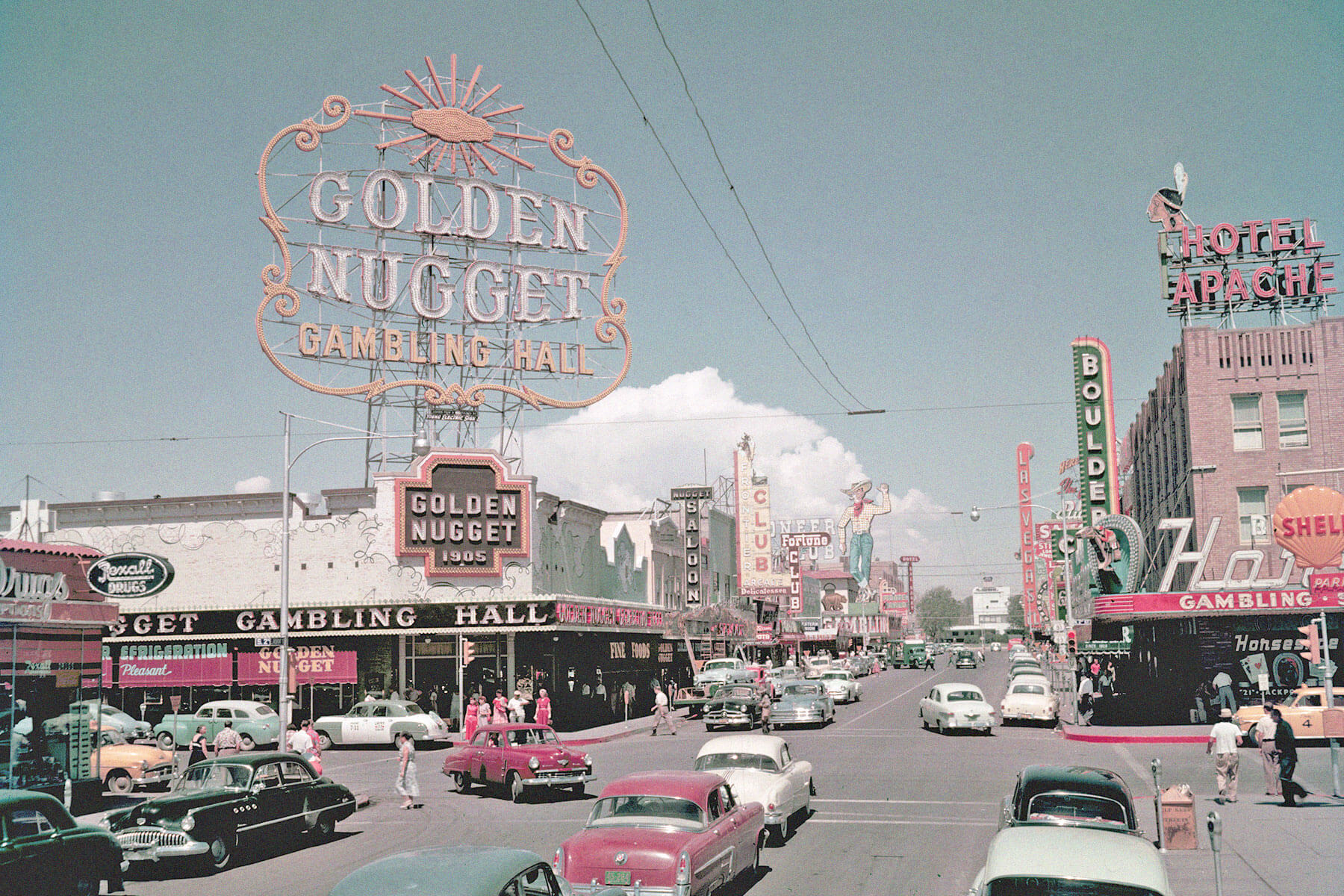
The character of the street began to shift significantly in the post-Prohibition era. As Las Vegas legalized gambling in 1931 and began to market itself as a desert oasis, 1st Street became a support corridor for the burgeoning "Glitter Gulch." While the casinos faced Fremont, their "back-of-house" operations, employee entrances, and smaller boarding houses often spilled onto 1st Street, creating a distinct "behind-the-scenes" vibe that persisted for decades.
1st Street as the Civic and Legal Hub
By the mid-20th century, 1st Street began to shed its residential skin to become the administrative heart of Southern Nevada. The proximity to the city’s central business district made it the logical home for the legal profession. This transformation was solidified by the construction and expansion of major civic institutions within a two-block radius.
The presence of the Clark County Justice Center and the Lloyd D. George Federal Courthouse (located on Las Vegas Blvd but exerting massive influence on 1st Street) turned the corridor into "Lawyer’s Row." For decades, the primary foot traffic on 1st Street consisted of attorneys, jurors, and city officials. This gave the street a more buttoned-down, formal character compared to the surrounding entertainment districts.
The Impact of Civic Architecture
The architecture along 1st Street reflects this civic focus. Unlike the flamboyant "Googie" or neon-heavy styles found elsewhere in DTLV, 1st Street features more subdued, functionalist, and Brutalist influences. The buildings here were designed for stability and permanence. This architectural sobriety provided a necessary anchor for a city often criticized for its ephemeral, "knock-it-down-and-rebuild" culture.
As we look at the street in 2026, many of these older legal offices have been repurposed or modernized. However, the "Legal District" identity remains a core component of 1st Street’s character, ensuring that the area remains active during business hours and maintains a professional demographic that supports local lunch spots and coffee shops.
The Cultural Pivot: The First Street Art Trail
One of the most significant shifts in the street's history occurred in the early 21st century with the city’s commitment to the First Street Art Trail. This urban planning initiative was designed to create a walkable, aesthetically pleasing link between the Fremont Street Experience and the burgeoning Las Vegas Arts District (18b) to the south.
The Art Trail fundamentally changed the visual language of 1st Street. It introduced a series of permanent public art installations that replaced mundane sidewalk views with world-class sculptures and lighting. Notable features along this trail include:
- The Paintbrush by Stephen Hendee: High-tech, illuminated sculptures that act as wayfinding markers.
- Ariel by David Hickman: A kinetic sculpture that moves with the desert wind, located near the corner of 1st and Bridger.
- The "Luminous" Light Towers: These structures provide safety and ambiance, turning the street into a gallery after sunset.
This transition from a purely functional legal corridor to a "cultural connector" was essential for the revitalized Downtown Las Vegas. It invited tourists to venture a block off the main path and encouraged residents of new high-rise developments, like the Ogden or Juhl, to explore their neighborhood on foot.
Cinema and Social Evolution: The Role of Art Houz
For years, the corner of 1st and Bonneville was a quiet spot. That changed with the opening of high-end cinematic venues, most notably the transition of the former Eclipse Theaters into the current Art Houz Theaters. This development marked 1st Street’s entry into the luxury "lifestyle" market.
Before this, downtown lacked a dedicated, modern cinema experience. The arrival of a theater that combined first-run films with gourmet dining and a cocktail lounge provided a crucial "anchor" for 1st Street’s nightlife. It shifted the character of the street from a place where people worked to a place where people stayed.
In 2026, Art Houz and its surrounding plaza serve as a social hub. The venue often hosts film festivals and community events, reinforcing the street’s role as a sophisticated alternative to the louder, more chaotic bars on Fremont East. It has successfully attracted a demographic that values comfort and curated experiences over the traditional Las Vegas "party" atmosphere.
Comparison of Downtown Las Vegas Corridors
To understand the specific character of 1st Street, it is helpful to compare it to the other major arteries that define the DTLV experience.
| Feature | 1st Street | Fremont Street | Main Street |
|---|---|---|---|
| Primary Identity | Civic, Legal, and Public Art | Tourism and High-Energy Gaming | Industrial, Antique, and Brewery |
| Atmosphere | Professional & Sophisticated | Chaotic & Vibrant | Gritty & Artisanal |
| Dominant Architecture | Mid-Century & Modern Civic | Neon-clad Casino Traditional | Reclaimed Warehouse & Industrial |
| Key Demographic | Lawyers, Professionals, Art Lovers | Tourists and Value Seekers | Locals, Hipsters, and Foodies |
| Pedestrian Flow | Moderate, Focused on Art Trail | Extremely High, Constant | Steady, Destination-Driven |
| Retail Focus | Service-based & Boutique Cinema | Souvenirs & Mass Market | Antiques, Vintage, and Craft Beer |
Urban Renewal and the "Hsieh Effect"
No discussion of the history of 1st Street is complete without acknowledging the influence of the Downtown Project (DTP), funded by the late Tony Hsieh. While the bulk of DTP’s visible investments were centered on Fremont East and the Container Park, the ripple effect on 1st Street was profound.
The influx of capital into the downtown core led to the renovation of several smaller office buildings on 1st Street. Tech startups and creative agencies began to occupy spaces previously reserved for bail bondsmen or sole-proprietor law firms. This "creative class" migration added a layer of youthful energy to the street’s character.
The focus on "serendipity" and "collisions"—concepts championed by Hsieh—manifested on 1st Street through improved walkability and the integration of small, hidden-gem businesses. You might find a high-end barbershop tucked into a mid-century building or a specialized consultancy operating out of a former storefront. This "discovery" element is a hallmark of 1st Street’s current personality.
The Green Spaces: Linking to Clark County Government Center
The southern terminus of the 1st Street corridor leads toward the Clark County Government Center. This area is characterized by more expansive green spaces and the famous outdoor amphitheater. The transition from the dense urban blocks of the legal district to the open, red-rock inspired architecture of the Government Center provides a visual "relief" that is rare in the Mojave Desert's urban landscape.
The history of this land is tied to the city’s water rights and the original railroad springs. By preserving some of this openness through park-like settings and public plazas, the city has ensured that 1st Street remains an "airy" corridor compared to the dense "canyon" feel of nearby Las Vegas Boulevard or the shaded canopy of the Fremont Street Experience.
1st Street in 2026: A Matured Urban Environment
As of 2026, 1st Street has moved past its "transitional" phase and into a state of maturity. The infrastructure projects—including widened sidewalks, drought-tolerant landscaping, and integrated LED lighting—have been completed. The street is now a cohesive unit that functions as a high-end urban neighborhood.
The character today is defined by its multipurpose utility. On a typical Tuesday afternoon, you will see a mix of attorneys in suits heading to court, art students photographing the sculptures along the Art Trail, and residents walking their dogs toward the nearby parks. This level of organic, mixed-use activity was the goal of city planners for decades, and 1st Street is perhaps the best example of that vision realized.
Challenges and Preservation
Despite the modernization, challenges remain. The preservation of historical façades is a constant conversation among the city's Historic Preservation Commission. Several buildings on 1st Street represent the "international style" of the 1950s and 60s, and there is a concerted effort to ensure that new developments do not erase this mid-century heritage.
The balance between being a "business" street and a "pleasure" street is also delicate. As more residential units are added to the downtown core, the demand for services (like grocery stores or gyms) on 1st Street increases, potentially pushing out the smaller legal firms that have called the street home for half a century.
Frequently Asked Questions
Is 1st Street in Las Vegas safe for pedestrians?
Yes, 1st Street is one of the most pedestrian-friendly corridors in Downtown Las Vegas. The city has invested heavily in the First Street Art Trail, which includes enhanced lighting, wide sidewalks, and frequent security patrols. Unlike the more congested areas of Fremont Street, 1st Street offers a spacious and well-monitored environment suitable for walking at all hours.
What are the must-see art installations on 1st Street?
The most prominent installations are part of the First Street Art Trail. Key pieces include the "Paintbrush" towers by Stephen Hendee, which illuminate the path with vibrant colors, and various murals that change periodically as part of local art initiatives. The walk from the Art Houz theater toward the courthouse offers the highest density of these works.
Can I find parking easily on 1st Street?
Parking on 1st Street is primarily handled through metered street parking and several dedicated garages. The City Hall parking garage and the various courthouse lots are nearby. While street parking can be competitive during courthouse hours (9:00 AM to 5:00 PM), it is generally readily available in the evenings and on weekends.
Is 1st Street part of the Arts District?
Technically, 1st Street acts as a northern gateway to the official 18b Arts District. While the core of the Arts District is located further south (near Charleston Blvd), the "Art Trail" on 1st Street was designed to extend that cultural influence into the civic heart of downtown, creating a seamless connection between the two areas.
What kind of businesses are on 1st Street?
The street features a mix of professional legal offices, government buildings, creative agencies, and entertainment venues. You will also find boutique services like specialty salons, upscale cinemas (Art Houz), and a handful of coffee shops and lunch spots that cater to the local workforce and residents.
Practical Recommendations for Visitors
If you are looking to experience the true character of 1st Street, avoid the peak midday heat. The best time to explore is in the late afternoon as the sun begins to set. Start at the Fremont Street Experience and walk south along 1st Street. This direction allows you to see the "Paintbrush" sculptures as they begin to glow against the desert sky.
For those interested in history, take a moment to look at the smaller office buildings between Carson and Bridger. Many of these retain their original mid-century signage and architectural lines, offering a glimpse into the Las Vegas of the 1960s. Finally, conclude your walk with a film or a drink at Art Houz to support the local cultural scene that has been so instrumental in the street's recent evolution.
Image Gallery
Select an image to open it in a new tab.


Zara El-Hashem
Sociocultural Dynamics and Academics Writer
