
Hip hop TV shows encompass scripted dramas, sitcoms, reality series, and music documentaries that center on hip hop culture, music production, and industry politics. From pioneering broadcast showcases like Yo! MTV Raps to acclaimed modern dramas like Atlanta, Empire, and Power, these television shows reflect the evolution of hip hop from a regional subculture to a dominant global media force.
The Evolution of Hip Hop on Television
Television and hip hop have shared a dynamic relationship for over four decades. When hip hop emerged from the South Bronx in the late 1970s, mainstream television networks largely ignored the genre, treating it as a localized trend. However, as the music gained commercial momentum, visionary producers recognized that hip hop possessed the visual flair, storytelling power, and demographic pull needed to reshape television programming.
The Early Era: Video Block Shows and Variety Formats (1980s–1990s)
Before serialized dramas or reality TV adopted hip hop themes, television functioned primarily as a distribution mechanism for music videos and artist interviews. Local programs laid the groundwork before cable networks expanded the format nationwide:
- Video Music Box (1983): Created by Ralph McDaniels and Lionel C. Martin on New York City’s public broadcast channel WNYC, this groundbreaking show served as the first television platform dedicated to hip hop music videos. It captured park jams, underground performances, and raw street culture, providing a blueprint for national platforms.
- Yo! MTV Raps (1988–1995): Hosted initially by Fab 5 Freddy and later by Ed Lover and Doctor Dré, Yo! MTV Raps brought hip hop culture directly into millions of suburban and international homes. The show broke down racial barriers on MTV, standardized music video syndication, and helped convert regional rap stars into global celebrities.
- Rap City (1989–2008): BET’s flagship hip hop program offered an authentic, long-running alternative. Its famous "Basement" era—hosted by Big Tigger—featured freestyle sessions that became legendary rites of passage for emerging and established MCs alike.
The Sitcom Era: Bringing Hip Hop Aesthetics to Network Primetime
By the early 1990s, television executives realized that hip hop personalities brought charismatic, natural energy to script-driven comedy formats. Mainstream networks began building primetime broadcast schedules around hip hop stars, redefining American sitcom architecture.
- The Fresh Prince of Bel-Air (1990–1996): Starring Will Smith (then known as The Fresh Prince of the hip hop duo DJ Jazzy Jeff & The Fresh Prince), this NBC sitcom used classic culture-clash comedy to explore class, race, and family dynamics. It introduced hip hop fashion, slang, and music to prime-time network audiences without diluting the core charisma of its lead star.
- Martin (1992–1997): Starring comedian Martin Lawrence, Martin embedded hip hop culture into its soundtrack, celebrity cameos, and dialogue. It highlighted 1990s Black urban culture and demonstrated that youth-oriented comedic programming could drive massive network ratings.
- Living Single (1993–1998): Featuring Queen Latifah, a pioneering female MC, Living Single provided a nuanced, realistic portrayal of young Black professionals in Brooklyn, setting a template for ensemble city comedies while keeping hip hop style at its center.
Scripted Dramas and the Modern Streaming Golden Age
As television shifted toward cable and streaming platforms in the 2010s, hip hop content expanded beyond half-hour sitcoms into hour-long prestige dramas, cinematic period pieces, and high-budget limited series. Modern creators use hip hop as a prism through which to explore corporate boardrooms, neighborhood economies, and artistic creation.
Core Categories of Hip Hop TV Shows
Hip hop television content spans several distinct genres, each offering a unique perspective on the music industry, cultural history, and artistic lifestyle.
- Hip Hop TV Shows
- Historical Docuseries
- Scripted Dramas
- Satirical Comedies
- Unscripted & Reality
1. Historical and Music Docuseries
Documentary series prioritize archival footage, original interviews, and musicological analysis to chronicle the real-world history of hip hop culture.
- Hip-Hop Evolution (Netflix): Hosted by Canadian MC Shad, this Peabody Award-winning docuseries traces the genre from its founding DJs in New York park jams through the rise of West Coast gangsta rap, Southern bounce, and Midwest fast-rapping styles. It is widely considered the gold standard for educational television on rap history.
- Dear Mama (FX/Hulu): Directed by Allen Hughes, this docuseries analyzes the parallel lives and interconnected legacies of rapper Tupac Shakur and his mother, Black Panther activist Afeni Shakur, examining how political activism shaped hip hop narrative art.
- The Defiant Ones (HBO): Focused on the creative and business partnership between producer Dr. Dre and Jimmy Iovine, this series details the birth of Death Row Records, Aftermath Entertainment, and Beats Electronics, offering a look at corporate negotiations within the music industry.
2. Scripted Dramas and Crime Tragedies
These shows use the music industry or street-level hustling as a backdrop for high-stakes dramatic narratives, exploring power dynamics, family conflicts, and systemic challenges.
- Empire (Fox): Created by Lee Daniels and Danny Strong, Empire brought high-camp theatrical drama to network television. Centered on Luscious Lyon (Terrence Howard) and Cookie Lyon (Taraji P. Henson), the show explored corporate governance within a hip hop entertainment conglomerate, accompanied by original soundtrack production managed by Timbaland.
- Power & Power Book III: Raising Kanan (Starz): Executive produced by Curtis "50 Cent" Jackson, the Power universe weaves street criminality, nightlife management, and the music industry into complex thrillers. Raising Kanan specifically focuses on 1990s South Jamaica, Queens, providing a gritty backstory for hip hop's golden era.
- Wu-Tang: An American Saga (Hulu): Co-created by RZA and Alex Tse, this biographical drama tracks the formation of the Wu-Tang Clan during the early 1990s crack epidemic in Staten Island. The series dissects sound synthesis, sample selection, and the creative collaboration required to forge a legendary musical collective.
3. Satire, Surrealism, and Modern Comedy
Modern comedy series use hip hop as a entry point to examine fame, existential dread, race relations, and creative burnout.
- Atlanta (FX): Created by Donald Glover (Childish Gambino), Atlanta follows Earnest "Earn" Marks as he manages his cousin, rising rapper Paper Boi. Rather than relying on traditional sitcom tropes, the show uses surrealism, social satire, and psychological drama to dissect the absurdities of the modern rap industry.
- Dave (FXX/Hulu): Co-created by rapper Lil Dicky (Dave Burd), this semi-autobiographical comedy examines neurosis, identity, and social media fame in the contemporary hip hop ecosystem, balancing absurd humor with technical breakdowns of recording studio sessions.
4. Unscripted Reality Television and Competitions
Unscripted programming showcases the talent discovery pipeline, celebrity lifestyle drama, and underground rap battles.
- Rhythm + Flow (Netflix): A high-production competition series where established stars like T.I., Cardi B, Chance the Rapper, and guest judges evaluate unsigned artists across major hip hop hubs like Atlanta, Chicago, Los Angeles, and New York.
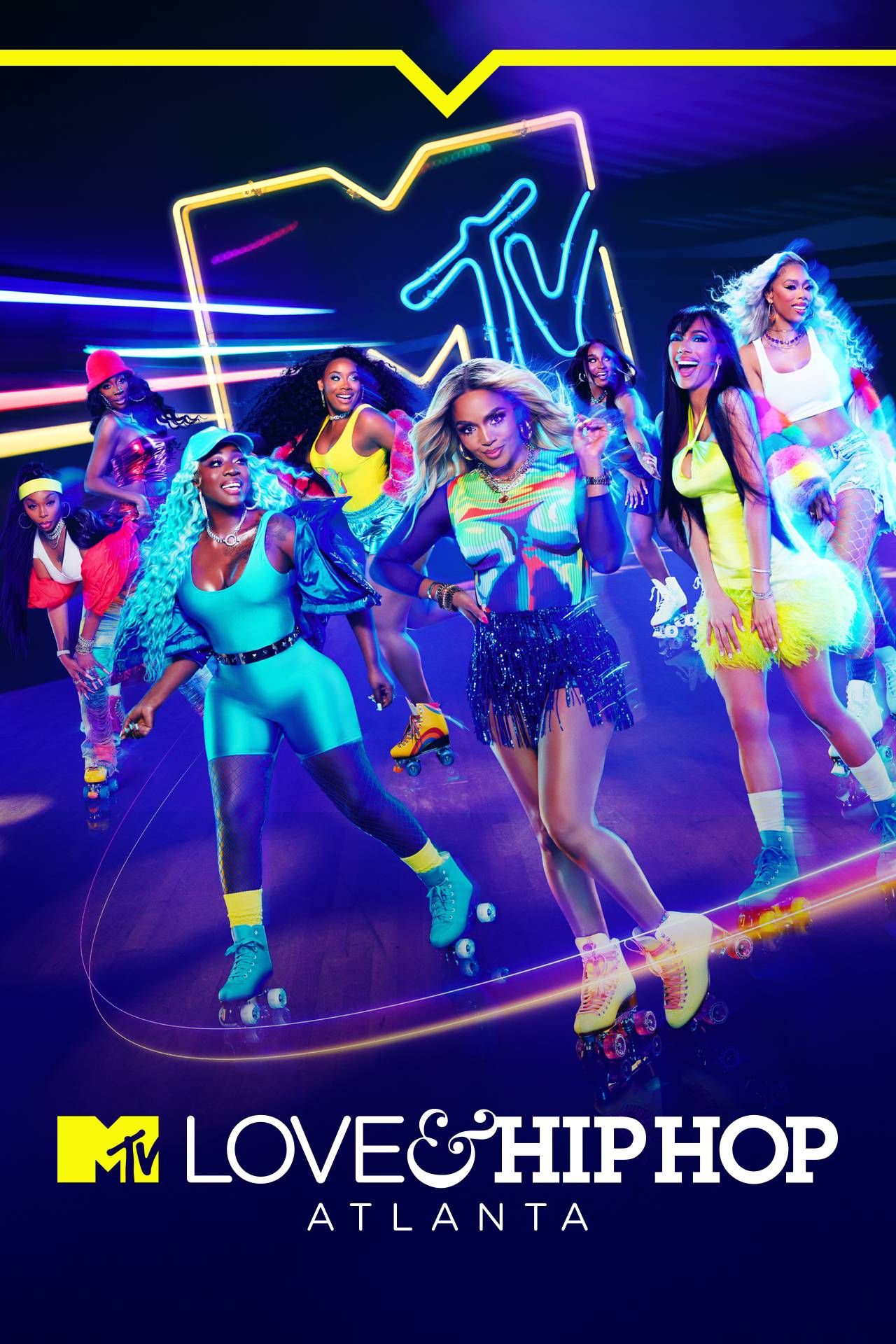
- Love & Hip Hop Franchise (VH1/Paramount+): A long-running reality media franchise examining the personal and professional relationships of hip hop artists, managers, and producers, highlighting the social dynamics behind the scenes of the industry.

Comparative Overview of Iconic Hip Hop Television Series
The table below compares notable hip hop television shows across eras, sub-genres, original platforms, and central thematic focus:
| Show Title | Primary Sub-Genre | Original Network / Platform | Core Thematic Focus | Release Era |
|---|---|---|---|---|
| Yo! MTV Raps | Music Variety Showcase | MTV | Music video broadcasts, live interviews, and freestyles | 1988–1995 |
| The Fresh Prince of Bel-Air | Network Sitcom | NBC | Culture shock, hip hop youth culture, family dynamics | 1990–1996 |
| Martin | Network Sitcom | FOX | Urban comedy, 1990s hip hop lifestyle and slang | 1992–1997 |
| Empire | Musical Soap Opera | FOX | Corporate music politics, family dynasty, song recording | 2015–2020 |
| Atlanta | Surrealist Comedy Drama | FX | Rap management, race, economic survival, surrealism | 2016–2022 |
| Hip-Hop Evolution | Historical Docuseries | Netflix | Comprehensive archival history of rap music origins | 2016–Present |
| The Get Down | Musical Period Drama | Netflix | The late-1970s birth of hip hop and disco in the Bronx | 2016–2017 |
| Wu-Tang: An American Saga | Biographical Drama | Hulu | Origin story of the Wu-Tang Clan, music production | 2019–2023 |
| Rhythm + Flow | Reality Competition | Netflix | Unsigned talent search, songwriting, stage presence | 2019–Present |
How Hip Hop TV Shows Transformed Global Culture and Media
The rise of hip hop TV shows has altered television production, music distribution, and fashion trends worldwide.
1. Soundtrack Synchronization and Record Sales
Shows like Empire, The Get Down, and Power demonstrated that television soundtracks could compete directly on music charts. Empire became the first TV soundtrack to debut at number one on the Billboard 200 album chart since Glee in 2010. Viewers now discover independent and mainstream artists through curated TV sync placements, altering how record labels launch promotional campaigns.
2. Shifting Industry Representation
Early network television restricted Black creators to standardized studio formats. The critical success of auteur-driven hip hop series like Donald Glover’s Atlanta proved to studio executives that Black creators could deliver critically acclaimed, unconventional narratives. This shift opened doors for shows like Insecure, Random Acts of Flyness, and Swarm, expanding the types of stories told on television.
3. Preserving Musical and Urban History
Detailed historical dramas like The Get Down and docuseries like Hip-Hop Evolution serve a vital archival function. They record the oral histories of pioneering DJs, MCs, breakdancers, and graffiti artists, ensuring that the origins of the culture—rooted in disenfranchised urban neighborhoods—are documented with historical accuracy rather than commercial dilution.
How to Choose What to Watch Based on Your Interests
Given the diversity of hip hop TV shows available across major streaming services, viewers can select shows tailored to their entertainment preferences:
- What is your primary interest?
- Historical Context: Hip-Hop Evolution
- Sound Production: Wu-Tang: Saga
- Industry Drama: Empire / Power
- Absurd Humor: Atlanta / Dave
- For Music Historians and Musicologists: Start with Hip-Hop Evolution on Netflix or Dear Mama on Hulu for deeply researched histories based on archival footage and primary interviews.
- For Music Producers and Audio Enthusiasts: Watch Wu-Tang: An American Saga on Hulu or The Get Down on Netflix to see realistic depictions of beatmaking, sampling techniques, analog recording setups, and track mixing.
- For Fans of High-Stakes Corporate and Crime Drama: Stream Empire on Hulu or the Power franchise on Starz for fast-paced narratives involving record label ownership, street politics, and backstabbing business deals.
- For Viewers Seeking Social Satire and Modern Comedy: Stream Atlanta on Hulu or Dave on Hulu/FXX to experience high-concept, critically acclaimed comedy that dissects fame, social media culture, and rap management.
- For Reality and Competition Enthusiasts: Watch Rhythm + Flow on Netflix to see how unsigned rap talent copes with live performance pressure, audition panels, and song construction under tight deadlines.
Frequently Asked Questions About Hip Hop TV Shows
What was the first television show dedicated exclusively to hip hop?
Video Music Box, created in 1983 by Ralph McDaniels and Lionel C. Martin on New York's WNYC, was the first regular television program dedicated to hip hop music videos and street culture interviews. Nationally, Yo! MTV Raps (1988) became the first major network program to broadcast hip hop content across the United States and globally.
Which hip hop TV shows depict realistic music studio production?
Wu-Tang: An American Saga on Hulu is widely regarded as one of the most accurate scripted portrayals of early 1990s music production, featuring detailed scenes of sample chopping on the E-mu SP-1200 drum machine. For modern digital music production, the FXX show Dave provides an accurate look at contemporary home studio workflows, vocal mixing, and recording sessions.
Are there any child- or family-friendly hip hop TV shows?
Yes. Classic sitcoms like The Fresh Prince of Bel-Air provide family-friendly comedy centered around hip hop style. For younger audiences interested in music, animated series like Karma's World (created by Ludacris on Netflix) and Entergalactic (created by Kid Cudi) offer family-oriented and young-adult narrative entries into hip hop music, art, and storytelling.
How do music licensing rights affect hip hop shows on streaming platforms?
Music licensing rights are one of the primary reasons some older hip hop video shows and sitcoms face delays when transitioning to streaming platforms. Clearing master recording rights and publishing splits for dozens of hip hop samples within a single episode requires complex legal negotiations, sometimes leading to original songs being altered or omitted in home-video and streaming releases.
What is the difference between hip hop docuseries and scripted hip hop dramas?
Docuseries rely on real historical recordings, original interviews with real-life artists, and factual timelines to chronicle the origins and developments of the music. Scripted hip hop dramas use professional actors, dramatized screenplays, and fictionalized or composite characters to craft emotional, narrative story arcs inspired by real industry dynamics.
Final Recommendations for Viewers
To build a full understanding of how hip hop shaped television, viewers should sample shows across different eras. Start with foundational history by watching the first season of Hip-Hop Evolution to grasp how four elements—DJing, MCing, breakdancing, and graffiti—developed in late-20th-century New York.
Follow this historical base with Wu-Tang: An American Saga to see how street hustle translated into revolutionary music contracts, and round out your viewing with Atlanta to understand how modern artists navigate streaming fame, social expectations, and industry exploitation. Together, these series demonstrate how hip hop evolved from an underreported urban movement into one of the driving artistic forces on modern television.
Image Gallery
Select an image to open it in a new tab.


Vivian Cho
Executive IT and Emerging Technologies Reporter
