Top 10 Heaviest People in Recorded History: Stories of Struggle and Resilience
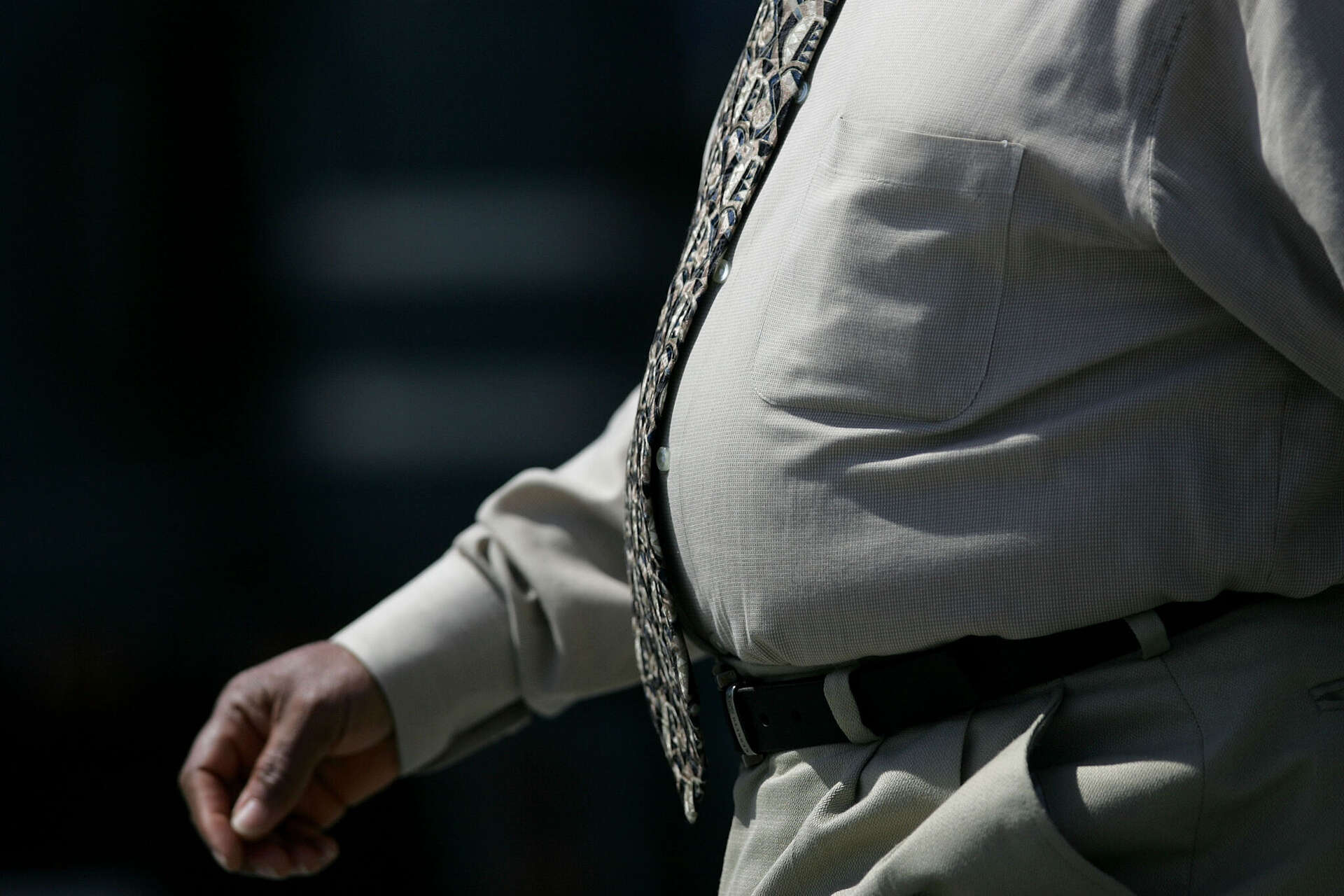
The heaviest human being ever recorded in medical history was Jon Brower Minnoch, who reached a peak weight of approximately 1,400 pounds (635 kilograms). While extreme obesity is often viewed through a lens of curiosity, these cases represent profound medical challenges involving genetics, metabolic disorders, and the limits of human physiology and healthcare.
Extreme morbid obesity is a complex medical condition that goes far beyond simple overeating. For the individuals who have reached the status of being among the heaviest in history, their lives were defined by immense physical strain, unique logistical challenges, and, in several notable cases, incredible journeys of medical intervention and recovery. As of 2026, the medical community continues to study these historical cases to better understand metabolic syndromes and the long-term efficacy of bariatric surgeries.
1. Jon Brower Minnoch (1941–1983)
Jon Brower Minnoch remains the heaviest person ever documented. At his peak in 1978, his weight was estimated at 1,400 lbs (635 kg). Because of his size and extreme poor health, an exact scale reading was difficult to obtain, but the estimate was calculated based on his size and the water displacement he caused.
Minnoch suffered from massive generalized edema (fluid retention), which accounted for a significant portion of his body mass. His condition was so severe that it required 13 people to roll him over in his hospital bed. His story is also one of significant weight loss; under a strict diet, he lost approximately 924 pounds, the largest documented weight loss at that time. However, the strain on his cardiovascular system was too great, and he passed away in 1983 at the age of 42.
2. Khalid Bin Mohsen Shaari (b. 1991)
Khalid Bin Mohsen Shaari is one of the most successful medical cases on this list. In 2013, the Saudi Arabian national was recorded at a weight of 1,345 lbs (610 kg). His case gained international attention when the late King Abdullah ordered his hospitalization and treatment at the government's expense.
The logistics of moving Shaari required a specialized crane and a bed ordered from the United States. Following years of intensive medical care, specialized dieting, and multiple surgeries, Shaari underwent a radical transformation. By 2017, he had lost over 1,100 pounds, becoming a symbol of the possibilities of modern bariatric medicine. His story highlights the importance of institutional support and specialized medical infrastructure in treating extreme obesity.
3. Manuel Uribe (1966–2014)
Manuel Uribe, from Mexico, reached a peak weight of 1,316 lbs (597 kg). For nearly a decade, he was bedridden, unable to leave his room. Uribe gained worldwide fame not just for his size, but for his public appeals for help and his televised wedding in 2008, where he was transported to the ceremony in his reinforced bed.
Uribe turned down weight-loss surgery in favor of a specialized "Zone Diet," through which he lost over 400 pounds. Despite his efforts to improve his health and his work as an advocate for obesity awareness, Uribe suffered from chronic health complications related to his weight. He died in 2014 from liver failure and cardiac issues at the age of 48.
4. Juan Pedro Franco (b. 1984)
Another Mexican national, Juan Pedro Franco, was recognized by Guinness World Records in 2017 as the world’s heaviest living man, weighing 1,311 lbs (595 kg). Franco’s obesity was compounded by diabetes, hypertension, and severe chronic obstructive pulmonary disease (COPD).
His medical journey involved a series of life-saving gastric bypass surgeries and a strict exercise regimen. By 2020, Franco had lost approximately 730 pounds. His case was particularly noted during the COVID-19 pandemic, as his significant weight loss was credited with helping him survive a bout with the virus, which is often fatal for those with extreme morbid obesity.
5. Carol Yager (1960–1994)
Carol Yager is recorded as the heaviest woman in history. While her peak weight was never officially verified by a doctor, reports and medical staff estimated her weight at approximately 1,600 lbs at one point. However, her confirmed weight was 1,189 lbs (540 kg).
Yager’s case is often cited in discussions regarding the psychological components of eating disorders. She claimed that her weight gain was a response to severe childhood trauma. Like many others on this list, she suffered from massive skin infections and edema. She passed away in 1994 from kidney failure and multiple organ dysfunction.
6. Robert Earl Hughes (1926–1958)
Robert Earl Hughes was a historical outlier. Unlike many modern cases, Hughes’s weight was attributed to a malfunctioning pituitary gland. At his peak, he weighed 1,069 lbs (485 kg). During his lifetime, he was often a feature of traveling fairs and carnivals, which was common for people with unique physical conditions in the early 20th century.
Hughes holds the historical record for the largest chest measurement at 124 inches. He died at the young age of 32 from complications following a bout of measles. His death underscored the vulnerability of the extremely obese to common infections that a healthy immune system might otherwise manage.
7. Mayra Rosales (b. 1980)
Mayra Rosales became known as the "Half-Ton Killer" after a tragic family incident where she was initially accused of causing the death of her nephew. It was later revealed that she had taken the blame to protect her sister, and she was physically incapable of the movements required for the alleged crime, as she weighed 1,036 lbs (470 kg).
After being exonerated, Rosales dedicated her life to health transformation. She underwent multiple surgeries and skin removal procedures, losing over 800 pounds. Her story is frequently used in 2026 medical journals to illustrate the intersection of legal ethics, social stigma, and metabolic recovery.
8. Patrick Deuel (1962–2016)
Patrick Deuel, known as the "Half-Ton Man," reached a weight of 1,072 lbs (486 kg). A former restaurant manager, Deuel had not left his home in Nebraska for seven years before a medical team intervened.
His treatment involved a bypass surgery that was filmed for a documentary, highlighting the risks surgeons face when operating on patients of that size. Deuel managed to lose over 500 pounds but struggled with maintaining the loss and suffered from various health issues until his death in 2016.
9. Michael Hebranko (1943–2013)
Michael Hebranko’s story is a cautionary tale regarding the "yo-yo" effect of extreme weight loss. Under the guidance of fitness personalities, Hebranko lost hundreds of pounds, dropping from 900 lbs to approximately 200 lbs in the late 1980s. He became a spokesperson for weight loss programs.
However, Hebranko eventually regained the weight and more, peaking at nearly 1,100 lbs. His heart and lungs could not sustain the repeated massive fluctuations in body mass. He spent his final years in medical facilities before passing away in 2013.
10. Walter Hudson (1944–1991)
Walter Hudson held the record for the largest waist circumference at 119 inches. At his peak, he weighed 1,197 lbs (543 kg). Hudson gained notoriety when he became stuck in his bedroom doorway and had to be rescued by emergency services.
Hudson attempted various weight loss methods and was famously mentored by Dick Gregory. Despite several periods of progress, Hudson died of a heart attack in 1991. At the time of his death, he weighed 1,025 lbs, and workers had to cut a hole in his house to remove his body for burial.
Historical Comparison of Peak Weights
The following table compares the documented peak weights and the status of these individuals. Note that historical weights from the early 20th century were often measured on industrial scales, whereas modern cases benefit from specialized medical equipment.
| Name | Peak Weight (lbs) | Peak Weight (kg) | Nationality | Status (as of 2026) |
|---|---|---|---|---|
| Jon Brower Minnoch | 1,400 | 635 | USA | Deceased (1983) |
| Khalid Bin Mohsen Shaari | 1,345 | 610 | Saudi Arabia | Living (Post-Weight Loss) |
| Manuel Uribe | 1,316 | 597 | Mexico | Deceased (2014) |
| Juan Pedro Franco | 1,311 | 595 | Mexico | Living (Post-Weight Loss) |
| Carol Yager | 1,189* | 540 | USA | Deceased (1994) |
| Walter Hudson | 1,197 | 543 | USA | Deceased (1991) |
| Patrick Deuel | 1,072 | 486 | USA | Deceased (2016) |
| Robert Earl Hughes | 1,069 | 485 | USA | Deceased (1958) |
| Mayra Rosales | 1,036 | 470 | USA | Living (Post-Weight Loss) |
| Michael Hebranko | 1,100 | 499 | USA | Deceased (2013) |
*Confirmed weight; estimated peaks were higher.
The Biological Limits of Human Weight
Morbid obesity of this magnitude is rarely the result of caloric intake alone. Medical professionals in 2026 emphasize that such extreme cases usually involve a "perfect storm" of biological factors.
Genetic and Hormonal Factors
Many individuals in this category suffer from rare genetic mutations or hormonal imbalances. For example, leptin deficiency or resistance can prevent the brain from signaling satiety, leading to a constant, painful hunger. Others, like Robert Earl Hughes, had pituitary disorders that caused the body to store fat and grow at an uncontrollable rate.
Lymphedema and Edema
A major component of the weight in these top 10 cases was often fluid. When the body reaches a certain mass, the lymphatic and circulatory systems can no longer effectively move fluid. This leads to lymphedema, where the limbs swell with protein-rich fluid, and generalized edema, which can add hundreds of pounds to a patient’s total weight. This fluid is extremely difficult to lose through traditional dieting and requires intensive diuretic therapy and compression.
The Role of Psychological Trauma
Case studies of Carol Yager and Mayra Rosales have highlighted the role of adverse childhood experiences (ACEs) in extreme obesity. In these instances, eating serves as a maladaptive coping mechanism for trauma. Without addressing the underlying psychological triggers, physical interventions such as gastric bypass often have a lower success rate.
Medical Logistics and the Challenges of Care
Treating someone who weighs over 1,000 pounds is a logistical feat that requires specialized infrastructure. In 2026, hospital protocols for "super-morbidly obese" patients have become more standardized, but the challenges remain significant.
- Transportation: Standard ambulances cannot accommodate patients over 600–700 pounds. Specialized bariatric units with reinforced floors, extra-wide doors, and heavy-duty winches are required.
- Imaging: Most MRI and CT scanners have weight limits between 350 and 500 pounds. In historical cases, patients sometimes had to be taken to zoos to use large-animal scanners for diagnostic imaging.
- Surgery Risks: Anesthesia is exceptionally dangerous for the extremely obese. The weight of the chest wall can collapse the lungs when the patient is laid flat, and dosing medication for someone with such high adipose tissue is a complex pharmacological challenge.
Treatment Paradigms in 2026
In 2026, the approach to treating extreme obesity has shifted from purely restrictive diets to a multi-modal strategy involving:
- GLP-1 Agonists: Newer generations of metabolic medications that help regulate insulin and appetite before surgery is even considered.
- Staged Bariatrics: Performing a sleeve gastrectomy first to allow for initial weight loss, followed by a more complex bypass once the patient is at a safer weight.
- In-Home Medical Stabilization: Bringing intensive care to the patient to reduce the risks associated with transport.
Professional Disclaimer: The information provided here is for historical and educational purposes only. Extreme obesity is a life-threatening medical condition. If you or someone you know is struggling with morbid obesity, please consult a healthcare professional for a personalized treatment plan.
Frequently Asked Questions
Who is the heaviest person alive in 2026?
As of 2026, the title of the world's heaviest living person is not always publicly tracked due to privacy laws and the speed at which medical interventions (like bariatric surgery) are now applied. However, individuals like Khalid Bin Mohsen Shaari and Juan Pedro Franco, who previously held the record, have successfully lost significant weight through medical intervention.
Can a person survive weighing 1,000 pounds?
While it is possible to survive at this weight for a period, it is not sustainable long-term. The internal organs, particularly the heart and kidneys, must work much harder to support the massive body mass. Most people who reach this weight suffer from heart failure, respiratory distress, or kidney failure by their 30s or 40s.
What is the main cause of such extreme weight?
It is almost always a combination of severe metabolic/genetic disorders, psychological factors (often related to trauma), and a complete breakdown of the body’s satiety signaling system. Environmental factors and access to high-calorie foods play a role, but biological predisposition is the primary driver of weights exceeding 800–900 pounds.
How do doctors weigh someone who is 1,000+ pounds?
In the past, industrial or freight scales were used. Today, hospitals specialized in bariatric care have floor scales built into the room or "bed scales" that subtract the weight of the furniture to provide an accurate reading of the patient.
Is weight loss surgery safe for people this size?
It is high-risk but often the only way to save the person's life. Surgeons typically require the patient to lose a certain amount of weight through a controlled diet first to reduce the size of the liver and improve heart function before operating.
Recommendation for Further Action
For those interested in the science of metabolic health and obesity, it is recommended to follow the updates from the World Obesity Federation or the American Society for Metabolic and Bariatric Surgery (ASMBS). These organizations provide the most current research on how 2026-era medications and surgical techniques are helping to prevent future cases of extreme morbid obesity.
Image Gallery
Select an image to open it in a new tab.
Mateo Castillo
Decentralized Finance and E-Payments Strategist
