
Antibody mouse models are specialized laboratory mice genetically engineered or biological modified to produce human-like antibodies or to simulate a human immune response. While they remain the gold standard for therapeutic discovery in 2026, the truth is that they are complex, high-cost tools whose success depends heavily on the specific genetic platform and the biological relevance of the murine immune environment to human physiology.
The Evolution of Antibody Discovery in Mice
The journey of antibody mouse models began with the landmark development of hybridoma technology by Kohler and Milstein in 1975. Initially, these models produced murine antibodies, which were highly immunogenic in humans, leading to the "human anti-mouse antibody" (HAMA) response that rendered treatments ineffective or dangerous. As we stand in 2026, the technology has transitioned through chimeric and humanized versions to the current pinnacle: transgenic mice carrying the entire human immunoglobulin (Ig) repertoire.
The "truth" about these models is that they are not a monolithic technology. They are divided into two primary categories that serve vastly different purposes in the drug development pipeline: transgenic platforms for antibody discovery and humanized immune system (HIS) mice for preclinical efficacy testing. Understanding the distinction is critical for any researcher or stakeholder in the biotechnology sector.
Transgenic Mouse Platforms: The "Human Antibody Factories"
Most of the "fully human" monoclonal antibodies on the market today were discovered using transgenic mouse platforms. These mice have had their endogenous murine antibody genes inactivated (knocked out) and replaced with human heavy and light chain loci.
How Transgenic Platforms Work
When these mice are immunized with a target antigen, their B cells undergo natural somatic hypermutation and affinity maturation within the germinal centers. This biological process is significantly more efficient than synthetic methods like phage display because it utilizes the mouse's own sophisticated "quality control" mechanisms to select for antibodies with high affinity, specificity, and favorable biophysical properties.
Leading Platforms in 2026
Several proprietary platforms dominate the landscape. The truth about these platforms is that while they all aim for "human-ness," their genetic architectures differ:
- Regeneron (VelocImmune): Uses a "Velocigene" technology to replace mouse variable regions with human ones while keeping mouse constant regions, which is thought to improve B-cell signaling.
- Sanofi (Kymab/Kymouse): Utilizes the full human Ig gene diversity, aiming to capture the entire breadth of the human immune response.
- Harbour BioMed (H2L2/HCAb): Offers models that can produce "heavy-chain-only" antibodies, which are essential for developing next-generation multi-specific and nanobody-based therapies.
Humanized Immune System (HIS) Mice: Beyond Discovery
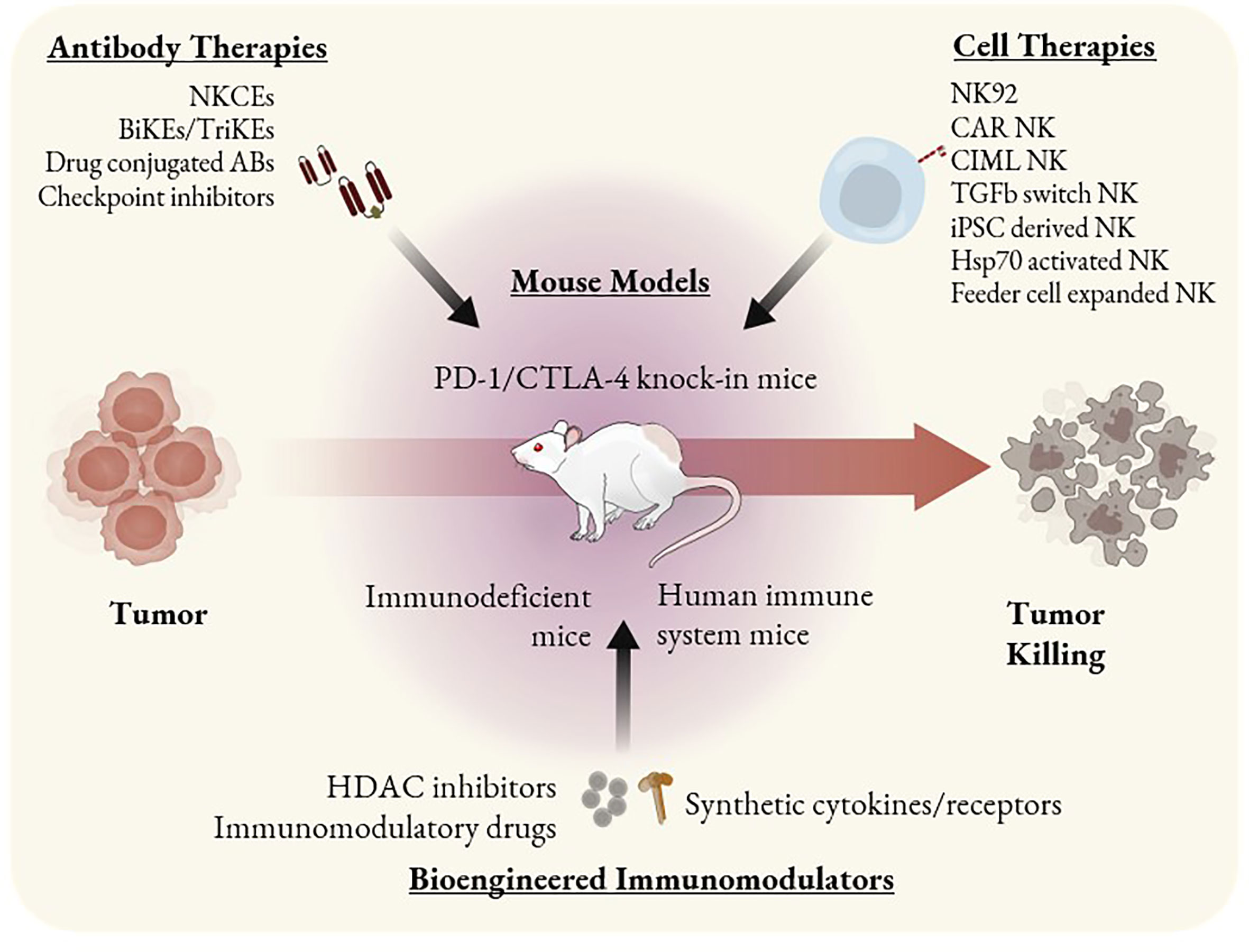
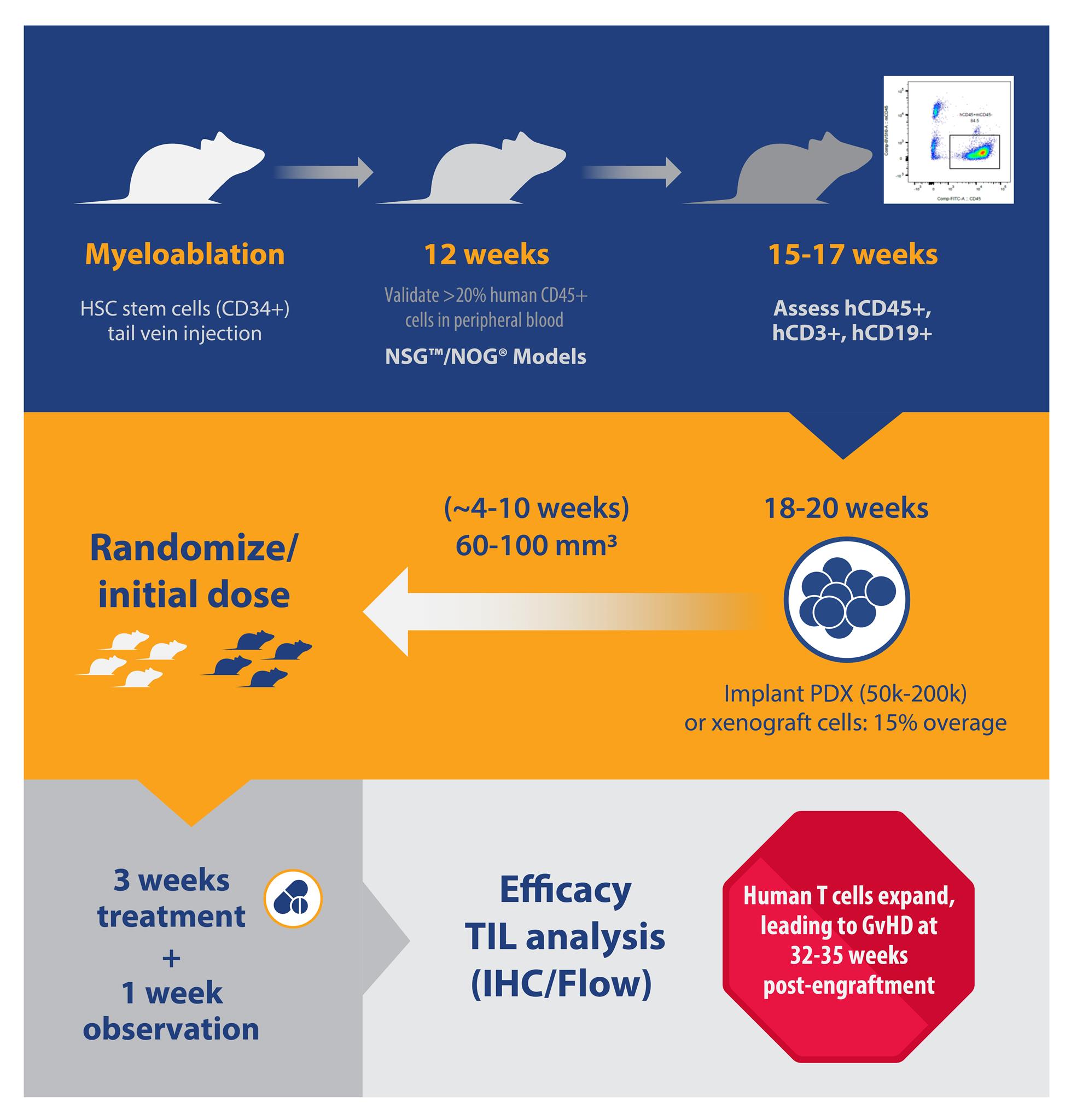
While transgenic mice are used to find the antibody, HIS mice are used to test it. These are immunodeficient mice (such as the NSG or NOG strains) that are engrafted with human hematopoietic stem cells (HSCs) or peripheral blood mononuclear cells (PBMCs).
The truth about HIS mice is that they are notoriously difficult to standardize. Researchers often face the "donor effect," where the human immune response in the mouse varies wildly depending on the person who provided the stem cells. Furthermore, these models often lack a fully functional human lymphatic system, meaning that while they can harbor human T cells and B cells, the interaction between these cells is not always representative of a human patient.
The Limitations of HIS Models
- Graft-versus-Host Disease (GvHD): In PBMC-engrafted models, the human T cells eventually recognize the mouse tissues as "foreign" and attack them, limiting the window for experiments to usually 4–6 weeks.
- Incomplete Maturation: Human B cells often do not mature fully in the mouse environment due to a lack of specific human cytokines (like IL-7 or BAFF), leading to poor antibody class-switching.
- Innate Immune Gaps: Mouse macrophages and NK cells may still be present and interfere with the human graft, necessitating further genetic modifications (like the "MISTRG" mouse) to provide human cytokines.
Technical Comparison of Major Antibody Mouse Models
The following table compares the primary types of mouse models used in antibody research as of 2026.
| Model Type | Primary Use | Genetic Basis | Pros | Cons |
|---|---|---|---|---|
| Wild-Type (Murine) | Basic research | Natural mouse genome | Low cost; robust immune response. | Antibodies are 100% mouse; high immunogenicity in humans. |
| Transgenic (e.g., Kymouse) | Antibody Discovery | Human Ig loci inserted | Produces fully human variable regions; high affinity. | High licensing fees; restricted to discovery phase. |
| HIS (HSC-Engrafted) | Efficacy/Safety | Human CD34+ stem cells | Long-term study of human immune-oncology. | High cost; 4–6 months to develop; donor variability. |
| HIS (PBMC-Engrafted) | T-cell Activation | Human adult blood cells | Rapid setup (weeks); adult T-cell repertoire. | Rapid onset of GvHD; short experimental window. |
| FcRn Humanized | PK/PD Studies | Human FcRn receptor | Predicts antibody half-life in humans. | Narrow focus; does not assess immune efficacy. |
The "Truth" About Pharmacokinetics and the FcRn Receptor
One of the most overlooked aspects of antibody mouse models is the role of the Neonatal Fc Receptor (FcRn). In humans, this receptor recycles IgG antibodies, preventing them from being degraded and giving them a long half-life (roughly 21 days).
The truth is that mouse FcRn binds to human IgG much more strongly than human FcRn does. This leads to an "artificial" extension of an antibody's half-life in a standard mouse, which can result in misleading data. To solve this, "FcRn humanized mice" have become a requirement for accurate pharmacokinetic (PK) and pharmacodynamic (PD) modeling. Without these specific models, a drug developer might move into Phase I clinical trials with a completely incorrect understanding of how often a patient needs to be dosed.
Economic and Ethical Realities in 2026
The cost of utilizing advanced antibody mouse models is a significant barrier. A single transgenic mouse from a top-tier platform can cost thousands of dollars, and the licensing fees for the resulting intellectual property (IP) often involve multi-million dollar milestones and royalties.
Ethically, the industry is under pressure to adhere to the 3Rs (Replacement, Reduction, and Refinement). In 2026, the FDA Modernization Act 2.0 has already paved the way for non-animal alternatives. However, the "truth" that many animal rights groups and even some scientists struggle with is that in vitro systems (like organs-on-a-chip or AI-modeled folding) cannot yet replicate the systemic complexity of a living organism's immune system. The mouse remains an "in vivo bioreactor" that provides data on systemic toxicity and cytokine storms that a computer simply cannot predict with 100% certainty.
Common Pitfalls in Data Interpretation
When analyzing data from antibody mouse models, researchers often fall into the trap of "over-extrapolation." Here are the common truths that are often ignored:
- Cytokine Differences: Mouse cytokines often do not cross-react with human receptors. For example, mouse IL-3 and GM-CSF do not support human myeloid cell development.
- Microbiome Impact: The specific pathogen-free (SPF) environment of a lab mouse is vastly different from the "dirty" immune system of a human. This can lead to the mouse immune system being "under-educated," affecting how it responds to vaccines or immunotherapies.
- Size and Scale: The surface-area-to-volume ratio of a mouse means that drug distribution happens much faster than in a human, which can mask potential toxicity issues related to slow accumulation.
Future Directions: AI and Synthetic Models
By 2026, the integration of Artificial Intelligence (AI) with mouse models has become standard. We no longer just "immunize and hope." Instead, AI is used to design the antigens and predict which B-cell clones in the mouse will produce the most stable antibodies.
Furthermore, "Modular HIS" mice are emerging. These are mice where specific human genes (like HLA-A2 for antigen presentation) are inserted only when needed for a specific project. This reduces the biological noise and makes the "truth" of the experimental result much clearer.
FAQ: Frequently Asked Questions
Why not just use phage display instead of mice?
While phage display is faster and avoids animal use, it often produces "sticky" antibodies that aggregate or have poor solubility. Mice provide a biological "filter" through the germinal center reaction, ensuring the antibodies are naturally fit for a complex biological environment.
Are "fully human" antibodies from mice truly human?
Technically, they have human amino acid sequences in their variable regions. However, the glycosylation (sugar molecules) added to the antibody is performed by the mouse cell or the subsequent CHO (Chinese Hamster Ovary) production cell, which can slightly differ from human glycosylation.
How long does it take to generate an antibody using these models?
From initial immunization to the identification of a lead candidate, the process typically takes 6 to 9 months. This includes several rounds of boosting, titer checks, and the final "sac" for B-cell harvesting or hybridoma fusion.
What is the failure rate for drugs tested in HIS mice?
Despite their sophistication, roughly 80-90% of drugs that pass through mouse models still fail in human clinical trials. This is usually due to "lack of efficacy" rather than safety, highlighting that even the best mouse model is only a proxy, not a perfect mirror, of human biology.
Is it legal to bypass mouse testing in 2026?
Under the FDA Modernization Act 2.0, the FDA can accept non-animal data (like organoids or AI) for an IND (Investigational New Drug) application. However, for complex biologics like multi-specific antibodies, the FDA still strongly prefers in vivo data to ensure patient safety regarding systemic immune activation.
Practical Recommendation for Researchers
If you are embarking on a drug discovery program in 2026, do not rely on a single model. The most successful path involves a triangulated approach:
- Use transgenic mice for the initial discovery of high-affinity human sequences.
- Validate the lead candidates in humanized FcRn models to ensure viable dosing schedules.
- Perform efficacy and "cytokine storm" screening in HSC-engrafted HIS mice that carry the specific human HLA alleles relevant to your target population.
Bypassing any of these steps to save costs often leads to much more expensive failures during Phase I clinical trials.
Image Gallery
Select an image to open it in a new tab.
Omar Farooq
EdTech Innovation and Virtual Pedagogy Journalist
