Prostate Cancer Life Insurance Coverage Explained: Navigating Eligibility and Underwriting
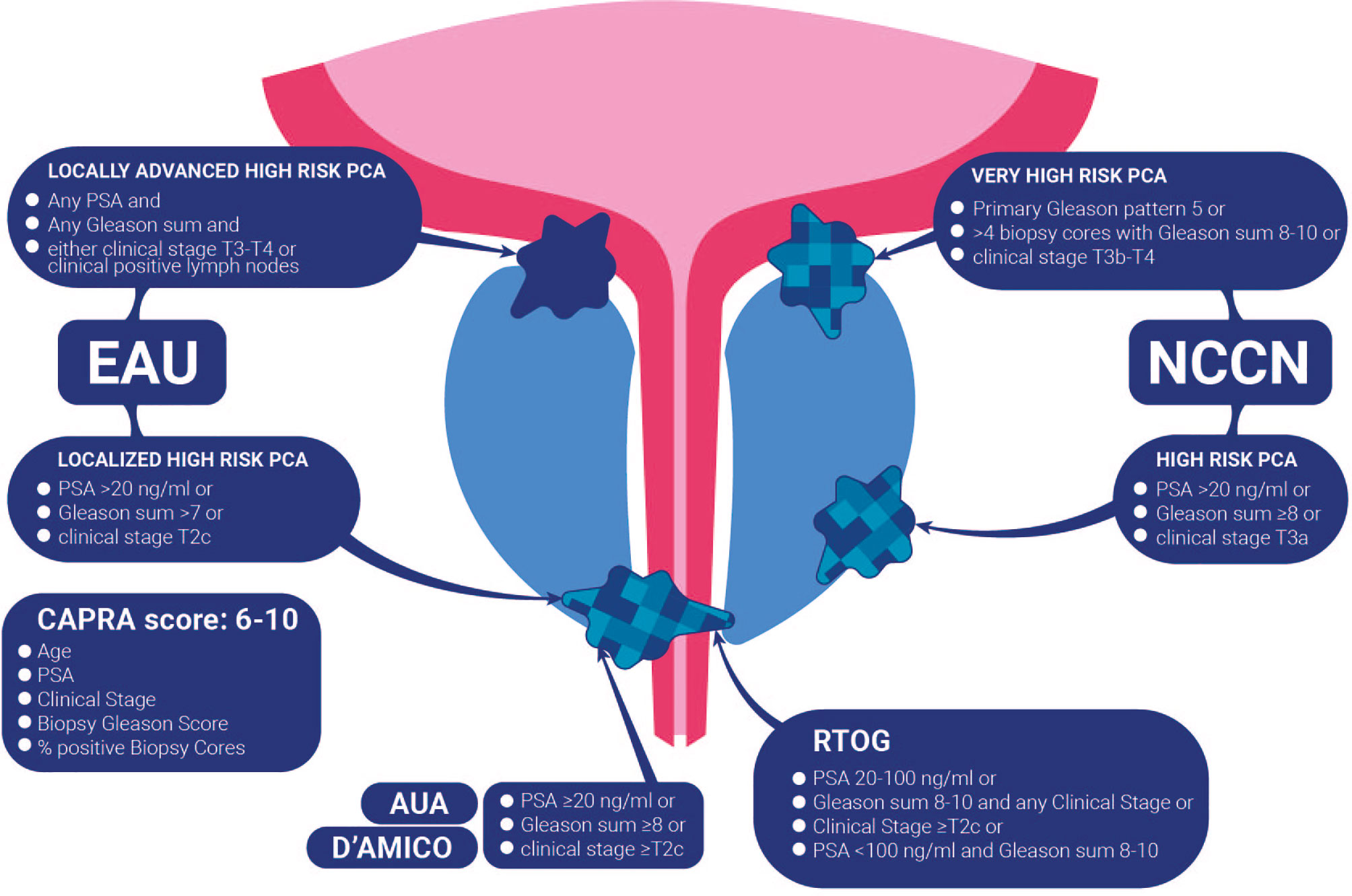
Securing life insurance after a prostate cancer diagnosis is entirely possible, though the process requires a nuanced understanding of medical underwriting. Insurers evaluate applicants based on the stage, grade, and treatment history of the cancer, as well as the time elapsed since the last intervention. While higher-risk cases may lead to table ratings or premiums adjustments, many survivors successfully obtain coverage by providing detailed clinical documentation.
The Underwriting Perspective: How Insurers View Prostate Cancer
When you apply for life insurance, the underwriting department is tasked with assessing your long-term mortality risk. For an applicant with a history of prostate cancer, underwriters do not simply look at the fact that a diagnosis occurred; they focus on the prognosis. The industry has become significantly more sophisticated in its evaluation of prostate cancer compared to previous decades, often treating it as a manageable condition rather than an automatic decline.
Underwriters primarily analyze the Gleason Score and the TNM staging system. The Gleason Score, which grades the aggressiveness of the cancer cells, is a critical data point. A low score (typically 6 or below) is viewed much more favorably than a high score (8 to 10). Similarly, the TNM system—which measures the size of the tumor, lymph node involvement, and metastasis—provides a roadmap for the insurer to determine if the disease was localized or systemic.
Furthermore, insurers look at the Prostate-Specific Antigen (PSA) levels. A stable or undetectable PSA level post-treatment is the gold standard for proving that the condition is currently under control. If you are currently in treatment or have recently completed it, underwriters often mandate a waiting period before they will consider a standard or sub-standard application.
Factors Influencing Your Eligibility
Several variables will determine whether you can secure a policy and what your premium costs will look like. Because each insurance company maintains its own internal "underwriting guidelines," a decline from one carrier does not necessarily mean you are uninsurable across the entire market.
1. Time Since Diagnosis and Treatment
The "waiting period" is a common requirement in the insurance industry. Most carriers prefer to see a minimum period of time—often one to five years—pass after the completion of treatment, such as a prostatectomy or radiation therapy, before considering an application. This timeframe allows the insurer to collect enough longitudinal data to prove that the cancer is not recurring.
2. Stage and Grade
As noted previously, the severity of the cancer is the most critical financial factor. Localized prostate cancer, detected early, often allows for a much more favorable underwriting outcome. Conversely, if the cancer had spread beyond the prostate capsule at the time of diagnosis, the risk profile increases, often requiring a "rated" policy—a policy where the premium is higher than the standard rate to account for the increased mortality risk.
3. Current Health Markers
Beyond the cancer history, your general health remains a significant factor. Underwriters examine:
- Comorbidities: Conditions like hypertension, diabetes, or cardiovascular disease, which can complicate your health profile.
- Family History: A history of prostate cancer in immediate family members (father or brother) may influence the underwriting decision, though your own clinical success is weighted more heavily.
- Smoking Status: Non-smokers almost always receive better underwriting offers, regardless of medical history.

Comparing Insurance Types for Prostate Cancer Patients
Not all life insurance policies are governed by the same underwriting standards. Understanding the differences is essential for choosing the right path.
| Policy Type | Underwriting Process | Suitability for Cancer Survivors |
|---|---|---|
| Fully Underwritten Term | Rigorous medical exam and record review | Best for those with long-term remission |
| Simplified Issue | Short health questionnaire; no exam | Good for those with mild, managed history |
| Guaranteed Issue | No health questions; no medical exam | Last resort; very high cost/low coverage |
| Group Life Insurance | Tied to employment; little to no vetting | Best way to start without medical scrutiny |
Fully Underwritten Policies
These policies provide the most competitive rates. If you have been in remission for five or more years and have stable PSA levels, you should aim for this category. You will be required to undergo a paramedical exam and provide your doctor's medical records. While the process is time-consuming, it is the most cost-effective method for long-term coverage.
Simplified Issue and Guaranteed Issue
If you have a more recent diagnosis or higher-risk features, simplified issue policies may be the next step. These policies ask specific health questions but skip the invasive blood work. Guaranteed issue policies should be considered only if you have been declined for all other forms of coverage, as these policies have lower death benefit caps and often include a "graded benefit" clause, where the death benefit is limited for the first few years of the policy.
The Role of Medical Documentation
The importance of your medical records cannot be overstated. Underwriters are not doctors; they are risk assessment professionals who rely heavily on the narrative provided by your oncologist or urologist. To expedite your application, gather the following documents before you apply:
- The original pathology report detailing the Gleason Score.
- Surgical reports or treatment records (radiation, hormone therapy).
- A letter from your physician summarizing your current status and the likelihood of recurrence.
- A complete history of PSA test results, ideally showing a downward trend or consistent "undetectable" readings.
Providing this information proactively allows the underwriter to make a faster, more accurate decision, reducing the likelihood of a "decline" based on incomplete data.
Practical Steps to Apply for Coverage
If you are ready to pursue life insurance, follow this systematic approach to maximize your chances of approval.
- Consult an Independent Broker: Do not rely on a single-carrier agent. Independent brokers have access to multiple insurance companies and can perform a "pre-screen" by anonymizing your case and asking underwriters from various firms for their preliminary feedback.
- Obtain Your Records: Request your full medical file from your urologist. Having this organized ensures you don't miss important details when completing the application.
- Be Completely Transparent: Never omit a diagnosis or minimize your history on an application. Material misrepresentation can lead to a denial of a claim by your beneficiaries down the road. If the underwriter knows the full history, they can underwrite the risk correctly.
- Consider the "Waiting Period" Strategy: If your cancer treatment was very recent, it is often better to wait six to twelve months to establish a pattern of good health rather than applying now and receiving an automatic decline.
- Laddering Policies: If you are worried about the cost of a large policy, consider "laddering." You might buy a smaller policy now, and as your "time since treatment" increases, you can apply for a larger, more affordable policy in the future, then cancel the original one.
Addressing Common Concerns
Does a diagnosis mean I will automatically be denied?
No. While advanced-stage cancer or recent, aggressive diagnoses present challenges, many people with a history of prostate cancer are successfully insured. The insurance industry has transitioned to a model that rewards early detection and successful, long-term remission.
Should I disclose my cancer if it was a minor case?
Yes, absolutely. Even if the cancer was "very minor," failing to disclose it is a breach of the contract. If your beneficiaries file a claim and the insurer discovers an undisclosed medical history, they have the legal right to void the policy.
How does my age affect the process?
Underwriting is a balance of age and health. An older applicant who has been in remission for 10 years may actually face an easier underwriting path than a younger applicant with a recent diagnosis, as the statistical risk of mortality from other factors naturally increases with age, making the cancer history a smaller percentage of the overall risk profile.
Frequently Asked Questions
Can I get life insurance if I am currently undergoing active treatment for prostate cancer? Generally, insurers prefer that you complete your treatment before applying. If you are in the middle of radiation or hormone therapy, most companies will postpone your application until the treatment is finished and a follow-up PSA test confirms the results.
Will my premiums be higher because of my prostate cancer history? It depends on the severity of the diagnosis. If you have been cancer-free for many years with a low Gleason score, you might qualify for standard or even preferred rates. If the cancer was more advanced or the treatment was recent, you may be subject to a "table rating," which increases the premium cost to compensate for the additional risk.
What is the "reconsideration" process? If you are issued a policy with a high premium due to your medical history, you can often request a "reconsideration" in the future. Once you hit a milestone—such as five years post-treatment or a certain age—you can provide updated medical records to the insurance company to request a lower risk classification and lower premiums.
Is there a specific life insurance policy for cancer survivors? There is no specific "prostate cancer life insurance" product. However, many major carriers have dedicated underwriting departments that specialize in "impaired risk" cases. Working with an agent who understands these niches is the most effective way to find a company that is currently competitive for prostate cancer history.
Final Recommendation: Proactive Management
Securing life insurance after a prostate cancer diagnosis is a strategic task that prioritizes preparation over speed. Your first step should be to compile a comprehensive file of your oncology and urology records, confirming that your PSA levels are stable and your last treatment phase is well documented.
Once you have these records, connect with an independent life insurance broker. Explicitly ask them to perform a "blind reach-out" to the underwriters of three or four different insurance companies. By providing the anonymized details of your diagnosis, grade, and recovery time, the broker can identify which companies are most likely to offer the best coverage before you ever fill out a formal application. This approach minimizes the risk of receiving an official "decline" on your record, which can make it more difficult to obtain coverage from other carriers in the future. Prioritize honesty, emphasize your long-term health stability, and choose a policy structure that allows for future rate re-evaluation as your time in remission continues to grow.
Image Gallery
Select an image to open it in a new tab.

Vivian Cho
Executive IT and Emerging Technologies Reporter
