Legacy of Piper Laurie: An In-Depth Look at the Career and Influence of a Hollywood Icon
Piper Laurie, born Rosetta Jacobs, was a transformative American actress whose career spanned seven decades, earning three Academy Award nominations and a Golden Globe. From her beginnings as a contract starlet at Universal to her legendary roles in The Hustler, Carrie, and Twin Peaks, she remains a symbol of artistic integrity and resilience.
By 2026, the legacy of Piper Laurie has moved beyond the immediate mourning of her 2023 passing and into a phase of deep historical appreciation. Film scholars and fans alike continue to study her career not just for the roles she played, but for her courageous decision to walk away from a lucrative but unfulfilling studio contract to find her own voice as a dramatic artist. Her journey from the decorative "ingenue" roles of the early 1950s to the complex, often terrifying characters of her later years provides a blueprint for actors seeking longevity and creative autonomy.
Early Life and the Transformation into Rosetta Jacobs
Born on January 22, 1932, in Detroit, Michigan, Rosetta Jacobs was the daughter of a furniture dealer. Her family moved to Los Angeles when she was nine years old. Despite a crippling shyness that persisted throughout her childhood, she began taking acting lessons to overcome her social anxiety. This paradox—the shy girl who found liberation in performance—would define the emotional depth she eventually brought to her characters.
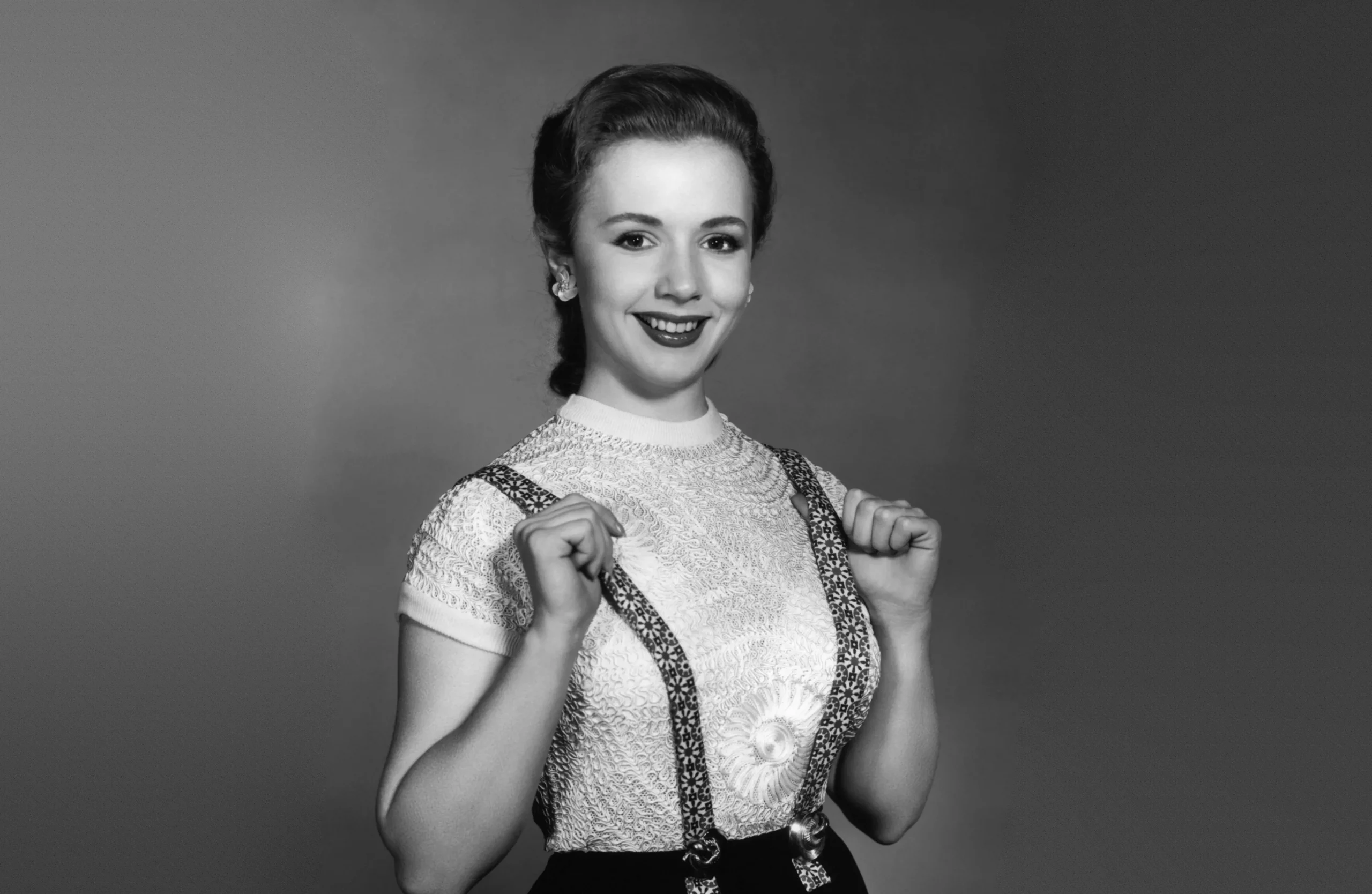
At age 17, she was discovered by Universal-International and signed to a contract. It was here that the studio heads rechristened her Piper Laurie. The name change was more than cosmetic; it was the birth of a brand that Laurie herself initially struggled to inhabit. During this period, the Hollywood studio system was still in its twilight years of total control, and Laurie was marketed as a "starlet." This involved manufactured publicity stunts, such as the infamous claim that she ate gardenia petals for breakfast, which she later recalled with significant distaste in her 2011 memoir, Learning to Live Out Loud.
The Studio System and the Fight for Substance
Between 1950 and 1955, Piper Laurie appeared in nearly 20 films, often cast opposite leading men like Tony Curtis, Rock Hudson, and Tyrone Power. While these films—often "sand and sandal" epics or light comedies—were commercially successful, Laurie felt a profound sense of creative starvation. She was frequently cast as the beautiful but passive love interest, a role that required little of the dramatic intensity she knew she possessed.
In a move that shocked the industry in the mid-1950s, Laurie moved to New York City to study acting and pursue live television and theater. This was a radical act of rebellion; she essentially walked away from a guaranteed weekly salary to face the uncertainty of the "Prestige Drama" era of television. Her work in programs like Playhouse 90 allowed her to hone her craft under the tutelage of serious directors and alongside actors who prioritized performance over glamour.

The Turning Point: The Hustler (1961)
The most significant turning point in Laurie’s career came with her role as Sarah Packard in the 1961 film The Hustler. Cast opposite Paul Newman, Laurie played a vulnerable, alcoholic woman caught in a destructive cycle with Newman’s character, "Fast Eddie" Felson. This role was a complete departure from her "starlet" image. Her performance was raw, gritty, and deeply empathetic, earning her her first Academy Award nomination for Best Actress.
The Hustler proved to the world that Laurie was not just a product of the studio system but a formidable dramatic powerhouse. However, rather than capitalizing on this success with a string of similar Hollywood roles, Laurie chose to prioritize her personal life. She married film critic Joe Morgenstern in 1962 and moved to Woodstock, New York, effectively entering a semi-retirement that lasted for 15 years. During this time, she focused on her daughter and her passion for sculpting and baking, further proving that her identity was never solely tied to her fame.
The Horror Icon: Carrie and the 1970s Revival
When Piper Laurie returned to the screen in 1976, she did so in a way that would cement her place in pop culture history. Director Brian De Palma cast her as Margaret White, the fanatically religious and abusive mother of the titular character in Carrie. Laurie initially interpreted the script as a dark comedy, finding the character’s extremes almost satirical. De Palma encouraged this intensity, resulting in a performance that was both terrifying and strangely operatic.
The success of Carrie led to Laurie’s second Academy Award nomination, this time for Best Supporting Actress. It also introduced her to a whole new generation of fans. By the late 1970s, she had successfully transitioned from the youthful beauty of her early career to a versatile character actress capable of portraying complex maternal figures, villains, and everything in between.
Television Excellence and Twin Peaks
As the 1980s progressed, Laurie continued to garner acclaim. She received her third Oscar nomination for the 1986 film Children of a Lesser God, playing the mother of Marlee Matlin’s character. However, it was her foray into television that defined her late-career renaissance.
In 1990, she was cast as Catherine Martell in David Lynch’s cult classic series Twin Peaks. Her performance was a masterclass in deception and camp, particularly during the second season when she famously played a character disguised as a Japanese businessman (Mr. Tojamura). Her work on Twin Peaks earned her a Golden Globe Award and two Emmy nominations, proving her ability to adapt to the idiosyncratic styles of avant-garde directors.
Comparing Piper Laurie’s Signature Performances
The following table analyzes the three roles that earned Laurie her Academy Award nominations, illustrating the range of her talent across different eras of her career.
| Film Title | Year | Character | Award Category | Role Significance |
|---|---|---|---|---|
| The Hustler | 1961 | Sarah Packard | Best Actress | Broke her "starlet" image; showcased raw, tragic vulnerability. |
| Carrie | 1976 | Margaret White | Best Supporting Actress | Established her as a horror icon; displayed high-intensity character acting. |
| Children of a Lesser God | 1986 | Mrs. Norman | Best Supporting Actress | Showcased her ability to play grounded, emotionally complex supporting roles. |
Later Life, Memoir, and Final Years
In her later years, Laurie became a respected elder stateswoman of Hollywood. She continued to work in independent films and guest-starred on television shows such as ER, Will & Grace, and Frasier. Her 2011 memoir, Learning to Live Out Loud, provided an unvarnished look at the golden age of Hollywood, her personal struggles with self-esteem, and her eventual triumph over the limitations placed upon her by others.
By the time of her passing in October 2023 at the age of 91, Piper Laurie was remembered as a pioneer. She was one of the few actresses who successfully navigated the transition from the old studio system to the New Hollywood of the 70s and the prestige television era of the 90s and 2000s. Her estate and film preservationists continue to ensure that her work is available for digital restoration, ensuring her performances remain accessible to audiences in 2026 and beyond.
The Artistic Philosophy of Piper Laurie
Laurie’s approach to acting was often described as "internal." Unlike many of her contemporaries who relied on theatricality, Laurie focused on the psychological truth of her characters. Whether she was playing an alcoholic in a pool hall or a religious zealot in a suburban home, she looked for the "why" behind the behavior. This commitment to truth is why her performances, even those in genre films like Carrie, feel grounded and permanent.
In interviews, she often spoke about the importance of "silence" in acting. She believed that what a character didn't say was often more important than the dialogue on the page. This subtlety is perhaps most evident in The Hustler, where her quiet moments of despair convey more than any monologue could.
Frequently Asked Questions
Why did Piper Laurie change her name from Rosetta Jacobs?
In the early 1950s, it was standard practice for major studios like Universal-International to give their contract players more "marketable" or "melodic" names. Studio executives chose the name "Piper Laurie" for her. While she initially disliked it and felt it didn't represent her, she eventually grew to accept it as her professional identity, though she remained Rosetta to her close friends and family.
Did Piper Laurie actually win an Oscar?
Despite being nominated three times for her exceptional work in The Hustler, Carrie, and Children of a Lesser God, Piper Laurie never won an Academy Award. However, she did win a Golden Globe for her role in Twin Peaks and a Primetime Emmy Award for the 1986 television movie Promise. Her lack of an Oscar is often cited by film historians as one of the Academy's notable omissions.
What is Piper Laurie's most famous role?
While younger audiences often recognize her as Margaret White from Carrie (1976), film critics and historians often point to her role as Sarah Packard in The Hustler (1961) as her greatest performance. Her work in Twin Peaks as Catherine Martell also holds a significant place in television history, particularly due to the "Mr. Tojamura" plot twist.
How did Piper Laurie contribute to the "New Hollywood" movement?
Although she started in the traditional studio system, Laurie's decision to leave Hollywood to study acting in New York aligned her with the shift toward realism that defined "New Hollywood." By returning to the screen in the 1970s with directors like Brian De Palma, she bridged the gap between the polished artifice of the 1950s and the gritty, character-driven cinema of the 1970s.
Is Piper Laurie’s memoir still relevant today?
Yes, Learning to Live Out Loud (2011) remains a vital resource for anyone interested in the history of the film industry. It provides a rare, first-hand account of the psychological toll of the studio system and offers inspiration to artists who feel pressured to conform to external standards of beauty or behavior.
What was Piper Laurie’s last film?
Piper Laurie’s final credited film role was in the 2018 movie White Boy Rick, where she played the grandmother of the main character. Even in her 80s, she demonstrated the same sharp timing and emotional presence that characterized her entire career.
Practical Recommendation for Viewers
To truly appreciate the evolution of Piper Laurie, it is recommended to watch her filmography in chronological order, specifically focusing on the leap between her Universal roles (such as Has Anybody Seen My Gal?) and her performance in The Hustler. This comparison highlights the massive growth possible when an artist takes control of their own career. As of 2026, most of these films have been digitally remastered and are available on major streaming platforms and through The Criterion Collection, which offers scholarly context for her most significant works.
For students of acting, paying close attention to her use of eyes and physical posture in Carrie provides an excellent case study in how to convey a character's internal world through non-verbal cues. Her legacy is not just in the films themselves, but in the standard of excellence she set for the profession.
Image Gallery
Select an image to open it in a new tab.



Celine Dubois
Contemporary Living and Global Arts Columnist
