
The recommended practices for mold remediation center on the IICRC S520 Standard, which prioritizes identifying the moisture source, establishing containment to prevent cross-contamination, and physically removing mold spores rather than just killing them. Successful remediation requires professional-grade HEPA filtration, specialized personal protective equipment (PPE), and post-remediation verification to ensure a safe environment.
Understanding the Standard: The IICRC S520 Framework
When discussing recommended practices for mold remediation, the conversation must begin with the ANSI/IICRC S520 Standard for Professional Mold Remediation. As of 2026, this remains the definitive global benchmark for restoration professionals. Unlike general cleaning guidelines, the S520 is a procedural standard based on reliable restoration principles, research, and corroborated field experience.
The core philosophy of the S520 is that mold must be physically removed, not merely deactivated or killed. In the past, many believed that spraying bleach or biocides was sufficient. However, modern science confirms that even dead mold spores and fragments can remain allergenic or toxic. Therefore, the goal of remediation is to return the indoor environment to a Condition 1 status, which is defined as an area that may contain settled spores or fragments normal for a typical indoor environment, but is free from active growth or abnormal levels of spores.
To achieve this, practitioners follow a rigorous sequence of steps designed to protect the health of the occupants and the workers while preserving the structural integrity of the building. This involves a transition from assessment to containment, followed by cleaning and final verification.
Phase 1: Assessment and Identifying the Moisture Source
No mold remediation project can be successful without first identifying and correcting the underlying moisture problem. Mold is a symptom; water is the cause. Recommended practices dictate a thorough assessment by a qualified Indoor Environmental Professional (IEP) or a senior technician before any work begins.
Moisture Mapping and Detection
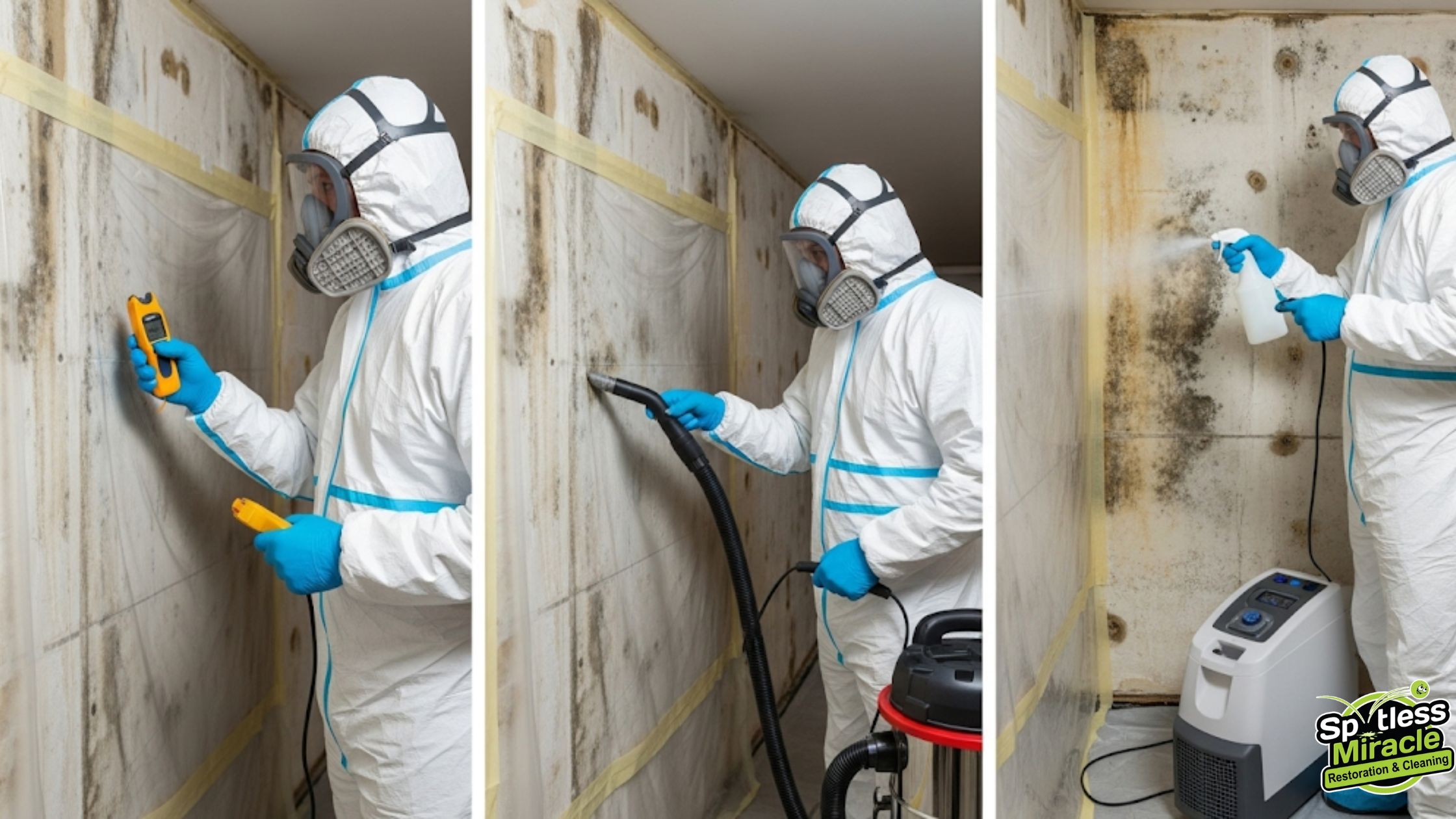
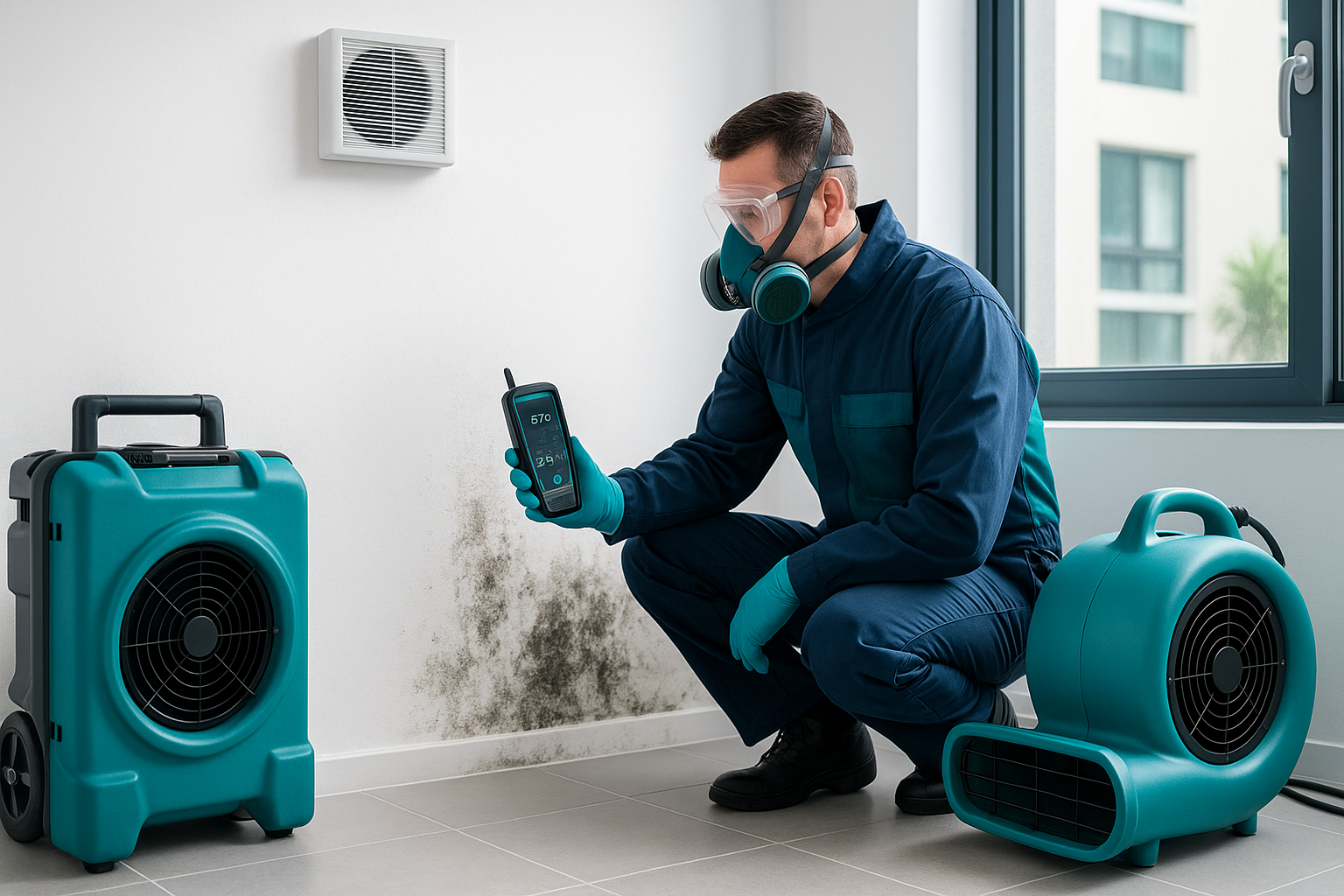
Technicians utilize various tools to find hidden water. Infrared thermography (thermal imaging) allows professionals to see temperature differences in walls, which often indicate moisture pockets that are not visible to the naked eye. Additionally, moisture meters (both invasive and non-invasive) are used to measure the moisture content of materials like drywall, wood studs, and subflooring.
Developing the Scope of Work
The assessment phase concludes with a written Remediation Plan. This document outlines the "Scope of Work," specifying which materials are to be removed, which can be cleaned, the types of containment required, and the safety protocols to be followed. This prevents "scope creep" and ensures that the project remains focused on the specific areas of contamination.

Phase 2: Containment and Pressure Differentials
One of the most critical recommended practices is the establishment of containment. Without it, the act of removing mold-damaged materials can release millions of spores into the air, which the HVAC system can then distribute throughout the entire building.
Levels of Containment
- Source Containment: Used for very small areas of growth (less than 10 square feet) where the mold is localized. This often involves taping 6-mil polyethylene sheeting directly over the affected area.
- Local Containment: Typically used for moderate areas of contamination. It involves a "mini-enclosure" built of plastic sheeting that allows a worker to enter but prevents spores from escaping.
- Full Containment: Required for extensive growth. This involves sealing off entire rooms or sections of a building using heavy-duty plastic and specialized "zipper" doors.
Negative Air Pressure
Containment is only effective if it is combined with negative air pressure. By using an Air Scrubbing Machine (ASM) equipped with a High-Efficiency Particulate Air (HEPA) filter, technicians pull air out of the contained area and exhaust it outside the building. This creates a vacuum effect; if there is a breach in the plastic, air will leak into the containment area rather than spores leaking out. Industry standards recommend at least four air changes per hour (ACH) to ensure the air remains clean for workers.
Phase 3: The Physics of Air Filtration and HEPA Standards
The use of HEPA filtration is non-negotiable in professional mold remediation. A true HEPA filter must capture 99.97% of particles that are 0.3 microns in size or larger. Since mold spores typically range from 1 to 20 microns, HEPA filters are highly effective at trapping them.
During the remediation process, two types of filtration are typically employed:
- Air Scrubbers: These units continuously recirculate the air within the containment, scrubbing it of airborne spores.
- HEPA Vacuums: Unlike standard shop-vacs, which often exhaust fine dust and spores back into the room, HEPA vacuums are sealed units that trap all debris. Every surface within a containment zone should be HEPA-vacuumed before and after cleaning to remove settled spores.
Phase 4: Controlled Removal and Cleaning Procedures
The actual "remediation" involves the careful removal of contaminated materials. The methods used depend on the porosity of the material.
Porous Materials (Condition 3)
Materials such as drywall, insulation, carpeting, and ceiling tiles are considered porous. If mold has grown into these materials (known as Condition 3), they cannot be effectively cleaned because the mold "roots" (hyphae) penetrate deep into the substrate. The recommended practice is to remove these materials entirely, extending at least 2 feet beyond the visible growth to ensure "clean" margins.
Semi-Porous Materials
Structural wood (studs, joists) is semi-porous. It is often too expensive or structurally dangerous to remove these items. Instead, they are cleaned using abrasive methods such as wire brushing, sanding, or "media blasting" (using dry ice or baking soda). These techniques shave off the outer layer of the wood where the mold is rooted, followed by immediate HEPA vacuuming.
Non-Porous Materials
Items like glass, metal, and plastic can usually be saved. The recommended practice involves a "wash and wipe" method using an EPA-registered antimicrobial or a simple detergent solution. The goal here is to remove the spores from the surface, not necessarily to "kill" them with harsh chemicals.
| Category | Typical Materials | Recommended Action |
|---|---|---|
| Porous | Drywall, Carpet, Cellulose Insulation | Controlled removal and disposal |
| Semi-Porous | Wood Framing, Concrete, Plywood | Abrasive cleaning (sanding/blasting) |
| Non-Porous | Metal, Glass, Hard Plastics | HEPA vacuum and damp wipe |
| Personal Items | Clothing, Curtains | Professional laundering or dry cleaning |
Phase 5: Post-Remediation Verification (PRV)
The project is not complete until it has been verified by an independent third party. This is known as Post-Remediation Verification (PRV) or "Clearance Testing." To avoid a conflict of interest, the PRV should not be conducted by the same company that performed the remediation.
The PRV process generally includes:
- Visual Inspection: The inspector ensures the area is "dust-free" and that no visible mold or moisture remains.
- Moisture Testing: Confirming that the underlying cause of the mold (the water leak) has been fully resolved.
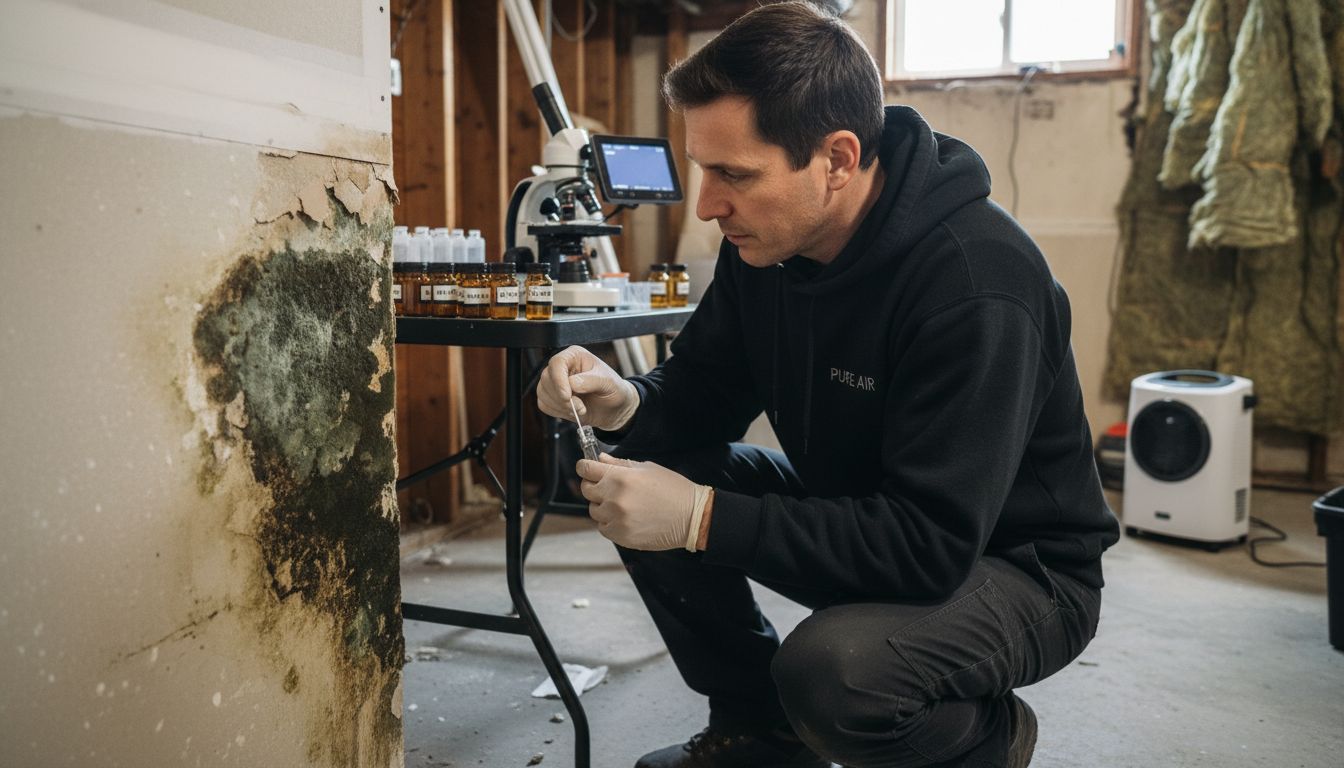
- Air Sampling: Comparing the spore counts inside the containment area to the spore counts outside the building. In a successful remediation, the indoor spore levels should be lower than or significantly different in composition from the outdoor levels.
If the site fails the PRV, the remediation contractor is typically required to re-clean the area under the existing contract until the safety standards are met.
Common Mistakes and Industry Pitfalls
Despite the existence of clear standards, many remediation projects fail due to avoidable errors. Understanding these pitfalls is essential for homeowners and facility managers alike.
- Relying on Bleach: Bleach is mostly water. On porous surfaces like wood or drywall, the water in the bleach can actually soak in and provide a moisture source for more mold growth, while the chlorine stays on the surface.
- Fogging Without Cleaning: Some contractors offer to "fog" a room with chemicals to kill mold. While this might temporarily reduce spore counts, it does not remove the allergenic biomass. Industry standards state that fogging is not a substitute for physical removal.
- Turning off the HVAC too late: If the air conditioner is left running while moldy drywall is being smashed, the spores will be sucked into the ductwork, contaminating the entire building.
- Skipping the IEP: For large-scale losses, skipping the initial assessment by an Indoor Environmental Professional often leads to inadequate containment and failed clearance tests.
Cost Considerations and Professional Selection
In 2026, the cost of mold remediation is largely driven by the complexity of the containment and the labor involved in controlled demolition. On average, professional remediation for a single room can range from $1,500 to $4,500, while whole-house remediation following a flood can exceed $15,000 to $30,000.
When selecting a professional, ensure they hold certifications from recognized bodies such as the IICRC (WRT/AMRT certifications) or the ACAC (American Council for Accredited Certification). Check for environmental liability insurance and ask for a detailed written protocol that specifically mentions the S520 standard.
Health and Safety Considerations
Mold exposure can lead to a variety of health issues, particularly for sensitive individuals. According to the Centers for Disease Control and Prevention (CDC), mold can cause nasal stuffiness, throat irritation, coughing or wheezing, and in some cases, skin irritation. Individuals with chronic lung diseases or immune system suppressions are at a higher risk for fungal infections.
Because of these risks, remediation workers must wear specific PPE, including:
- N-95 or P100 Respirators: To prevent inhalation of spores.
- Disposable Coveralls (Tyvek): To prevent spores from hitchhiking on clothing.
- Gloves and Eye Protection: To prevent contact with both mold and cleaning chemicals.
Frequently Asked Questions
Can I perform mold remediation myself?
The EPA guidelines suggest that if the affected area is less than 10 square feet (roughly 3 feet by 3 feet), many homeowners can handle the cleanup following proper safety protocols. However, if the area is larger, involves the HVAC system, or was caused by contaminated water (sewage), professional intervention is highly recommended to prevent health risks and further property damage.
How long does the mold remediation process take?
A standard residential remediation project usually takes between 3 to 7 days. This includes the time for assessment, setting up containment, the actual cleaning, and the 24-48 hours required for air scrubbers to "clear" the air before the final PRV samples are taken.
Does homeowners insurance cover mold remediation?
Coverage depends heavily on the cause of loss. If the mold resulted from a "sudden and accidental" event, such as a pipe bursting, it is likely covered. However, if the mold is the result of long-term neglect, a slow leak, or high humidity, many policies exclude coverage. Check your policy for "Mold Endorsements" which may provide a specific cap on remediation costs (often $5,000 or $10,000).
What is the difference between mold "removal" and mold "remediation"?
"Removal" is a literal term referring to the physical act of taking moldy material out of a building. "Remediation" is a broader, professional term that encompasses the entire process: assessment, containment, removal, cleaning, and verification. True remediation ensures the environment is safe, not just that the visible mold is gone.
Should I move out during the remediation process?
If the mold growth is extensive and the remediation involves large-scale containment and negative air pressure, the noise and physical barriers can make the home uninhabitable. Furthermore, if you have asthma, allergies, or a compromised immune system, it is advisable to stay elsewhere until the Post-Remediation Verification is passed.
Next Steps for Property Owners
If you suspect a mold problem, your first step should be to stop the water source. Once the leak is contained, consult with an IICRC-certified professional to perform a moisture assessment. Avoid disturbing the mold yourself, as this can aerosolize spores. Demand a written protocol based on the S520 standard before any demolition begins to ensure your property and health are protected.
Image Gallery
Select an image to open it in a new tab.

Simon Caldwell
Enterprise Technology and Systems Editor
