
Insurance premiums for both home and auto policies are climbing primarily due to the compounding effects of inflationary repair costs, increased frequency and severity of natural disasters, and the rising technological complexity of modern vehicles. These factors create higher loss ratios for insurers, which are subsequently passed on to policyholders through annual rate adjustments.
The Mechanics of Premium Increases
Insurance premiums are not arbitrary figures; they are calculated based on the "expected loss"—the amount an insurer anticipates it will pay out in claims, administrative costs, and profit margins. In 2026, several macroeconomic and environmental pressures have converged to shift these calculations upward across the board.
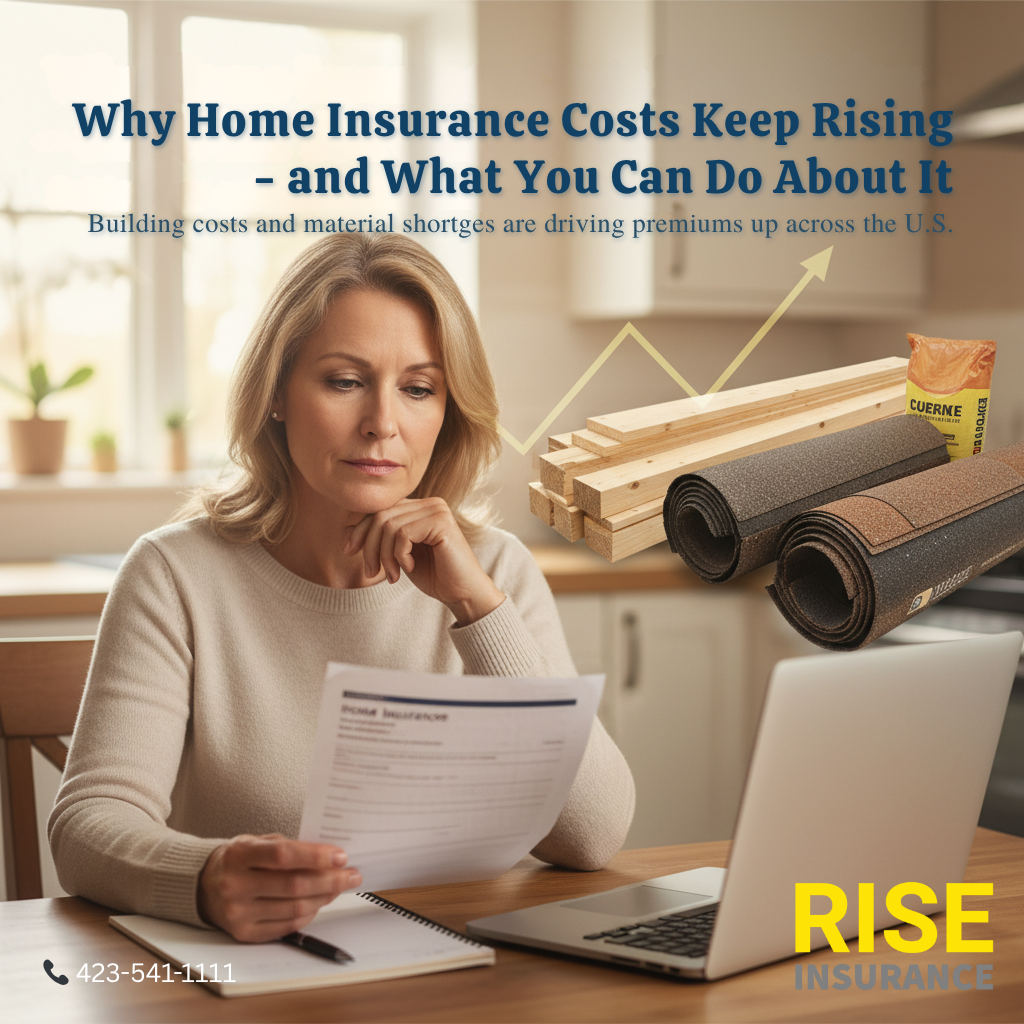
For homeowners, the primary driver is the rising cost of residential reconstruction. Following several years of volatility in the supply chain, the prices of construction materials—such as lumber, steel, and specialized smart-home components—have remained at elevated plateaus. When a property is damaged, the cost to replace the structure is significantly higher today than it was even a few years ago. If your policy coverage limits are not adjusted to reflect these current reconstruction values, you risk being underinsured; however, increasing those limits directly correlates with a higher premium.
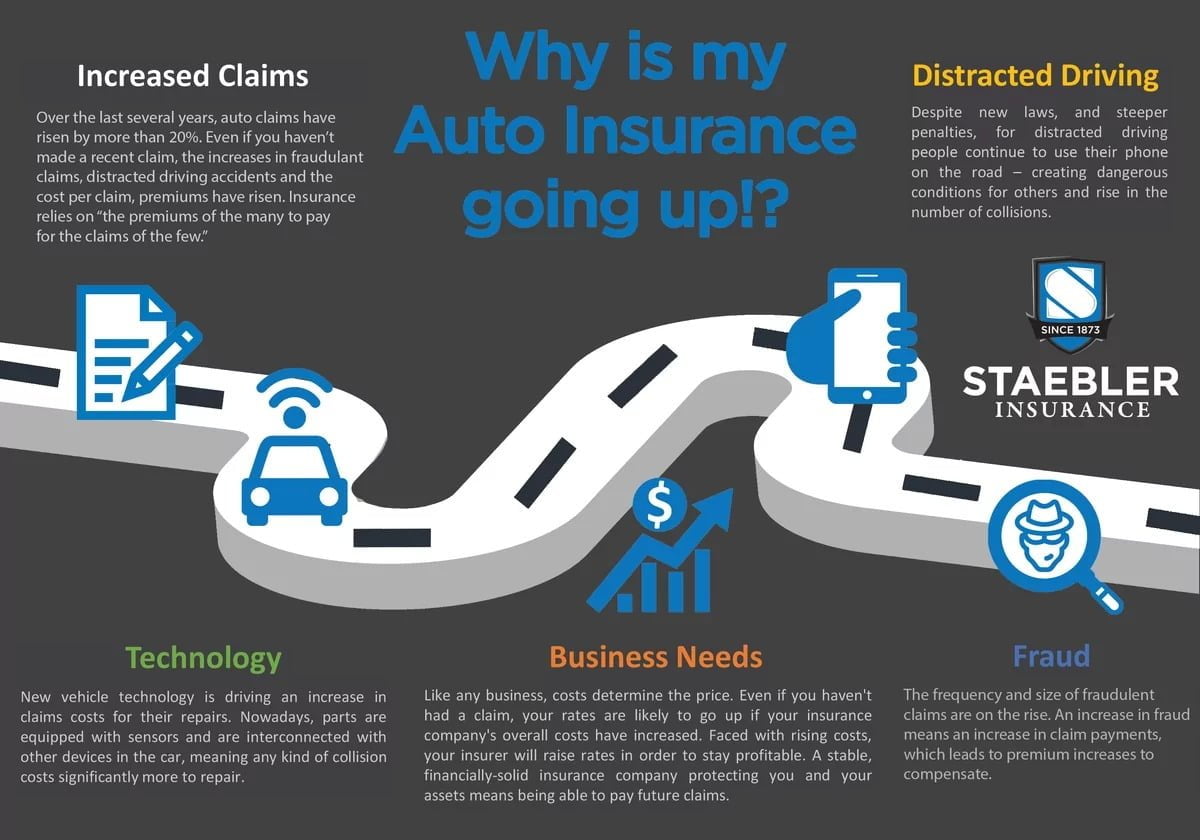
For auto insurance, the culprits are equally technical. Modern vehicles are essentially computers on wheels, equipped with Advanced Driver Assistance Systems (ADAS), sensors, cameras, and specialized alloys. While these features improve safety, they dramatically increase the cost of repairs following even minor accidents. A simple bumper tap that once required a basic body shop repair now requires expensive calibration of electronic sensors and the replacement of complex hardware, driving up the "severity" component of insurance claims.
Environmental Impact and Risk Modeling
The geographic distribution of risk has changed, leading to widespread premium hikes in specific regions. Insurance companies utilize advanced catastrophe modeling to project potential losses from natural disasters, including wildfires, hurricanes, and severe convective storms.
As climate patterns shift, areas previously considered "low risk" are being reclassified. When an insurer updates its risk profile for a specific zip code, the premiums for all residents in that area often rise, regardless of the individual policyholder's personal claims history. This is often referred to as a "market-wide adjustment." In 2026, many major carriers have limited their appetite for risk in high-exposure areas, which reduces competition. When fewer companies offer coverage, the remaining providers have less pressure to keep prices competitive, contributing to a broader inflationary trend.
The Influence of Frequency and Severity
Insurers track two main metrics to determine if a rate hike is necessary: claim frequency and claim severity.
- Claim Frequency: This refers to how often policyholders file claims. Higher traffic density, distracted driving, and increased vehicle miles traveled have contributed to a higher frequency of auto accidents. Similarly, an increase in domestic property claims—ranging from water damage to storm-related roof repairs—keeps the volume of payouts high.
- Claim Severity: This refers to the average cost per claim. Even if the number of accidents remained constant, the cost of each accident is rising due to the aforementioned high cost of parts and skilled labor.
When both frequency and severity rise, insurers must increase their "loss reserves"—the cash set aside to pay future claims—which forces them to raise premiums to maintain their required capital reserves as mandated by state regulators.
Table: Key Factors Driving Premium Increases
| Factor | Home Insurance Impact | Auto Insurance Impact |
|---|---|---|
| Material/Labor Costs | Higher cost to rebuild structures | Higher cost for complex mechanical parts |
| Technology | Smart home and specialized systems | ADAS sensors and electronic components |
| Weather Events | More frequent/severe catastrophe claims | Hail and storm damage to vehicle fleets |
| Market Competition | Limited capacity in high-risk zones | Consolidation of high-risk drivers |
| Supply Chain | Delays drive up rental/temporary costs | Longer repair times increase loaner car costs |
Navigating the Current Insurance Environment
While individual policyholders cannot control global supply chains or weather patterns, there are practical steps to manage personal insurance budgets in the current climate.
1. Conduct a Thorough Policy Review
Review your "Declarations Page" to ensure you are not paying for unnecessary coverage, but be extremely cautious about reducing liability limits. Reducing liability or increasing deductibles are common ways to lower premiums, but these actions shift more financial risk onto you. A higher deductible means you pay more out-of-pocket before the insurance kicks in, which is an effective strategy if you have an emergency fund.
2. Bundle Your Policies
Most insurers offer a multi-policy discount if you keep your home and auto insurance with the same carrier. This remains one of the most effective ways to offset some of the recent rate increases. In 2026, companies are prioritizing customer retention, and they may be more willing to apply loyalty discounts if you inquire about your account standing.
3. Shop the Market
Market dynamics change. A carrier that was expensive for your profile two years ago might now have a more favorable rate for your specific demographic or location. Compare at least three quotes annually. Ensure you are comparing "apples to apples" by matching the coverage limits and deductibles of your current policy to the new quotes.
4. Invest in Mitigation
For home insurance, many carriers provide discounts for installing protective measures, such as smart water-leak detectors, impact-resistant roofing, or upgraded security systems. For auto insurance, maintain a clean driving record and consider telematics programs—where an app monitors your driving habits—which can yield significant discounts for low-risk driving behavior.
Frequently Asked Questions
Why did my insurance go up if I have never filed a claim? Insurance is a pooled risk mechanism. If the collective risk of the group you are in increases—due to rising repair costs in your area or a spike in regional weather disasters—your premium may rise even if your personal history is perfect. Insurers must ensure the pool has enough funds to cover expected future losses.
Does my credit score still affect my insurance premiums in 2026? Yes, in many jurisdictions, insurers use credit-based insurance scores to predict the likelihood of a future claim. Maintaining a strong credit profile can help keep your premiums lower, as data often shows a correlation between credit-based scores and claim filing frequency.
Should I lower my coverage to save money? Reducing coverage is a high-risk strategy. If you lower your "Dwelling Coverage" on your home, you might not have enough funds to rebuild after a total loss. Instead of reducing coverage, focus on increasing your deductibles to a level you can comfortably afford in an emergency, which effectively lowers your monthly premium.
Will my rates eventually go down? Rate adjustments are cyclical. If inflation in repair costs stabilizes and the frequency of catastrophic weather events plateaus, the upward pressure on premiums may lessen. However, in the current 2026 environment, market corrections usually happen slowly rather than through immediate, drastic price drops.
What is the best way to contest a rate increase? You cannot technically "negotiate" an insurance rate like you would a car purchase, as rates are filed with and approved by state insurance departments. However, you can ensure your data is correct. Confirm that your insurer has accurate information regarding your home’s square footage, your vehicle’s safety features, and your current usage patterns.
Next Steps
If you find your current premium unsustainable, start by contacting your current agent or carrier. Ask specifically for a policy audit to see if you qualify for any new discounts that were not available when you last renewed. If the costs remain prohibitive, use the information from your current declarations page to request quotes from independent brokers who have access to multiple carriers. Financial security depends on being properly insured, so prioritize maintaining essential coverage over the cheapest possible price.
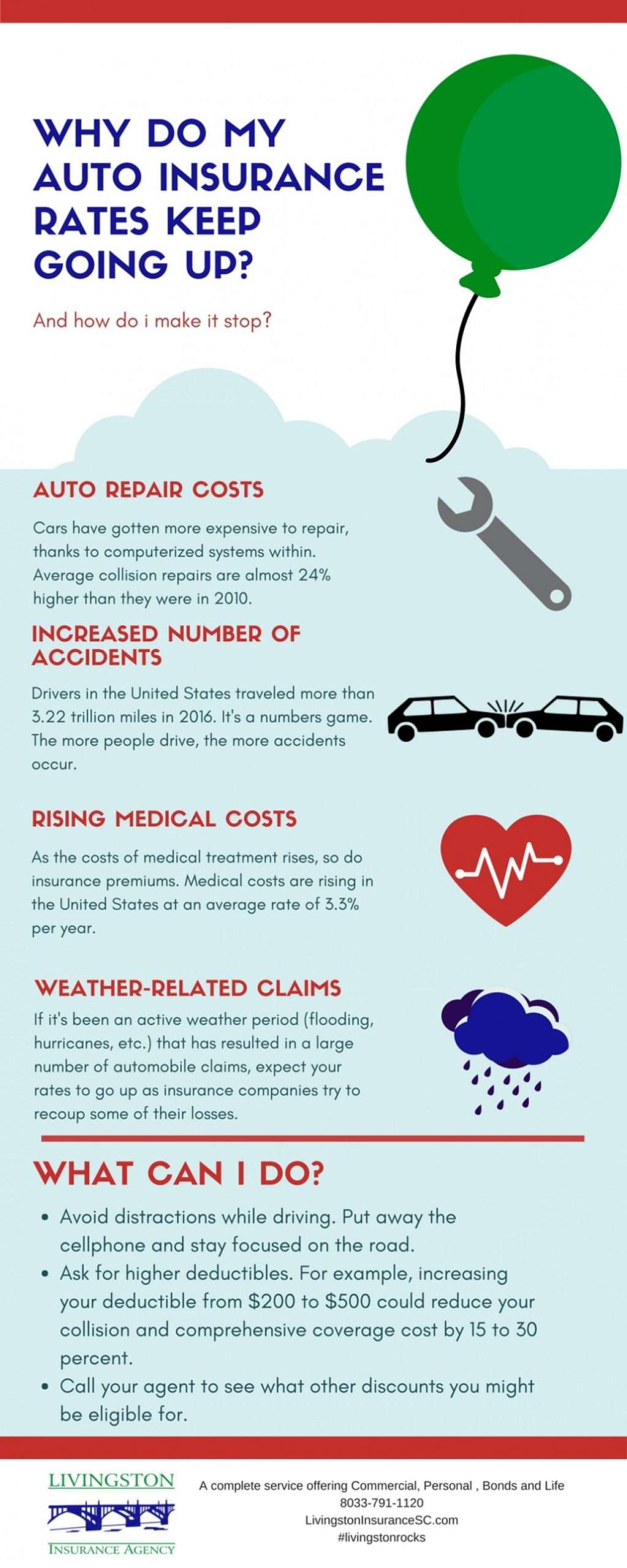
Image Gallery
Select an image to open it in a new tab.
Vivian Cho
Executive IT and Emerging Technologies Reporter
