Why Did We Get Married Movie: Plot, Cast Breakdown, and Retrospective Guide
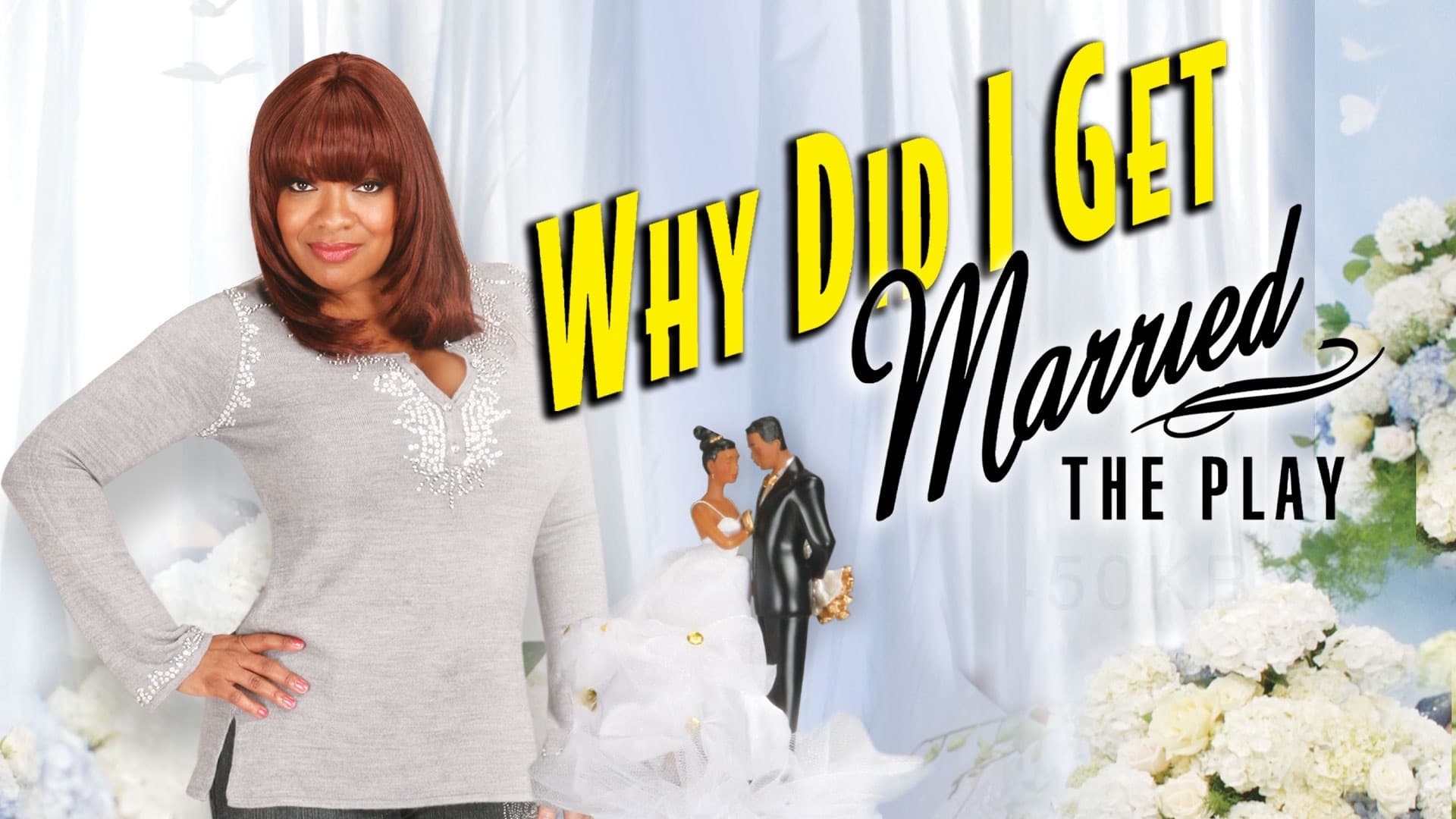
Released in 2007, Why Did We Get Married? is a comedy-drama written, directed, produced by, and starring Tyler Perry. Adapted from Perry's 2004 stage play, the film follows four married couples on an annual retreat in Colorado as long-buried secrets, infidelities, and emotional baggage surface, forcing each spouse to confront the true state of their union.
Overview and Origin: From Stage Play to Screen
Tyler Perry’s adaptation of his stage production Why Did We Get Married? marked a pivotal transition in his cinematic career. Distributed by Lionsgate and released theatrically on October 12, 2007, the film represented a deliberate shift from Perry’s signature slapstick Madea-driven comedies toward grounded, ensemble-driven relationship drama. While humor remains an essential storytelling tool throughout the film, the central narrative treats adult relationship dysfunctions with emotional weight and moral complexity.
The premise revolves around eight college friends who gather once a year for an intimate, week-long retreat designed to help them assess, repair, and celebrate their respective marriages. Set against the serene, snow-covered landscape of Crested Butte, Colorado, the rustic cabin serves as an emotional pressure cooker. Isolated from everyday routines, the characters are stripped of work distractions, social pretenses, and defensive barriers.
Perry used the film to explore middle-class African American life, focusing on high-earning professionals—psychologists, lawyers, pediatricians, architects, and business owners—grappling with issues of fidelity, professional jealousy, domestic grief, and body image. By moving away from inner-city archetypes, Perry created an accessible domestic drama that resonated broadly across demographic lines while remaining rooted in the cultural traditions of contemporary Black storytelling.
The Four Couples: Character Arcs and Central Conflicts
The narrative engine of the Why Did We Get Married movie depends on the distinct interpersonal dynamic of each couple. Rather than treating marriage as a monolith, Perry writes each relationship around a specific emotional conflict, demonstrating how unaddressed trauma erodes marital stability.
The Retreat Dynamic
The Annual Reunion in Colorado:
- Patricia & Gavin: Grief & Emotional Masking
- Terry & Diane: Workaholism & Neglect
- Angela & Marcus: Mistrust & Volatility
- Sheila & Mike: Emotional Abuse & Infidelity
Patricia and Gavin: The Mask of Perfection
Patricia Agnew (Janet Jackson) and Gavin Agnew (Malik Yoba) represent the apparent gold standard of success. Patricia is a celebrated psychologist and best-selling author whose self-help books provide the retreat’s thematic framework; Gavin is a supportive, successful architect. To the rest of the group, they embody romantic balance, mutual respect, and financial ease.
Beneath this polished exterior lies unresolved bereavement. The couple is silently suffocating under the weight of their young son’s death in a motor vehicle accident. Instead of navigating the grieving process together, Patricia channels her pain into clinical detachment and professional overachievement, avoiding raw emotional engagement. Gavin grows resentful of her calculated perfection, feeling shut out of her internal life. Their story demonstrates how emotional repression and an insistence on maintaining public appearances can fracture a relationship just as decisively as overt infidelity.
Terry and Diane: Career Demands and Neglected Intimacy
Terry Brock (Tyler Perry), an attentive pediatrician, and Diane Brock (Sharon Leal), an ambitious corporate attorney, struggle with modern work-life balance and asymmetrical sacrifice. Terry prioritizes domestic partnership, emotional connection, and family planning, openly expressing his desire for a second child.
Diane, conversely, is tethered to her BlackBerry, routinely prioritizing corporate clients, partnership tracks, and professional prestige over her husband and young daughter. Diane’s emotional absence and unilateral reproductive decisions—secretly undergoing a tubal ligation without Terry's consent—expose the hazards of chronic self-absorption. Her arc explores how professional ambition, left unchecked by relational empathy, can leave a spouse feeling discarded and single inside the marriage.
Angela and Marcus: Volatility, Infidelity, and Comic Relief
Angela Williams (Tasha Smith) and Marcus Williams (Michael Jai White) deliver the bulk of the film’s humor while reflecting the exhausting fallout of deep-seated mistrust. Angela, a blunt salon owner, uses alcohol and aggressive confrontations to mask acute insecurity. Marcus, a former professional athlete navigating life after sports, works at a television network and contends with Angela’s perpetual accusations of infidelity.
Their marriage is locked in a toxic feedback loop: Marcus’s past indiscretions have destroyed Angela’s ability to trust, prompting public outbursts and surveillance, while Angela’s hostility drives Marcus to withdraw or act out. Despite their volatility, their interactions reveal genuine underlying affection. Their dynamic illustrates how couples sometimes use conflict as a dysfunctional substitute for vulnerability, remaining together despite sustained emotional chaos.
Sheila and Mike: Emotional Abuse, Betrayal, and Renewal
The most harrowing dynamic in the film is that between Sheila (Jill Scott) and Mike (Richard T. Jones). Sheila is a deeply religious, kind-hearted woman who endures relentless verbal, emotional, and physical disparagement regarding her weight and appearance from Mike. Mike’s cruelty is systematic, calculated to dismantle Sheila’s self-worth to justify his own behavior.
The conflict reaches a breaking point when Mike forces Sheila to drive to Colorado in a snowstorm because her weight exceeds commercial airline seat allowances, while he flies ahead with Sheila’s glamorous, deceitful friend, Trina (Denise Boutte). When Mike’s long-standing affair with Trina is revealed, Sheila hits rock bottom.
Stranded at the cabin, Sheila is supported by the local sheriff, Troy Jackson (Lamman Rucker). Through Troy’s respectful, compassionate intervention, Sheila regains her agency, leaves Mike, and reclaims her emotional independence. Her transformation forms the emotional climax of the story, articulating the necessity of self-respect as a prerequisite for healthy love.

Key Themes: Communication, Grief, and Infidelity
The film's longevity and cultural footprint stem from its exploration of specific relational mechanisms. While stylized for dramatic effect, the central themes reflect common challenges documented in contemporary marital therapy:
- The Difference Between Privacy and Secrecy: The characters frequently confuse healthy privacy with destructive secrecy. Mike hides an affair; Diane hides an elective sterilization procedure; Patricia conceals unresolved trauma. The narrative argues that secrecy in marriage operates as passive-aggressive sabotage, ensuring that partners react to false realities rather than genuine emotional circumstances.
- The Weight of Unspoken Grief: Through Patricia and Gavin, the film examines the psychological concept of "complicated grief." When parents experience the catastrophic loss of a child, marital dissolution rates rise sharply without focused grief counseling. The Agnews highlight how intellectualizing trauma (viewing it clinically rather than feeling it) prevents marital healing.
- Emotional vs. Physical Betrayal: While Mike's betrayal is both physical and economic, Angela and Marcus struggle with the emotional aftermath of past transgressions. Perry demonstrates that rebuilding trust requires complete behavioral transparency, without which emotional reconciliation is impossible.
- Self-Love as a Marital Foundation: Sheila’s journey illustrates that endurance is not synonymous with devotion. Her arc warns against confusing codependency and religious endurance with marital fidelity, asserting that a partnership requiring the destruction of one's dignity is unsustainable.
Cast and Character Reference Guide
The following table synthesizes the primary cast members, their character identities, their key relationship struggles, and their ultimate outcomes in the film:
| Actor | Character | Occupation | Core Marital Issue | Final Narrative Status |
|---|---|---|---|---|
| Janet Jackson | Patricia Agnew | Author / Psychologist | Repressed grief over their deceased son; emotional detachment | Fractured; committed to confronting their trauma honestly |
| Malik Yoba | Gavin Agnew | Architect | Frustration with clinical perfectionism; unresolved grief | Reconciled temporarily; committed to open communication |
| Tyler Perry | Terry Brock | Pediatrician | Neglected by his work-focused wife; unreciprocated domestic care | Reconciled after receiving a genuine apology and realigned priorities |
| Sharon Leal | Diane Brock | Corporate Attorney | Chronic workaholism; unilateral life and family decisions | Reconciled; agrees to prioritize family over career advancement |
| Jill Scott | Sheila | Homemaker | Target of chronic verbal abuse, body shaming, and betrayal | Divorced from Mike; remarried to Sheriff Troy Jackson |
| Richard T. Jones | Mike | Corporate Executive | Blatant infidelity, emotional cruelty, and financial entitlement | Cast out of the friend group; left isolated and humiliated |
| Tasha Smith | Angela Williams | Salon Owner | Volatile temper, alcohol dependency, and intense jealousy | Reconciled; committed to managing anger and trusting her spouse |
| Michael Jai White | Marcus Williams | Sports Broadcaster | Past infidelity, communication evasion, and passivity | Reconciled; committed to emotional and marital fidelity |
| Lamman Rucker | Troy Jackson | County Sheriff | Widower processing past loss while seeking true partnership | Married to Sheila; providing a stable, respectful home |
| Denise Boutte | Trina | Entrepreneur | Interpersonal betrayal; opportunistic infidelity with friends' husbands | Ostracized by the group after the affair is revealed |
Critical Reception and Box Office Impact
Upon its theatrical debut on October 12, 2007, Why Did We Get Married? opened at number one at the North American box office, grossing $21.4 million in its opening weekend across 2,011 theaters. It outperformed significant studio competition, including the George Clooney legal thriller Michael Clayton and the franchise sequel We Own the Night. The film ultimately grossed over $55 million domestically against an estimated production budget of $15 million, reaffirming Tyler Perry’s status as a reliable, highly profitable box-office draw.
Critical reception, however, was mixed to moderately positive. Mainstream critics often pointed to Perry's familiar blend of broad, soap-operatic dramatics, tonal shifts between high comedy and severe domestic distress, and conventional visual direction. Roger Ebert awarded the film 2.5 out of 4 stars, noting that while the film contained genuine emotional resonance and compelling performances, it relied heavily on theatrical conventions and predictable plot resolutions.
2007 Box Office Performance
- Production Budget: $15,000,000
- Opening Weekend: $21,401,905 (#1 Domestic)
- Total Domestic Run: $55,204,525
Despite split critical consensus, the performances received widespread praise. Jill Scott earned particular critical acclaim in her feature film acting debut, with critics highlighting her vulnerability, quiet dignity, and natural screen presence. Tasha Smith's portrayal of Angela turned the character into a cultural archetype, delivering comedic one-liners that became memorable cultural touchstones while offering a sympathetic look at defensive posturing. The film earned several nominations at the 39th NAACP Image Awards, ultimately winning the award for Outstanding Motion Picture.
The Legacy and the 2010 Sequel
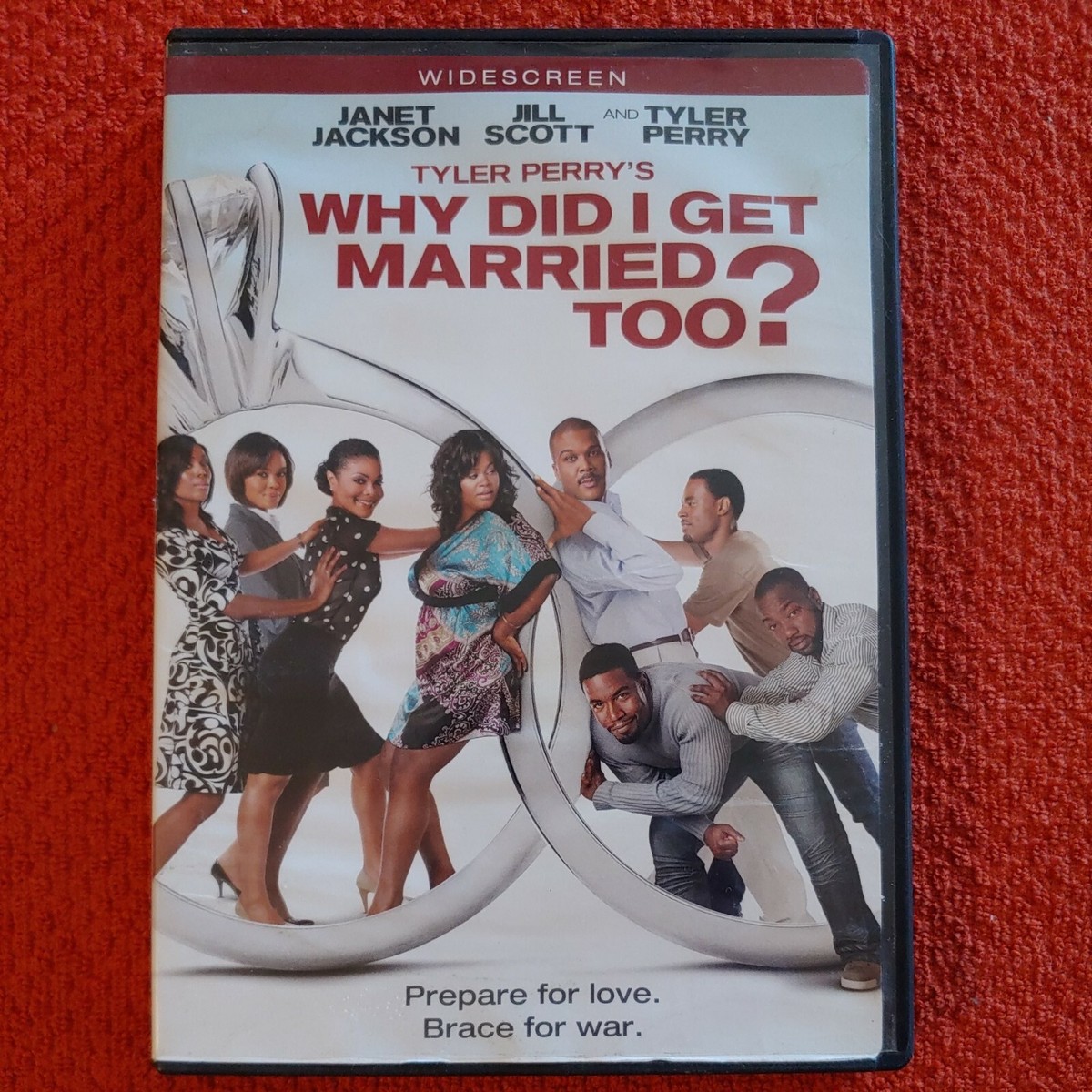
The commercial success and cultural resonance of the film prompted Lionsgate and Tyler Perry Studios to develop an immediate follow-up. In April 2010, the studio released Why Did We Get Married Too?, reuniting the entire original cast for a secondary retreat, this time set in the tropical landscape of the Bahamas.
The "Why Did We Get Married?" Franchise
- Why Did We Get Married? (2007)
- Setting: Crested Butte, Colorado (Snowbound Cabin)
- Central Focus: Unmasking marital secrets and hidden infidelities
- Climax: Sheila's liberation from Mike; confrontation at the table
- Why Did We Get Married Too? (2010)
- Setting: Eleuthera, Bahamas (Tropical Villa)
- Central Focus: Long-term post-crisis maintenance, financial control, and catastrophic grief
- Climax: Tragic loss of Gavin; radical shifts in life paths
- For Better or Worse (2011–2017)
- Medium: Television Sitcom (TBS / OWN)
- Focus: Extended domestic life of Angela and Marcus Williams
The sequel moved in a significantly darker direction, diving deeper into the volatile aftermath of Patricia and Gavin’s unresolved grief, which culminates in toxic financial disputes and Gavin’s tragic death in a car crash.
Beyond the 2010 sequel, the franchise yielded a direct television spin-off. Angela and Marcus Williams proved so popular with audiences that Tyler Perry created the sitcom Tyler Perry's For Better or Worse, which premiered on TBS in 2011 before moving to the Oprah Winfrey Network (OWN), running for six seasons through 2017. The series starred Tasha Smith and Michael Jai White, expanding their characters' professional lives, parenting dilemmas, and day-to-day squabbles over 162 episodes.
Where and How to Watch
For viewers looking to revisit the film or discover it for the first time, Why Did We Get Married? remains widely available across major home entertainment ecosystems:
- Subscription Video-on-Demand (SVOD): Licensing for Tyler Perry’s Lionsgate catalog rotates frequently. The film is regularly hosted on platforms such as BET+, Starz, and Hulu, depending on ongoing studio licensing windows.
- Digital Rental and Purchase (EST): The film is permanently accessible for digital rental (48-hour viewing window upon playback) and digital purchase in standard-definition (SD) and high-definition (HD) across major storefronts, including:
- Amazon Prime Video
- Apple TV / iTunes
- Fandango at Home (formerly Vudu)
- Google Play Movies & TV / YouTube
- Physical Media: For collectors, the film remains readily available on standard DVD and Blu-ray disc through major online and second-hand retailers, frequently bundled in double-feature sets with its 2010 sequel.
Frequently Asked Questions
Is the movie based on a true story?
No, the film is not based on a specific true story. It is an adaptation of Tyler Perry's 2004 stage play of the same name. However, Perry has noted in production interviews that the interpersonal disputes, marital struggles, and dynamic personalities were drawn from his observations of real-world relationships among friends and family members.
Where was the cabin retreat filmed?
Although the story is set in the mountain resort town of Crested Butte, Colorado, the production shot exterior winter scenes and town establishing shots in Vancouver and Whistler, British Columbia, Canada. Most interior cabin scenes were filmed on custom-built soundstages at Tyler Perry Studios in Atlanta, Georgia.
Who sings the soundtrack's main song?
The film's signature soundtrack cut, "Love Him Like Me," was recorded by cast member and Grammy-winning R&B singer Jill Scott, alongside Keyshia Cole and Tamia. The broader soundtrack features contributions from prominent R&B and soul artists, including Babyface, Anita Baker, Musiq Soulchild, and Michael Bublé.
Do Mike and Sheila end up together in the end?
No. Sheila permanently severs ties with Mike after his protracted emotional abuse and his brazen affair with her friend Trina come to light. Sheila finds romantic healing and respect with Sheriff Troy Jackson, whom she subsequently marries at the conclusion of the film.
What is the major secret revealed during the dinner scene?
During the climactic dinner scene, Angela forces an explosive confrontation that reveals multiple secrets across the group. The primary revelations include Mike's ongoing affair with Trina, the fact that Mike infected Sheila with a sexually transmitted disease, and financial secrets involving several of the couples, shattering the group's collective pretense of marital harmony.
Practical Takeaway: How to Revisit the Franchise
To get the most out of Why Did We Get Married?, watch the film as part of its narrative continuum:
- Watch the 2007 Original First: Begin with Why Did We Get Married? to establish the core dynamics, Jill Scott's introductory arc, and the baseline dynamics of the four couples.
- Follow with the 2010 Sequel: Proceed to Why Did We Get Married Too? to see how the unresolved trauma of the first installment—particularly between Patricia and Gavin—plays out in a different emotional environment.
- Explore the Television Spin-off: If you enjoy the comedic cadence between Angela and Marcus, continue to Tyler Perry's For Better or Worse, which develops their domestic and entrepreneurial world in an episodic format.
Image Gallery
Select an image to open it in a new tab.

Simon Caldwell
Enterprise Technology and Systems Editor
